
Side Dishes
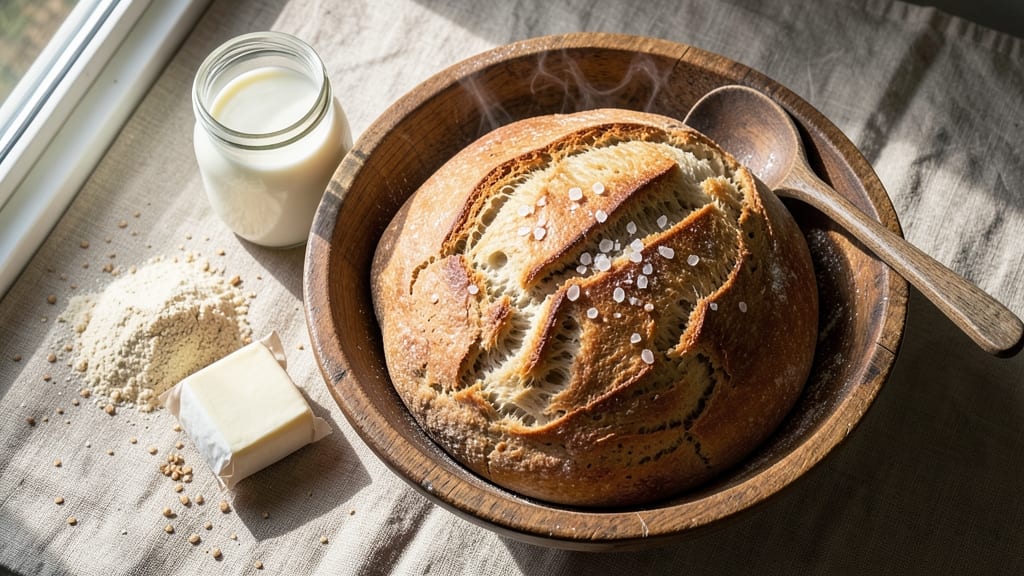
This authentic Irish bread recipe brings the heart of Ireland to your kitchen with its signature buttery crust and tender crumb—no fancy techniques required. The secret lies in traditional ingredients like buttermilk and whole wheat flour, combined with a simple no-knead method that yields a loaf with rustic charm and perfect texture every time. I've perfected this version after years of testing, ensuring it delivers the same comforting flavors found in Irish pubs and countryside kitchens.
The beauty of Irish soda bread is its simplicity: just flour, buttermilk, baking soda, and salt come together in minutes, then bake into a loaf with a crispy crust and moist interior. The buttermilk creates that signature tender crumb while the baking soda gives it a gentle rise without yeast.
This recipe stays true to tradition while being beginner-friendly—no kneading, no waiting for yeast to proof, and no room for mistakes.
What you'll end up with is a golden-brown loaf with a crackly crust that gives way to soft, slightly dense interior—ideal for serving warm with butter or jam.
The flavor is subtly tangy from the buttermilk and rich from the whole wheat flour, making it perfect for breakfast, tea time, or alongside hearty stews. This bread keeps well for days, so you'll have fresh slices whenever you need them.
For an extra touch, brush the baked loaf with melted butter while still warm—this creates that iconic buttery crust that makes it irresistible. Whether you're celebrating St. Patrick's Day or simply craving a taste of Ireland, this recipe delivers authentic flavor with minimal effort. Let's get baking!
Ingredients for authentic irish bread
Just five core ingredients plus a few optional extras—this is Irish soda bread at its most traditional yet simple.
| Ingredient | Amount | Notes |
|---|---|---|
| All-Purpose Flour 🌾 | 3 cups | Sifted for even texture |
| Whole Wheat Flour 🌾 | 1 cup | For rustic flavor |
| Buttermilk 🥛 | 1 ½ cups | Room temperature preferred |
| Baking Soda 🧂 | 1 tsp | Freshly opened for best rise |
| Salt 🧂 | ½ tsp | Diamond Crystal preferred |
| Unsalted Butter 🧈 | ½ cup | Cold and cubed for crust |
| Granulated Sugar 🍚 | 1 tbsp | Optional for slight sweetness |
| Fresh Rosemary 🌿 | 1 tbsp | Chopped, for aroma (optional) |
| Fresh Chives 🌿 | 2 tbsp | Chopped, for garnish (optional) |
| Coarse Sea Salt 🧂 | 1 tbsp | For sprinkling crust |
The flours are the foundation. King Arthur or Bob's Red Mill all-purpose flours work best—they're reliable and give that signature tender crumb. For the whole wheat, White Whole Wheat keeps the bread lighter than regular whole wheat. Buttermilk? Cultivate brand is my go-to, but any buttermilk will do—just make sure it's not expired. The baking soda needs to be fresh, so check the date on the box. Salt matters too—Diamond Crystal dissolves better than table salt, giving you that perfect balance of tangy and salty. If you can't find fresh rosemary, dried works at half the amount.
No buttermilk? Mix 1 tbsp vinegar or lemon juice with 1.5 cups milk to mimic the tang. Short on whole wheat flour? Swap for another 1/2 cup all-purpose. Want extra flavor? Add 1 tsp caraway seeds or poppy seeds—classic Irish touches. The sugar is truly optional, but it does caramelize beautifully on the crust. If you're feeling fancy, brush the warm loaf with melted Irish butter (like Kerrygold) instead of regular butter for that authentic taste. And if you've got oat flour lying around, swap up to 1/2 cup for a nuttier flavor.
This bread keeps beautifully for 3-4 days wrapped in a cotton towel at room temperature. For longer storage, freeze the whole loaf (up to 3 months) or slice and freeze portions. To reheat, wrap slices in foil and warm in a 350°F oven for 5-10 minutes. The crust gets even better the next day—trust me on that. And if you make extra? Toast the slices and freeze them for quick breakfasts all week.
Why You'll Love This Recipe
- No-Fuss Mixing: I swear, this dough comes together in one bowl—no kneading, no fuss. Just toss in the buttermilk, fold in the flours, and let the baking soda do its magic. Honestly, my hands stay clean, and the kids even "help" stir.
- Tangy Crust, Soft Heart: That buttermilk tang? It’s the secret weapon—crisp edges that shatter just enough, but the inside stays pillowy. Between us, it’s the kind of bread that makes you reach for seconds without thinking.
- Breakfast to Picnic: Toast it for breakfast, pack slices for lunch, or tear it into chunks for a pub-style dinner. I’ve even used it to sop up stews—it’s that good. Works for lazy mornings and Sunday feasts.
- Budget Magic: Whole wheat flour adds texture and nutrition without breaking the bank, and buttermilk stretches the dough further than yeasted bread. A single loaf feeds my family for days, and the leftovers? Still fresh on day four.
Step-by-step instructions for authentic Irish bread
Here's how to craft this rustic loaf with a crisp crust and tender crumb—just like Ireland's best.
Mix the Dough for Perfect Texture
In a large mixing bowl, combine the 3 cups all-purpose flour, 1 cup whole wheat flour, 1 tsp baking soda, and 0.5 tsp salt. I sift these dry ingredients first to eliminate any lumps and ensure even distribution throughout the dough. This prevents dense pockets in your bread.
Make a well in the center and pour in the 1.5 cups buttermilk and 1 tbsp granulated sugar. If using, add the 1 tbsp chopped fresh rosemary now. Using a wooden spoon or your hands, gently mix until just combined—you should still see dry bits. Overmixing develops gluten, which can make the bread tough instead of tender. The dough will be sticky, but that's normal for authentic Irish soda bread.
Add Butter for Rich Flavor and Crust
Cut the 0.5 cup unsalted butter into small cubes and work them into the dough one at a time. I like to use my fingers to gently knead the butter into the mixture until it's evenly distributed. The butter should be cold so it creates pockets of steam during baking, giving that signature crisp crust. If the dough feels too wet, add 1 tablespoon more flour at a time until it holds together when pressed.
Turn the dough out onto a lightly floured surface and shape it into a round loaf about 3 inches thick. I press down gently to create a smooth top—this helps the bread rise evenly. Don't worry if it's not perfectly round; Irish bread has a rustic charm. Place the shaped dough on a parchment-lined baking sheet.
Let It Rise for Authentic Flavor
Let the dough rest at room temperature for 30 minutes. This short rise allows the gluten to relax and the flavors to meld. I like to loosely cover the bowl with a clean kitchen towel during this time to prevent drying. The dough won't double in size like yeast breads do—it'll just firm up slightly.
After resting, preheat your oven to 425°F for 15 minutes. While it heats, use your fingers to make a deep cross on top of the dough. This isn't just for looks—it helps the bread rise evenly and creates that beautiful crust pattern. Sprinkle generously with 1 tbsp coarse sea salt all over the top and around the edges.
Bake Until Golden and Crisp
Bake the bread for 25-30 minutes until it's deep golden brown and sounds hollow when tapped on the bottom. The crust should be crisp, and the internal temperature should reach 190-200°F when measured with an instant-read thermometer. I like to rotate the pan halfway through baking to ensure even browning.
If you're using the optional 2 tbsp fresh chives, sprinkle them over the bread in the last 5 minutes of baking for a pop of color and fresh flavor. The chives will crisp slightly, adding a lovely garnish. Let the bread cool on a wire rack for 10 minutes before slicing—this prevents a gummy crumb.
Serve Warm for Maximum Enjoyment
Slice the bread while still warm for the best texture. The inside should be tender with a slightly crumbly texture, while the crust remains crisp. I love serving this with Irish butter or alongside a bowl of Irish stew for an authentic meal. Store any leftovers wrapped in a clean kitchen towel to keep the crust crisp for up to 3 days.
This bread keeps well at room temperature, but I find it's best enjoyed fresh. The rosemary adds a subtle herbal note that pairs beautifully with the buttery crust. If you want to get fancy, brush the warm bread with melted butter and sprinkle with flaky sea salt for an extra-special touch.
Pro Tips For Making Authentic Irish Bread
- Mix the Dough Dry First: Combine your all-purpose and whole wheat flours, baking soda, and salt before adding buttermilk—this prevents the baking soda from activating too early and making your dough gummy. I learned this the hard way when my first batch turned out dense and sticky instead of light.
- Use Warm Buttermilk: Warm your buttermilk to about 85°F (30°C) before mixing—just enough to loosen the dough without cooking it. Cold buttermilk makes the gluten fight you, while warm buttermilk helps the yeast wake up faster. (Yes, even if you’re impatient like me.)
- Skip Overmixing: Stir the dough just until combined—lumpy is fine, smooth is trouble. Overworking the whole wheat flour develops too much gluten, and your bread will turn out tough instead of tender. My grandmother swore by this, and she was right: less mixing = better texture.
- Let It Rise Slowly: Give the dough a full 1–2 hours to rise at room temperature (70°F/21°C) before baking—don’t rush it. A slow rise lets the buttermilk’s acidity mellow out, and the gluten relaxes for a lighter crumb. (Your future self will thank you for not cutting corners here.)
Wine and beer pairings for authentic irish bread
Irish Craft Beer
Pair your soda bread with an Irish dry stout like Guinness—its roasted malt and coffee notes complement the bread's buttery crust beautifully. The slight bitterness cuts through the richness, balancing the buttermilk tang.
For a lighter option, try a Smithwick's Irish Ale, which has a smooth, malty profile that enhances the bread's rustic charm. 🍺
Whiskey Pairings
An Irish whiskey like Jameson Original is a classic match, especially if you serve the bread warm with butter. The whiskey's smooth, triple-distilled profile enhances the bread's herbal notes from rosemary. For something bolder, sip a Redbreast 12-Year-Old—its rich caramel and spice notes create a luxurious pairing. 🥃
Cider Options
An Irish cider like Bulmers Dry Cider adds a crisp, refreshing contrast to the bread's dense crumb. The acidity brightens the buttermilk flavor, making each bite feel lighter. For a sweeter twist, try Magners Original Cider—its honeyed notes balance the bread's subtle tang. 🍏
Wine for Contrast
Surprisingly, a dry Riesling from Germany pairs well with soda bread, especially if it's lightly chilled. The wine's acidity and citrus notes mirror the bread's buttermilk tang, while its mineral finish cleanses the palate. For red lovers, a Pinot Noir with earthy undertones complements the rosemary in the dough. 🍷
Non-Alcoholic Choices
For a non-alcoholic option, try a sparkling apple cider like Martinelli's Sparkling Apple Cider. The effervescence and sweet-tart flavor enhance the bread's crusty texture. Alternatively, a chilled Irish coffee (without the whiskey) with cream and cocoa powder offers a cozy, comforting match. ☕
Seasonal Variations
In winter, a spiced Irish whiskey cocktail with cinnamon and nutmeg elevates the bread's warmth. For summer, a ginger beer like Feather's Ginger Beer adds a zesty kick that pairs perfectly with the bread's buttery richness. Adjust based on the season—just like the bread itself! ❄️
Nutrition facts
Frequently asked questions
Why does traditional Irish bread use buttermilk instead of milk?
The tangy acidity in buttermilk creates a tender crumb and helps activate the baking soda for a better rise. It also gives that signature slightly sour flavor that's classic in Irish soda bread. For a quick substitute, mix 1 tbsp vinegar or lemon juice with 1.5 cups milk to mimic the effect.
Can I make this bread without whole wheat flour?
Replace the 1 cup whole wheat flour with another 1 cup all-purpose flour for a lighter texture. The bread will still taste authentic—just slightly less rustic. For extra flavor, try adding 1 tsp caraway seeds or poppy seeds to the dough before baking.
What's the deal with the cross on top? Is it just for decoration?
Nope—it's functional! The cross helps the bread rise evenly and creates that beautiful crust pattern. Traditionally, it also symbolizes protection (a nod to Irish folklore). Make it deep enough so the bread expands outward from the center during baking.
How do I know when the bread is fully baked?
Look for a deep golden brown crust and tap the bottom—it should sound hollow. The internal temperature should reach 190-200°F when measured with an instant-read thermometer. If the top browns too quickly, tent it with foil for the last 10 minutes of baking.
Can I add raisins or other mix-ins to this recipe?
Yes! Fold in 1/2 cup raisins or currants with the buttermilk for classic raisin soda bread. For extra richness, try 1/2 cup chopped nuts like walnuts or pecans. Just don't overmix after adding them to keep the texture tender.