
Side Dishes
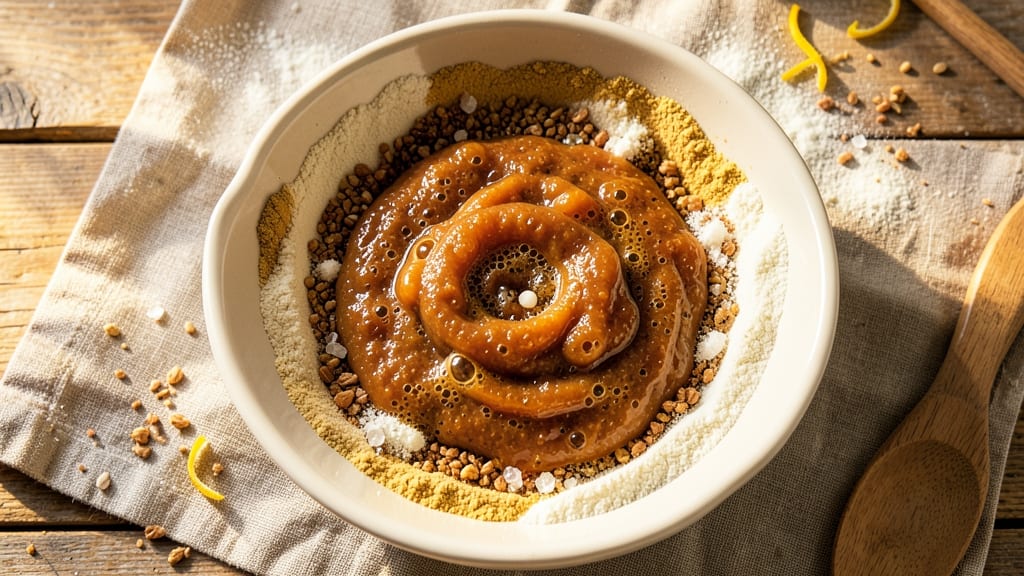
Transforming the bread recipe by adding sourdough discard is the ultimate zero-waste baking solution. This recipe turns what many discard into a tangy, flavorful loaf with deep sourdough character—no waste, just flavor.
The key lies in balancing hydration and fermentation time, ensuring a light yet structured crumb with that signature tang.
What makes this bread special is its versatile approach: you can adjust the discard ratio based on how active your starter is, and add-ins like seeds or herbs elevate the texture and flavor.
The dough develops naturally over a slow rise, creating a complex, well-developed loaf that rivals store-bought—without the environmental cost.
By the time it emerges from the oven, you’ll have a golden, crisp-skinned loaf with an open crumb and layers of sourdough depth. Perfect for sandwiches, toast, or serving alongside soups, this bread proves that sustainability and flavor go hand in hand.
For best results, use active discard (bubbly and fresh) and let the dough rest overnight. Here’s how to make it happen—step by step.
Ingredients for add sourdough discard to bread
Transform your discard into a loaf bursting with sourdough tang and texture—zero waste, maximum flavor!
| Ingredient | Amount | Notes |
|---|---|---|
| Active Sourdough Discard 🍞 | 1 cup | Bubbly, fresh discard (100% hydration) |
| All-Purpose Flour 🌾 | 3 ½ cups | Unbleached, high-protein preferred |
| Bread Flour 🌾 | 1 cup | For better gluten development |
| Whole Wheat Flour 🌾 | ½ cup | Optional for nuttier flavor |
| Granulated Sugar 🍚 | ¼ cup | Feeds yeast for fermentation |
| Instant Yeast 🍞 | ½ tsp | Or 1.5 tsp active dry yeast |
| Salt 🧂 | 1 ½ tsp | Diamond Crystal preferred |
| Warm Water 💧 | 1 ¾ cups | 105-110°F for ideal yeast activation |
| Olive Oil 🫒 | 2 tbsp | Extra-virgin for richness |
| Sesame Seeds 🌻 | 2 tbsp | Or sunflower seeds for variation |
| Poppy Seeds 🌱 | 1 tbsp | Optional for extra texture |
The sourdough discard is your secret weapon—look for that bubbly, active starter with visible rise. If yours is sluggish, feed it 1:1:1 (flour:water:starter) for 4-6 hours before using. King Arthur or Caputo flours elevate the crumb, but any high-protein flour works. For the seeds, Trader Joe's bulk bins offer great prices—just toast them 5 minutes at 350°F for extra flavor. Pro tip: if your discard smells funky, it's overripe—reduce to ½ cup and add ½ cup extra flour to balance hydration.
No sourdough starter? Use 1.5 tsp active dry yeast + ½ tsp sugar instead, but the flavor won’t be the same. Whole wheat flour can be swapped for spelt or rye for a denser crumb. Running low on sesame seeds? Flaxseeds or pumpkin seeds add a similar crunch. For a sweeter loaf, increase sugar to ⅓ cup—though purists say less is better. The olive oil can be swapped for melted coconut oil (neutral flavor) or avocado oil (higher smoke point). And yes, you can skip the seeds—just omit entirely.
This dough is a patient one—let it rest overnight for maximum flavor development. Store shaped dough in the fridge for up to 24 hours before baking. For longer storage, freeze shaped loaves (unbaked) for 3 months—thaw overnight in the fridge before baking. The baked loaf keeps 3-4 days at room temperature wrapped in a clean kitchen towel (better than plastic for moisture retention). For extra crispiness, bake 5 minutes uncovered at the end.
Why You'll Love This Recipe
- No Waste, All Flavor: I swear by this trick—tossing in that tangy discard instead of throwing it out means zero food waste. The mix of all-purpose and bread flour gives it that perfect chew, while the whole wheat adds just enough depth without overpowering.
- Tangy Twist: That sourdough discard isn’t just filling space—it’s the star. The slight sourness cuts through the sweetness of the sugar, and the combo of flours makes every bite feel like a fresh-baked hug. (Yes, even on a Tuesday night.)
- Weeknight Workhorse: This bread is my go-to when I’m too tired to fuss. It’s ready in one rise, one bake, and no fancy shaping—just dump, mix, and let it do its thing. Perfect for sandwiches, toast, or just eating straight from the pan.
- Budget-Friendly Staple: I make a double batch and freeze half—no fancy packaging, just a bag. When I’m short on time, I pull out a loaf, toast it, and suddenly I’ve got a satisfying breakfast. The whole wheat keeps it hearty, and the sugar gives it that little treat feel.
Step-by-step instructions for a tangy sourdough-infused loaf
Transform your sourdough discard into a flavorful, textured loaf that rivals artisanal bread.
Hydrate the Discard and Activate the Yeast
In a medium bowl, combine the 1 cup Active Sourdough Discard with 1.75 cups Warm Water (between 105-110°F). Let this sit for 15-20 minutes until you see visible bubbles forming on the surface and the mixture becomes slightly foamy. This activation step is crucial—it ensures your discard is alive and ready to leaven the dough properly.
While waiting, dissolve the 0.25 cup Granulated Sugar and 0.5 tsp Instant Yeast into ½ cup of the warm water from the discard mixture. This sugar-yeast slurry jumpstarts fermentation, giving your dough an extra boost of tangy complexity. Stir until fully combined, then pour it back into the discard bowl. Mix gently to distribute evenly.
Build the Dough with Flours and Hydration
In a stand mixer fitted with the dough hook attachment, combine the 3.5 cups All-Purpose Flour, 1 cup Bread Flour, and 0.5 cup Whole Wheat Flour. Add the 1.5 tsp Salt and mix on low speed for 30 seconds to distribute evenly. This flour blend creates the perfect balance of structure and tenderness—bread flour for chewiness, whole wheat for nuttiness, and all-purpose for reliability.
With the mixer running on low, gradually pour in the discard mixture and 2 tbsp Olive Oil. Mix on low speed for 2 minutes until a shaggy dough forms. The oil adds richness and helps create a soft crumb, while the discard contributes that signature tang. If the dough feels too sticky, add 1 tablespoon of flour at a time until it pulls away from the bowl but remains slightly tacky.
Knead Until Elastic and Smooth
Increase the mixer speed to medium and knead the dough for 5-7 minutes until it becomes smooth, elastic, and passes the "windowpane test." To test, stretch a small piece of dough between your fingers—if it thins to a translucent membrane without tearing, it's ready. This kneading develops gluten, which gives your loaf its structure and chew.
If the dough feels too warm to the touch (above 80°F), let it rest for 10 minutes before proceeding. Overworking warm dough can kill the yeast. Once properly kneaded, transfer the dough to a lightly oiled bowl, cover it with a damp towel, and let it rise in a warm place for 1-2 hours or until it has doubled in size. You'll know it's ready when you poke it gently and the indentation stays put.
Shape and Second Rise for Texture
Turn the dough onto a lightly floured surface and gently shape it into a 12-inch round loaf or a 9x5-inch loaf pan (whichever you prefer). For a round loaf, fold the edges toward the center and tuck them under to create tension. This shaping step is where the magic happens—it ensures an even rise and a beautiful, open crumb. Place the shaped dough seam-side up in a greased bowl or loaf pan.
Cover the bowl or pan with a damp towel and let the dough rise for another 1-2 hours until it has puffed up significantly. The second rise allows the gluten to relax and the yeast to ferment further, deepening the flavor and improving texture. For a more pronounced tang, you can refrigerate the dough overnight and bake it cold the next day—this slow fermentation enhances the sourdough flavor even more.
Bake to Golden Perfection
Preheat your oven to 375°F and place a baking stone or inverted baking sheet on the middle rack. This creates steam, which helps the bread develop a crisp crust and an airy crumb. Brush the dough with a little olive oil and sprinkle 2 tbsp Sesame Seeds and 1 tbsp Poppy Seeds evenly over the top for texture and visual appeal.
Bake the loaf for 30-35 minutes until the internal temperature reaches 190-200°F and the crust is deep golden brown. If baking in a loaf pan, check for doneness at 25 minutes—the bread is done when it sounds hollow when tapped on the bottom. For a round loaf, rotate it halfway through baking to ensure even browning.
Remove the loaf from the oven and transfer it to a wire rack to cool for at least 30 minutes before slicing. This resting period allows the gluten to relax and the crumb to set, preventing a gummy texture. The result? A loaf with a crisp crust, an open crumb, and a tangy depth that makes every slice unforgettable.
Pro Tips For Making Add Sourdough Discard To Bread
- WEIGH YOUR FLOURS: I learned this the hard way—measuring cups with sourdough discard bread recipes are a disaster waiting to happen. The discard itself is dense, and whole wheat flour packs differently than all-purpose. Use a kitchen scale for accuracy, especially when mixing bread flour and whole wheat. A 10% difference in hydration can turn your loaf from glorious to gummy.
- STIR THE DISCARD FIRST: That sourdough discard isn’t uniform—it’s got liquid pools and thick bits. Before adding it to your dry ingredients, give it a quick mix with a fork or whisk to break up any clumps. This ensures even distribution in your dough, which means better fermentation and a more consistent crumb. (Yes, even if you’re impatient like me.)
- SKIP THE WHOLE WHEAT IF: Your discard is already tangy or has a strong sour aroma. Whole wheat adds density, and when paired with a bold discard, it can make your bread taste like a science experiment gone wrong. Save the whole wheat for milder discard or cut it in half—your taste buds will notice the difference.
- LET IT BULK LONGER: I used to rush the bulk fermentation because I was eager to bake, but that’s how you end up with a flat, sad loaf. Give it at least 4–6 hours at room temperature (or overnight in the fridge if you’re planning ahead). The extra time lets the discard’s wild yeast do its magic, developing flavor and structure. Trust me, your bread will thank you.
Common mistakes when making great add sourdough discard to bread
Over-Hydrating Dough
Using overly active discard can turn your dough into a sticky mess. If your discard is extra bubbly, reduce the water by ¼ cup—this keeps the hydration balanced at ~65% (ideal for this recipe).
I’ve had to rescue doughs by adding 1-2 tablespoons of flour at a time until it pulls away from the bowl but stays slightly tacky. Over-hydrated dough won’t rise properly and can lead to a dense loaf. 💧
Skipping the Rest
Rushing the dough’s first rise (or skipping it entirely) is a common mistake. Let the dough rise until it doubles in size—this ensures proper gluten development and flavor.
If your kitchen is cold, place the bowl on top of your oven with the light on (or use a proofing box) to maintain a consistent 75-80°F temperature. A rushed rise means a weaker structure and less tangy flavor. ⏰
Ignoring Discard Freshness
Using old or sluggish discard (no bubbles, sour smell) will weaken your loaf. If your discard is past its prime, feed it 1:1:1 (flour:water:starter) for 4-6 hours before using it. For extra insurance, reduce the discard to ½ cup and add ½ cup extra flour to balance hydration.
Fresh discard is key—it’s the heart of that tangy depth we’re after! 🍞
Over-Kneading or Under-Kneading
Kneading too long (beyond 7 minutes) can overwork the gluten, making the dough tough. If it feels too warm (above 80°F), let it rest 10 minutes before continuing. Under-kneaded dough won’t develop enough structure, leading to a gummy or dense crumb.
Test with the windowpane test: stretch a small piece—if it’s translucent without tearing, you’re good to go. 💪
Baking Without Steam
Skipping the baking stone or steam trick results in a dry crust and dense crumb. Place a baking sheet on the lower rack when preheating to create steam, or spray the dough with water right before baking.
This mimics a wood-fired oven and gives that crisp, golden crust we all love. No stone? Use a cast-iron skillet for similar results. 🔥
Cutting Too Soon
Slicing bread immediately after baking leads to a gummy texture because the gluten hasn’t fully relaxed. Always let the loaf cool on a wire rack for at least 30 minutes—this allows the crumb to set properly. Patience here makes all the difference! ⏳
Nutrition facts
Frequently asked questions
Can I use sourdough discard that's been refrigerated for a week?
Fresh discard is key for flavor, but if yours is sluggish after a week, revive it first! Feed it with 1:1:1 ratio (flour:water:discard) and let it sit 4-6 hours until bubbly. For best results, reduce your recipe's discard to ½ cup and add ½ cup extra flour to balance hydration. Old discard lacks strength—this keeps your loaf from being dense.
How do I adjust the recipe if my discard smells overly sour?
That tangy aroma is normal, but if it's downright funky, your discard is overripe. Use only ½ cup and add ½ cup extra flour to stabilize the dough. For stronger flavor, reduce to ¼ cup discard and increase yeast to 1 tsp. The goal is balance—too much sourness can overpower the bread's taste.
What's the best way to store leftover sourdough discard?
Keep it in an airtight container in the fridge for up to 1 week, or freeze for 3 months. Before using frozen discard, thaw it in the fridge overnight. For consistent results, feed it 1:1:1 (flour:water:discard) every 3-4 days if storing long-term. A healthy starter means better flavor in your bread!
Can I replace the seeds with other toppings?
Swap sesame and poppy seeds for everything bagel seasoning, coarse salt, or toasted nuts like walnuts. For a sweet twist, try honey + cinnamon before baking. Just brush with olive oil first to help toppings stick. The key is texture contrast—crunchy or chewy toppings work best.
Why did my bread turn out dense instead of light?
Density usually means underproofed dough or weak gluten. Ensure your discard is active (bubbly) and let the dough rise until it doubles in size. If your kitchen is cold, use a proofing box or oven light to maintain 75-80°F. Also check kneading—dough should pass the windowpane test. Patience is key for that light, airy crumb!