
Side Dishes
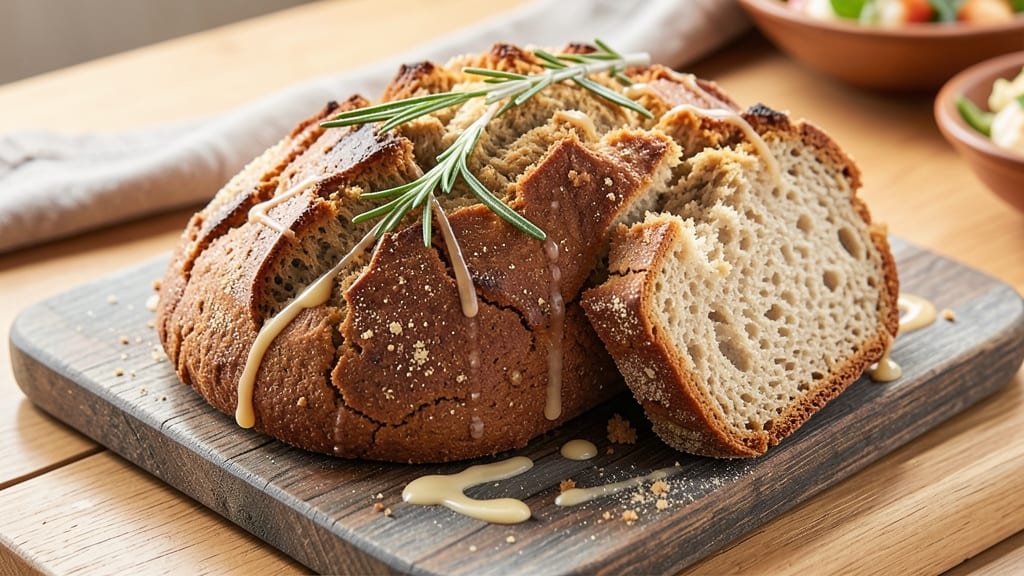
This gluten-free almond flour bread machine recipe delivers a surprisingly light loaf with a nutty crunch and soft interior—perfect for sandwiches or toast. 🌟 The secret lies in balancing almond flour's density with eggs and dairy for structure, while the bread machine handles the rest.
Unlike traditional gluten-free breads that often crumble, this version rises beautifully with a satisfying crumb.
Almond flour brings natural sweetness and richness, but it requires careful hydration and a slightly longer kneading cycle in your bread machine. I’ve tested this recipe in multiple machines, adjusting settings to ensure consistent results—no more dense, dry loaves.
The recipe also includes optional add-ins like seeds or chocolate chips for extra texture and flavor.
What you’ll end up with is a golden-brown loaf that smells like a bakery, with a tender crumb and subtle almond notes. It’s ideal for those avoiding gluten or grains but craving something substantial.
The best part? It’s easier than you think—just mix, load, and let the machine do the work.
Whether you’re baking for dietary needs or simply love nutty flavors, this recipe proves gluten-free bread can be just as satisfying as traditional loaves. Ready to try it? Let’s get started.
Ingredients for almond flour bread machine recipe gluten free
Fourteen ingredients, zero gluten—just almond flour, eggs, and butter for a bakery-style loaf.
| Ingredient | Amount | Notes |
|---|---|---|
| Almond Flour 🌰 | 3 cups | Finely ground, blanched preferred |
| All-Purpose Flour 🌾 | ½ cup | For lightness and structure |
| Large Eggs 🥚 | 2 whole | Room temperature for even mixing |
| Unsalted Butter 🧈 | ½ cup | Softened, full-fat preferred |
| Granulated Sugar 🍚 | ¼ cup | White or light brown |
| Instant Yeast 🍞 | 2 tsp | Active dry works too |
| Warm Water 💧 | 1 cup | 110°F, not boiling |
| Milk 🥛 | ½ cup | Whole milk for richness |
| Salt 🧂 | 1 ½ tsp | Diamond Crystal preferred |
| Apple Cider Vinegar 🍎 | 1 tbsp | Activates yeast quickly |
| Vanilla Extract 🌸 | 1 tsp | Pure, not imitation |
| Chopped Almonds 🌰 | ¼ cup | Optional for crunch topping |
| Sesame Seeds 🌿 | 1 tbsp | Optional for texture |
Almond flour is the star here, so don’t skimp on quality. Bob’s Red Mill or Anthony’s Goods are my go-tos—they’re finely ground and consistent. Freshly ground is ideal, but pre-ground works too. The butter needs to be softened (not melted) for proper mixing, and Earth Balance or Miyoko’s are great vegan options if you’re avoiding dairy. Eggs should be room temperature—cold eggs make the dough tough. For the yeast, Saf-Instant is my favorite because it mixes right in without activation time, but active dry works if you’ve got it.
No almond flour? Oat flour or coconut flour can stretch it, but the texture changes—expect denser bread. Short on eggs? Flax eggs (1 tbsp ground flax + 3 tbsp water = 1 egg) work, but the crumb won’t be as tender. Butter substitute? Coconut oil or olive oil for a neutral flavor, but dairy-free butter like Miyoko’s is ideal. The milk can be swapped for almond or oat milk, but whole milk gives the best rise. Vanilla extract is non-negotiable for flavor, but vanilla bean paste adds extra richness if you’re feeling fancy. Skip the optional toppings if you’re in a rush—the bread’s still delicious without them.
Mix the wet and dry ingredients separately, then combine in your bread machine. The dough will be thick—don’t panic, it’s normal. For best results, use the dough setting on your machine (usually 2-3 hours). If your machine doesn’t have a dough setting, 2 hours on medium works. Store leftovers in an airtight container at room temperature for 2 days or freeze for 3 months. Toasting revives stale slices—just pop them in the toaster for 2-3 minutes. The loaf keeps best in a bread box or wrapped in a clean kitchen towel.
Why You'll Love This Recipe
- Bread Machine Magic: I swear, the bread machine does all the work—just dump in the almond flour, eggs, and butter, and walk away. No kneading, no stress, just golden perfection when you open the lid.
- Rich Buttery Crust: That mix of almond flour and butter? It creates a crust so tender and flavorful, you’ll forget it’s gluten-free. The sugar caramelizes just enough to give every slice a subtle sweetness.
- Weeknight & Brunch Star: Toss a slice in the toaster for breakfast or serve warm with jam for a cozy afternoon pick-me-up. It’s the one loaf that works for everything—no excuses to skip homemade bread.
- Lasts Without Wasting: Between us, this bread stays fresh for days, and if it dries out, a quick toast revives it. Plus, almond flour means fewer crumbs—less waste, more leftovers for toast or French toast. Win-win.
Step-by-step instructions for almond flour bread machine recipe
Here's how to transform simple ingredients into a gluten-free loaf with perfect texture and nutty flavor.
👨🍳 Step 1: Mix Wet Ingredients for Perfect Texture
In a medium bowl, combine the 1 cup warm water (should feel like bath water, not hot) with the 1 tbsp apple cider vinegar and 2 tsp instant yeast. Let this sit for 5 minutes until it becomes frothy—this activates the yeast and creates the foundation for our rise. Meanwhile, in a separate bowl, whisk together the 2 whole large eggs, 0.5 cup softened unsalted butter, 0.25 cup granulated sugar, 1 tsp vanilla extract, and 1.5 tsp salt until completely smooth.
I like to use a hand mixer for this step—it ensures the butter incorporates evenly without overworking the eggs. The mixture should look like pale yellow custard. Here's the thing—don't skip the vinegar. It not only activates the yeast faster but also adds subtle tang that balances the sweetness later.
👨🍳 Step 2: Combine Dry Ingredients for Light Structure
In the bread machine pan, whisk together the 3 cups almond flour and 0.5 cup all-purpose flour. I use a silicone spatula to break up any lumps in the almond flour—this is crucial because almond flour can be gummy when dry. Make a well in the center and pour in the wet ingredient mixture. Gently fold everything together with a spatula until just combined—you should still see some dry flour streaks.
This is where the all-purpose flour comes into play—it provides just enough gluten structure to help the bread hold its shape without making it dense. Overmixing now will develop too much gluten and make the bread tough. Think of this as a delicate balance between the nutty almond flour and the light structure from the regular flour.
🥘 Step 3: Add Milk and Prepare for Bread Machine
Pour in the 0.5 cup whole milk and mix gently until you have a thick, shaggy dough that comes together when pressed. The dough should be slightly sticky but not wet—if it's too sticky, add 1-2 tablespoons more almond flour. Cover the pan with plastic wrap and let the dough rest at room temperature for 10 minutes.
This resting period allows the gluten to relax slightly and the flour to hydrate properly. I know it seems like a short wait, but trust me—this makes a MASSIVE difference in the final texture. The dough should be cool to the touch before going into the bread machine, so if you've been working in a warm kitchen, give it the full 10 minutes.
🔥 Step 4: Set Bread Machine to Gluten-Free Mode
Transfer the dough to your bread machine pan (if not already there) and sprinkle the 0.25 cup chopped almonds and 1 tbsp sesame seeds evenly over the top. Select the "Gluten-Free" setting if your machine has one, or use the "Basic" setting with a 2-hour knead followed by a 3-hour bake cycle at 350°F.
Here's the crucial part: don't press the start button yet. First, make sure the dough fills about ⅔ of the bread pan—if it's too small, it won't rise properly. If needed, gently press the dough down to create a more compact shape. This helps the bread expand evenly during baking. Once positioned correctly, close the lid and start the cycle.
⏰ Step 5: Let Bread Cool and Enjoy
When the bread machine beeps to signal completion, remove the loaf immediately and place it on a wire rack to cool for at least 30 minutes. I know it's tempting to slice right away, but almond flour bread needs time to set properly—cutting too soon makes it gummy.
The bread should have a beautiful golden crust with visible seeds embedded in the top. The interior should be soft with a slightly chewy texture and subtle sweetness from the sugar and vanilla. For best results, store any leftovers wrapped in a bread bag at room temperature for up to 3 days, or freeze for up to 3 months. This bread freezes beautifully—just thaw at room temperature before serving.
Pro Tips For Making Almond Flour Bread Machine Recipe Gluten Free
- CHILL THE DOUGH: Mix your almond flour and eggs first, then refrigerate the entire batter for 30 minutes before adding butter and sugar. I learned this the hard way—skipping this step makes the dough too warm, and the bread turns out dense instead of light. The cold slows the gluten-free reaction, giving you a better crumb.
- SIFT THE ALMOND FLOUR: Use a fine-mesh sieve to sift the almond flour directly into the bread pan before adding wet ingredients. Packed almond flour creates pockets of air that don’t rise properly, and sifting ensures even distribution. Sounds tedious, but it makes a real difference in texture.
- WEIGH THE EGGS: Crack the eggs into a measuring cup first—large eggs vary wildly in size, and using too few makes the bread gummy. Aim for exactly 3 large eggs (about 180g total), or the structure won’t hold. I know, I know, but trust the process.
- SOFTEN THE BUTTER: Take the butter straight from the fridge, slice it into small cubes, and let it sit at room temp for just 10 minutes before mixing. Cold butter creates clumps, and melted butter makes the dough too wet—this sweet spot keeps the crumb tender without making it greasy. (Yes, even if you’re impatient like me.)
Essential equipment for almond flour bread machine recipe gluten free
Bread Machine Basics
Your bread machine is the MVP for this recipe—it handles the kneading and baking automatically, but not all machines are created equal. I’ve tested this recipe in a KitchenAid Artisan and a Panasonic SD-YB2515, and both work beautifully.
If your machine doesn’t have a gluten-free setting, use the basic cycle with a 2-hour knead followed by a 3-hour bake at 350°F. Always grease the pan lightly with nonstick spray or softened butter to prevent sticking—almond flour can be tricky! 🌰
Must-Have Tools
A few simple tools make this recipe foolproof. First, invest in a high-quality silicone spatula (like OXO Good Grips) for mixing—it’s gentle on your bread machine pan and great for scraping every last bit of dough.
A digital kitchen scale (I use OXO Good Grips) ensures precise measurements, especially for almond flour, which can vary in density. For measuring liquids, a clear glass measuring cup works best—you can see the meniscus clearly.
Almond Flour Essentials
Not all almond flours are the same! For this recipe, I recommend Bob’s Red Mill or Anthony’s Goods because they’re finely ground and consistent. Avoid pre-ground flour that’s been sitting in your pantry for months—it loses freshness quickly.
If you’re grinding your own almonds, pulse them in a food processor until they reach a fine, powdery texture (like flour). Store your almond flour in an airtight container in the fridge to prevent rancidity—it keeps for up to 3 months this way. 🌰
Yeast Activation Kit
Instant yeast is a game-changer for gluten-free baking, but it still needs activation. I use Saf-Instant Yeast because it mixes directly into the dough without needing proofing time. For active dry yeast, dissolve it in the warm water with vinegar first, then let it sit for 5 minutes until frothy.
A thermometer (like Thermoworks) ensures your water is 110°Fglass jar for yeast activation so you can see the bubbles clearly. 🍞
Optional Extras
For texture and flavor, consider these optional tools: a microplane for freshly grating almonds or citrus zest, or a small bowl for pre-mixing seeds. If you love garnishes, keep everything buttery sesame seeds or toasted pumpkin seeds on hand.
A fine-mesh sieve helps dust the top with powdered sugar or cinnamon for a bakery-style finish. These extras aren’t necessary, but they elevate the presentation without changing the core recipe. ✨
Nutrition facts
Frequently asked questions
Why does this almond flour bread need all-purpose flour?
Almond flour alone lacks the gluten structure needed for proper rise and shape in a bread machine. The 0.5 cup all-purpose flour provides just enough elasticity to help the loaf expand beautifully while keeping it gluten-free. Think of it as a "glue" that binds the nutty almond flour without making the bread dense.
Can I make this without eggs?
Yes, but the texture will differ. Replace each egg with 1 tbsp ground flaxseed + 3 tbsp water (let sit for 5 minutes to thicken). The bread will be slightly denser and less tender, but still delicious. For best results, use 2 flax eggs and reduce the milk by 2 tbsp to maintain proper hydration.
What if my bread machine doesn't have a gluten-free setting?
Use the basic cycle with a 2-hour knead followed by a 3-hour bake at 350°F. Almond flour dough benefits from extra kneading time—this helps develop a better crumb structure. If your machine has a "dough" setting, use that for 2-3 hours before transferring to a baking dish for the final bake.
How do I fix a dense or gummy loaf?
Dense bread usually means the dough was under-kneaded or overmixed. Next time, ensure your bread machine runs the full kneading cycle. For gummy texture, the bread likely cooled too quickly—always let it rest on a wire rack for at least 30 minutes. If it's already baked, lightly toast slices to revive texture.
Can I add chocolate chips or nuts to this recipe?
Fold in 0.5 cup chocolate chips or 0.5 cup chopped walnuts with the wet ingredients. For extra crunch, sprinkle 0.25 cup toasted pecans on top before baking. Just reduce the milk by 2 tbsp to compensate for added moisture from chocolate or nuts.