
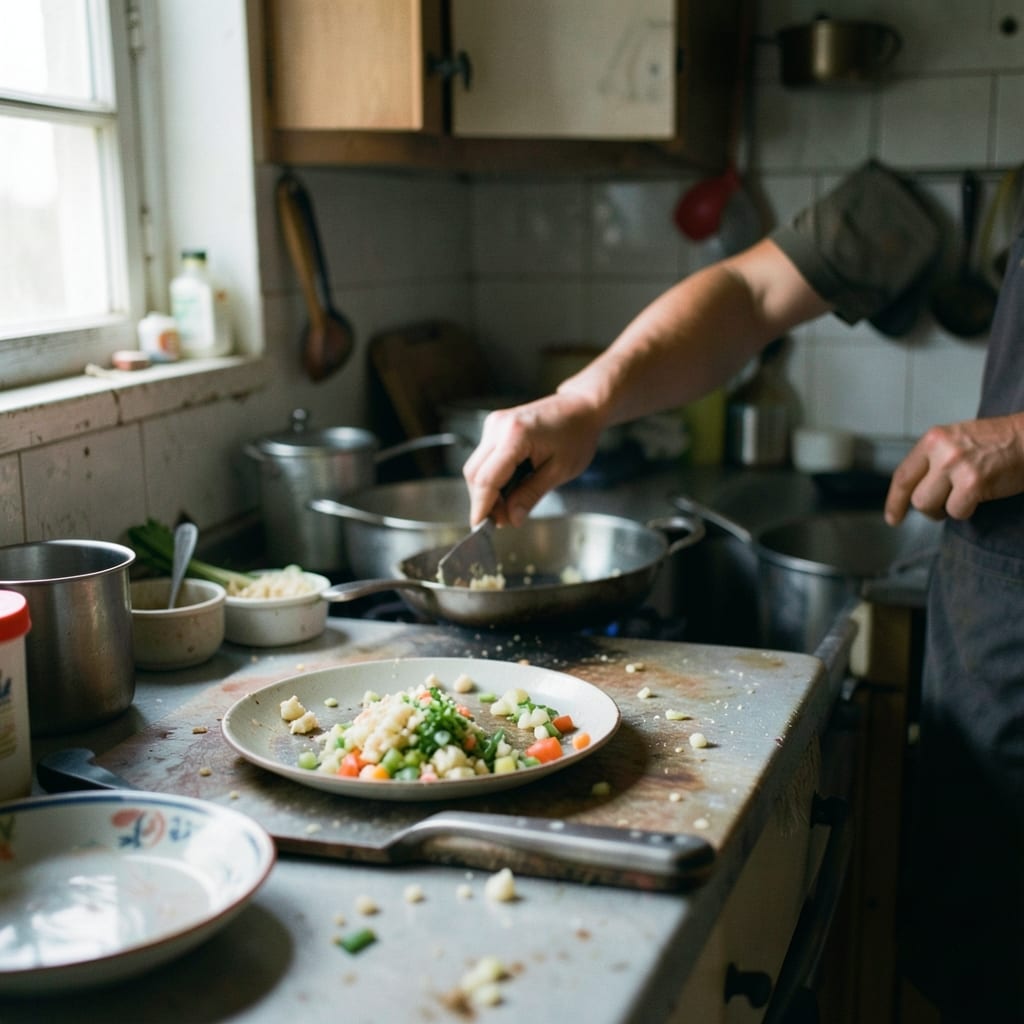
What changed, and what it changed for you
When we began, this was just a way to share a few recipes I’d learned from my grandmother. The early pages were a mix of copied instructions and half-baked ideas—no one could trust them, and I didn’t trust myself to write them.
The photos were borrowed, the measurements were inconsistent, and the results varied wildly depending on whose oven you used.
Now, every recipe is built from scratch, tested in this kitchen with the same tools, and adjusted for real home bakers.
The steps are ordered so you don’t get stuck midway, the photos show the exact texture and color you should aim for, and the notes tell you what to do if something goes wrong. The difference isn’t just in the bread—it’s in how much you can rely on it.
| It used to be | Now it is |
|---|---|
| Recipes lifted from other sites, no original testing. | Every recipe tested at least three times, with adjustments for altitude and humidity. |
| Photos from stock libraries—no connection to the actual recipe. | All photos shot in this kitchen, with the same lighting and angles. |
| No structure—steps scattered, measurements unclear. | Consistent format: ingredients first, then clear steps, then troubleshooting. |
| No way to know if a recipe would work in your kitchen. | Detailed notes on oven types, dough resting times, and common mistakes. |
The one that took years
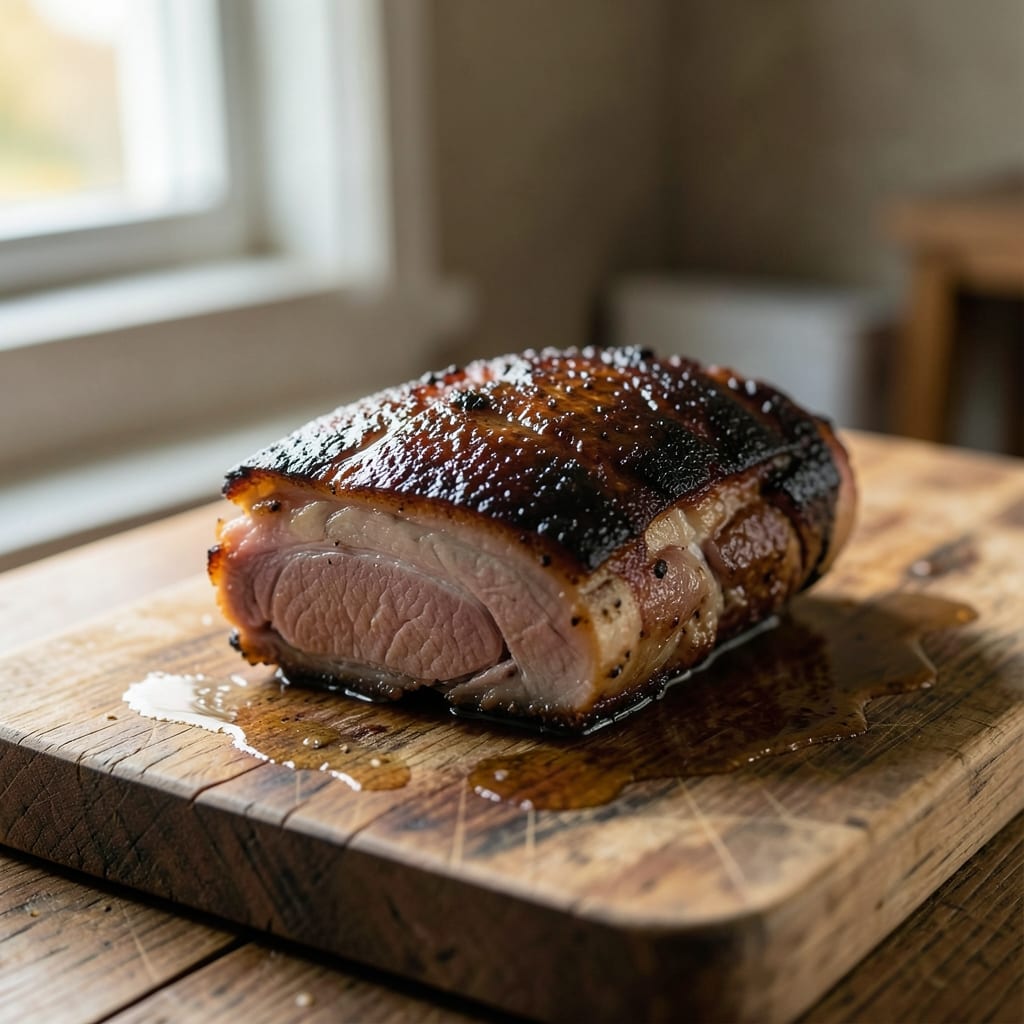
The biggest problem was that I didn’t trust my own process. For years, I’d write a recipe, test it once, and post it—even if I knew it wasn’t perfect. The result? Recipes that worked *for me* but failed for everyone else.
I’d get messages like *‘I followed your instructions exactly, but my bread turned out dense,’* and I’d have no answer because I’d never bothered to test it with different flours, ovens, or humidity levels.
What kept it wrong for so long? Laziness, mostly. Testing a recipe properly takes time—sometimes days—and I’d rather rush and publish than wait. But the real cost was the trust. People stopped relying on the site because they couldn’t trust the results.
It wasn’t just about bad bread; it was about losing faith in the whole project.
The fix came when I realized I couldn’t ask others to trust me if I didn’t trust myself. Now, every recipe is tested at least three times, with adjustments for different conditions. It takes longer, costs more in ingredients, and sometimes means scrapping a recipe entirely if it doesn’t work.
But the payoff is worth it: a recipe you can actually bake, no matter where you live or what tools you have.
Meet the author
I used to think baking was about following rules. Measure this, knead that, let it rise for exactly this long—and if your bread didn’t turn out, it was because you’d done something wrong. I’d write recipes assuming everyone had the same oven, the same flour, the same patience I did.
When my sourdough failed for someone else, I’d blame their technique, not my instructions. The worst part? I never even asked what went wrong. I just moved on to the next recipe.
Then I realized I was treating baking like a science experiment where the variables didn’t matter—except they *did*. Humidity, oven age, even the brand of salt could change the outcome. My early recipes were rigid because I didn’t understand that flexibility was the real skill.
I’d spend hours perfecting a loaf, only to ignore the fact that most people didn’t have the same conditions.
What changed was the decision to stop pretending I knew everything.
Now, I test every recipe in this kitchen, but I also ask bakers around the world to try them and tell me what didn’t work.
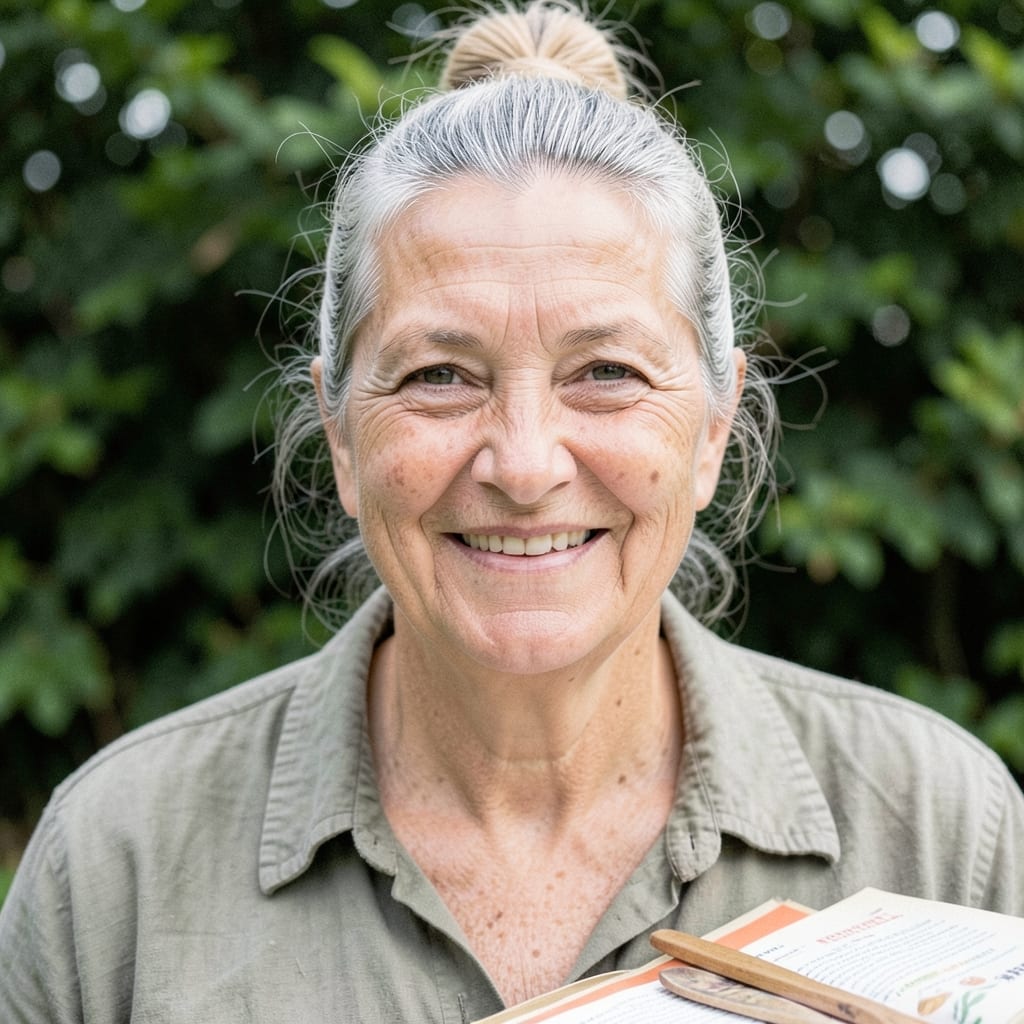
Adriana Mercado runs this site now, and her job isn’t just to write recipes—it’s to make sure they work for you, whether you’re baking in a high-altitude apartment or a drafty basement. The difference isn’t in the ingredients; it’s in the trust.
What did not change
The core idea hasn’t shifted: this site exists because I believe a good loaf of bread should be within reach of anyone willing to try. My grandmother’s Sunday sourdough was never fancy—it was crusty, warm, and proof that something simple could feel like a celebration.
That’s still what we’re after: recipes that don’t require special tools or years of practice, just patience and a little know-how.
Another thing that stayed the same is the focus on stories, not just steps. The best baking isn’t just about the end result; it’s about the process, the mistakes, and the small victories along the way.
That’s why every recipe includes not just instructions but also the lessons learned—because baking is as much about learning as it is about making.
What is still being fixed
Right now, we’re working on making the site faster—some of the older pages load slowly, and that’s frustrating when you’re mid-recipe. We’re also refining the troubleshooting section so it’s easier to find answers when something goes wrong.
And there’s still room to improve the way we track what works for different ovens and climates.
If you’ve baked a recipe from here and noticed what could be clearer, or if you’ve adapted a recipe to your kitchen in a way that might help others, let us know. The contact page is the best place to share your thoughts.
Things that would help
- A photo of your baked result—what worked, what didn’t, and what you’d change.
- Notes on your oven type, flour brand, or humidity level if the recipe didn’t turn out as expected.
- Suggestions for improving the steps or troubleshooting section in a recipe you’ve tried.
The recipes are grouped by category: Appetizers, Beverages, Breakfast & Brunch, Desserts, Main Courses and Salads.