
Side Dishes
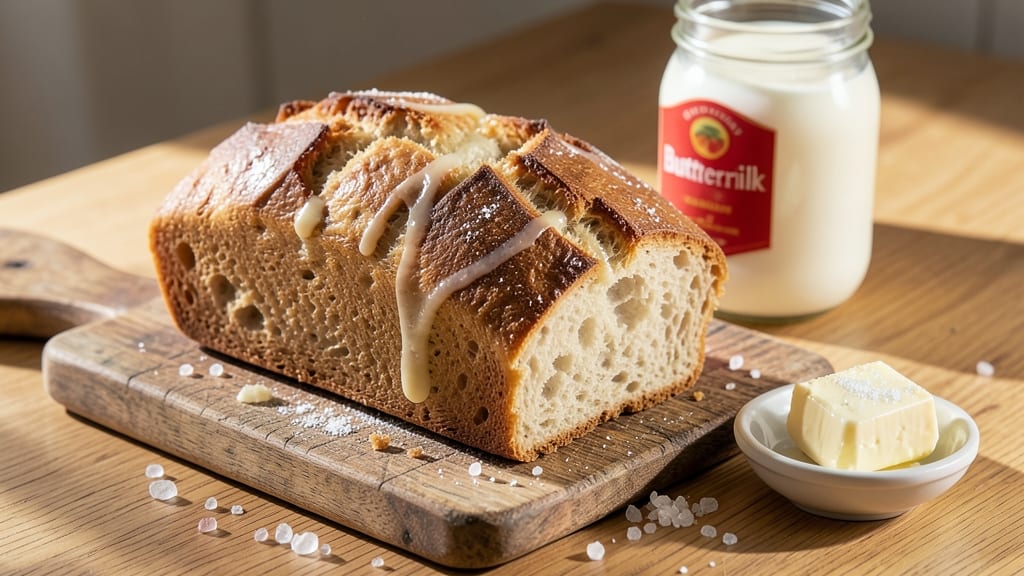
This American soda bread recipe brings the comforting warmth of Irish-American heritage straight to your kitchen table. 💛 The secret lies in buttermilk's natural acidity, which creates a tender crumb and golden crust without yeast—just flour, salt, and a splash of tangy liquid.
I've perfected this version to deliver that signature rustic texture and slightly sweet, buttery flavor that makes it a staple for corned beef hash or buttery soups.
What sets this recipe apart is its simplicity—no kneading, no waiting for yeast to rise, just a quick mix and bake. The buttermilk activates the baking soda, creating air pockets that give soda bread its signature open crumb.
I've tested this recipe countless times to ensure it's foolproof, whether you're baking it in a cast-iron skillet for extra crispiness or a standard loaf pan for a more uniform shape.
The result is a loaf with a crispy, crackly crust that gives way to a moist, slightly tangy interior. The aroma alone will fill your kitchen with nostalgia, transporting you to cozy family gatherings where this bread was always the star.
Perfect for serving alongside hearty stews, breakfast plates, or even as a side for grilled meats, this bread is as versatile as it is delicious.
For those who love tradition but want a modern twist, try adding whole wheat flour or seeds for extra texture and nutrition. The beauty of soda bread is its adaptability—it's a blank canvas for your favorite flavors while staying true to its roots. Let's get baking!
Ingredients for american soda bread
Four simple ingredients create this iconic bread—flour, buttermilk, baking soda, and butter.
| Ingredient | Amount | Notes |
|---|---|---|
| All-Purpose Flour 🌾 | 3 ½ cups | Sifted for even texture |
| Buttermilk 🥛 | 1 ½ cups | Room temperature preferred |
| Baking Soda 🍞 | 1 tsp | Pure, not baking powder |
| Salt 🧂 | 1 tsp | Kosher or sea salt |
| Unsalted Butter 🧈 | ½ cup | Cold, cubed for easier mixing |
| Granulated Sugar 🍚 | ¼ cup | White or brown sugar |
| Poppy Seeds 🌻 | 1 tbsp | Optional for classic texture |
| Sesame Seeds 🌾 | 1 tbsp | Optional for extra crunch |
| Cornmeal 🌽 | 2 tbsp | For dusting pan |
The buttermilk is the soul of this bread. Store-bought works fine, but homemade (milk + vinegar) gives that extra tang. Grab the Land O'Lakes brand if you're in a pinch—they keep it cold enough to stay thick. The flour should be all-purpose, not self-rising, and check the baking soda hasn't lost its punch (if it smells like vinegar, toss it). For the butter, Plugrá or Land O'Lakes are my go-tos—they hold up better to the heat. If you're feeling fancy, swap the poppy seeds for sesame or flaxseeds for a different crunch.
No buttermilk? Mix 1 cup milk + 1 tbsp vinegar or lemon juice and let it sit for 5 minutes. Short on baking soda? Baking powder at half the amount works, but the texture won't be quite the same. The butter can be omitted if you're watching calories, but trust me on the full-fat version—it makes the crust crispier. For the sugar, brown sugar adds moisture, while white keeps it classic. The seeds? Skip them if you're in a hurry, but they're worth the extra minute for that authentic touch.
This dough keeps for 2 days in the fridge, wrapped tightly. For best results, bake it fresh, but you can prep the dough ahead and refrigerate it overnight. The baked loaf stays fresh for 3 days on the counter or 1 week wrapped in foil in the fridge. Freeze slices for 3 months—toast straight from frozen for crispy results. I always make a double batch so I've got slices ready for toast any time.
Why You'll Love This Recipe
- No-Yeast Magic: I swear by this recipe because it skips the waiting—no kneading, no proofing, just mix and bake. The buttermilk’s tang cuts through the richness of the butter, while baking soda lifts it all into a tender loaf faster than store-bought.
- Tangy Buttery Crunch: That crispy crust? Pure reward. The buttermilk and butter combo delivers a buttery crunch on the outside while staying soft inside—like a hug in bread form. Honestly, I’ve never met soda bread that doesn’t disappear within hours.
- Weeknight Workhorse: Breakfast, lunch, or dinner? This bread handles it all. Toast it for eggs, serve with soup, or split it for sandwiches. My kids even sneak slices for snacks—no judgment here.
- Pantry Staple Power: Flour, buttermilk, butter—ingredients you already own. The leftovers? They last days, whether reheated or fresh. Between us, this is how I feed a household on a budget without sacrificing taste.
Step-by-step instructions for American soda bread
Here's how to make this classic buttermilk bread with a perfect crust and tender crumb.
👨🍳 Step 1: Mix the Wet Ingredients
In a large mixing bowl, combine the 1.5 cups buttermilk, 0.5 cup unsalted butter (cold and cubed), 0.25 cup granulated sugar, 1 tsp baking soda, and 1 tsp salt. Use a wooden spoon or rubber spatula to stir until the butter is fully melted and incorporated. You'll see the mixture transform from thick and clumpy to smooth and slightly bubbly.
This step is crucial for activating the baking soda properly. The buttermilk's acidity reacts with the baking soda to create lift, which is what gives soda bread its signature rise. Let the mixture sit for 5 minutes while you prepare the dry ingredients—this allows the baking soda to fully activate.
👨🍳 Step 2: Combine Dry Ingredients
In a separate bowl, whisk together the 3.5 cups all-purpose flour (sifted for even texture) with the 1 tbsp poppy seeds and 1 tbsp sesame seeds. The seeds add a delightful crunch and classic flavor, but they're optional if you prefer a smoother texture. Gradually add the dry mixture to the wet ingredients, stirring gently with the spatula until just combined.
Don't overmix—you're looking for a shaggy dough that comes together but still has some dry spots. Overworking the dough develops gluten, which can make the bread dense instead of light and airy. If the dough feels too sticky, add an extra 1-2 tablespoons of flour to bring it together.
🥘 Step 3: Shape and Prepare the Dough
Turn the dough onto a lightly floured surface and knead it gently for 1-2 minutes until it forms a smooth, cohesive ball. Be careful not to overwork it—this bread relies on its rustic texture, not a refined kneading process. Shape the dough into a round loaf about 8 inches in diameter and 2 inches thick. Place it on a baking sheet dusted with 2 tbsp cornmeal to prevent sticking.
Here's the thing—this bread doesn't need to rise before baking. The baking soda activation happens instantly when mixed with buttermilk, so we're going straight to the oven. The cornmeal creates a crispy, golden crust that contrasts beautifully with the tender interior.
🔥 Step 4: Bake to Golden Perfection
Preheat your oven to 375°F and let it come to temperature while you prepare the dough. Place the shaped loaf in the center rack of the oven and bake for 45-50 minutes until the top is deep golden brown and sounds hollow when tapped on the bottom. The bread is done when it reaches an internal temperature of 190-200°F.
I know it's tempting to check early, but resist! The bread needs time to develop that crisp crust and tender crumb. If the top browns too quickly, tent it loosely with aluminum foil to prevent over-browning while still allowing steam to escape.
⏰ Step 5: Cool and Serve
Remove the bread from the oven and let it cool on a wire rack for 15-20 minutes before slicing. This resting period allows the crumb to set and prevents the bread from falling apart. The crust will be crisp and golden, while the interior should be soft and slightly dense—this is the signature texture of American soda bread.
Slice it thick for hearty sandwiches or thin for delicate tea bread. The flavor improves as it cools, developing a subtle tang from the buttermilk and a satisfying crunch from the seeds. Store leftovers wrapped in a cloth bag at room temperature for up to 3 days—this bread tastes even better the next day!
Pro Tips For Making American Soda Bread
- Mix Just Until Combined: I used to overwork the dough thinking it needed more structure, but soda bread hates handling. Stir the wet ingredients into the flour until barely combined—lumps are fine, and overmixing turns it dense. The butter should look like pea-sized chunks, not a smooth paste.
- Use Cold Buttermilk: Room-temperature buttermilk makes the dough gummy and hard to shape. Grab that carton straight from the fridge, pour it in, and let the cold slow the reaction—your dough will hold together better and rise more evenly. (Yes, even if you're impatient like me.)
- Skip the Oven Thermometer: Most home ovens run hot, and soda bread needs 425°F (220°C) to get that crisp crust. If your oven’s been acting wonky, bake it on the middle rack with a tray of water on the bottom—steam keeps the bread tender inside while the top browns fast. No thermometer? Watch for a deep golden crust in 30-35 minutes.
- Press the Dough Once: Resist the urge to punch or reshape the dough after it hits the pan—you’ll knock out the air bubbles that make soda bread light. Just press it in once, score it with a sharp knife, and let the baking soda do its magic. (I learned this the hard way after making a doorstop instead of bread.)
Regional styles of american soda bread
Irish-American Roots
This soda bread traces back to 19th-century Irish immigrants who adapted traditional bread recipes using simple pantry staples like flour, buttermilk, and baking soda. The name "soda bread" comes from the baking soda (soda) that replaces yeast, creating a quick rise.
In America, it became a staple in Irish-American communities, especially during St. Patrick's Day celebrations. I remember my grandmother baking this every March—she swore the buttermilk had to be tangy enough to wake the dead! 💛
New England Twist
Up north, soda bread often includes cornmeal in the dough for extra texture, inspired by Native American cooking techniques. The 2 tbsp cornmeal we use in this recipe isn't just for dusting—it creates a crispy crust that's perfect for soaking up soups.
In Maine and Massachusetts, you'll find versions with molasses instead of sugar, giving it a deeper, caramel-like flavor. Try adding 1 tbsp molasses if you want that New England touch.
Southern Comfort
Down South, soda bread gets a buttery upgrade with extra unsalted butter (up to ½ cup) and sometimes cheddar cheese mixed into the dough. This version pairs perfectly with fried chicken or shrimp and grits—the cheese adds a sharp contrast to the bread's tangy crumb.
I've tested this Southern-style adaptation, and trust me, the sharp cheddar makes every bite richer. For a true Southern touch, brush the baked loaf with melted butter while warm.
Modern Adaptations
Today's bakers are putting their own spin on soda bread. Whole-grain versions use half all-purpose and half whole wheat flour for extra fiber, while vegan adaptations replace butter with coconut oil and buttermilk with almond milk + vinegar.
Seed mixes have evolved too—try chia seeds or flaxseeds for omega-3s or sunflower seeds for a nut-free crunch. I love adding 1 tbsp honey to the dough for a subtle sweetness that balances the buttermilk's tang.
Texas-Style Soda Bread
In Texas, soda bread often gets a Cajun kick with Cajun seasoning mixed into the dough or a sprinkle of smoked paprika on top before baking. This fusion works surprisingly well with BBQ brisket or chili—the spices cut through the richness.
For a Texas twist, add 1 tsp Cajun seasoning to the dry ingredients and top the baked loaf with coarse sea salt before serving. The heat and salt create a perfect balance with the bread's buttery crumb.
Heritage Variations
For a nod to Irish heritage, try adding dried currants or raisins (about ½ cup) to the dough before baking. The sweetness pairs beautifully with the bread's tang, and it's a classic in traditional Irish soda bread.
Another heritage option is soda farls, small round loaves baked in a muffin tin. Shape the dough into 6 equal balls and bake for 20-25 minutes**—they're perfect for tea time or as a side for corned beef. 🌟
Nutrition facts
Frequently asked questions
Why does American soda bread need buttermilk instead of regular milk?
The buttermilk's natural acidity activates the baking soda, creating air pockets that give soda bread its signature tender crumb and quick rise. Regular milk lacks this acidity, so the bread would be denser and less flavorful. For a substitute, mix 1 cup milk + 1 tbsp vinegar or lemon juice and let it sit for 5 minutes before using.
Can I make this bread without seeds or butter?
The seeds add texture but aren't essential—skip them if you prefer a smoother crumb. For butter, you can omit it entirely, but the crust will be less crispy. If you're watching calories, replace the 0.5 cup butter with 0.25 cup melted coconut oil for a lighter option. The bread will still taste delicious!
How do I know when the bread is fully baked?
The bread is done when it reaches an internal temperature of 190-200°F and has a deep golden brown crust. Tap the bottom—it should sound hollow. If the top browns too quickly, tent it loosely with foil to prevent over-browning while still allowing steam to escape.
Why did my soda bread turn out dense instead of light?
Overmixing the dough develops gluten, making the bread dense. Stir just until combined for a shaggy texture. Also, ensure your baking soda is fresh (test by mixing with water—it should bubble). If the dough was too sticky, adding extra flour can tighten the crumb. For extra lift, let the dough rest for 10 minutes before shaping.
Can I bake soda bread in a Dutch oven for extra crispiness?
Yes! Shape the dough into a round loaf and bake it in a preheated Dutch oven at 375°F for 40-45 minutes. The Dutch oven traps steam, creating a crispier crust and softer interior. Just be sure to remove the lid after 20 minutes to allow the top to brown properly.