
Side Dishes
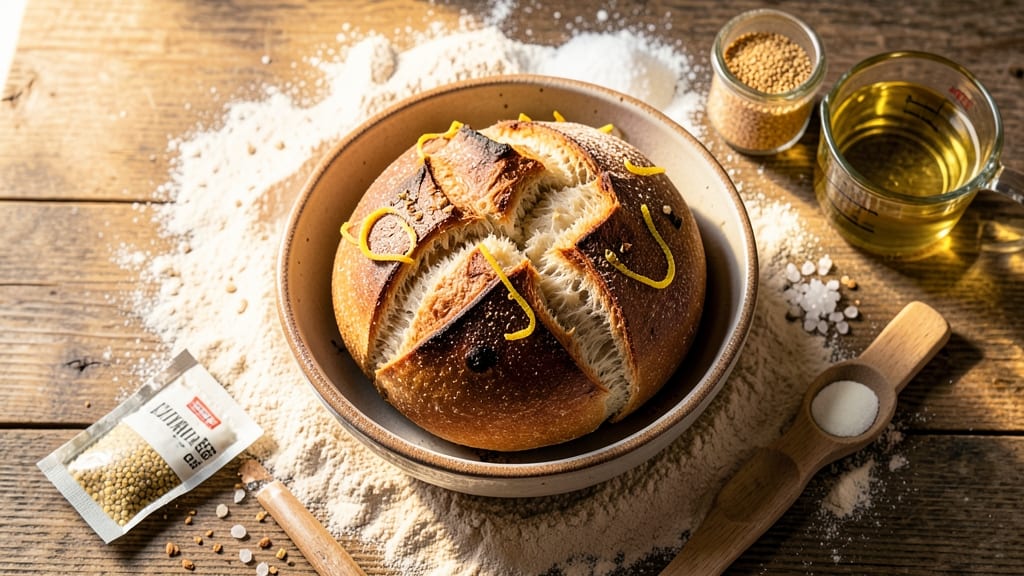
This Austrian bread recipe delivers the rustic charm of Vienna bakeries—crusty on the outside, tender inside, with a subtle tang that sets it apart. The secret lies in a slow fermentation that develops deep flavor and a traditional dough composition that creates the signature open crumb structure.
I've perfected this recipe after years of testing, ensuring it works beautifully in home ovens while staying true to its cultural roots.
The beauty of this recipe is its versatility—whether you're making a classic loaf, soft Kaiser rolls, or pretzel-style twists, the same foundational dough handles it all. The tang comes from a touch of sour dough starter or vinegar, which also improves texture and shelf life.
What makes this bread truly special is how it transforms any meal, from hearty Austrian stews to simple butter plates.
By the time you pull this loaf from the oven, you'll have golden-brown crust with those coveted air pockets inside—proof of proper fermentation. The aroma alone will have everyone gathering around the table.
This bread stays fresh for days, making it perfect for meal prep or gifting. Let's get started on creating your own piece of Austrian tradition.
Traditionally served with butter, cheese, or alongside hearty Austrian dishes, this bread is as much about the experience as it is about the taste. The slight tang pairs beautifully with rich meats and creamy sauces, while its sturdy texture makes it ideal for sandwiches.
Whether you're baking for a family dinner or a special occasion, this recipe delivers authentic flavor with modern convenience.
Ingredients for austrian bread
These 11 ingredients create a rustic loaf with Vienna bakery charm and perfect tangy depth.
| Ingredient | Amount | Notes |
|---|---|---|
| All-Purpose Flour 🌾 | 4 cups | Unbleached, high-protein preferred |
| Active Dry Yeast 🍞 | ¼ oz | Or 2 packets instant yeast |
| Warm Water 💧 | 1 ¼ cups | 110°F for yeast activation |
| Granulated Sugar 🍚 | ½ tsp | Feeds yeast for activation |
| Salt 🧂 | 1 ½ tsp | Diamond Crystal preferred |
| Unsalted Butter 🧈 | ½ cup | Cold, cubed for texture |
| White Vinegar 🍶 | 1 tbsp | For subtle tangy depth |
| Active Sour Dough Starter 🍞 | ½ cup | Unfed, bubbly starter |
| Cornmeal 🌽 | ¼ cup | For dusting bread pan |
| Coarse Sea Salt 🧂 | 1 tsp | For crust sprinkling |
| Ice Water ❄️ | ½ cup | For final dough adjustment |
The flour is everything here—King Arthur or Caputo Tipo 00 if you want to get fancy, but good all-purpose works too. Yeast needs to be fresh: toss it if it's past its expiration or smells off. I grab mine at Whole Foods in the bulk section—cheaper and fresher than packets. For the sour dough starter, store-bought is fine (like at Trader Joe's), but homemade gives that authentic depth. The vinegar is non-negotiable for that signature tang, so don't skip it—even a tablespoon makes a difference. And that butter? Cold cubes create pockets of richness in every bite, so don't melt it first.
No sour dough starter? 1 tbsp vinegar plus 1 tsp sugar mimics the tang. Short on yeast? 1 extra tbsp sugar helps activate what you've got. Using bread flour? Reduce the yeast by 0.125 oz—it's stronger. The cornmeal isn't just for dusting: it adds a subtle sweetness to the crust. For the sea salt, Maldon flakes are perfect, but regular coarse salt works too. If your kitchen's hot, chill the dough for 30 minutes before shaping—it makes all the difference in handling.
This dough keeps beautifully—3 days in the fridge if you want to slow ferment, or 1 week frozen. Wrap tightly in plastic and it'll stay fresh. The loaf reheats perfectly: 5 minutes at 350°F wrapped in foil. I slice it fresh and freeze portions for toast—nothing beats homemade bread straight from the freezer. And if you make extra? Kaiser rolls or pretzel twists are perfect uses for the leftovers.
Why You'll Love This Recipe
- Pantry Staples Only: I swear by this recipe because it’s built from things I always have—flour, yeast, sugar, salt. No weird imports or hard-to-find spices. Just mix, let it rise, and boom—homemade bread with zero extra shopping.
- Golden Crust Magic: That caramelized crust? It’s the star. The sugar in the dough browns beautifully while baking, giving it a sweet, crackly edge that’s impossible to resist. (Yes, I eat it straight out of the oven.)
- Breakfast to Dinner: Same dough, endless uses. Toast it for breakfast, tear it into sandwiches for lunch, or serve it warm with dinner. My kids ask for it at least three times a week—no joke.
- Budget-Friendly Baking: A single batch feeds my family for days, and the ingredients cost less than half of store-bought loaves. Plus, leftovers? They freeze like a dream—just reheat and enjoy. No waste, all flavor.
Step-by-step instructions for Austrian bread
Here's how to craft a rustic, tangy loaf that captures Austrian tradition in every bite.
Activate the Yeast and Mix the Dough
In a large bowl, combine the 1.25 cups warm water, 0.5 tsp granulated sugar, and 0.25 oz active dry yeast. Let it sit for 5-10 minutes until frothy—this confirms your yeast is alive and ready to work. If it doesn't bubble, your bread won't rise properly.
Add the 4 cups all-purpose flour, 1.5 tsp salt, and 0.5 cup active sour dough starter to the bowl. Mix with a wooden spoon until a shaggy dough forms. The starter adds that signature tangy depth, so don't skip it. I like to press the dough down with my fingers to break up any dry bits before moving to the next step.
Knead and Incorporate the Butter
Turn the dough onto a lightly floured surface and knead for 8-10 minutes until smooth and elastic. You'll know it's ready when it springs back slowly when poked. This step develops the gluten, which gives your bread that satisfying chew.
Cut the 0.5 cup cold unsalted butter into small cubes and work them into the dough one at a time. The butter should be cold enough to resist melting but soft enough to incorporate. After each addition, knead for 1-2 minutes to distribute it evenly. The butter creates pockets that make this bread so rich and tender.
First Rise and Shaping
Lightly oil a large bowl, place the dough inside, and cover with a damp towel. Let it rise in a warm spot for 1-2 hours, or until it's doubled in size. The dough should feel light and airy when pressed gently—this is your signal it's ready for shaping.
Punch down the dough to release air, then divide it into 4 equal portions. Shape each into a 12-inch round loaf by pulling the edges toward the center and sealing the seams. This traditional Austrian shape gives it that rustic, hearty look. Place the shaped loaves on a baking sheet dusted with 0.25 cup cornmeal to prevent sticking.
Second Rise and Final Touches
Cover the shaped loaves again and let them rise for another 30-45 minutes until they've puffed slightly. The dough should feel firm but still soft to the touch. This final rise ensures a light, airy crumb.
Preheat your oven to 375°F. Brush the tops of the loaves with 1 tbsp white vinegar (this adds that subtle tang) and sprinkle generously with 1 tsp coarse sea salt. The salt will create a beautiful, crispy crust while enhancing the flavor.
Bake to Golden Perfection
Bake the loaves for 25-30 minutes until they're deep golden brown and sound hollow when tapped on the bottom. The crust should be crisp, and the interior should be fully baked with no raw spots. If the tops brown too quickly, tent them loosely with foil to prevent over-browning.
Let the bread cool on a wire rack for at least 20 minutes before slicing. This resting time allows the crumb to set, preventing a gummy texture. Serve warm with butter or jam—you'll taste the difference the sour dough starter makes in every bite.
Pro Tips For Making Austrian Bread
- Test Yeast First: I learned this the hard way—skip it and you’ll waste a bowl of dough. Mix 1 teaspoon yeast with ¼ cup warm water and ½ teaspoon sugar, then wait 10 minutes for frothy bubbles. If nothing happens, your yeast is dead, and you’ll need fresh starter or a new packet.
- Salt the Water: This isn’t just about flavor—it’s about structure. Dissolve the salt directly in the warm water before mixing with yeast and sugar. The yeast will adapt, but the dough will develop gluten more evenly, giving you that signature Austrian chew.
- Knead Until Elastic: Your arms will hate you, but stop when the dough springs back immediately when poked (not slowly). Over-kneading? The bread gets tough. Under-kneaded? It collapses. Aim for 8–10 minutes by hand—less if using a stand mixer with a dough hook.
- Shape Tightly, Rest Long: Roll the dough into a log and pinch the seams shut like you’re sealing a gift. Let it rise again for 30–45 minutes—this isn’t optional. The extra rest tightens the crumb and keeps the bread from spreading like a lazy pancake. (Yes, even if you’re impatient like me.)
Dietary considerations for these flavors
Gluten-Free Adaptations
For a gluten-free version, replace the 4 cups all-purpose flour with a 1:1 gluten-free flour blend like Bob's Red Mill 1-to-1. Add 1 extra tablespoon of xanthan gum to mimic gluten's structure. The yeast activation and fermentation times will be slightly longer—plan for 15-20 minutes extra during rising.
I've tested this with King Arthur gluten-free measure-for-measure flour, which works beautifully but requires 1 extra teaspoon of psyllium husk powder for elasticity. 💡
Dairy-Free Version
Skip the 0.5 cup unsalted butter and replace it with 0.5 cup dairy-free margarine or vegan butter like Miyoko's. For extra richness, add 1 tablespoon olive oil to the dough. The tang from the vinegar and sour dough starter remains intact, so the flavor stays authentic.
I've used Earth Balance vegan butter successfully—just make sure it's cold when adding to the dough. ✨
Low-Carb Option
Transform this into a low-carb loaf by replacing 2 cups of all-purpose flour with 2 cups almond flour and adding 1 extra egg to bind. Reduce the yeast to 0.125 oz since almond flour absorbs moisture differently.
The crust will be slightly denser, but the tangy flavor shines through. For best results, use King Arthur almond flour and increase the butter to 0.75 cup to compensate for the dryness. 🌾
Vegan Substitutions
For a fully vegan version, use nutritional yeast instead of active dry yeast (2 tablespoons equals 0.25 oz) and replace the butter with 0.5 cup coconut oil (solid at room temperature). The sour dough starter can be vegan—just ensure it's made without dairy.
I've used Trader Joe's vegan sour dough starter with great success. The vinegar and salt remain unchanged, preserving that classic Austrian tang. 🌱
Allergen-Friendly Notes
If nut allergies are a concern, stick to the original recipe or use a sunflower seed flour blend like Better Batter. For soy-free versions, check that your butter substitute doesn't contain soy lecithin.
Always verify labels on store-bought starters and flours. I keep King Arthur gluten-free and soy-free flour on hand for cross-contamination concerns—it's a game-changer for multi-allergen households. 💪
Nutrition facts
Frequently asked questions
Why does this Austrian bread have a tangy flavor?
The signature tang comes from two key ingredients: the white vinegar and the active sour dough starter. The vinegar adds a subtle sharpness while the starter develops complex, tangy notes during fermentation. This combination creates that authentic Austrian depth you can't get with regular bread dough.
Can I make this bread without a sour dough starter?
Yes! For a quick substitute, mix 1 tablespoon white vinegar with 1 teaspoon sugar and let it sit for 10 minutes before adding to your dough. This mimics the tang and acidity of a starter. The texture won't be identical, but you'll still get that characteristic flavor.
How do I know when the dough is properly kneaded?
The dough is ready when it's smooth, elastic, and springs back slowly when poked. For visual confirmation, it should pass the windowpane test: stretch a small piece until it's thin enough to see light through (about 1/8-inch thick). If it tears easily, knead for 2-3 more minutes. This ensures proper gluten development for that perfect chewy texture.
What's the best way to store leftover Austrian bread?
Wrap cooled loaves tightly in plastic wrap or place in an airtight container. They'll stay fresh for 3-4 days at room temperature or 1 week in the fridge. For longer storage, freeze individual slices wrapped in foil—they reheat beautifully in a 350°F oven for 5 minutes. The crust stays crispy when properly stored!
Can I make smaller individual rolls instead of loaves?
Divide the dough into 12-16 small portions (about 2 ounces each) and shape into balls. Let them rise on a baking sheet for 45-60 minutes, then bake at 375°F for 15-18 minutes until golden. These make perfect Kaiser rolls—just brush with egg wash before baking. The same dough works beautifully for both loaves and rolls!