
Side Dishes
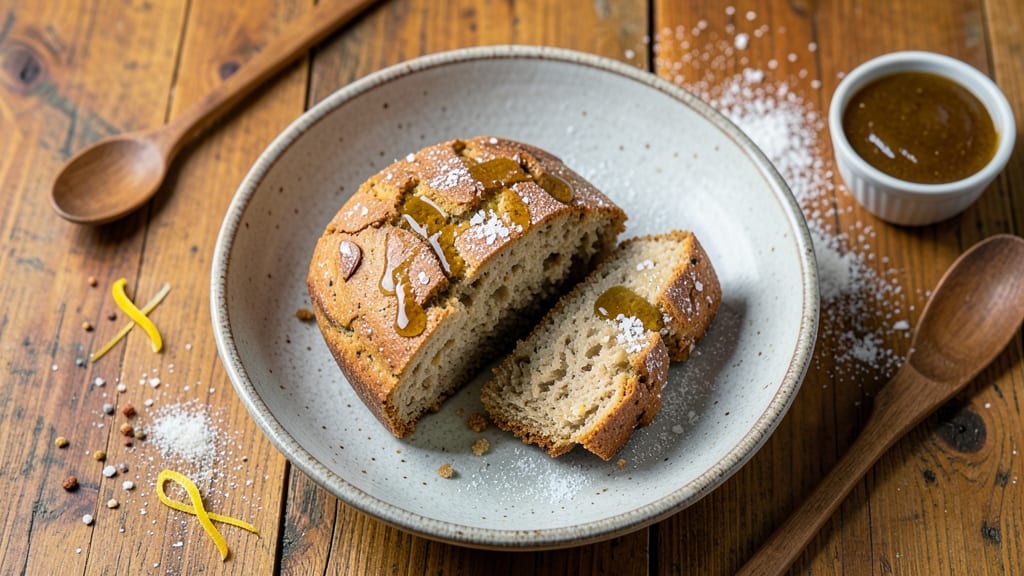
This almond flour no-yeast bread recipe delivers a surprisingly light, airy loaf without the hours-long rising time. The secret lies in a precise blend of almond flour, baking powder, and a touch of psyllium husk—creating structure and lift without yeast.
I've baked this for gluten-free gatherings where texture matters most, and it never disappoints.
The magic happens in the mixing: almond flour's natural oils need careful incorporation to avoid greasiness, while the psyllium husk binds everything together like a natural gluten substitute.
No yeast means no waiting, but the result is a bread with a tender crumb and subtle nutty flavor that pairs beautifully with soups or as a sandwich base.
Baking time is just 45 minutes at 350°F, with a steam trick that ensures a crispy crust and even rise. The loaf stays moist for days when wrapped properly, making it perfect for meal prep.
For extra richness, brush with melted butter or olive oil after baking—though it's delicious plain too.
This recipe works beautifully as a side for holiday meals or as a base for open-faced sandwiches. The nutty flavor complements both sweet and savory toppings equally well. Let's get started on creating your perfect no-yeast loaf.
Ingredients for almond flour bread recipe no yeast
Nine simple ingredients create a light, airy almond flour loaf without yeast or waiting.
| Ingredient | Amount | Notes |
|---|---|---|
| Almond Flour 🌰 | 3 cups | Blanched, finely ground preferred |
| Psyllium Husk Powder 🌾 | 1 ½ tbsp | Pure, unsweetened variety |
| Baking Powder 🧂 | 1 ½ tsp | Aluminum-free for best rise |
| Salt 🧂 | ½ tsp | Fine sea salt preferred |
| Ground Flaxseed 🌱 | 1 tbsp | For binding, mixed with water |
| Water 💧 | ½ cup | Room temperature preferred |
| Apple Cider Vinegar 🍎 | 1 tbsp | For acidity and rise |
| Coconut Oil 🥥 | ¼ cup | Melted, full-fat preferred |
| Sugar 🍚 | 2 tbsp | Granulated, optional for sweetness |
| Vanilla Extract 🌸 | ½ tsp | Pure, alcohol-free preferred |
| Baking Soda 🧂 | ½ tsp | For extra lift |
| Olive Oil 🫒 | 1 tbsp | Extra-virgin for brushing |
Almond flour is the star here—Bob's Red Mill or Anthony's Goods are my go-tos for consistency. The psyllium husk is non-negotiable: it mimics gluten's binding power. Now Foods sells a pure powder that dissolves easily in water. For the baking powder, Clabber Girl aluminum-free is my go-to—it ensures a proper rise without metallic aftertaste. If you're using store-brand almond flour, pulse it in a food processor for 10 seconds to break up any clumps. The coconut oil should be melted but not hot—just warm enough to blend smoothly.
No psyllium husk? Ground chia seeds at double the amount work in a pinch, but texture will differ slightly. Short on almond flour? Cashew flour at 1:1 ratio adds richness but may make the bread denser. The apple cider vinegar can be swapped for lemon juice at the same amount, though flavor will shift slightly. For extra moisture, add 1 tbsp aquafaba (chickpea brine) to the wet ingredients. The sugar is optional—omit entirely for a neutral flavor or use maple syrup at half the amount for subtle sweetness.
This dough keeps for 3 days in the fridge, wrapped tightly in plastic. For longer storage, freeze the shaped loaf for up to 3 months. Thaw overnight in the fridge before baking. The baked loaf stays fresh for 5 days when wrapped in a clean kitchen towel. Brush with olive oil after baking for extra richness, or serve plain to let the nutty almond flavor shine. Slice thinly for sandwiches—this bread holds up beautifully to both sweet and savory toppings.
Why You'll Love This Recipe
- No Fuss Mixing: I swear by the psyllium husk powder—it’s the secret that holds this bread together without yeast. Just stir, pour, bake. That’s it. No kneading, no waiting for dough to rise, no stress.
- Nutty Rich Crunch: The almond flour gives it this incredible texture—soft inside with a slightly crisp edge. Honestly, it’s like eating a cross between a scone and a cracker, but better.
- Meal Prep MVP: Between us, this bread lasts a week in the fridge without turning gummy. I slice it fresh and keep it in a jar for toast, sandwiches, or even as a base for open-faced meals. (Yes, even on a Tuesday night.)
- Budget-Friendly Staple: I buy almond flour in bulk and make this weekly—it’s cheaper than buying specialty bread, and the flaxseed adds fiber. Plus, it’s one of those recipes where every ingredient gets used up. No waste.
Step-by-step instructions for almond flour no-yeast bread
Here's the precise method to achieve a light, airy loaf without yeast or lengthy rising times.
Prepare the Flaxseed Egg and Mix Wet Ingredients
In a small bowl, combine the 1 tablespoon ground flaxseed with the 0.5 cup water. Let it sit for 5 minutes until it thickens into a gel-like consistency—this acts as your egg substitute. In a separate large bowl, whisk together the 0.25 cup melted coconut oil, 2 tablespoons sugar, 0.5 teaspoon vanilla extract, 1 tablespoon apple cider vinegar, and the flaxseed mixture until fully incorporated.
The vinegar and baking soda will react slightly, creating a gentle lift—this is normal and essential for the bread's structure. I like to use a hand mixer for this step to ensure all the ingredients are fully emulsified, which helps create a tender crumb. Let the wet mixture sit for 2 minutes while you prepare the dry ingredients.
Combine Dry Ingredients and Form the Dough
In a separate bowl, sift together the 3 cups almond flour, 1.5 teaspoons baking powder, 0.5 teaspoon baking soda, and 0.5 teaspoon salt. The psyllium husk powder should be measured carefully—it's crucial for binding and structure. Gradually add the dry mixture to the wet ingredients, mixing gently with a spatula until just combined. Avoid overmixing, as this can develop gluten and make the bread dense.
Once combined, the dough should be thick but pliable. If it feels too dry, add 1 tablespoon more water at a time until it comes together. The dough will be sticky, so don't be tempted to add extra almond flour—this can compromise the rise. Use a silicone spatula to scrape down the sides of the bowl and ensure everything is evenly incorporated.
Shape and Prepare for Baking
Lightly grease a 9x5-inch loaf pan with the 1 tablespoon olive oil and line the bottom with parchment paper for easy removal. Transfer the dough to the prepared pan and spread it evenly, using the spatula to smooth the top. The dough should fill the pan completely but not overflow. Tap the pan gently on the counter a few times to release any air bubbles trapped in the dough.
Cover the pan loosely with plastic wrap and let the dough rest at room temperature for 15 minutes. This short rest allows the psyllium husk powder to fully hydrate and ensures the bread rises evenly in the oven. Preheat your oven to 350°F while the dough rests—this ensures consistent baking temperature when you're ready to bake.
Bake to Golden Perfection
Remove the plastic wrap and bake the bread in the preheated oven for 40-45 minutes, or until the top is golden brown and a toothpick inserted into the center comes out clean. The bread is done when it springs back slightly when pressed gently in the center—this indicates proper doneness. If the top browns too quickly, tent the pan loosely with aluminum foil to prevent over-browning while allowing the bread to cook through.
For best results, I recommend baking the bread on the middle rack of the oven. The bread should rise about 1-2 inches in the pan, creating a domed top. If the bread doesn't rise enough, it's likely due to insufficient psyllium husk powder or under-mixed ingredients. Let the bread cool in the pan for 10 minutes, then transfer it to a wire rack to cool completely before slicing.
Rest and Slice for Maximum Flavor
Allow the bread to cool completely for at least 1 hour before slicing. This resting period is crucial—it allows the bread to set properly and prevents a gummy texture. The bread should have a tender crumb with a slightly crisp exterior. If you're eager to serve it sooner, slice it carefully and let it sit for 5 minutes before serving to allow the crumb to firm up slightly.
Store any leftovers in an airtight container at room temperature for up to 3 days or refrigerate for up to 5 days. For longer storage, wrap individual slices in plastic wrap and freeze for up to 3 months. This bread is best enjoyed fresh, but it reheats beautifully in a toaster or oven to restore its crispness.
Pro Tips For Making Almond Flour Bread Recipe No Yeast
- Mix the psyllium first: I learned this the hard way—skipping the step of dissolving psyllium husk powder in warm water before adding it to the almond flour turns your dough into a dry, crumbly mess. Whisk it into ¼ cup warm water until it forms a thick, gel-like consistency (about 2 minutes), then fold that into the rest. No guessing, no gummy texture—just a proper, bindable dough.
- Weigh your almond flour: That bag of almond flour you scooped straight from? You’re cheating yourself. Almond flour packs differently than regular flour, so volume measurements lead to dense, brick-like bread. Use a kitchen scale for precision—aim for 3 cups (about 300g) for most recipes. If you’re scooping, fluff it first and level it off; otherwise, your bread might taste like it’s been compressed by a vice.
- Don’t overmix after adding wet: Once you start folding in the flax "egg" (mixed with water) and any wet ingredients, stop after 8-10 stirs. Overmixing activates the gluten in the almond flour just enough to make your bread tough and chewy. Think of it like folding in butter—gentle strokes until combined, then let it be. The psyllium does the heavy lifting of binding; you’re just helping it along.
- Bake at 350°F, not higher: I was skeptical until I tried it: baking this bread at 375°F or higher makes the outside burn before the center sets. Stick to 350°F and bake for 30-35 minutes, then tent with foil for the last 10 if the top’s browning too fast. The interior needs time to firm up without turning to almond-flour paste. A toothpick should come out clean—if it’s sticky, give it 5 more minutes.
Common mistakes when making this recipe
Overmixing the Dough
This is the #1 mistake I see with almond flour bread—overmixing develops a tough, dense texture. Almond flour lacks gluten, so once the ingredients are just combined, stop mixing immediately. Use a silicone spatula to gently fold the dry ingredients into the wet mixture until no dry spots remain.
Overmixing introduces air that can't properly expand without gluten, resulting in a brick-like loaf. 🌰
Skipping the Rest Time
The 15-minute rest before baking isn't optional—it lets the psyllium husk fully hydrate and activates the baking powder for maximum rise. I've seen breads that didn't rest rise only ½ inch instead of the full 1-2 inches.
Set a timer and resist the urge to rush this step, even if you're eager to bake.
Incorrect Psyllium Measurement
Measuring psyllium husk by volume is risky—it's lightweight and can compact differently. Use a digital kitchen scale for precision: 1.5 tbsp equals about 7 grams. Too little means poor structure, while too much creates a gummy texture. I recommend Now Foods powder for consistent results—it dissolves smoothly in water.
Underbaking or Overbaking
Almond flour bread has a narrow window for perfection. Check doneness at 40 minutes—it should spring back when pressed gently and read 205°F internally. Overbaking dries it out, while underbaking leaves it gummy. The toothpick test is foolproof: clean means done; moist crumbs mean more time. 🔥
Using Old Baking Powder
Old baking powder loses its lift—test yours by mixing 1 tsp with ¼ cup hot water. If it fizzes vigorously, it's active. Expired baking powder (over 6 months old) creates flat, dense bread.
I keep Clabber Girl aluminum-free on hand because it stays fresh longer and delivers consistent results.
Ignoring the Cooling Phase
Slicing too soon traps steam inside, making the bread gummy. Wait at least 1 hour for the crumb to set properly. The first slice should have a tender interior with a slight crispness—this is the hallmark of perfect texture.
If you're impatient, slice carefully and let it sit 5 minutes before serving.
Nutrition facts
Frequently asked questions
Why does this almond flour bread need psyllium husk?
Psyllium husk acts as a natural binder and gluten substitute, giving the bread structure and preventing crumbling. Without it, the loaf would be too fragile and dense. The 1.5 tbsp creates a network that holds moisture and air bubbles for a light texture. Think of it as the secret ingredient that makes this bread rise properly without yeast!
Can I make this bread without coconut oil?
Swap the 0.25 cup melted coconut oil for an equal amount of neutral oil like avocado or light olive oil. For extra richness, use melted butter (ensure it's dairy-free if needed). The fat content helps create a tender crumb, so don't skip it entirely. Just make sure it's fully melted and cool before mixing.
How do I know when the bread is fully baked?
Check for doneness at 40 minutes—the bread should spring back slightly when pressed gently and have a golden-brown crust. Insert a toothpick: it should come out clean or with a few moist crumbs. If the top browns too quickly, tent with foil. The internal temperature should reach 205°F. Overbaking dries it out, so don't let it exceed 45 minutes.
Will this bread work in a sandwich?
Yes! This bread holds up beautifully to both sweet and savory fillings. Its tender crumb and subtle nutty flavor make it perfect for open-faced sandwiches or as a base for toast. For extra sturdiness, slice it slightly thicker than usual. The bread stays fresh for 5 days when wrapped properly, so it's great for meal prep.
Can I add seeds or nuts to this recipe?
Fold in ¼ cup chopped walnuts, sunflower seeds, or pumpkin seeds during the final mixing step. For extra crunch, toast them first at 350°F for 5 minutes. Just be mindful of the 15-minute rest time—adding mix-ins may slightly increase baking time. Start checking at 45 minutes if you use more than ¼ cup.