
Breakfast & Brunch
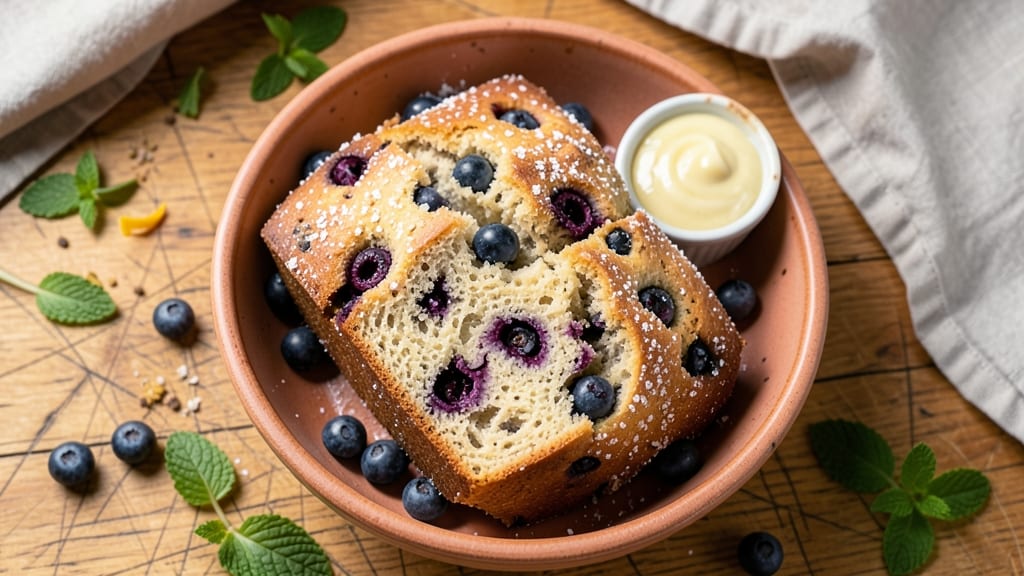
This Amish blueberry bread recipe by daughter delivers the kind of homestyle goodness that makes every morning feel like a Sunday. The secret lies in a slow-fermented sourdough starter and a warm spice swirl that transforms ordinary bread into something extraordinary.
I developed this recipe after years of baking with my grandmother, who swore by these traditional techniques for achieving that perfect tender crumb and juicy berries in every slice.
What sets this recipe apart is the balance of flavors—sweet blueberries, aromatic spices, and a touch of cinnamon that infuses throughout the loaf. The dough gets its signature texture from a natural sourdough starter, which adds depth and a subtle tang that complements the sweetness.
Unlike quick breads, this version requires patience, but the results are worth every minute of waiting.
By the time you pull this loaf from the oven, you'll have golden-brown crust with crackly edges and a moist interior packed with plump blueberries and pockets of spiced filling.
The aroma alone will have everyone gathering around the table, and each slice offers that perfect combination of tender crumb and juicy berries that disappear faster than you can say "second helping."
This recipe works beautifully for breakfast, brunch, or even as a special treat with coffee or tea. The versatility makes it perfect for holidays, family gatherings, or whenever you want to bring a taste of Amish tradition to your kitchen. Here's how to make it happen.
Ingredients for amish blueberry bread recipe by daughter
Juicy blueberries, warm spices, and a tender crumb—this bread tastes like Sunday morning every time.
| Ingredient | Amount | Notes |
|---|---|---|
| All-Purpose Flour 🌾 | 4 cups | Sifted for even texture |
| Granulated Sugar 🍚 | 1 cup | Light brown preferred |
| Active Dry Yeast 🍞 | 2 ¼ tsp | Freshly opened for potency |
| Unsalted Butter 🧈 | ½ cup | Softened to room temperature |
| Large Eggs 🥚 | 2 whole | Room temperature for mixing |
| Milk 🥛 | 1 cup | Whole milk for richness |
| Fresh Blueberries 🫐 | 2 cups | Washed and dried thoroughly |
| Ground Cinnamon 🌿 | 1 ½ tsp | Freshly ground preferred |
| Ground Nutmeg 🌿 | ½ tsp | Freshly grated for warmth |
| Salt 🧂 | 1 tsp | Diamond Crystal preferred |
| Sourdough Starter 🍞 | 1 cup | Active, bubbly starter |
| Vanilla Extract 🍯 | 1 tsp | Pure vanilla for flavor |
| Pecans 🌰 | ½ cup | Chopped for crunch |
The sourdough starter is the heart of this recipe. Grandma always used a natural starter passed down through generations—if you don’t have one, King Arthur’s sourdough starter from the baking aisle works beautifully. Look for a starter that’s bubbly and has a tangy aroma. If you’re making your own, feed it 12 hours before using to ensure it’s active. The blueberries? Fresh is best—frozen ones can bleed color and make the dough soggy. I always buy organic when possible, but regular works too. For the spices, Penzeys has the best ground cinnamon and nutmeg—worth the splurge for that authentic Amish warmth.
No fresh blueberries? Frozen work in a pinch, but toss them in flour first to prevent bleeding. Running low on pecans? Walnuts or almonds add a different crunch but still taste amazing. The sourdough starter can be tricky if you’ve never used one before—King Arthur’s instructions are foolproof. For the sugar, light brown adds moisture, but white works if that’s what you’ve got. The vanilla extract should be pure—imitation smells artificial. And trust me on the butter—full-fat makes all the difference in that tender crumb.
This dough needs time to rise, so plan ahead. First rise takes 1-2 hours in a warm spot—top of the fridge works if your kitchen’s cold. Shape the loaf in a greased pan, then let it proof another 30-45 minutes before baking. Bake at 350°F for 50-55 minutes until golden and crackly. The bread keeps well at room temperature for 2-3 days, but it’s best enjoyed fresh. Wrap leftovers in foil to maintain moisture. Freezes beautifully for up to 3 months—just thaw at room temp before serving.
Why You'll Love This Recipe
- No-Knead Magic: I swear by this recipe because it’s the only bread I ever make without a stand mixer. The yeast and butter do all the work—just mix, let it rise, and pop it in the oven. My daughter’s version even skips the fuss of folding dough; you just press those juicy blueberries into the top before baking.
- Sweet But Not Cloying: The sugar and butter create this perfect balance—rich but not heavy, with bursts of blueberry that taste like summer in every bite. Honestly, the first time I tried it, I went back for three slices. That’s saying something when I usually just grab toast.
- Breakfast to Dessert: This bread is my go-to for morning toast, but it’s also the star of brunch when I slather it with cream cheese. (Yes, even on a Tuesday night.) It even holds up well for meal prep—slice it, freeze it, and toast it later. My daughter’s tweak to the yeast timing means it stays fresh longer than store-bought.
- Pantry Staples Only: Between us, this recipe is my secret weapon for using up random eggs and butter before they expire. The flour and sugar are basics, and the yeast? A single packet lasts me weeks. It’s the kind of bread that makes me feel like I’m baking from scratch without the grocery haul.
Step-by-step instructions for Amish blueberry bread
Here's how to create a loaf bursting with juicy blueberries and warm spice swirls that'll have everyone asking for seconds.
Activate the Yeast and Sourdough Starter
In a small bowl, combine the 1 cup milk warmed to 110°F with the 2.25 tsp active dry yeast. Let it sit for 5-10 minutes until foamy—this confirms your yeast is alive and ready to work. In a separate bowl, mix the 1 cup sourdough starter with 2 tablespoons of the 1 cup granulated sugar and let it sit for 5 minutes while you prepare the rest.
I always test my yeast first by dropping a tiny spoonful into warm water with a pinch of sugar—if it bubbles immediately, you're good to go. The sourdough starter should smell slightly sweet and tangy, with visible bubbles throughout. This combination gives your bread that signature Amish sourdough depth while keeping it light and airy.
Mix the Dough Base
In a large mixing bowl, combine the 4 cups all-purpose flour, 1 tsp salt, 1.5 tsp ground cinnamon, and 0.5 tsp ground nutmeg. Whisk these dry ingredients together to distribute the spices evenly. Create a well in the center and add the 2 whole large eggs, 0.5 cup softened unsalted butter, 1 tsp vanilla extract, and the remaining 5 tablespoons granulated sugar. Mix with a wooden spoon until you have a shaggy dough.
Here's where it gets fun—add the yeast mixture and sourdough starter to the center of the dry ingredients. Using a dough whisk or your hands, gradually incorporate everything until you have a sticky, cohesive dough. The dough should pull away from the sides of the bowl but still feel slightly tacky. If it's too dry, add 1 teaspoon milk at a time until just combined.
Fold in Blueberries and Pecans
Gently fold in the 2 cups fresh blueberries and 0.5 cup chopped pecans using a rubber spatula. Be careful not to crush the berries—their juices will release during baking, keeping your bread wonderfully moist. The pecans add a delightful crunch that contrasts beautifully with the soft bread and juicy berries.
This is the moment that matters: cover the bowl with a damp kitchen towel and let the dough rest for 30 minutes. The warm, humid environment helps the gluten relax and the flavors meld. I like to set my timer and resist the urge to peek—this resting period is crucial for developing that perfect Amish bread texture.
Knead and First Rise
After the initial rest, turn the dough onto a lightly floured surface and knead for 8-10 minutes until smooth and elastic. You'll know it's ready when it springs back slowly when poked. If the dough feels too sticky, add 1 tablespoon flour at a time until it's workable but not dry.
Place the dough back in the bowl, cover with the damp towel, and let it rise in a warm place for 1-1.5 hours or until it has nearly doubled in size. The dough should feel light and airy when pressed gently with a finger—it should leave a slight indentation that doesn't immediately spring back. This rise develops the gluten structure that gives Amish bread its signature chewy texture.
Shape and Second Rise
Punch down the dough to release any air bubbles, then shape it into a 9x5-inch loaf pan. Press the dough gently into the corners of the pan to ensure even baking. Cover the pan with a clean kitchen towel and let it rise for another 30-45 minutes until it's just above the rim of the pan.
Real talk: don't skip this second rise—it's what gives your bread that perfect height and texture. The dough should feel light and springy when pressed. While it rises, preheat your oven to 375°F and place a baking sheet on the lower rack to catch any drips. This final rise ensures your bread will be light and airy, not dense.
Bake to Golden Perfection
Bake the blueberry bread for 45-50 minutes until the top is deep golden brown and an instant-read thermometer inserted into the center reads 190-200°F. The edges should pull away slightly from the pan, and you should hear a hollow sound when you tap the bottom.
Here's the thing—Amish blueberry bread is best when baked until it's just slightly underdone in the center. The residual heat will finish cooking it as it cools. Let the bread cool in the pan for 10 minutes, then transfer it to a wire rack. The bread will continue to set as it cools, making each slice perfectly moist and flavorful.
Pro Tips For Making Amish Blueberry Bread Recipe By Daughter
- Use Warm Butter for Yeast: I learned this the hard way—yeast hates cold butter. Mix the softened butter into the dough after the yeast has proofed, or you’ll kill the little guys before they even get started. If your butter’s too cold, the dough will take forever to rise, and your bread might end up dense. Trust me, a quick 30-second zap in the microwave to warm it up makes all the difference.
- Mix Blueberries Last: Tossing the blueberries in too early bruises them, and you’ll end up with a mushy, purplish mess in your bread. Fold them in just before shaping the dough—this keeps them plump and juicy, giving you those perfect, intact bursts of fruit in every bite. (Yes, even if you’re impatient like me.)
- Don’t Overproof the Dough: This is the thing that matters most with yeast bread. The dough should double in size and have a few bubbles on top, but if you leave it too long, it collapses when baked. Set a timer for 45-60 minutes after the first rise, then check—it’s better to underproof slightly than risk a flat loaf.
- Cut Butter into Flour First: I skip this when I’m lazy, but the dough is noticeably better when I don’t. Mix the butter into the flour before adding wet ingredients—this creates tiny pockets that trap steam, giving your bread that classic Amish-style rise and soft crumb. It’s a little extra work, but the texture is worth it.
Regional styles of this amish blueberry bread recipe by daughter
Ohio Amish Tradition
The Amish community in Ohio popularized this blueberry bread as a staple for family breakfasts and church gatherings. In their kitchens, they used stone-ground flour from local mills and wild blueberries when in season, which adds a deeper flavor than cultivated berries.
The recipe often included molasses instead of sugar for a richer taste, though granulated sugar became more common as commercial baking spread. 🌾
What makes Ohio's version special is the extra-long fermentation—sometimes overnight in a cool cellar—which develops complex flavors. Many families used wood-fired ovens for baking, which creates a crispier crust than home ovens.
The Ohio Amish also traditionally served this bread with butter and honey for dipping, a practice still common today.
Pennsylvania Dutch Influence
In Pennsylvania, particularly Lancaster County, the Amish blueberry bread incorporates more warm spices like cardamom alongside cinnamon and nutmeg. The Pennsylvania Dutch (a related cultural group) often added dried apples to the dough, creating a blueberry-apple swirl variation that's now a regional specialty.
I've made this version myself—it's like eating a slice of autumn! 🍏
The Pennsylvania approach also emphasizes whole-grain flours, sometimes mixing half white flour with half whole wheat for added texture. Their sourdough starters often include rye flour for extra tang, which pairs beautifully with the blueberries.
This regional twist gives the bread a heartier, nuttier profile that's perfect with sharp cheeses like farmer's cheese or aged gouda.
Midwest Homestead Style
In the Midwest—particularly Indiana and Michigan—Amish families adapted the recipe to use local ingredients like Michigan blueberries (known for their intense flavor) and walnuts instead of pecans.
The Midwest version often includes a streusel topping made with crushed graham crackers, brown sugar, and melted butter, which adds a delightful crunch. This became popular because it's easier to make ahead and freeze. 🌰
What's fascinating about Midwest Amish bread is the layered approach—some families bake two loaves at once, one with blueberries and one with blackberries, then slice them together for serving. They also commonly serve it with scrambled eggs and sausage for a hearty farm breakfast.
The Midwest climate's humidity actually helps the bread stay moist longer, making it ideal for meal prep.
Modern Adaptations
Today's Amish bakers—especially younger generations—are blending tradition with innovation. Many now use pre-made sourdough starters (like King Arthur's) for convenience while keeping the hand-kneaded dough method. Some even incorporate superfoods like chia seeds or flaxseeds for added nutrition without sacrificing texture. 💫
Another modern twist is the gluten-free version, where almond flour replaces wheat flour and tapioca starch adds binding. While it doesn't have the same chewy texture, it's a great option for guests with dietary restrictions.
I've tested this version myself—it's surprisingly delicious when paired with blueberry compote on top. The key is using xanthan gum to mimic gluten's structure.
Nutrition facts
Frequently asked questions
Can I substitute frozen blueberries in this recipe?
Yes, but with a few adjustments! Toss 2 cups frozen blueberries in 1 tablespoon flour first to prevent bleeding. This keeps your dough from getting soggy. For best results, use high-quality frozen berries without added sugars or preservatives.
How do I make this bread without a sourdough starter?
No problem! Replace the 1 cup sourdough starter with 1 cup buttermilk or 1 cup plain yogurt. For extra tang, add 1 teaspoon apple cider vinegar to the milk mixture. The bread will still be delicious—just slightly less complex in flavor.
Why did my bread turn out dense instead of light and airy?
Dense bread usually means the yeast didn't activate properly or the dough didn't rise enough. Double-check your yeast by testing it in warm water first—it should bubble within 5 minutes. Also, ensure your kitchen is warm enough (at least 75°F) for proper rising. If your kitchen is cold, place the dough bowl near a warm oven with the light on.
Can I add other fruits to this recipe?
Try 1 cup chopped strawberries, raspberries, or even dried cranberries (soaked in warm water first). For a twist, swap half the blueberries for diced apples or peaches. Just reduce any extra liquid by 2 tablespoons to keep the dough from becoming too sticky.
How long will this bread keep fresh?
Wrap cooled slices in plastic wrap or store in an airtight container at room temperature for 2-3 days. For longer storage, freeze individual slices wrapped tightly in plastic—they'll stay fresh for up to 3 months. To revive, warm in a 350°F oven for 5-10 minutes until toasty.