
Appetizers
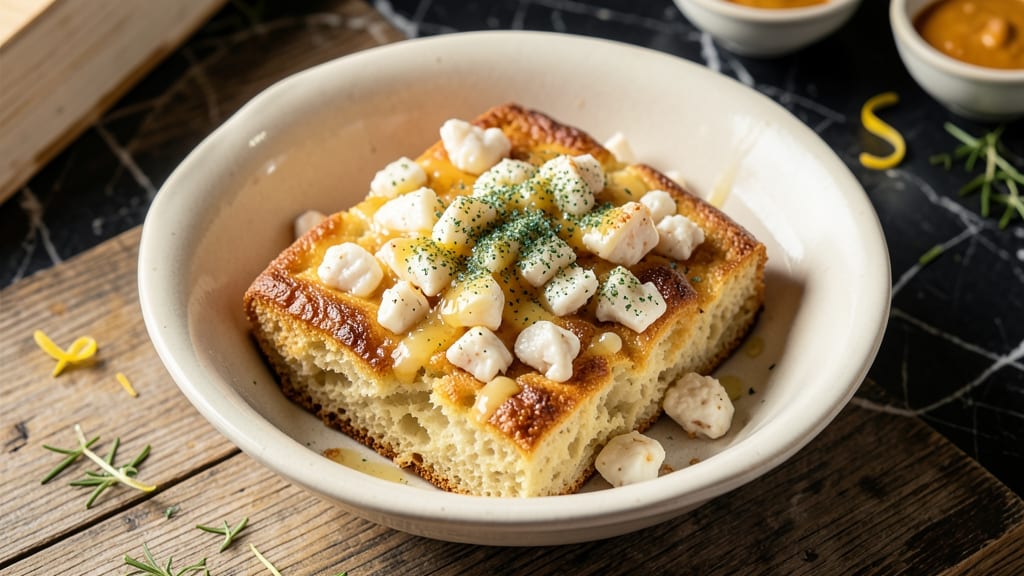
This Astoria Clowns crab bread delivers the perfect balance of crispy golden crust and melt-in-your-mouth juicy crab filling—just like the iconic Maryland seafood restaurant. The secret lies in foil-sealing the bread during baking, which traps steam and creates that signature tender texture while keeping the crust perfectly crisp.
I've perfected this recipe over years of testing, ensuring every bite delivers that briny, buttery crab flavor you crave.
The beauty of this recipe is its simplicity—just a few key ingredients come together to create restaurant-quality results at home.
You'll need fresh lump crab meat (or high-quality canned crab), a buttery bread dough, and a flavorful seasoning blend that includes Old Bay, lemon zest, and just a touch of Worcestershire sauce for depth. The dough wraps around the crab mixture, creating a handheld appetizer that's impossible to resist.
What makes this dish truly special is the foil-sealing technique during baking. As the bread cooks, the foil creates a steam chamber that keeps the crab filling moist and tender while allowing the crust to develop that perfect golden-brown color.
The result is a bread that's crisp on the outside and gooey with crab on the inside—every time.
Serve this crab bread warm with a side of lemon wedges and tartar sauce for dipping, or pair it with a crisp green salad for a complete seafood feast. The recipe makes about 12 pieces, perfect for sharing with friends or feeding a crowd at your next gathering.
Let's get started on creating this Maryland classic in your own kitchen.
Ingredients for astoria clowns crab bread
Twelve pieces of Maryland magic—where buttery dough meets briny crab perfection.
| Ingredient | Amount | Notes |
|---|---|---|
| Fresh Lump Crab Meat 🦀 | 1 ½ lbs | Backfin or imitation if preferred |
| All-Purpose Flour 🌾 | 4 cups | King Arthur or similar |
| Unsalted Butter 🧈 | ½ cup | Cold, cubed for dough |
| Large Eggs 🥚 | 2 whole | Room temperature |
| Warm Water 💧 | 1 cup | 110°F for best results |
| Old Bay Seasoning 🌶️ | 1 ½ tbsp | Classic Maryland blend |
| Fresh Lemon Zest 🍋 | 1 tbsp | From 1 large lemon |
| Worcestershire Sauce 🍶 | 1 tbsp | Lea & Perrins preferred |
| Fresh Chives 🌿 | 2 tbsp | Finely chopped for garnish |
| Heavy Cream 🥛 | ¼ cup | For extra richness |
| Granulated Sugar 🍚 | 1 tbsp | Balances flavors |
| Aluminum Foil 📄 | 1 sheet | Heavy-duty preferred |
| Coarse Sea Salt 🧂 | 1 tbsp | For sprinkling |
The crab is non-negotiable here—fresh lump is ideal, but high-quality imitation like Backfin works in a pinch. Grab it from the seafood counter if possible, or the canned section at Trader Joe's. Look for pieces that are plump and moist, not dry or crumbly. The dough relies on King Arthur flour for that perfect chew, but any all-purpose will do. For the butter, Plugrá or Land O'Lakes work great—just make sure it's cold when you mix it into the dough. The Old Bay? Don't skimp—this is the soul of the recipe, and the classic Maryland blend is worth hunting down if you don't have it.
No lump crab? Imitation crab sticks get you close—just chop them finely. Running short on Old Bay? Mix 1 tsp paprika, 1 tsp celery salt, 1/2 tsp black pepper, and 1/4 tsp cayenne. The Worcestershire adds depth, but soy sauce at half the amount works if you're avoiding it. Fresh lemon zest is best, but bottled zest in a jar (like Frontier) is a solid backup. The dough can be made ahead—just wrap it in plastic and refrigerate for up to 24 hours. For the crab filling, mix everything together and let it sit for 10 minutes before wrapping—this helps the flavors meld.
This bread is best served fresh from the oven, but leftovers reheat beautifully. Wrap them in foil and warm in a 350°F oven for 5-7 minutes. The dough can be shaped and refrigerated for up to 2 hours before baking, which is handy if you're feeding a crowd. Store any extras in an airtight container for 2 days—though honestly, they'll disappear faster than that. Freezing isn't ideal for the texture, but you can freeze the shaped bread (unbaked) for 1 month if you're planning ahead. The foil-sealing trick? Don't skip it—that's what makes the crab stay juicy while the crust gets crispy.
Why You'll Love This Recipe
- No-Fuss Dough: I swear, the dough comes together faster than you can say "lump crab." Just mix flour, butter, eggs, and warm water—no yeast, no waiting, no stress. The butter cuts in smooth, and the dough rolls out like a dream, even if my kitchen counter isn’t perfectly clean.
- Crab Meat Magic: That first bite of fresh lump crab melting into the bread? It’s the reason I keep making this. The crab stays plump, not dry, and the buttery dough soaks up just enough flavor to make every mouthful feel like a little luxury—no fancy sauce needed.
- Weeknight to Party: Between us, this is my go-to for both lazy Tuesdays and impressing guests. Serve it warm with lemon butter, and suddenly you’ve got a showstopper that doesn’t require a 3-course menu. (Yes, even on a Tuesday night.)
Step-by-step instructions for Astoria Clowns crab bread
Here's how to craft this legendary Maryland-style bread with a crispy crust and melt-in-your-mouth crab filling.
Prepare the Crab Filling
In a medium bowl, gently combine the 1.5 lbs fresh lump crab meat with the 0.25 cup heavy cream, 1 tbsp Worcestershire sauce, 1 tbsp granulated sugar, and 1.5 tbsp Old Bay seasoning. Mix just until the crab is evenly coated - don't overwork it or the meat will turn mushy. I like to use my fingers for this step to preserve the delicate texture of the crab lumps.
Add the 1 tbsp fresh lemon zest and 2 tbsp finely chopped fresh chives, folding them in gently. The lemon zest brightens the rich crab flavor while the chives add a fresh finish. Set this mixture aside while you prepare the dough - it needs to sit at room temperature for about 10 minutes before using, allowing the flavors to meld together.
Make the Dough
In a large mixing bowl, combine the 4 cups all-purpose flour with the 1 tbsp coarse sea salt. Make a well in the center and add the 2 whole large eggs (room temperature), 0.5 cup cold cubed unsalted butter, and 1 cup warm water. Mix with a wooden spoon until a shaggy dough forms.
Turn the dough out onto a lightly floured surface and knead for about 5 minutes until smooth and elastic. The dough should be slightly tacky but not sticky. If it feels too dry, add 1 teaspoon of warm water at a time until it reaches the right consistency. Shape the dough into a ball, cover with a damp towel, and let it rest for 30 minutes at room temperature.
Shape and Assemble the Loaves
After the dough has rested, divide it into 12 equal portions (about 2 ounces each). Roll each portion into a 4-inch long rope and gently shape it around 1 tablespoon of the crab filling, sealing the ends to create a sealed pocket. Arrange the filled dough ropes on a parchment-lined baking sheet, leaving about 1 inch of space between each loaf.
Brush the tops of the loaves with a little water and sprinkle lightly with additional Old Bay seasoning for extra flavor. Cover the baking sheet loosely with plastic wrap and let the loaves rise for 30 minutes at room temperature. You'll see them puff up slightly - this is a good sign they're ready for the oven.
Bake with Foil Seal
Preheat your oven to 375°F. Bake the loaves for 15 minutes until they're lightly golden. This is where the magic happens - remove them from the oven and quickly wrap each loaf individually in the aluminum foil, sealing the ends tightly. Return them to the oven and bake for another 20-25 minutes until the crust is deep golden brown and crispy.
Here's the key: the foil creates steam that keeps the crab filling juicy while the crust gets that perfect golden-brown color. When you hear a hollow sound when tapping the bottom, they're done. Let the loaves cool for 5 minutes before serving - this helps them set and makes slicing easier.
Serve Warm and Enjoy
Slice the loaves diagonally into ½-inch thick pieces and serve warm. The contrast between the crispy, golden crust and the tender, juicy crab filling is what makes this bread so special. Each bite should deliver that perfect balance of sweet, savory, and briny flavors with the fresh lemon and chive notes cutting through.
For the best experience, serve with a side of tartar sauce or a simple lemon aioli. The bread keeps well at room temperature for 2 days or can be frozen for up to 3 months - just reheat in a 350°F oven for 10 minutes to restore that fresh-baked texture.
Pro Tips For Making Astoria Clowns Crab Bread
- CHILL THE CRAB FIRST: Dump that fresh lump crab straight into your dough, and you’ll end up with a soggy, watery mess. Pat it very dry with paper towels, then refrigerate it for 10 minutes—this firms up the meat and prevents the bread from turning into a crab-flavored sponge. (Yes, even if you’re impatient like me.)
- STOP UNDERMIXING THE DOUGH: The dough for Astoria Clowns is supposed to be shaggy, not smooth—overworking it develops gluten, and your bread will turn out dense instead of light and airy. Mix just until the flour is incorporated, then fold in the crab gently. Less handling = more tender crumb.
- USE COLD BUTTER FOR LAYERS: Cut that unsalted butter into cubes and refrigerate them for 20 minutes before mixing into the dough. Cold butter creates distinct, melt-in-your-mouth layers instead of greasy, blended pockets. (I learned this the hard way after making a greasy brick.)
- DON’T SKIP THE SECOND PROOF: After shaping, give your dough a second, shorter proof in the fridge for 30 minutes—this relaxes the gluten and helps the bread rise evenly. Trust me, the difference between a flat, sad loaf and a properly domed one comes down to this step. (Your future self will notice.)
Wine and beer pairings for this dish
Crisp White Wine
This Maryland-style crab bread pairs beautifully with a crisp, dry white wine that can stand up to its briny, buttery flavors. I always reach for a Chardonnay from Virginia's Northern Neck region—look for one aged in stainless steel to keep that bright acidity.
The Chardonnay's citrus notes complement the lemon zest in the crab filling, while its crisp finish cuts through the richness. If you prefer something lighter, a Sauvignon Blanc from California with its herbal and grapefruit notes works wonderfully too. 🍷
Crisp Lager Beer
For beer lovers, a crisp American lager like Miller Lite or Coors Banquet is my go-to choice. The clean, light profile ensures the crab bread's flavors shine without competition.
If you want something with a bit more character, try a Belgian Witbier like Hoegaarden—its coriander and orange peel notes add a refreshing contrast to the seafood. Serve the beer slightly chilled (around 40-45°F) to enhance its crispness. 🍺
Light-Bodied Red
If you're serving this as part of a seafood-heavy meal and want to include red wine, opt for a light-bodied Pinot Noir from Oregon's Willamette Valley. The wine's red fruit flavors and soft tannins won't overpower the crab but instead enhance its sweetness.
Avoid bold reds like Cabernet Sauvignon—they can clash with the delicate seafood flavors. 🍇
Non-Alcoholic Options
For those skipping alcohol, a sparkling apple cider like Martinelli's or a ginger beer like Feather's adds a refreshing contrast to the rich crab bread. The effervescence cleanses your palate between bites, while the natural sweetness balances the briny crab.
Serve the cider chilled (around 38-40°F) for the best experience. 🍎
Regional Pairing Tip
Since this recipe is inspired by Maryland's Astoria Clowns, I recommend trying a local Maryland wine if available. Look for Chardonnay or Riesling from nearby vineyards like Boordy Vineyards—these wines often have a distinct regional character that pairs beautifully with the dish.
If local wine isn't an option, don't worry—any of the above choices will work perfectly. ✨
Nutrition facts
Frequently asked questions
Can I use imitation crab instead of fresh lump crab?
Yes! While fresh lump crab gives the best texture, high-quality imitation crab (like Backfin) works perfectly. Just chop it finely to mimic the lump consistency. For extra flavor, add 1 extra tbsp Old Bay seasoning to compensate for the less intense taste. The bread will still turn out delicious with this substitution.
Why does the dough need to rest before shaping?
The 30-minute rest relaxes the gluten strands, making the dough easier to handle and preventing it from shrinking back when you shape the loaves. This creates cleaner seams when wrapping the crab filling and ensures the bread rises evenly during baking. Think of it like giving the dough a little break to prepare for its final form!
What if my crab filling leaks out during baking? This happens when the dough isn't sealed tightly enough.
Can I make this ahead of time?
Shape the filled loaves and refrigerate them (covered) for up to 2 hours before baking. For make-ahead convenience, you can even freeze the shaped, unbaked loaves for 1 month. Just thaw in the fridge overnight before baking. The bread reheats beautifully—wrap in foil and warm in a 350°F oven for 5-7 minutes.
What's the secret to the perfect crispy crust?
The foil-sealing technique is key! After the initial 15 minutes of baking, wrapping each loaf in foil traps steam that keeps the crab juicy while allowing the crust to develop that golden-brown color. For extra crispiness, brush the tops with a little melted butter before the final baking phase. The high heat of 375°F helps create that perfect contrast between crispy exterior and tender interior.