
Side Dishes
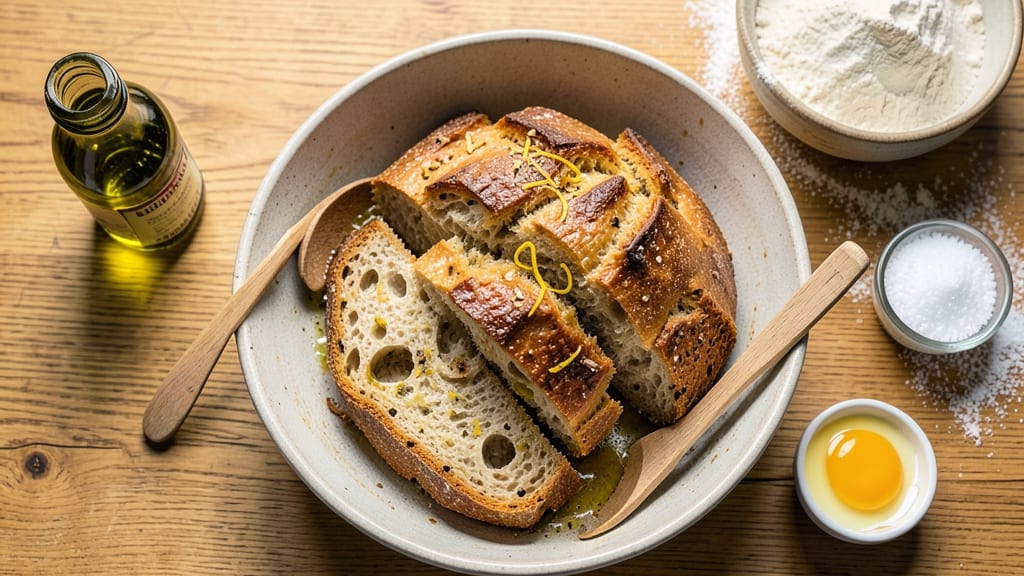
This artisan olive oil bread recipe delivers restaurant-quality results with a golden crust and fragrant, buttery depth that transforms any meal.
The secret lies in a precise blend of high-quality ingredients—flour, active yeast, extra-virgin olive oil, and a touch of salt—kneaded and proofed just right to create an airy yet sturdy loaf. I’ve perfected this method over years of baking, ensuring every slice has that coveted crispy exterior and tender crumb.
The process begins with a simple yet intentional dough preparation, where the olive oil infuses the flour for maximum flavor. After kneading to develop gluten, the dough undergoes two proofing stages—one at room temperature and another in the refrigerator—to enhance flavor and texture.
Baking at high heat creates that signature golden crust, while a steam bath ensures a crispy exterior without a dense interior.
What you’ll end up with is a loaf that smells like a Tuscan bakery and tastes even better—perfect for serving warm with olive oil drizzled on top or toasted for breakfast. The bread keeps well for days, making it ideal for meal prep or gifting.
Whether paired with soups, cheeses, or simply enjoyed on its own, this recipe elevates everyday dining to something special.
For those who love customization, variations like adding rosemary or garlic to the dough or adjusting the olive oil quantity can create endless possibilities. The key is patience—letting the dough work its magic during proofing ensures a loaf that’s both impressive and foolproof.
Let’s get started on creating your perfect artisan loaf.
Ingredients for artisan olive oil bread
Four cups flour, yeast, olive oil, and a touch of salt—simple yet transformative ingredients for golden artisan bread.
| Ingredient | Amount | Notes |
|---|---|---|
| All-Purpose Flour 🌾 | 4 cups | Sifted for even texture |
| Active Dry Yeast 🍞 | ¼ oz | Freshly measured, not expired |
| Extra-Virgin Olive Oil 🫒 | ½ cup | High quality, fruity flavor |
| Granulated Sugar 🍚 | 1 tbsp | For yeast activation |
| Warm Water 💧 | 1 cup | 110°F for yeast activation |
| Large Egg 🥚 | 1 whole | Room temperature for best mix |
| Fine Sea Salt 🧂 | 1 ½ tsp | Diamond Crystal preferred |
| Cornmeal 🌽 | ¼ cup | For dusting baking surface |
| Ice Water ❄️ | ¼ cup | For final dough shaping |
The flour is the foundation, so King Arthur or Caputo Tipo 00 elevate this recipe—both deliver that signature texture. Yeast quality matters too; Saf-Instant or Red Star are reliable brands. Olive oil should be extra-virgin—the fruity, peppery notes shine through. I always measure mine by weight for precision, but cups work fine if that's what you've got. For the sugar, white granulated activates the yeast perfectly, though a pinch of honey works in a pinch. Water temperature is critical—too hot kills the yeast, too cold slows activation. Aim for 110°F (like warm bathwater).
No extra-virgin olive oil? High-quality light olive oil works, but the flavor won't be as rich. Substituting honey for sugar? Use 1 tsp honey plus 1 tsp water to match the yeast activation. For a gluten-free version, King Arthur gluten-free flour blend replaces the all-purpose, though texture will differ. The egg adds structure—omit for vegan, but add 1 tbsp ground flaxseed mixed with 3 tbsp water as a binder. Salt can be swapped for kosher salt at half the amount, but Diamond Crystal's fine grain dissolves best. Cornmeal is optional but prevents sticking—semolina works too.
This dough needs patience. After the first rise, chill it for 12-24 hours in the fridge—flavor develops overnight. Shape the loaf on a parchment-lined baking sheet, then let it rise again at room temp for 1-2 hours until nearly doubled. For storage, cool completely, then wrap tightly in plastic. Keeps 3-4 days at room temp or 1 week in the fridge. Freeze shaped dough balls for up to 3 months—thaw overnight before baking. Reheat slices in a 350°F oven for 5 minutes to restore crispiness.
Why You'll Love This Recipe
- Pantry-Friendly Magic: I swear by this recipe because it uses stuff I already have—no fancy ingredients, just flour, yeast, and that bottle of olive oil gathering dust. The sugar? A spoonful does the trick, no measuring cups needed.
- Rich, Buttery Crust: That extra-virgin olive oil isn’t just for dipping—it transforms this bread into something luxurious. The crust gets golden and crackly, while the inside stays soft, almost like a cross between sourdough and brioche.
- Weeknight Workhorse: Toss a loaf in the oven while dinner simmers, and it’s ready by the time you’re done. Honestly, I’ve served it with soup, as a side, even toasted for breakfast—it’s that adaptable.
- Stays Fresh Days: Bake a batch on Sunday, and it’ll still be tender by Wednesday. Between us, I’ve reheated slices in the oven for days, and they taste just as good as fresh. Plus, it’s cheaper than buying bread weekly.
Step-by-step instructions for artisan olive oil bread
Here's how to craft bread with a golden crust and rich, fruity olive oil flavor—every step matters.
Activate the Yeast with Warm Water and Sugar
In a small mixing bowl, combine the 1 cup warm water (around 110°F) with the 1 tbsp granulated sugar and 0.25 oz active dry yeast. Stir gently with a wooden spoon and let sit for 5-10 minutes until the mixture becomes foamy and bubbly. This indicates the yeast is active and ready to work.
If the mixture doesn't bubble after 10 minutes, your yeast may be expired—start over with fresh yeast. The sugar helps feed the yeast, while the warm water creates the ideal environment for activation. Don't use hot water; it will kill the yeast and ruin your bread.
Mix the Dough with Olive Oil and Egg
In a large bowl, whisk together the 4 cups all-purpose flour and 1.5 tsp fine sea salt. Create a well in the center and pour in the yeast mixture, 0.5 cup extra-virgin olive oil, and 1 whole large egg. Using a wooden spoon, stir until the dough begins to come together.
Once the dough starts forming, switch to your hands and knead on a lightly floured surface for 8-10 minutes until smooth and elastic. The dough should feel slightly tacky but not sticky. If it's too dry, add 1 tbsp ice water at a time until it reaches the right consistency. The olive oil adds richness, while the egg provides structure and moisture.
First Rise for Flavor Development
Lightly oil a large bowl, place the dough inside, and cover with a damp kitchen towel. Let it rise in a warm place (like the top of your oven with the light on) for 1-2 hours, or until it has doubled in size. The dough should feel spongy and springy when pressed gently with a finger.
This first rise allows the yeast to ferment, developing flavor and creating air pockets for a light texture. Avoid over-rising, as the dough may collapse during baking. If the kitchen is cold, place the bowl near a warm spot to encourage even rising.
Shape and Second Rise
Punch down the dough to release air, then divide it into 4 equal portions. Shape each into a smooth, round loaf by pulling the edges toward the center and sealing the seam. Place the loaves on a baking sheet dusted with 0.25 cup cornmeal to prevent sticking.
Cover the loaves loosely with the towel and let them rise again for 30-45 minutes until they've puffed slightly. The cornmeal adds texture and prevents the dough from sticking to the pan. This second rise ensures the bread has a light, airy crumb. If the dough doesn't rise well, it may need more time in a warmer environment.
Bake for a Golden, Crispy Crust
Preheat your oven to 375°F. Bake the loaves for 25-30 minutes until they're golden brown and sound hollow when tapped on the bottom. Rotate the pan halfway through baking for even browning.
For extra shine and crispness, brush the tops with a little extra-virgin olive oil after 15 minutes in the oven. The bread is done when the internal temperature reaches 190-200°F. Let the loaves cool on a wire rack for at least 30 minutes before slicing—they'll firm up as they cool and hold their shape better.
Pro Tips For Making Artisan Olive Oil Bread
- Bloom the Yeast First: Skip mixing yeast directly into flour—it’s lazy and unreliable. Instead, dissolve it in warm water with sugar first, then wait 5-10 minutes until it’s bubbly and frothy. This tells you the yeast is alive and active before you commit to the dough, saving you from a flat, sad loaf later.
- Use Room-Temp Olive Oil: Cold olive oil from the fridge won’t emulsify properly, leaving your dough greasy and uneven. Let that bottle sit out for 30 minutes before measuring—your dough will be smoother and the flavor will spread evenly. Trust me, your crust will thank you.
- Don’t Over-Knead the Dough: I used to think more kneading = better bread, but this dough only needs 8-10 minutes by hand (or 5-6 minutes in a stand mixer with a dough hook). Overwork it, and the gluten tightens too much, making the bread dense instead of light and airy. Stop when it’s just slightly tacky.
- Score with a Razor Blade: A dull knife won’t cut cleanly, and your bread will spread unevenly in the oven. Grab a fresh razor blade (or a very sharp chef’s knife) and score the dough just before baking—deep enough to see the pale dough underneath. This ensures a crisp, even crust instead of a messy, gummy top.
Perfect pairings for artisan olive oil bread
Olive Oil Drizzle
Finish your warm loaf with a generous drizzle of extra-virgin olive oil straight from the bottle—about 1-2 tablespoons per loaf. The fruity, peppery notes complement the bread’s crust beautifully. I love using Colavita or California Olive Ranch for their rich, buttery profiles. 🫒
Fresh Herbs
Add a sprinkle of fresh rosemary or thyme right before serving for an aromatic touch. Tuck a few sprigs into the dough before shaping for a subtle herbal infusion. For a pop of color, try basil or oregano—just 1 tablespoon chopped per loaf does the trick.
Cheese Pairings
Pair your artisan bread with aged pecorino or sharp cheddar for a classic combo. The bread’s crisp crust contrasts perfectly with creamy, tangy cheeses. For a Mediterranean twist, try feta or goat cheese with a drizzle of honey. 🧀
Beverage Pairings
A crisp Italian white wine like Pinot Grigio or Vermentino enhances the olive oil flavors. For non-alcoholic options, sparkling water with lemon or iced hibiscus tea balances the richness. A bold espresso also cuts through the bread’s buttery notes beautifully.
Sweet Spreads
Spread your bread with whipped ricotta mixed with honey or fig jam for a sweet contrast. For a savory-sweet combo, try olive oil and balsamic glaze—just 1 tablespoon each per slice. The acidity brightens the bread’s richness.
Protein Pairings
Serve alongside grilled chicken or prosciutto for a hearty meal. The bread’s texture soaks up juices perfectly. For a vegetarian option, pair with roasted vegetables or a white bean dip—the olive oil ties everything together seamlessly. 🍗
Nutrition facts
Frequently asked questions
Why does olive oil make this bread taste different from regular bread?
The extra-virgin olive oil adds a fruity, peppery depth that regular bread lacks. It replaces some of the water in the dough, creating a richer, more flavorful crumb while keeping the texture tender. The high-quality oil also contributes to that signature golden crust with its natural fats.
Can I make this bread without an egg for a vegan version?
Yes! Replace the 1 large egg with 1 tbsp ground flaxseed mixed with 3 tbsp water. Let it sit for 5 minutes to thicken before adding to the dough. The flaxseed provides the same binding properties while keeping the bread structure intact. Just expect a slightly denser texture than the original.
What's the best way to store leftover artisan olive oil bread?
Wrap cooled loaves tightly in plastic wrap or place in an airtight container to preserve freshness. At room temperature, it stays good for 3-4 days. For longer storage, freeze shaped dough balls for up to 3 months—thaw overnight before baking. To revive stale bread, warm slices in a 350°F oven for 5 minutes with a sprinkle of water.
Why did my bread turn out dense instead of light and airy?
Dense bread usually results from over-kneading, under-proofing, or using cold ingredients. Make sure your water is 110°F (warm to touch), knead for only 8-10 minutes, and let the dough rise until doubled in size. Also check your yeast—if it didn't bubble when activated, it's expired. A warm oven with light on creates the perfect proofing environment.
Can I add herbs or spices to this recipe?
Try adding 1 tbsp chopped rosemary or garlic to the dough before shaping. For color, sprinkle poppy seeds or sesame seeds on top before baking. Just don't exceed 1 tbsp total of added ingredients to maintain the bread's balance. The olive oil's flavor will still shine through while complementing your additions.