
Breakfast & Brunch
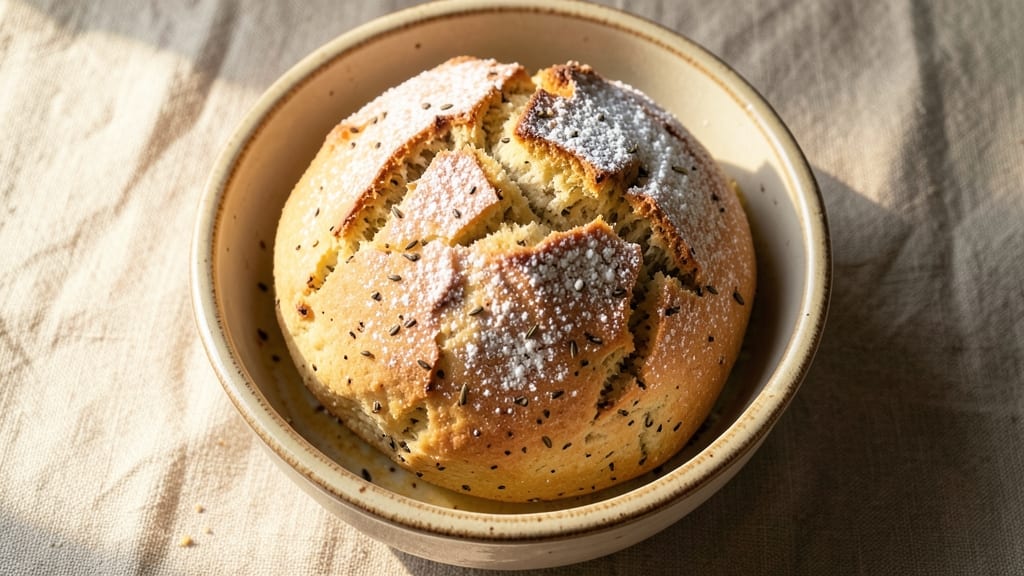
This anise quick bread recipe delivers a warmly spiced loaf with bright citrus notes that’ll transform your breakfast table. The star ingredient—anise—adds a subtle licorice warmth that pairs perfectly with the tangy orange zest and buttery richness.
Perfect for a weekend morning or holiday brunch, this recipe comes together in under 30 minutes with no yeast or long rises required.
The secret to this bread’s success lies in its texture: a tender crumb with a slightly crisp top, achieved through a simple mix of all-purpose flour, baking powder, and a touch of sour cream for moisture.
The anise seeds infuse every bite with their signature warmth, while the orange zest lifts the flavor profile, balancing the bread’s natural sweetness without overpowering it.
Once baked, you’ll have a golden loaf that’s ideal for slicing and serving with butter or jam, or even toasting for a quick breakfast.
For extra flair, brush the top with a simple honey glaze or sprinkle with coarse sugar before baking—both options add a touch of elegance without complicating the process.
Whether you’re baking for a family gathering or treating yourself to a cozy morning, this recipe delivers a loaf that’s as impressive as it is easy. The best part? It keeps well for days, making it a perfect make-ahead option for busy schedules.
Ingredients for anise quick bread
Eight simple ingredients transform into a fragrant loaf with anise warmth and citrus brightness.
| Ingredient | Amount | Notes |
|---|---|---|
| All-Purpose Flour 🌾 | 3 cups | Sifted for light texture |
| Granulated Sugar 🍚 | 1 cup | White or light brown |
| Packed Brown Sugar 🍚 | ½ cup | For subtle caramel notes |
| Unsalted Butter 🧈 | ½ cup | Cold, cubed for easy mixing |
| Large Eggs 🥚 | 2 whole | Room temperature preferred |
| Sour Cream 🥛 | ½ cup | Full-fat for moisture |
| Orange Zest 🍊 | 1 tbsp | From 1 large orange |
| Anise Seeds 🌿 | 1 ½ tbsp | Whole or lightly crushed |
| Ground Cinnamon 🌶️ | 1 tsp | Freshly ground preferred |
| Baking Powder 🍞 | 2 tsp | Double-acting for rise |
| Salt 🧂 | ½ tsp | Fine sea salt preferred |
| Milk 🥛 | ½ cup | Whole or 2% for richness |
| Vanilla Extract 🍯 | 1 tsp | Pure vanilla preferred |
| Coarse Sugar 🍚 | 2 tbsp | For topping (optional) |
The anise seeds are the heart of this recipe—look for whole seeds at specialty stores or bulk bins for the best flavor. Trader Joe's and Whole Foods carry them, but if you can't find them, anise extract at half the amount works in a pinch. The orange zest should be vibrant and fresh—zest only the outer layer, avoiding the bitter white pith. For the flour, King Arthur or Gold Medal brands are my go-tos—they bake up light and fluffy. If you're using brown sugar, pack it firmly into the measuring cup for accurate sweetness.
No anise seeds? Star anise powder or fennel seeds can stand in, but adjust to taste—they have slightly different flavors. Running low on sour cream? Plain Greek yogurt at the same amount keeps the tang. The butter should be cold when you mix it in—cut it into small cubes and let it sit at room temp for 30 minutes if it's straight from the fridge. For the milk, any type works, but whole milk gives the richest texture. And if you're feeling fancy, swap the coarse sugar topping for a honey glaze—just mix 1 tbsp honey with 1 tsp water and brush on top before baking.
This loaf keeps beautifully—3 days at room temperature wrapped in foil, or 5 days in the fridge in an airtight container. For longer storage, freeze slices wrapped individually—they thaw in 10 minutes in the microwave. The best part? It reheats wonderfully—5 seconds in the microwave or 10 seconds in a toaster brings back that fresh-baked warmth. I always make a double batch—one for breakfast, one for snacking with tea. The flavor actually improves after the first day, so don't hesitate to bake extra.
Why You'll Love This Recipe
- No Mixer Needed: I swear by this recipe when my hands are full—just toss the dry ingredients with the wet, fold in the butter (still cold, because shortcuts don’t mean sloppy), and you’re done. The anise seeds? They’re tiny but mighty, so no measuring spoons required—just eyeball it.
- Warm Spice Hug: That buttery brown sugar crust? Chef’s kiss. The anise adds this subtle licorice-like warmth that’s not overpowering—more like a cozy blanket for your taste buds. Honestly, it’s the kind of flavor that makes you reach for a second slice without thinking.
- Breakfast or Snack: I’ve served this toasted with butter for breakfast, sliced with coffee, and even as a side for brunch—it’s that adaptable. (Yes, even on a Tuesday night when I’m too tired to plan.) The eggs and butter keep it rich enough to stand alone, but it’s light enough to pair with just about anything.
- Pantry Staple Magic: Between us, this recipe uses ingredients I already have—flour, sugar, butter—so it’s never a last-minute grocery run. And the leftovers? They last a week in the fridge, perfect for when I’m too lazy to bake again. Not the prettiest loaf, but the taste makes up for it every time.
Step-by-step instructions for anise quick bread
Here's how to make this fragrant loaf in under an hour—no yeast, no waiting!
Mix Wet Ingredients for Perfect Texture
In a large mixing bowl, combine the 0.5 cup unsalted butter (cold and cubed) with both 1 cup granulated sugar and 0.5 cup packed brown sugar. Use a hand mixer on medium speed for 2-3 minutes until the mixture is light and fluffy. This step creates air pockets that make your bread tender.
Add the 2 whole large eggs one at a time, mixing well after each addition. Stir in the 0.5 cup sour cream, 1 tsp vanilla extract, and 1 tbsp orange zest until fully incorporated. The citrus zest will infuse bright flavor throughout the loaf. Here's the thing—don't overmix or the bread will turn dense. Stop when everything is just combined.
Combine Dry Ingredients for Even Distribution
In a separate bowl, whisk together the 3 cups all-purpose flour (sifted), 2 tsp baking powder, 1 tsp ground cinnamon, 0.5 tsp salt, and 1.5 tbsp anise seeds. The anise seeds should be lightly crushed between your fingers for maximum flavor release. This prevents clumping and ensures even distribution throughout the batter.
Gradually add the dry ingredients to the wet mixture, mixing on low speed just until combined. You're looking for a thick, slightly sticky batter that holds its shape when you lift the spoon. If it's too dry, add 1-2 tablespoons of the 0.5 cup milk to help bind everything together. The batter should coat the back of a spoon but still be workable.
Prepare the Loaf Pan for Perfect Rise
Preheat your oven to 350°F. Grease a 9x5-inch loaf pan thoroughly with butter or nonstick spray, then dust lightly with flour. Tap out any excess flour so it doesn't interfere with the rise. Pour the batter into the prepared pan and smooth the top with a spatula. This ensures even baking and a uniform rise.
Sprinkle the 2 tbsp coarse sugar evenly over the top for that classic quick bread crunch. The sugar will caramelize slightly during baking, adding sweet contrast to the tender crumb. Place the pan on a baking sheet to catch any potential drips and prevent mess in your oven.
Bake Until Golden and Springy
Bake for 50-55 minutes until the top is deep golden brown and a toothpick inserted in the center comes out clean. The bread is done when it springs back slightly when pressed gently in the center. I know it seems like a short time for a loaf, but the baking powder does most of the work—this is why it's called "quick" bread!
If the top browns too quickly, tent loosely with aluminum foil after 30 minutes to prevent over-browning while allowing the bread to finish baking. Let the bread cool in the pan for 10 minutes, then transfer to a wire rack to cool completely. This resting period prevents a gummy texture and helps the flavors meld beautifully.
Pro Tips For Making Anise Quick Bread
- MEASURE BROW SUGAR RIGHT: Pack it down in the cup—no scooping from the bag or you’ll end up with a dry, crumbly loaf. I learned this the hard way when my first batch turned out like a brick. Use a spoon, then level it off with a knife for consistency.
- CUT COLD BUTTER IN FAST: Pulse the butter in the food processor until it’s pea-sized, not flaky. This keeps the dough from turning greasy and ensures even distribution of that anise flavor. Skip the fork and knife—it’s a game-changer.
- DON’T OVERMIX THE DOUGH: Stir just until the flour disappears—overworking it makes the bread dense and tough. I used to mix until it looked "done," but now I stop at the first sign of clumping. The texture stays light and tender.
- BAKE UNTIL 190°F INSIDE: The bread’s done when the center hits 190°F, not when it looks golden. I used to pull it out too soon, and the middle stayed raw. A toothpick test is fine, but the thermometer never lies—especially with quick breads.
Troubleshooting great anise quick bread
Dense Batter Troubles
If your batter looks too thick or dry, don’t panic—this is an easy fix. Quick bread batter should be like a thick pancake mixture, not cement. Add 1 tablespoon of milk at a time while mixing until it reaches a consistency where it just coats the back of a spoon.
Overmixing can also make the batter dense, so mix just until combined after adding the dry ingredients. 💡
Uneven Rise Issues
An uneven rise often happens when the oven temperature isn’t stable or the pan isn’t properly prepared. Always use an oven thermometer to confirm your oven is at 350°F—many ovens run hot or cold.
Grease the pan thoroughly with butter or nonstick spray, then dust with flour to prevent sticking. Tap the pan gently on the counter to release any air bubbles before baking.
If the center rises but the edges stay flat, try baking on the middle rack instead of the top or bottom.
Anise Flavor Too Strong
The anise seeds should add warmth, not overpower. If the flavor is too intense, reduce the amount to 1 teaspoon next time. For a milder taste, lightly toast the seeds in a dry skillet for 30 seconds before adding them to the batter—this mellows their flavor slightly.
Alternatively, swap them for fennel seeds (use the same amount), which have a similar but more delicate taste. 🌿
Gummy or Underbaked Texture
Underbaking is the most common cause of a gummy quick bread. Always check for doneness with a toothpick—it should come out clean or with just a few moist crumbs.
If your bread turns golden too quickly but feels underdone inside, tent it with foil after 30 minutes to slow the browning while allowing it to finish cooking.
Let the bread cool in the pan for 10 minutes before transferring to a wire rack; this resting time helps the crumb set properly. For extra insurance, bake for 5-10 minutes longer if needed.
Cracked Top or Sunk Center
A cracked top usually means the oven was too hot or the batter was overmixed. To prevent this, avoid opening the oven door during the first 30 minutes of baking, as temperature fluctuations cause cracks. If the center sinks, it’s often due to overbaking or underleavening.
Next time, check for doneness at 45 minutes and remove promptly. For a prettier top, sprinkle the coarse sugar evenly and avoid pressing down on the batter when smoothing the pan.
Dry or Crumbly Result
Dry bread usually means the fat (butter or sour cream) wasn’t properly incorporated or the baking powder was old. Make sure your butter is cold but not hard, and cream it with the sugars until light and fluffy.
Check the expiration date on your baking powder—old leavening agent loses its lift. If your bread still turns out dry, try adding 1 tablespoon of sour cream or yogurt to the batter for extra moisture.
Store-bought baking powder from the grocery store is fine, but for best results, use Bob’s Red Mill or King Arthur brands.
Nutrition facts
Frequently asked questions
Can I substitute anise seeds with something else?
If you can't find anise seeds, try 1.5 teaspoons of ground anise or 1 teaspoon of fennel seeds (lightly crushed) for a similar licorice-like warmth. For a milder flavor, star anise powder works too—just use half the amount since it's more potent. The key is balancing the flavor so it complements, not overpowers, the citrus and spices.
How do I store or reheat this anise quick bread?
Wrap the cooled loaf in foil and store at room temperature for up to 3 days, or refrigerate for 5 days in an airtight container. To reheat, slice and warm for 10-15 seconds in the microwave or 5 seconds in a toaster. For extra freshness, freeze slices individually—they thaw in 10 minutes in the microwave. The bread actually tastes better the next day as flavors meld!
Why does my batter look too thick or dry?
Quick bread batter should be like thick pancake batter, not cement. If yours is too dry, add 1 tablespoon of milk at a time while mixing until it coats the back of a spoon. Overmixing also makes batter dense, so mix just until combined after adding dry ingredients. Cold butter can also cause dryness—ensure it's softened but not melted before creaming with sugars.
Can I make this bread without sour cream?
Yes! Replace the sour cream with 0.5 cup plain Greek yogurt for similar tanginess, or use 0.5 cup buttermilk for moisture. For a dairy-free option, swap with 0.5 cup unsweetened almond milk + 1 teaspoon vinegar (let sit for 5 minutes to curdle). The texture will be slightly different but still delicious—just monitor baking time closely.
What's the best way to use up leftover anise quick bread?
Slice and toast for a quick breakfast, or make French toast using the bread as the base. For something sweet, spread with cream cheese and cinnamon sugar, or crumble over yogurt with honey. The bread also freezes beautifully—slice, wrap individually, and reheat as needed. Try it in avocado toast or as a base for mini sandwiches with smoked salmon!