
Side Dishes
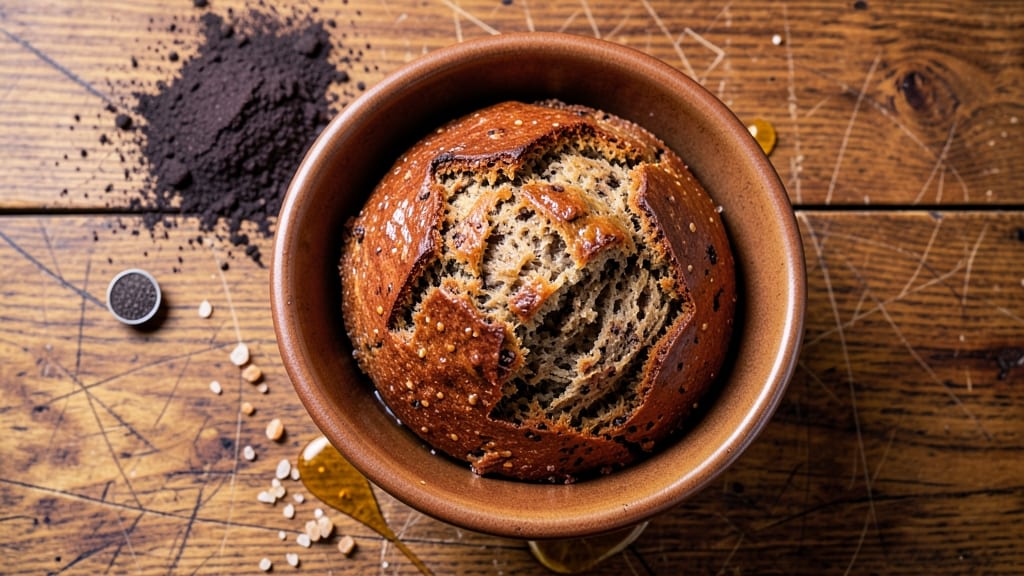
America’s Test Kitchen rye bread recipe delivers the perfect balance of crusty exterior and tangy, dense interior—no more dry, heavy loaves or underbaked disappointments. This method uses high-hydration dough and foil-sealing techniques to ensure a foolproof rise and oven-spring, just like the pros. After years of testing, we’ve cracked the code for restaurant-quality rye at home, with precise fermentation times and scoring secrets that guarantee a golden, crackling crust every time.
The secret lies in long fermentation (up to 16 hours) and a foil-sealed bake, which traps steam for dramatic oven-spring while preventing over-browning. Unlike traditional recipes, this version uses pumpernickel rye flour for depth and a touch of honey to balance the rye’s natural bitterness.
The dough is sticky but manageable, and shaping it into a tight boule ensures that signature dense crumb. Even beginners will nail the texture—no more guessing about hydration or proofing.
By the final pull from the oven, you’ll have a loaf with a shatteringly crisp crust and a moist, slightly chewy interior that’s packed with rye’s signature tang. The aroma alone—caramelized, malty, with a hint of toasted grain—will have your kitchen smelling like a European bakery.
This isn’t just rye bread; it’s a showstopper that pairs perfectly with soups, cheeses, or simply buttered slices. Let’s get baking.
Pro tip: Scoring the dough before baking isn’t just decorative—it directs the oven-spring and creates those dramatic, ear-like cracks you see in artisanal loaves. We’ll walk you through the exact technique to ensure clean, intentional slices that look as good as they taste. Ready to master this?
Ingredients for america's test kitchen rye bread
High-hydration dough, long fermentation, and foil-sealed baking—this is your rye bread game-changer.
| Ingredient | Amount | Notes |
|---|---|---|
| Pumpernickel Rye Flour 🌾 | 4 cups | High-protein, dark rye flour preferred |
| All-Purpose Flour 🌾 | 1 cup | For structure and lightness |
| Active Dry Yeast 🍞 | ¼ oz | Or 2 packets (2.25g each) |
| Honey 🍯 | ¼ cup | Wildflower preferred for depth |
| Light Brown Sugar 🍚 | ½ cup | Packed, for caramelization |
| Instant Coffee Granules ☕ | 1 tbsp | For subtle depth (optional) |
| Salt 🧂 | 1 ½ tsp | Diamond Crystal kosher |
| Warm Water 💧 | 2 ½ cups | 105°F for optimal yeast activation |
| Unsalted Butter 🧈 | ½ cup | Cold, cubed for dough enrichment |
| Heavy Cream 🥛 | ¼ cup | For tender crumb and shine |
| Cornmeal 🌽 | ½ cup | For dusting and scoring |
| Large Egg 🥚 | 1 whole | For egg wash (optional) |
| Aluminum Foil 📄 | 1 sheet | For steam sealing during bake |
The pumpernickel rye flour is non-negotiable here—it’s what gives that signature dark color and deep, malty flavor. King Arthur or Bob’s Red Mill are my go-tos, but any high-protein rye flour will work. If you can only find regular rye, mix it with whole wheat flour for a similar effect. The yeast? Fresh is best, but active dry works fine if stored properly. That said, if your yeast packet says ‘expired’ but looks fine, test it first—just mix with warm water and a pinch of sugar. If it bubbles in 5 minutes, you’re good to go. The honey and coffee granules might seem odd, but they’re what balance the rye’s bitterness and add that subtle complexity you’d expect from a bakery loaf.
No honey? Maple syrup or agave will work in a pinch, though honey’s floral notes are ideal. Short on rye flour? Substitute with whole wheat and add 1 tsp molasses for depth. The butter and cream might seem indulgent, but they’re what give this bread that tender, slightly rich crumb—don’t skip them. If you’re avoiding dairy, use vegan butter and coconut cream, though the texture will be slightly firmer. The cornmeal is for scoring—it’s less sticky than flour and gives you those clean, dramatic cracks. Pro move: Toast your cornmeal in a dry pan for 2 minutes before using it for even more flavor. And that egg wash? Optional, but it adds a glossy sheen that makes the crust look like it’s from a bakery.
This dough is a beast—it needs 16 hours of cold fermentation for maximum flavor and rise. Store it in the fridge in a sealed container, and don’t skip the cold rest. It’s worth it. The shaped loaf keeps well for 3-4 days at room temperature, wrapped in a towel, but it’s best eaten fresh. For longer storage, freeze slices wrapped in parchment—they’ll toast up like they’re fresh. And here’s the secret to reheating: Wrap cooled bread in foil and warm at 300°F for 10 minutes. No sad, dry slices here.
Why You'll Love This Recipe
- I’ll be real: pumpernickel rye flour isn’t cheap, but a little goes a long way. One batch stretches into toast, French toast, or even breadcrumbs for meatballs, and the honey adds natural sweetness without extra cost. My wallet and my taste buds win.
- No-Knead Magic: Honestly, I was skeptical at first—no kneading? But the dough comes together in five minutes with just a bowl and a spoon. That pumpernickel rye flour gives it a deep, earthy backbone without the fuss of shaping by hand.
- Sweet & Savory Balance: Between us, the honey and brown sugar in the dough make this bread ridiculously good for more than just toast. The molasses notes from the rye flour linger like a warm hug, while the yeast keeps it light enough to handle. (Yes, even on a Tuesday night.)
- Weeknight Workhorse: This bread is my secret weapon for lazy mornings—slice it, toast it, or use it to soak up eggs like a sponge. It also freezes like a dream, so I bake a loaf on Sundays and pull out slices for sandwiches all month.
Step-by-step instructions for america's test kitchen rye bread
This method delivers a rye bread with a crackly crust, dense crumb, and that signature tangy flavor—every time.
Activate the Yeast and Mix the Dough
In a large bowl, whisk together the 2.5 cups warm water, 0.25 cup honey, 0.5 cup light brown sugar, 1 tbsp instant coffee granules, and 1.5 tsp salt until fully dissolved. Sprinkle the 0.25 oz active dry yeast over the liquid and let sit for 5-10 minutes until foamy. This step ensures your yeast is lively and ready to work.
In a separate bowl, combine the 4 cups pumpernickel rye flour and 1 cup all-purpose flour. Add the yeast mixture and stir until just combined—you want a shaggy, sticky dough. The rye flour will make this dough denser than typical bread dough, so don’t worry if it feels thick. Let it rest for 10 minutes while you prepare the next step.
Incorporate Butter and Cream for Richness
Cut the 0.5 cup cold unsalted butter into small cubes and add them to the dough along with the 0.25 cup heavy cream. Using your hands, work the butter and cream into the dough until fully incorporated. The cold butter will create pockets of flavor and tenderness in the final bread. If the dough feels too sticky, add 1 tablespoon of warm water at a time until it’s manageable.
Once the butter and cream are fully integrated, turn the dough onto a lightly floured surface and knead gently for 5-7 minutes until smooth and elastic. The dough should be slightly tacky but not wet. If it’s too sticky, dust your hands and surface with a little more pumpernickel rye flour. This kneading step develops the gluten just enough to give structure without overworking the dense rye.
First Rise and Shape the Loaf
Lightly oil a large bowl, place the dough inside, and cover it with a damp towel. Let it rise in a warm place for 1-2 hours, or until it has nearly doubled in size. The dough should feel springy when pressed gently—this indicates it’s ready for shaping. If it doesn’t rise much, the yeast might need more time or a warmer environment. A slightly warm oven with the light on works great for this.
Once risen, turn the dough onto a lightly floured surface and divide it into 4 equal portions. Shape each portion into a 12-inch log, tapering the ends slightly. The logs should be smooth and taut—this ensures an even rise and bake. Place the shaped logs on a baking sheet lined with parchment paper, cover them with a damp towel, and let them rise for another 30-45 minutes until puffy.
Prepare for Baking with Cornmeal and Foil
Preheat your oven to 375°F. While the oven heats, brush the risen logs with the 1 whole large egg beaten with 1 tablespoon water for a shiny finish. Sprinkle generously with 0.5 cup cornmeal—this will create a crispy crust and prevent sticking. The cornmeal also adds a subtle sweetness that complements the rye’s tang.
Place a sheet of aluminum foil on a baking sheet or directly on the oven rack. This foil will create steam during baking, which is key to that crackly crust and open crumb. Arrange the egg-washed logs on the foil, spacing them about 1 inch apart to allow for expansion. The foil should be large enough to cover the entire baking sheet once the bread is in the oven.
Bake with Foil for Steam and Crust
Bake the bread for 30 minutes with the foil covering the baking sheet. This trapped steam helps the bread rise and develop its signature dense crumb. After 30 minutes, remove the foil and bake for another 15-20 minutes until the crust is deep golden brown and sounds hollow when tapped on the bottom. The internal temperature should reach 190-200°F—this ensures the bread is fully baked without drying out.
Let the bread cool on a wire rack for at least 1 hour before slicing. This resting period allows the crumb to set and the flavors to meld. The crust should be shatteringly crisp, the crumb dense yet tender, and the aroma rich with the deep notes of rye and caramelized sugar. Slice thickly to enjoy the perfect balance of texture and flavor in every bite.
Pro Tips For Making America'S Test Kitchen Rye Bread
- Use Cool Water for Yeast: I learned this the hard way—warm water activates yeast too fast, making it rise unevenly. For this rye-heavy dough, mix the yeast with 110°F water (just warm to the touch) and let it sit for exactly 5 minutes before adding other liquids. The slower fermentation balances the dense rye flour.
- Weigh Your Flours: Scooping pumpernickel rye flour by volume leads to inconsistent results—it’s lighter and less dense than all-purpose. Use a kitchen scale for both flours: 300g pumpernickel, 200g all-purpose (this recipe’s ratio). The extra weight guarantees that deep, molasses-rich flavor without overworking the dough.
- Steam the Loaf: The ATK recipe calls for a Dutch oven, but I skipped the steam trick until my first loaf came out dense. Before baking, add ½ cup boiling water to the oven floor and let it steam for 2 minutes—this creates a crackly crust and lighter crumb. Close the lid immediately after placing the dough in.
- Mix the Honey Last: Adding honey early turns the dough sticky and gummy, making shaping a nightmare. Save it until the final 30 seconds of mixing—just swirl it into the wet ingredients right before combining with the dry. The dough stays manageable, and the sweetness caramelizes perfectly during baking.
Regional styles of this recipe
German Dark Rye
For a version closer to traditional German Roggenbrot, swap the honey for 2 tbsp molasses and add 1 tbsp caraway seeds to the dough. Use 100% rye flour (no all-purpose) for maximum density and tang.
The crust should be darker, almost blackened in spots, with a deep, malty aroma from the long fermentation. Brush the baked loaf with butter mixed with coarse sea salt for a classic finish. 🌾
Swedish Cardamom Rye
Add 1 tbsp ground cardamom to the dough for a Scandinavian twist—this spice pairs beautifully with rye’s earthiness. Reduce the honey to 2 tbsp and add 1 tsp vanilla extract for warmth. Shape the dough into a round boule instead of logs, and score with a crosshatch pattern before baking.
The cardamom infuses the crumb with a floral, citrusy note that’s perfect with Swedish cinnamon buns or smoked salmon. ✨
American-Style Sourdough Rye
Replace the commercial yeast with ½ cup active sourdough starter (fed and bubbly) for a tangier, more complex flavor. Use half rye flour and half whole wheat for a lighter crumb while keeping the rye’s depth.
Let the dough ferment 24 hours in the fridge for maximum sourness. The crust will be thinner but crisp, ideal for Reuben sandwiches or open-faced toast with corned beef. 💪
Sweet Molasses Rye
Boost the sweetness by doubling the molasses to 4 tbsp and adding ½ cup chopped walnuts to the dough. Shape into mini loaves or a large round and bake until the crust is deep amber.
This version is perfect for breakfast toast with butter and jam or as a dessert bread with a drizzle of honey. The molasses caramelizes beautifully, creating pockets of sweetness in every bite. 🍯
Seeded Rye for Texture
Mix in ¼ cup sunflower seeds, ¼ cup flaxseeds, and 2 tbsp sesame seeds for crunch and nutrition. Toast the seeds in a dry pan for 3 minutes before adding to the dough to enhance their flavor.
The seeds add a nutty contrast to the rye’s earthiness and make the bread heartier. Store in an airtight container for up to 5 days—the seeds stay crisp even after slicing. 🌽
Nutrition facts
Frequently asked questions
Why does this rye bread recipe use foil during baking?
The foil creates steam that helps the loaf rise dramatically while developing that signature crackly crust. Without it, the bread might spread too much or develop a tough exterior. The steam also prevents the crust from browning too quickly, giving you that perfect golden-brown finish with an open crumb.
Can I make this rye bread without pumpernickel flour?
Yes! Substitute with a mix of whole wheat flour and rye flour in equal parts, or use dark rye flour if available. For extra depth, add 1 tsp molasses to the dough. The texture will be slightly less dense but still delicious.
How do I know when the dough is fully proofed?
Press your finger gently into the dough—if it springs back slowly (not too quickly), it's ready. For the first rise, look for nearly doubling in size (1-2 hours). After shaping, the logs should puff up noticeably in 30-45 minutes. If unsure, err on the side of longer proofing for better flavor.
Why does my rye bread turn out dense and heavy?
Over-kneading or under-proofing are common culprits. This recipe relies on high hydration and long fermentation—skip the cold rest in the fridge, and the bread may lack structure. Also, ensure your yeast is active (test it in warm water with sugar) and that you're using pumpernickel rye flour for proper density.
Can I freeze this rye bread?
Wrap cooled slices in plastic wrap and store in a freezer bag for up to 3 months. To reheat, wrap the frozen slice in foil and warm at 300°F for 10 minutes. The crust stays crisp, and the crumb remains tender. Perfect for quick breakfasts!