
Side Dishes
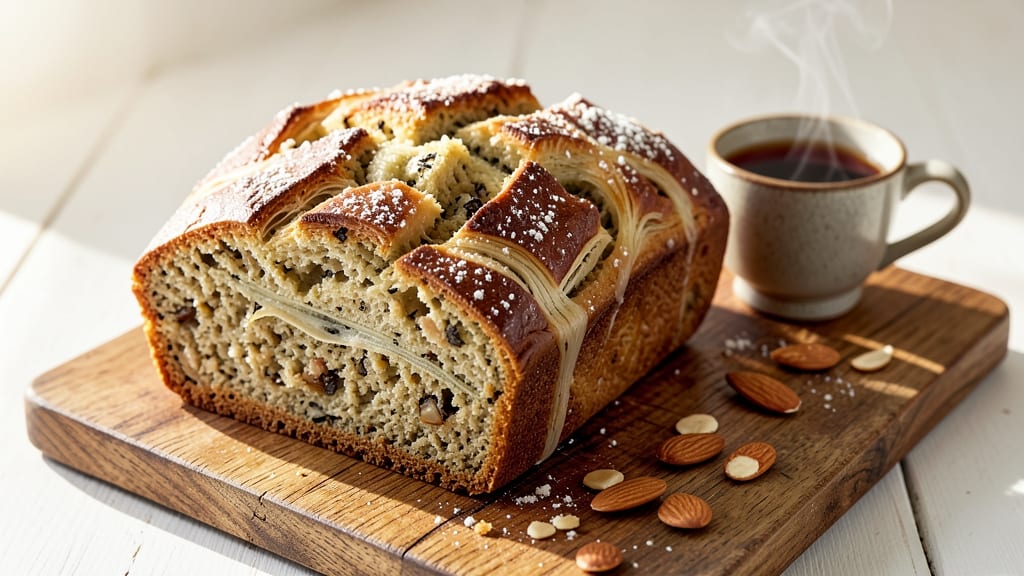
This almond tea bread recipe delivers a moist, tender loaf with layers of nutty sweetness from almond flour and aromatic tea infusion. 💛 The perfect balance of buttery richness and subtle tea notes makes it ideal for afternoon tea or breakfast toast.
Unlike dense almond cakes, this recipe achieves a light, airy crumb while keeping the signature almond flavor intact.
The secret lies in combining almond flour with all-purpose flour for structure, while steeped tea adds depth without overpowering the buttery base. A simple vanilla extract and citrus zest boost brightens the flavor profile, creating a loaf that's both comforting and sophisticated.
The recipe yields a standard 8x4-inch loaf that slices beautifully, with a tender crumb that stays moist for days.
What sets this apart is the foolproof method that ensures consistent results every time—no guesswork about texture or flavor. Whether you prefer black tea's robust notes or green tea's delicate aroma, this recipe adapts easily.
The subtle sweetness from the tea infusion means you can reduce sugar slightly without sacrificing flavor, making it a versatile choice for various dietary preferences.
Perfect for gifting, meal prep, or enjoying fresh from the oven, this almond tea bread transforms a simple afternoon into a moment of indulgence. The recipe includes optional variations like adding cinnamon or cardamom for extra warmth, ensuring you can customize it to your taste. Let's bake this crowd-pleaser!
Ingredients for almond tea bread
Pantry staples meet tea time elegance—just 12 ingredients for a loaf that’s both comforting and sophisticated.
| Ingredient | Amount | Notes |
|---|---|---|
| Almond Flour 🥜 | 1 ½ cups | Finely ground, unsweetened |
| All-Purpose Flour 🌾 | 1 cup | Sifted for even texture |
| Granulated Sugar 🍚 | ¾ cup | White or light brown |
| Unsalted Butter 🧈 | ¾ cup | Cold, cubed for creaming |
| Large Eggs 🥚 | 2 whole | Room temperature preferred |
| Black Tea Leaves ☕ | 2 tbsp | Loose or bagged, strong variety |
| Hot Water 💧 | ½ cup | Steep tea for infusion |
| Vanilla Extract 🌸 | 1 tsp | Pure, high-quality |
| Lemon Zest 🍋 | 1 tbsp | Freshly grated |
| Baking Powder 🧪 | 1 ½ tsp | Aluminum-free preferred |
| Salt 🧂 | ½ tsp | Fine sea salt |
| Milk 🥛 | ¼ cup | Any variety, room temp |
The almond flour is non-negotiable here—Bob’s Red Mill or Anthony’s Goods are my go-tos for consistent texture. Freshly ground makes all the difference, but pre-ground works if you’re in a pinch. For the tea, Earl Grey or English Breakfast bags work perfectly, but loose-leaf steeped in hot water gives the deepest infusion. The butter should be cold when creamed with sugar—this ensures that light, airy crumb. If your kitchen runs warm, chill the bowl for 15 minutes before starting.
No almond flour? Substitute with 1 cup whole wheat flour plus 1/4 cup ground almonds—it’ll be denser but still delicious. Running short on eggs? Flax eggs (2 tbsp ground flax + 6 tbsp water) work in a pinch, though texture may vary slightly. The milk can be swapped for almond or oat milk if you prefer dairy-free. For the tea infusion, steep the leaves for 5-7 minutes—longer steeping intensifies the flavor but may make the bread taste bitter. Strain thoroughly to avoid gritty texture.
This loaf keeps beautifully—3-4 days at room temperature wrapped in foil, or up to 1 week in the fridge. For longer storage, freeze slices between parchment paper for up to 3 months. The tea-infused flavor actually improves slightly after the first day as the moisture redistributes. Reheat slices in a 200°F oven for 5-10 minutes to restore freshness. The crumb stays moist thanks to the almond flour, so you won’t need to worry about drying out.
Why You'll Love This Recipe
- No Mixer Needed: I swear by this—just fold the almond flour and butter until it resembles wet sand. No electric mixer, no fuss, and the texture comes out tender every time. My hands get a little tired, but the result? Worth the effort.
- Buttery-Almond Magic: That first bite where the warm, buttery crumb meets the toasted almond notes? It’s like a hug for your taste buds. The granulated sugar caramelizes just enough to keep it moist without being cloying—perfect for sipping tea with.
- Weekday & Weekend Star: Pack a loaf for work—it stays fresh for days, and the slices toast up beautifully. Or bring it to a brunch where it disappears faster than the good coffee. Honestly, I’ve made it for date nights, potlucks, and lazy Sundays. It doesn’t judge your occasion.
- Budget-Friendly Luxury: Almond flour can be pricey, but here’s the trick: use half and half with all-purpose flour, and you get that rich texture without breaking the bank. A single batch feeds four, and leftovers? They’re my go-to for quick toast or French toast. Smart, simple, and satisfying.
Step-by-step instructions for almond tea bread
Follow this method for a tender crumb infused with tea aroma and nutty richness.
👨🍳 Step 1: Infuse the Tea and Cream Butter
Place the 2 tbsp black tea leaves in a heatproof bowl and pour over the 0.5 cup hot water. Let steep for 5 minutes while you prepare the other ingredients—this creates a fragrant infusion that will permeate your bread. Meanwhile, in a stand mixer fitted with the paddle attachment, beat the 0.75 cup unsalted butter on medium speed until light and fluffy, about 3 minutes. This creaming process incorporates air, which helps create that signature moist crumb.
Here's the thing—don't skip the tea infusion. The subtle earthy notes balance the sweetness and enhance the almond flavor. If you use bagged tea, remove the leaves after steeping to avoid gritty texture. And keep that butter cold until you're ready to mix with the wet ingredients to prevent premature melting.
👨🍳 Step 2: Mix Wet Ingredients and Add Dry Components
In a separate bowl, whisk together the 2 whole large eggs, 0.75 cup granulated sugar, 1 tsp vanilla extract, 1 tbsp lemon zest, the cooled tea infusion, and 0.25 cup milk. The mixture should be smooth with no lumps. With the mixer running on low speed, gradually add the 1.5 cups almond flour and 1 cup all-purpose flour until just combined—you should still see a few streaks of flour. Overmixing develops gluten and makes the bread dense.
Next, add the 1.5 tsp baking powder and 0.5 tsp salt, mixing just until evenly distributed. The dough will be thick and sticky, almost like cookie dough. This is normal—almond flour absorbs more moisture than regular flour. If the dough seems too stiff, add 1 tablespoon of milk at a time until it reaches a spreadable consistency.
🔥 Step 3: Prepare the Loaf Pan and Bake
Preheat your oven to 350°F and lightly grease an 8x4-inch loaf pan with butter or line it with parchment paper for easy removal. Spoon the batter into the prepared pan and smooth the top with a spatula. Here's where it gets crucial: tap the pan gently on the counter 3-4 times to release any air bubbles that might have formed during mixing. This ensures an even rise and prevents sinkholes in your bread.
Bake for 50-55 minutes until a toothpick inserted in the center comes out clean and the top is golden brown. The bread is done when it springs back slightly when pressed gently in the center. If the top browns too quickly, tent the pan with aluminum foil after 30 minutes to prevent over-browning while allowing the center to cook through.
⏰ Step 4: Cool and Slice for Maximum Moisture
Remove the bread from the oven and let it cool in the pan for 10 minutes. This resting period allows the internal heat to distribute evenly and prevents cracking when you transfer it. After 10 minutes, carefully invert the bread onto a wire rack to cool completely. I know it's tempting to slice immediately, but waiting at least 1 hour ensures clean slices and prevents the bread from falling apart.
The result should be a tender, moist loaf with a delicate crumb and subtle tea aroma. The almond flour gives it a delicate texture while the lemon zest adds a bright, citrusy note that cuts through the richness. Slice thickly for the best texture—each bite should be moist and flavorful without being overly sweet.
Pro Tips For Making Almond Tea Bread
- MEASURE ALMOND FLOUR BY WEIGHT: Almond flour clumps like a diva—don’t scoop it straight from the bag or you’ll end up with a dense brick instead of tender crumb. Use a kitchen scale for accuracy (120g is your target), then fluff it with a fork before measuring. I learned this the hard way after my first batch turned out like a hockey puck.
- CREAM BUTTER AND SUGAR UNTIL PALE: That butter-sugar mix should look like wet sand, not lumpy dough. Use a stand mixer or hand mixer and beat for 3-4 minutes until the color lightens noticeably—this ensures proper aeration for a lighter loaf. I was skeptical until I tried it; the difference in texture is night and day.
- DON’T OVERMIX THE BATTER: Once you fold in the dry ingredients, stop as soon as everything’s just combined. Overmixing develops gluten, and this recipe relies on almond flour’s delicate structure. Two turns of a spatula should do it—any more and you’ll end up with a chewy loaf instead of the tender, moist crumb you want.
- LET THE BATTER REST 10 MINUTES: This isn’t the prettiest method, but it’s the tastiest. After mixing, let the batter sit while you preheat the oven—this gives the almond flour time to hydrate fully. I skip this when I’m lazy, but the bread always turns out denser when I don’t. (Your future self will thank you.)
Troubleshooting this recipe
Dense or Gummy Texture
If your almond tea bread turns out dense or gummy, the issue likely stems from overmixing the batter. Almond flour develops less gluten than regular flour, so you only need to mix until combined—about 30 seconds after adding dry ingredients.
Also, ensure your butter is cold but not frozen when creaming; soft butter can lead to a heavier texture. Another common culprit is insufficient leavening—double-check that your baking powder is fresh (test by mixing with water; it should bubble vigorously). 🔥
Cracked Top or Uneven Rise
Uneven rise or a cracked top often happens when air bubbles form during mixing. After pouring the batter into the pan, tap it gently on the counter 3-4 times to release trapped air.
For extra insurance, place the pan in the preheated oven for 5 minutes before baking to help the batter settle. If your oven runs hot, tent the pan with foil after 30 minutes to prevent over-browning while allowing the center to cook through.
Bitter Tea Flavor
Bitter tea flavor usually means your tea steeped too long. For this recipe, steep the 2 tbsp tea leaves in 0.5 cup hot water for 5 minutes max—longer steeping extracts tannins that can make the bread taste bitter.
Use a strong but not overly tannic tea like Earl Grey or English Breakfast. If you accidentally over-steep, reduce the tea infusion by 1 tbsp and add 1 tbsp extra milk to balance the flavor.
Dry or Crumbly Crumb
Almond flour can make bread dry if not balanced properly. To prevent this, ensure your butter is cold when creaming and don’t overmix. If the dough seems too dry, add 1 tbsp milk at a time until it reaches a spreadable consistency.
For extra moisture, brush the cooled loaf with melted butter or a simple honey glaze (mix 2 tbsp honey with 1 tbsp warm water) before serving.
Sticky or Gummy After Cooling
If your bread stays sticky or gummy after cooling, it likely didn’t bake long enough. Check for doneness by inserting a toothpick—it should come out clean with just a few moist crumbs. If the center seems undercooked, return it to the oven for 5-10 more minutes.
Another trick is to let the bread cool in the pan for 10 minutes before transferring to a wire rack. For extra crispness, slice it slightly thicker than usual.
Soggy Bottom
A soggy bottom usually means the bread didn’t bake long enough or the pan wasn’t properly prepared. Always grease your 8x4-inch loaf pan lightly with butter or line it with parchment paper. If using parchment, make sure it’s snug but not overlapping the edges.
Bake until the internal temperature reaches 205°F—a meat thermometer inserted into the center is the most accurate way to check. For a crisp bottom, place the pan on a baking sheet before baking to prevent heat loss.
Nutrition facts
Frequently asked questions
Why does this almond bread include tea?
The tea infusion adds subtle depth and aroma that complements the nutty almond flavor beautifully. Black or green tea leaves steeped in hot water create a fragrant base that enhances the buttery richness without overpowering it. This technique also helps balance sweetness, making the bread more sophisticated than traditional almond loaves.
Can I make this recipe without almond flour?
Yes, but texture will change. Replace 1.5 cups almond flour with 1 cup whole wheat flour + 1/4 cup ground almonds for a denser loaf. For a lighter version, use 1 cup all-purpose flour + 1/2 cup ground almonds. The tea infusion remains the same, but the crumb won't be as tender without the almond flour's moisture-retaining properties.
How do I store almond tea bread?
Wrap cooled bread tightly in plastic wrap or foil to maintain moisture. Store at room temperature for 3-4 days or refrigerate for up to 1 week. For longer storage, freeze slices between parchment paper for up to 3 months. The tea-infused flavor actually improves slightly after the first day as the moisture redistributes.
What's the best way to reheat slices?
For crispy slices, warm in a 200°F oven for 5-7 minutes on parchment paper. For softer texture, toast in a dry skillet over medium-low heat for 1-2 minutes per side. Microwaving can make the bread gummy—avoid this method. The almond flour keeps slices moist even when reheated.
Can I add chocolate chips or nuts?
Fold in 1/2 cup chocolate chips or 1/2 cup chopped walnuts with the dry ingredients. For extra richness, use dark chocolate (60% cocoa). Keep additions to 1/2 cup total to maintain the bread's tender crumb. Toast nuts first to enhance flavor—just 5 minutes at 350°F before mixing.