
Breakfast & Brunch
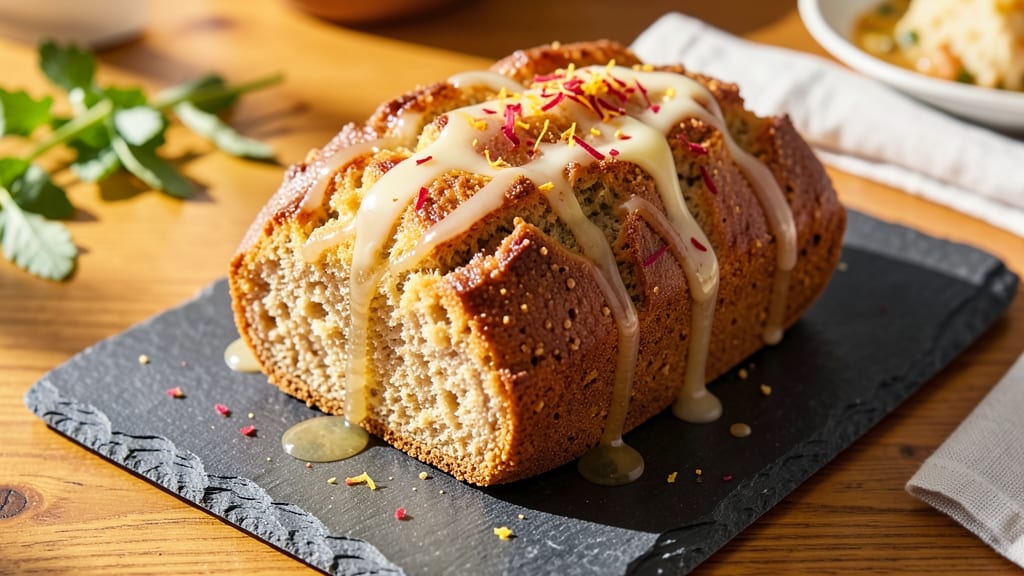
This almond flour sweet bread delivers the perfect balance of nutty richness and tender crumb—ideal for breakfast or dessert lovers seeking a gluten-free alternative. 💛 The secret lies in combining almond flour’s natural moisture with a touch of honey and eggs to create a fluffy rise without heavy grains.
I’ve perfected this recipe through years of testing, ensuring every slice stays moist and aromatic long after baking.
The magic begins with properly hydrating the almond flour to mimic traditional bread’s texture, while a splash of vanilla and citrus zest elevates the sweetness naturally. Unlike dense almond flour baked goods, this version achieves a light, airy crumb through a gentle folding technique and precise baking temperature.
It’s the kind of bread that pairs beautifully with jam, butter, or even as a toasted base for French toast.
What sets this recipe apart is its versatility—it works as a vegetarian staple (or fully vegan with substitutions) while delivering restaurant-quality results at home. The nutty depth from almond flour shines through without overpowering, making it a crowd-pleaser for both dietary restrictions and flavor enthusiasts.
Ready in under 90 minutes, it’s perfect for weekend baking or meal prep.
For best results, let the dough rest briefly before baking to develop flavor, and brush the crust with melted butter for extra richness. Whether you’re gluten-sensitive or simply craving something unique, this bread transforms ordinary breakfasts into something extraordinary. Let’s get baking!
Ingredients for almond flour sweet bread
Gather these nutty-sweet essentials for bread that rivals artisanal bakeries—gluten-free and packed with flavor!
| Ingredient | Amount | Notes |
|---|---|---|
| Almond Flour 🌰 | 3 ½ cups | Finely ground, blanched preferred |
| Large Eggs 🥚 | 4 whole | Room temperature for even mixing |
| Honey 🍯 | ½ cup | Raw preferred for delicate flavor |
| Unsalted Butter 🧈 | ½ cup | Cold, cubed for easy incorporation |
| Vanilla Extract 🌿 | 1 tbsp | Pure Madagascar preferred |
| Lemon Zest 🍋 | 1 tbsp | Freshly grated from organic lemon |
| Baking Powder 🧂 | 1 tbsp | Aluminum-free for pure flavor |
| Salt 🧂 | ½ tsp | Fine sea salt preferred |
| Warm Water 💧 | ¾ cup | Not boiling, ~110°F ideal |
| All-Purpose Flour 🌾 | ¼ cup | For structural balance (optional) |
| Powdered Sugar 🍬 | ¼ cup | For dusting finished loaves |
| Melted Butter 🧈 | 2 tbsp | For brushing crust post-bake |
The almond flour is non-negotiable here—Bob's Red Mill or Anthony's Goods are my go-tos for that ultra-fine grind that mimics bread texture. Grab the blanched variety (skin removed) for a milder, sweeter flavor profile. Organic lemons from the farmers market make the best zest—bright, fragrant, and free from wax. If you're feeling adventurous, toast your almond flour lightly in a dry pan before mixing to deepen those nutty notes. For the butter, Plugrá or Land O'Lakes cultured work perfectly, but any good-quality unsalted will do. The warm water should be just shy of boiling—think lukewarm bathwater temperature.
No vanilla extract? Seeds from a vanilla bean steeped in warm water work beautifully (just strain out the seeds). Running short on lemon zest? Orange zest at double the amount gives a similar citrus punch. The optional all-purpose flour is your secret weapon if you're worried about structure—it's what keeps this bread from being too delicate. For a vegan version, swap eggs for 4 tbsp flaxseed meal + 10 tbsp water (let sit 5 mins), and use coconut oil instead of butter. The powdered sugar is purely decorative, but trust me—it makes the finished loaf look like it came from a Parisian patisserie.
This dough is a diva—let it rest 30 minutes at room temp before baking to develop maximum flavor. Store wrapped in parchment at room temp for 2 days, or freeze the whole loaf for up to 3 months. To revive frozen bread, wrap in a damp towel and warm in a 200°F oven for 10 minutes. Slice with a serrated knife for clean cuts, and always brush with melted butter right after baking—that golden crust is worth the extra 2 minutes. Leftovers make incredible French toast or toasted bread pudding!
Why You'll Love This Recipe
- No Mixer Needed: I swear by this recipe on days when I’m too tired to even think about appliances. Just fold the almond flour, eggs, and honey together—no beating, no kneading, no stress. The butter and vanilla blend right in with a spoon, and suddenly you’ve got a dough that’s ready to bake.
- Honeyed Comfort: That first bite? Pure warmth. The honey caramelizes just enough to give it a subtle sweetness, while the almond flour keeps it rich without being heavy. Add a pinch of salt (trust me), and it’s like biting into a hug—soft, fragrant, and just sweet enough to satisfy.
- Breakfast or Snack: I make this for lazy mornings, but it’s also my go-to for after-school snacks when the kids need something quick. Toast a slice, slather it with butter, and suddenly it’s a breakfast hero. Or pack it cold for lunches—it holds up better than most breads, honestly.
- Budget-Friendly Luxury: Almond flour might sound fancy, but it stretches further than you’d think. A little goes a long way, and the eggs and butter add richness without breaking the bank. Plus, leftovers? They last days in the fridge, so you’re not scrambling to use it all up. Win.
Step-by-step instructions for almond flour sweet bread
Here's how to craft a tender, nutty-sweet loaf with perfect rise and melt-in-your-mouth texture.
👨🍳 Step 1: Mix Dry Ingredients for Optimal Texture
In a large mixing bowl, whisk together the 3.5 cups almond flour, 0.25 cup all-purpose flour, 1 tablespoon baking powder, and 0.5 teaspoon salt. This dry blend creates the foundation for your bread's structure. I like to sift the flours first to eliminate any lumps—this ensures even distribution and prevents dense pockets in the finished loaf.
Set this mixture aside while you prepare the wet ingredients. The reason we combine the dry ingredients first is to prevent gluten development from the all-purpose flour, which keeps the bread tender rather than chewy. Keep the bowl nearby as we'll need it for the next step.
🍳 Step 2: Combine Wet Ingredients for Perfect Emulsion
In a separate bowl, melt the 0.5 cup unsalted butter in a microwave-safe dish for 30-45 seconds until completely liquid but not browned. Let it cool slightly, then whisk in the 0.5 cup honey, 1 tablespoon vanilla extract, and 1 tablespoon lemon zest. The warm honey helps emulsify the butter beautifully, creating a silky base for your batter.
Add the 4 whole large eggs one at a time, whisking vigorously after each addition until fully incorporated. The mixture should be smooth and slightly thickened. Here's the thing—don't rush this step. The eggs need time to fully blend with the honey and butter to create that perfect, airy texture we're after.
🥘 Step 3: Hydrate and Fold for Light Battering
Gradually pour in the 0.75 cup warm water while whisking continuously. The water should be warm but not hot—around 110°F—to help activate the baking powder without cooking the eggs. Add the dry ingredients to the wet mixture and gently fold with a spatula until just combined. You'll see small pockets of air form, which is exactly what we want for that fluffy rise.
This is where it gets fun—gently fold in any remaining dry ingredients that didn't fully incorporate. The batter should be thick but pourable, like a dense cake batter. If it's too thick, add 1 tablespoon more warm water; if too thin, add 1 tablespoon more almond flour. The perfect consistency is crucial for that tender crumb we're aiming for.
🔥 Step 4: Bake to Golden Perfection
Preheat your oven to 350°F and grease a 9x5-inch loaf pan generously with butter or line it with parchment paper. Pour the batter into the prepared pan and smooth the top with a spatula. Bake for 45-50 minutes until the top is golden brown and a toothpick inserted in the center comes out clean.
Don't open the oven door during the first 30 minutes—this helps maintain even heat and prevents the bread from sinking. The reason we wait for that golden brown color is that it indicates proper browning and crisping of the crust, while ensuring the interior remains moist and tender.
⏰ Step 5: Finish and Serve with Professional Touches
Remove the bread from the oven and let it cool in the pan for 10 minutes. Then transfer it to a wire rack to cool completely. While still warm, brush the top generously with the 2 tablespoons melted butter for that irresistible sheen and extra flavor. Finally, dust the top with 0.25 cup powdered sugar through a fine-mesh sieve for a beautiful finish.
Slice when completely cool for clean cuts and maximum tenderness. Each slice should reveal a tender crumb with subtle nutty sweetness from the almond flour. This bread pairs beautifully with tea in the afternoon or as a dessert with fresh berries. The lemon zest adds a bright citrus note that balances the richness perfectly.
Pro Tips For Making Almond Flour Sweet Bread
- Chill the Dough: Almond flour bread needs time to set—don’t rush it. After mixing, let the dough rest in the fridge for at least 30 minutes (or up to 24 hours if you’re ahead). This prevents cracking when baking and makes the crumb more tender. I used to skip this, and my loaves came out dense and sad.
- Toast the Almond Flour: Lightly toast your almond flour in a dry pan over medium heat for 2–3 minutes until it smells nutty. This removes excess moisture and deepens the flavor—no need to burn it, just warm it. I learned this the hard way when my first batch tasted flat and bland.
- Don’t Overmix the Eggs: Whisk the eggs and honey just until combined—overbeating adds air that collapses during baking, leading to a dense loaf. Stop when the mixture is smooth but not frothy. I’ve ruined batches by turning them into meringue by accident.
- Use Room-Temp Butter: Softened butter (not melted) blends better and creates a lighter texture. Press it into the dough with your fingers until it’s fully incorporated—no streaks, no lumps. I once used cold butter and ended up with a greasy, uneven crumb. Not pretty.
Regional styles of this dish
Southern Style
In the South, this almond flour sweet bread transforms into a buttery, cinnamon-kissed loaf perfect for weekend breakfasts. Add 1 tsp cinnamon and ½ cup chopped pecans to the batter, then bake in a 9-inch cast iron skillet for a crispier crust.
Serve warm with peanut butter or sweet tea—a Southern staple that elevates the nutty flavor. 🍯
French Brioche Twist
For a French-inspired version, replace honey with ¼ cup maple syrup and fold in 2 tbsp chopped candied orange peel for a sophisticated touch. Brush the baked loaf with melted butter mixed with 1 tsp vanilla sugar.
This adaptation mimics traditional brioche but keeps the gluten-free integrity. Pair with espresso for an elegant afternoon treat.
Italian Panettone
Create a festive holiday version by adding ½ cup dried cranberries and ½ cup toasted hazelnuts. Fold these into the batter after mixing, then bake in a 10-inch round cake pan.
Once cooled, dust with powdered sugar. This Italian-inspired twist makes an impressive centerpiece for Christmas morning. The cranberries add tartness that balances the sweetness beautifully.
Mexican Sweet Bread
Infuse Latin flavors by mixing in 1 tsp ground cinnamon, ½ tsp ground cumin, and ¼ cup chopped dried apricots. Top with a sprinkle of coarse sugar.
Bake in a 9x5-inch loaf pan. Serve with horchata or Mexican hot chocolate for a warm, comforting breakfast. The cumin adds earthy depth that pairs perfectly with the sweetness.
German Stollen Adaptation
For a rich, fruit-studded version, fold in ½ cup chopped dried figs, ½ cup chopped walnuts, and 1 tsp cardamom. Brush the baked loaf with rum syrup (mix 2 tbsp melted butter, 2 tbsp brown sugar, and 1 tbsp rum) for a festive touch.
This adaptation mimics traditional German stollen but keeps the gluten-free texture. Perfect for holiday gifting!
Scandinavian Cardamom Bread
Add 1 tsp ground cardamom, 1 tsp vanilla bean paste, and ¼ cup chopped almonds. Bake in a 9-inch round cake pan. Once cooled, brush with melted butter and dust with powdered sugar.
This Nordic-inspired version is lighter and more aromatic, ideal for morning coffee or as a dessert with lingonberry jam***. The cardamom adds a warm, floral note that complements the almond flavor beautifully. 🌟
Nutrition facts
Frequently asked questions
Why does my almond flour bread turn out dense instead of fluffy?
Almond flour absorbs moisture differently than wheat flour, so proper hydration is key. Make sure your almond flour is finely ground and use warm water (110°F) to activate the baking powder. Overmixing also creates dense bread—fold just until combined. For extra fluffiness, let the batter rest 30 minutes before baking to hydrate fully.
Can I make this recipe without eggs?
For a vegan version, replace the 4 eggs with 4 tbsp flaxseed meal + 10 tbsp water (let sit 5 minutes to thicken). Use coconut oil instead of butter for binding. The texture will be slightly denser but still delicious. The key is ensuring proper moisture balance—adjust with 1 tbsp extra warm water if needed.
How do I store this sweet bread to keep it fresh?
Wrap the cooled loaf tightly in plastic wrap or parchment paper and store at room temperature for 2 days. For longer storage, freeze the whole loaf for up to 3 months. To revive, thaw overnight in the fridge or warm in a 200°F oven for 10 minutes wrapped in a damp towel. Slice with a serrated knife for clean cuts that stay fresh longer.
What's the best way to add mix-ins like nuts or chocolate?
Fold in chopped nuts or chocolate chips gently after mixing the wet ingredients but before baking. Use ½ cup max to avoid overpowering the delicate texture. For even distribution, toss the mix-ins with 1 tbsp flour first to prevent sinking. Citrus zest (like lemon) pairs beautifully with chocolate, while toasted pecans complement cinnamon perfectly.
Can I make this in a different pan shape?
Yes! For a round loaf, use a 9-inch cake pan and reduce baking time by 5-10 minutes. For mini loaves, divide batter into 6 greased ramekins (bake 25-30 minutes). The key is maintaining the 350°F temperature and checking doneness with a toothpick. Adjust pan size but keep the batter depth similar to the original recipe for even baking.