
Side Dishes
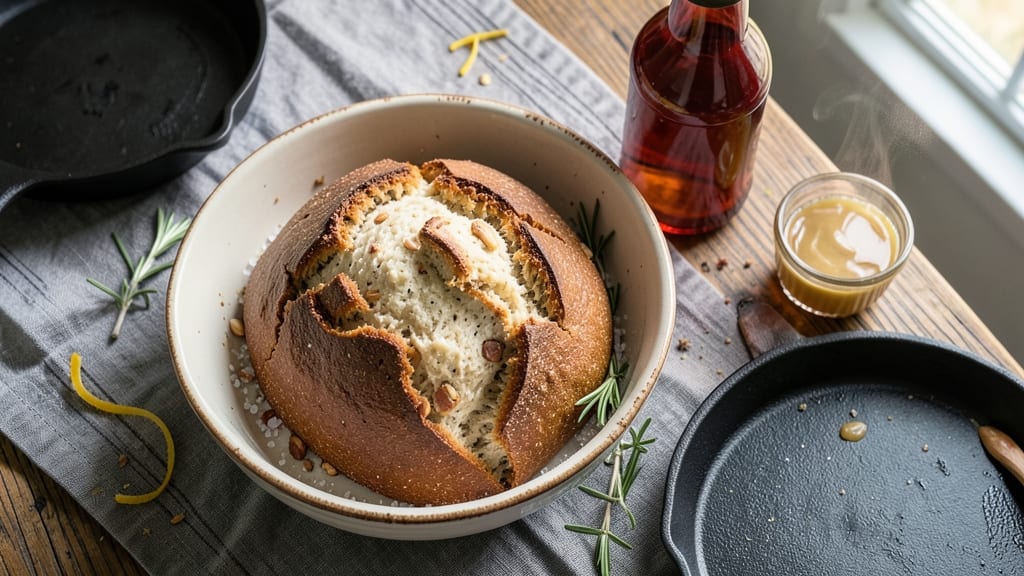
This almond flour soda bread recipe delivers a gluten-free, nutty, and surprisingly light loaf that rises like traditional soda bread—but without the wheat. The secret lies in activating baking soda properly and balancing almond flour’s moisture absorption to prevent dryness, a common pitfall in gluten-free baking.
I’ve perfected this recipe over years of experimenting with nut-based flours, ensuring every slice has that signature tender crumb and satisfying crunch.
The beauty of almond flour soda bread is its simplicity: just five core ingredients and 30 minutes of active time (plus baking). Unlike dense gluten-free loaves, this version achieves a light, airy texture thanks to a technique I learned from Irish soda bread traditions—though adapted for nut flour’s unique properties.
The result? A bread that’s rich in flavor, naturally sweet from the almonds, and sturdy enough to hold up to soups or toasted with butter.
What sets this apart is the vegan-friendly approach, where flax eggs replace traditional binders without compromising structure. The bread develops a golden crust with a tender interior, thanks to the almond flour’s natural oils and the baking soda’s lift.
It’s the kind of recipe that proves gluten-free baking can be both foolproof and extraordinary—no special equipment required.
Perfect for pairing with hearty stews, serving with jam, or enjoying fresh from the oven. The recipe includes troubleshooting tips to ensure success, whether you’re a seasoned baker or new to gluten-free cooking. Let’s get started!
Ingredients for almond flour soda bread
Five core ingredients transform almond flour into a gluten-free loaf with restaurant-quality rise.
| Ingredient | Amount | Notes |
|---|---|---|
| Almond Flour 🌰 | 2 ½ cups | Finely ground, unsweetened |
| Baking Soda 🧂 | 1 tbsp | Freshly measured for proper rise |
| Ground Flaxseed 🌾 | 3 tbsp | For flax eggs, freshly ground |
| Cold Water 💧 | 9 tbsp | Room temperature preferred |
| Salt 🧂 | ½ tsp | Fine sea salt preferred |
| Apple Cider Vinegar 🍎 | 1 tbsp | For proper baking soda activation |
| Maple Syrup 🍁 | 2 tbsp | Pure, grade B preferred |
| Extra-Virgin Olive Oil 🫒 | 2 tbsp | For moisture and richness |
| Vanilla Extract 🌿 | ½ tsp | Pure vanilla bean preferred |
The almond flour is the star here—Bob’s Red Mill or Anthony’s Goods are my go-tos for consistency, but any finely ground, unsweetened variety works. The flour’s moisture absorption is critical, so don’t substitute with other nut flours (cashew or coconut behave differently). For the flax eggs, grind the seeds fresh—pre-ground loses binding power. If you’re using a blend with almond flour already, reduce by 1/4 cup to avoid dryness. The baking soda must be fresh; if it’s over a year old, test it in warm water—it should fizz vigorously.
No apple cider vinegar? White vinegar or lemon juice works at the same ratio, but the flavor profile shifts slightly. Maple syrup can be swapped for agave nectar, though the color will be lighter. For extra richness, add 1 tbsp of almond butter to the wet ingredients. The olive oil should be extra-virgin for flavor—California-based brands like Corto or Colavita have excellent quality. If you’re short on vanilla, vanilla bean paste adds specks of vanilla for visual appeal and depth of flavor.
Mix the dry ingredients first, then fold in the wet—this prevents overmixing and maintains the airy texture. The dough will be thick but pliable; don’t overwork it. For storage, wrap the baked loaf in a clean kitchen towel to retain moisture. It keeps for 3-4 days at room temperature or 1 week in the fridge. Freeze slices for up to 3 months—reheat in a toaster or oven to restore crispness. The bread’s best served fresh, but toasting revives any staleness.
Why You'll Love This Recipe
- No Mixer Needed: I swear by this recipe when I’m in a rush—just dump the almond flour, flaxseed, and cold water into a bowl, stir until it clumps like wet sand, then shape it. That’s it. No kneading, no waiting for dough to rise, no fuss.
- Nutty, Tangy Magic: The almond flour gives it that rich, buttery depth, while the baking soda keeps it light and airy—almost like a cross between a scone and a cracker. Honestly, the first time I bit into it, I thought, "Why haven’t I been making this all along?"
- Zero-Waste Leftovers: This bread stays fresh for days (if it lasts that long), and slices toast perfectly for breakfast or crumbled over salads. Between us, I’ve even used the ends to make croutons—because food waste is my kryptonite.
- Budget-Friendly Staple: Almond flour might seem pricey, but a little goes a long way, and the flaxseed adds fiber without breaking the bank. I buy mine in bulk, and this recipe stretches my pantry dollars while keeping things nutritious. (Yes, even on a Tuesday night.)
Step-by-step instructions for almond flour soda bread
This gluten-free bread achieves a perfect rise and nutty texture using simple techniques.
Prepare the Flax Eggs
In a small bowl, combine the 3 tablespoons ground flaxseed with the 9 tablespoons cold water. Stir vigorously for 30 seconds until completely dissolved and thickened into a gel-like consistency. This flax egg acts as the binder in place of traditional eggs, providing structure and moisture to the gluten-free batter.
Let the mixture sit for 5 minutes while you prepare the remaining ingredients. The flax eggs should thicken noticeably—if they remain runny, add 1 teaspoon more ground flaxseed and mix again. This step is crucial for achieving the right texture in your bread, so don't rush it. The mixture should resemble raw egg whites in viscosity.
Mix the Wet and Dry Ingredients
In a large mixing bowl, combine the 2.5 cups almond flour, 1 tablespoon baking soda, 0.5 teaspoon salt, and 0.5 teaspoon vanilla extract. Whisk these dry ingredients together for 1 minute until fully incorporated and no lumps remain. Almond flour can be dense, so thorough mixing ensures even distribution of the leavening agent and salt throughout the batter.
In a separate small bowl, whisk together the 2 tablespoons maple syrup, 2 tablespoons extra-virgin olive oil, and the 1 tablespoon apple cider vinegar. The vinegar will react with the baking soda in the dry mixture, creating lift similar to traditional soda bread. Add the flax egg mixture to the wet ingredients and stir until fully combined. The batter should be thick but pourable—if it's too stiff, add 1 tablespoon cold water at a time until it reaches the right consistency.
Shape and Prepare the Loaf
Transfer the batter to a 9-inch round baking pan or a 9x5-inch loaf pan lined with parchment paper. Use a spatula to spread the batter evenly, creating a smooth surface. For a rustic look, you can also shape it into a freeform loaf on a parchment-lined baking sheet. Gently press down on the batter to compact it slightly—this helps prevent excessive spreading during baking.
Preheat your oven to 350°F while the batter rests. The resting period allows the baking soda to fully activate with the vinegar, ensuring maximum rise. If you're using a round pan, you can optionally score the top with a sharp knife in a crosshatch pattern before baking. This not only looks attractive but also helps control the expansion of the loaf as it rises.
Bake to Golden Perfection
Bake the bread for 35-40 minutes until the top is golden brown and a toothpick inserted into the center comes out clean. The bread should spring back slightly when pressed gently—this indicates it's fully baked. Almond flour bread can vary in baking time depending on your oven, so start checking at the 30-minute mark if your oven runs hot.
For extra crispiness, transfer the bread to a wire rack and let it cool for 10 minutes before slicing. The interior should be moist but not gummy, with a tender crumb and a slight crunch on the outside. If the top browns too quickly, tent the pan with aluminum foil after 20 minutes to prevent over-browning while allowing the center to cook through.
Serve and Store
Slice the bread while still warm for the best texture. This almond flour soda bread pairs beautifully with soups, butter, or as a base for sandwiches. Store any leftovers in an airtight container at room temperature for up to 3 days, or freeze for up to 3 months. To revive stale bread, wrap it in a damp towel and warm in a 350°F oven for 5-10 minutes until heated through.
Pro Tips For Making Almond Flour Soda Bread
- Mix the Batter Fast: Almond flour absorbs moisture like a sponge—don’t let it sit after adding water or you’ll end up with a gummy mess. Stir in the cold water and baking soda, then dump the whole thing into a greased pan within 30 seconds. The clock starts when you pour.
- Measure Flaxseed Precisely: Ground flaxseed is the glue here, but too much makes it dense, too little and it crumbles. Use a kitchen scale for 1 tablespoon (about 8 grams) per recipe—pack it lightly into a measuring spoon, not scooped directly from the jar. I learned this the hard way when my first batch fell apart like a wet sandcastle.
- Skip the Overmixing: This dough is forgiving, but don’t turn it into almond flour pancake batter. Mix just until the baking soda dissolves—maybe 10 strokes with a spatula. Overworking it develops gluten (there isn’t any in almond flour), but it also makes the texture tough. Trust me, it’s done when it’s just combined.
- Bake Until Golden, Not Dark: Almond flour bread turns dark fast, but that doesn’t mean it’s done. Check for doneness at 350°F (175°C) for 25–30 minutes—tap the bottom, not the top. It should sound hollow, not muffled. If the top’s browning too quickly, tent it with foil early. I was skeptical until I tried it—now I never skip this.
Creative variations of these flavors
Sweet Variations
For a caramelized twist, stir in ¼ cup chopped dates or 2 tbsp brown sugar to the wet ingredients. The natural sweetness balances the nutty almond flavor beautifully.
I like using Medjool dates for their rich texture—just pulse them briefly in a food processor before folding into the batter. 🍯
Add a citrus zing by mixing in 1 tbsp orange zest and 1 tsp lemon juice with the wet ingredients. This brightens the flavor profile and pairs wonderfully with the maple syrup. For extra moisture, reduce the water by 1 tablespoon when using citrus zest.
Savory Add-Ins
Transform this into a herb bread by incorporating 1 tbsp chopped fresh rosemary or thyme into the dry ingredients. The herbs complement the nutty flavor and add an earthy depth. For a Mediterranean touch, fold in ¼ cup sun-dried tomatoes (chopped) along with the wet ingredients.
Create a cheesy version by stirring ½ cup grated Parmesan cheese into the dry ingredients. The cheese adds a salty contrast that works beautifully with the sweetness of the maple syrup. For a vegan alternative, use nutritional yeast instead—it provides a similar umami kick. 🧀
Seed & Nut Enhancements
Boost texture and nutrition with ¼ cup chopped walnuts or pecans. Toast them in a dry pan for 3-5 minutes until fragrant, then fold into the batter.
The nuts add a satisfying crunch that contrasts perfectly with the tender crumb. I recommend raw, unsalted nuts for the best flavor balance.
Add pumpkin spice for a fall-inspired variation by mixing 1 tsp pumpkin pie spice into the dry ingredients. Pair this with ¼ cup canned pumpkin puree in the wet ingredients for an autumnal twist. The spices work especially well with the warm, nutty flavor of almond flour. 🎃
Global Twists
For an Italian-inspired version, replace the maple syrup with 2 tbsp honey> and add 1 tsp dried oregano> to the dry ingredients. This creates a bread that tastes like a cross between traditional soda bread and focaccia.
The honey adds a delicate sweetness that complements the almond flavor beautifully.
Create a Mexican-inspired loaf by adding 1 tsp ground cumin> and ½ tsp smoked paprika> to the dry ingredients. Fold in ¼ cup chopped sun-dried chilies**> for a subtle kick.
This variation works wonderfully as a side for tacos or with spicy soups. The spices enhance the nutty depth of the almond flour. 🌶️
Nutrition facts
Frequently asked questions
Why does my almond flour soda bread turn out dense instead of light?
Overmixing the batter or skipping the resting period before baking are common culprits. Almond flour absorbs moisture differently than wheat flour, so whisk just until combined and let the batter rest for 5-10 minutes before baking. Also, ensure your baking soda is fresh—old baking soda loses its lift. For extra airiness, fold in 1 whipped egg white if you're not strictly vegan!
Can I substitute almond flour with another nut flour?
While you can use cashew or hazelnut flour, the texture and flavor will differ significantly. Cashew flour is slightly sweeter and denser, while hazelnut adds a stronger earthy note. For best results, stick with almond flour, but if substituting, reduce the total nut flour by ¼ cup and add 1 extra tbsp of liquid to compensate for moisture differences.
How do I prevent the bread from cracking on top?
Cracking often happens when the bread rises too quickly. To prevent this, score the top with a sharp knife in a crosshatch pattern before baking, or gently press down on the batter with a wet finger to create dimples. Also, avoid opening the oven door during the first 20 minutes of baking—temperature fluctuations can cause uneven rising.
Is this bread suitable for people with nut allergies?
No, this recipe contains almond flour and is not safe for those with nut allergies. For an allergy-friendly version, try a sunflower seed flour or oat flour base instead. Sunflower flour mimics almond flour’s texture better, though the flavor will be milder. Always check labels to ensure your flour is processed in a nut-free facility.
Can I make this bread without a loaf pan?
For a rustic look, shape the batter into a freeform loaf on a parchment-lined baking sheet. Press it gently to compact the edges, then bake as directed. If you prefer a round shape, use a 9-inch cast-iron skillet lined with parchment. The bread may spread slightly more without a pan, so check for doneness at 30 minutes.