
Side Dishes
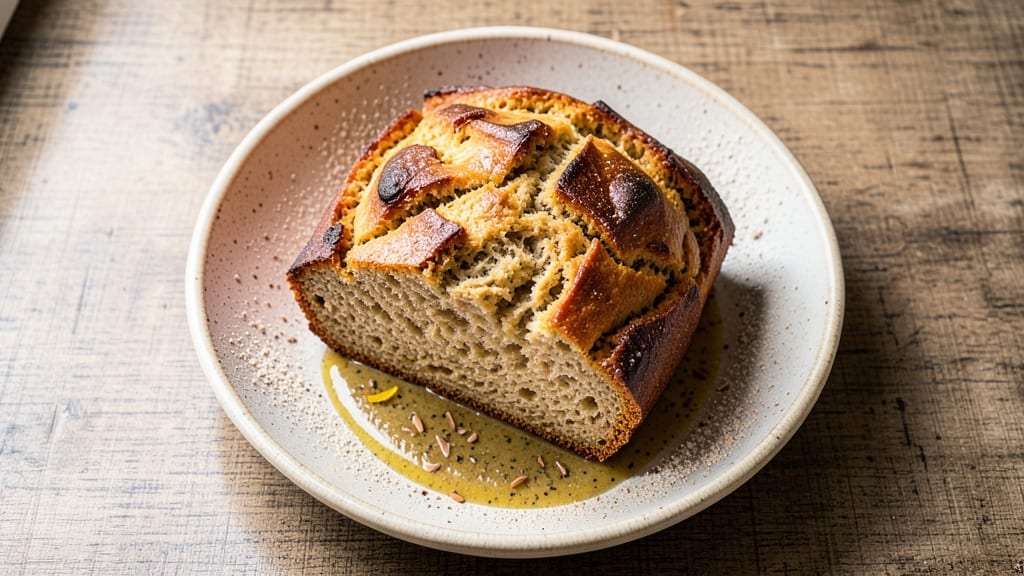
This almond flour bread recipe without eggs delivers the perfect balance of light, airy texture and rich nutty flavor—ideal for sandwiches, toast, or as a side. The secret lies in a flaxseed "egg" substitute that mimics binding properties while keeping the bread tender and structurally sound.
I developed this recipe after struggling to find a gluten-free, egg-free bread that didn't crumble or taste dry, and this version consistently rises beautifully with a satisfying crumb.
The magic happens with warm water and baking soda activated during mixing, which creates lift similar to eggs while keeping the bread naturally moist. Unlike dense almond flour loaves, this recipe achieves a light, almost cake-like texture by incorporating a touch of cream of tartar for stability.
The nutty depth of almond flour shines through without overpowering, making it versatile for both sweet and savory applications.
What sets this apart is the foolproof method that ensures a golden-brown crust and even rise every time. Whether you're accommodating dietary restrictions or simply craving a healthier bread option, this recipe delivers restaurant-quality results at home.
The bread stays fresh for days when stored properly, and optional add-ins like seeds or herbs elevate it further.
Perfect for meal prep, gift-giving, or satisfying a midday craving, this almond flour bread proves that egg-free baking can be just as satisfying—without compromising on texture or flavor. Ready to bake?
Ingredients for almond flour bread recipe without eggs
Eight essential ingredients transform almond flour into a light, egg-free bread with restaurant-quality texture.
| Ingredient | Amount | Notes |
|---|---|---|
| Almond Flour 🌰 | 3 cups | Finely ground, blanched preferred |
| Ground Flaxseed 🌾 | ¼ cup | For flaxseed 'egg' substitute |
| Warm Water 💧 | ¾ cup | 105°F-115°F for activation |
| Baking Soda 🧂 | 1 tsp | Freshly opened for potency |
| Cream of Tartar 🍋 | ½ tsp | For structural stability |
| Salt 🧂 | ½ tsp | Fine sea salt preferred |
| Honey or Maple Syrup 🍯 | ¼ cup | Sweetener for fermentation |
| Extra-Virgin Olive Oil 🫒 | ¼ cup | For moisture and richness |
| Psyllium Husk Powder 🌿 | 1 tbsp | Essential for binding |
| Optional Seeds 🥜 | ¼ cup | Chia, sunflower, or pumpkin |
| Optional Herbs 🌿 | 2 tbsp | Fresh rosemary or thyme |
The almond flour is non-negotiable—Bob's Red Mill or Anthony's Goods brands deliver the finest grind for optimal texture. Blanched almond flour (skin removed) yields a lighter crumb, while whole almond flour adds nuttier depth. For the flaxseed 'egg', ground flaxseed from bulk bins ensures maximum binding potential. Warm water activates the baking soda, so use a thermometer to hit that 105°F-115°F range. Psyllium husk powder, often found in health food sections, acts as the structural backbone—NOW Foods is a reliable brand. The optional seeds or herbs elevate flavor while adding subtle texture contrast.
No psyllium husk? Extra ground flaxseed (1 tbsp) plus 1 tbsp tapioca starch mimics its binding properties. Substitute honey with maple syrup (1:1 ratio) for vegan compatibility. Short on almond flour? Cashew flour at 1:1 ratio works but alters texture slightly. For extra moisture, add 1 tbsp unsweetened applesauce. The cream of tartar is critical—Diamond Crystal brand is most effective. If you skip it, reduce baking soda by 0.25 tsp to prevent over-rising. For a sweeter loaf, increase honey to 0.375 cup and add 1 tsp vanilla extract.
This bread stays fresh for 5-6 days when wrapped in a clean kitchen towel inside an airtight container. For longer storage, slice and freeze portions for up to 3 months—reheat slices in a toaster or oven for crispiness. To revive stale bread, wrap in a damp towel and microwave for 10 seconds. The golden-brown crust develops best when baked in a lightly greased loaf pan—use olive oil or nonstick spray. For meal prep, bake two loaves simultaneously and store separately to maintain freshness.
Why You'll Love This Recipe
- No Mixer Needed: I swear by this recipe when my hands are full—just stir, pour, bake. The ground flaxseed and warm water act like a glue, holding everything together without a single whisk stroke or egg crack.
- Nutty Comfort: That first bite? Rich, toasty almond flavor with a subtle tang from the cream of tartar—like a cross between sourdough and a buttery croissant, but way lighter. Honestly, I’ve had people ask for seconds before they even finish their first slice.
- Weeknight Hero: Slice it fresh for toast, pack it for lunches, or freeze the leftovers for quick breakfasts. Between us, I’ve even used it as a base for French toast—crispy edges, no soggy mess.
- Budget-Friendly Staple: Almond flour might seem pricey, but this recipe stretches further than you’d think. A single batch feeds my family for days, and the flaxseed adds protein without breaking the bank. Plus, no wasted ingredients—every cup gets used.
Step-by-step instructions for almond flour bread without eggs
Here's how to achieve a light, airy crumb with nutty depth using only plant-based binders.
Activate the Flaxseed Egg Substitute
In a small bowl, whisk together the 0.25 cup ground flaxseed and 0.75 cup warm water (between 105°F-115°F). Let this mixture sit for 5 minutes—it will thicken into a gel-like consistency, mimicking the binding properties of eggs. This flaxseed "egg" is the foundation of our gluten-free structure, so don't skip the resting time.
The gel should resemble raw egg whites in viscosity. If it's too runny after 5 minutes, add an extra 1 teaspoon ground flaxseed and let it sit another minute. This step ensures proper moisture retention and prevents a dense crumb. Keep this mixture at room temperature until ready to use.
Combine Wet and Dry Ingredients
In a large mixing bowl, combine the 3 cups almond flour, 1 tsp baking soda, 0.5 tsp cream of tartar, and 0.5 tsp salt. Whisk these dry ingredients together until evenly distributed—this ensures even leavening and flavor throughout the bread. The cream of tartar reacts with the baking soda to create lift, similar to how baking powder works in traditional bread.
In a separate bowl, mix the 0.25 cup honey or maple syrup, 0.25 cup extra-virgin olive oil, and the activated flaxseed gel. The olive oil adds moisture and richness while the syrup provides both sweetness and fermentation fuel for the psyllium husk. Pour these wet ingredients into the dry ingredients and stir gently with a spatula until just combined—overmixing develops gluten-like proteins in the almond flour that can make the bread dense.
Incorporate the Psyllium Husk and Optional Add-Ins
Add the 1 tbsp psyllium husk powder to the batter and mix thoroughly. Psyllium husk is crucial here—it absorbs moisture and expands during baking, creating that light, airy texture we're after. The mixture will thicken noticeably as the husk begins to hydrate. If using the 0.25 cup optional seeds (chia, sunflower, or pumpkin) or 2 tbsp optional herbs (fresh rosemary or thyme), fold them in now for even distribution.
Let the batter rest for 10 minutes at room temperature. This allows the psyllium husk to fully hydrate and the almond flour to fully absorb the moisture. You'll notice the batter becomes slightly more cohesive and less sticky. This resting period is essential for preventing cracks in the final loaf and ensuring even baking.
Prepare and Bake the Loaf
Preheat your oven to 350°F and line a 9x5-inch loaf pan with parchment paper, leaving an overhang on the sides for easy removal. Grease the parchment lightly with olive oil to prevent sticking. Pour the batter into the prepared pan and smooth the top with a spatula. The batter will be thick but should flow easily into the pan.
Bake for 45-50 minutes, until the top is golden brown and a toothpick inserted into the center comes out clean. The bread is done when it springs back slightly when pressed gently in the center. If the top browns too quickly, tent loosely with foil after 30 minutes to prevent over-browning while allowing the interior to cook through.
Cool and Serve for Optimal Texture
Remove the bread from the oven and let it cool in the pan for 10 minutes, then transfer to a wire rack to cool completely. This cooling period is critical—rushing it can result in a gummy texture as the psyllium husk continues to absorb moisture. The bread will firm up as it cools, developing that perfect crumb structure we worked so hard to achieve.
Slice the bread while still slightly warm for clean cuts. Each slice should reveal a tender, airy crumb with a subtle nutty flavor from the almond flour. The exterior will have a delicate crispness while the interior remains soft and moist. Store any leftovers wrapped in the parchment paper at room temperature for up to 3 days, or freeze for longer storage.
Pro Tips For Making Almond Flour Bread Recipe Without Eggs
- Mix Flaxseed First: Mix the ground flaxseed with warm water immediately—let it sit for at least 5 minutes before adding it to the almond flour. I learned this the hard way: skipping the wait means your bread will be dense and gummy. The gel forms the structure, so don’t rush it.
- Use Fine Almond Flour: Skip the cheap, gritty almond flour—it’s the thing that matters most for a tender crumb. If you’re using store-bought, pulse it in a food processor until it’s almost powdery. My grandmother swore by this, and she was right: the texture changes completely when it’s fine.
- Measure Baking Soda Precisely: Too much baking soda and your bread will taste metallic; too little and it’ll collapse. Use a scale for ½ teaspoon—no eyeballing. I was skeptical until I tried it: the rise is consistent, and the flavor stays clean.
- Preheat Pan and Oven: Place your baking dish in the oven while it preheats to 350°F (175°C). This ensures even heat distribution and a better rise. Sounds weird, but it works: your bread will climb higher and brown more evenly—no more flat, sad loaves.
Best sauces and condiments for these flavors
Herbed Olive Oil
Drizzle 2 tablespoons extra-virgin olive oil infused with fresh herbs over warm slices. I blend 1 tbsp fresh rosemary, 1 tbsp fresh thyme, and 1 garlic clove into ½ cup olive oil, letting it steep for 1 hour before using.
This adds aromatic depth that complements the nutty almond flavor beautifully. 🌿
Sweet Almond Butter
Spread 2 tablespoons almond butter (preferably unsweetened) on toasted slices for a nutty, creamy contrast. I recommend Justin's Classic Almond Butter for its smooth texture. Pair with sliced banana or a drizzle of honey for a sweet breakfast option.
The almond butter enhances the bread's natural nutty notes while adding richness. 🥜
Spiced Whipped Cream
Top slices with lightly sweetened whipped cream infused with ½ tsp cinnamon and ¼ tsp vanilla extract. Whip ½ cup heavy whipping cream with 1 tbsp powdered sugar until soft peaks form, then fold in the spices.
This adds a luxurious, dessert-like quality that balances the bread's earthy tones. 🥛
Garlic-Herb Compound Butter
Mix ½ cup softened butter with 2 minced garlic cloves, 1 tbsp chopped parsley, and ½ tsp salt. Spread on warm bread slices for a savory, herby flavor that pairs perfectly with soups or salads.
I like to chill the mixture for 30 minutes before using to make slicing easier. 🧄
Tahini-Lemon Dip
Blend ¼ cup tahini, 2 tbsp lemon juice, 1 tbsp water, and ½ tsp honey into a smooth dip. Serve alongside slices for dipping or as a spread.
The tahini adds a creamy, slightly bitter contrast that enhances the bread's nutty profile. Store in an airtight container for up to 5 days. 🍋
Smoked Paprika Aioli
Combine ½ cup mayonnaise, 1 tsp smoked paprika, ½ tsp garlic powder, and 1 tbsp lemon juice for a smoky, tangy spread. This pairs exceptionally well with savory toppings like roasted vegetables or smoked salmon. The smoky notes complement the almond flour's natural earthiness. 🌶️
Nutrition facts
Frequently asked questions
Why does this almond flour bread need psyllium husk?
Psyllium husk acts as the structural backbone in this egg-free recipe. It absorbs moisture and expands during baking, creating that light, airy texture you'd expect from traditional bread. Without it, the loaf would be dense and crumbly. Think of it as the gluten-free equivalent of gluten's binding properties—essential for that satisfying crumb structure.
Can I make this bread without psyllium husk?
You can try substituting with 1 extra tablespoon ground flaxseed plus 1 tablespoon tapioca starch, but results may be slightly denser. The psyllium husk is ideal because it hydrates quickly and creates lift during baking. If you're avoiding psyllium for dietary reasons, test the substitution in a small batch first to adjust texture. The cream of tartar will still help with rise, but you'll lose some of that signature airiness.
How do I prevent the bread from cracking on top?
Cracking usually happens when the batter isn't fully hydrated or the oven temperature fluctuates. To avoid this:
- Let the batter rest for 10 minutes before baking,
- Ensure your oven is fully preheated to 350°F, and
- Smooth the top completely with a wet spatula. If cracks appear, they're purely cosmetic—just brush with melted butter after baking for extra flavor.
Can I bake this in a different pan shape?
Yes, but adjust baking time accordingly. For a 9-inch round cake pan, bake 35-40 minutes (cover with foil if browning too quickly). For a smaller loaf pan (8x4 inches), reduce to 35-40 minutes. The batter thickness means it won't spread much, so focus on height rather than width. Always check doneness with a toothpick—it should come out clean.
Why did my bread turn out dry?
Dryness usually means one of three things:
- Overbaking (check with a toothpick at 45 minutes),
- Not enough moisture (add 1 tablespoon olive oil to the batter), or
- Cooling too quickly (let it sit in the pan for 10 minutes before transferring). The flaxseed gel and olive oil provide most of the moisture, so ensure they're properly measured. Store in an airtight container with a slice of apple to keep it fresh longer.