
Side Dishes
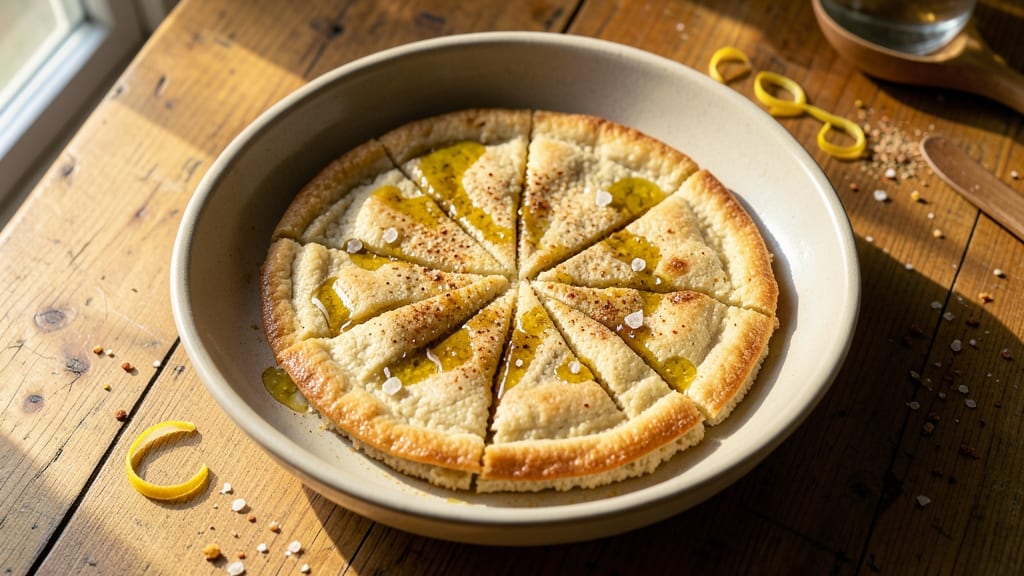
This almond flour flatbread recipe delivers the perfect balance of crispy edges and soft centers without relying on gluten—ideal for anyone managing dietary restrictions or simply craving a lighter alternative.
The secret lies in the right mix of almond flour, olive oil, and a pinch of baking powder, which creates a dough that's easy to shape and bakes up with restaurant-quality texture. I’ve perfected this recipe over countless batches, ensuring it’s foolproof for beginners while still delivering restaurant-worthy results.
The beauty of this flatbread is its versatility—it’s naturally vegetarian (and easily adapted to be vegan) and pairs beautifully with everything from hummus and baba ganoush to grilled meats or fresh salads.
The dough comes together in just 10 minutes, and with 15 minutes of baking, you’ll have warm, golden flatbreads ready to serve. No special equipment is needed, just a baking sheet and your hands.
What sets this recipe apart is the texture: the edges stay delightfully crispy while the centers remain tender and slightly chewy, thanks to a precise blend of hydration and fat.
The almond flour adds a subtle nuttiness that complements both savory and sweet toppings, making it a standout side or wrap. Whether you’re hosting a dinner or meal prepping for the week, this flatbread is a game-changer for gluten-free or low-carb diets.
Once baked, these flatbreads stay fresh for up to 3 days when stored in an airtight container, making them perfect for batch cooking. Serve them warm with your favorite dips or use them as a wrap for sandwiches and bowls.
The simplicity of the ingredients and the ease of preparation make this recipe a must-try for anyone looking to elevate their meals without the fuss.
Ingredients for almond flour flat bread
Nine ingredients transform into golden, gluten-free flatbreads with crispy edges and tender centers.
| Ingredient | Amount | Notes |
|---|---|---|
| Fine Almond Flour 🥜 | 2 cups | Blanched or unblanched, sifted |
| Extra-Virgin Olive Oil 🫒 | ½ cup | Lightly fruity variety preferred |
| Warm Water 💧 | ¾ cup | Not boiling, ~110°F |
| Baking Powder 🍞 | 1 ½ tsp | Aluminum-free for best results |
| Fine Sea Salt 🧂 | ½ tsp | Diamond Crystal preferred |
| Garlic Powder 🧄 | ½ tsp | Freshly ground preferred |
| Ground Cinnamon 🌿 | ¼ tsp | Optional for subtle warmth |
| Sesame Seeds 🌾 | 1 tbsp | Toasted lightly for crunch |
| Fresh Rosemary 🌿 | ¼ tsp | Finely chopped, optional garnish |
The almond flour is the star—Bob's Red Mill or Anthony's Goods are my go-tos for consistent texture. Blanched almond flour gives a slightly lighter color, but unblanched adds more nuttiness. If your almond flour has lumps, sift it first—this makes a world of difference for a smooth dough. For the olive oil, California avocado oil works too if you prefer a neutral flavor. The warm water is key: too hot and the baking powder activates prematurely, too cold and the dough won't bind properly. Aim for lukewarm, like bathwater.
No almond flour? Sunflower seed flour or hazelnut flour can substitute at a 1:1 ratio, though texture will differ slightly. Running short on olive oil? Avocado oil or melted coconut oil work in a pinch, but olive oil's fruity notes complement the almond flavor best. The garlic powder is non-negotiable for flavor, but if you're feeling fancy, add 1/4 tsp of onion powder too. For the sesame seeds, toasted poppy seeds make a nice variation. The cinnamon is truly optional—skip it if you prefer a neutral flavor profile. All spices should be fresh: if your baking powder isn't labeled 'aluminum-free,' toss it—it can leave a metallic aftertaste.
Store the flatbread dough in an airtight container for up to 2 days in the fridge, or freeze shaped portions for 3 months. Baked flatbreads keep at room temperature for 3 days wrapped in a clean kitchen towel to maintain crispness. To reheat, warm in a dry skillet over medium heat for 1-2 minutes per side. I like to make a double batch and freeze half—perfect for quick meals later. The sesame seeds stay crispy for about 24 hours after baking, so add them fresh when serving if you want maximum crunch.
Why You'll Love This Recipe
- Four-Ingredient Magic: The pantry staples you already own—just almond flour, olive oil, water, and salt—come together faster than you can say "no-knead." No yeast, no waiting, no stress. Honestly, I’ve made this while my coffee brewed.
- Nutty Crispy Bliss: That first bite? Crisp edges with a soft, almost buttery center—thanks to the almond flour and olive oil working their magic. It’s not just flatbread; it’s the kind that makes you pause mid-meal to savor it.
- Lunchbox Hero: Pack these for work or school—they hold up better than most bread, stay fresh for days, and pair with everything. Hummus? Yes. Peanut butter? Absolutely. Even just warm with olive oil and salt? Still a win.
- Budget-Friendly Staple: Almond flour isn’t cheap, but a little goes a long way, and these freeze perfectly for future cravings. I make a double batch, freeze half, and thank myself later when I’m too tired to bake. (Yes, even on a Tuesday night.)
Step-by-step instructions for almond flour flatbread
Here's how to achieve that perfect balance of crispy edges and soft centers in gluten-free flatbread.
Combine Dry Ingredients Precisely
In a large mixing bowl, whisk together the 2 cups fine almond flour, 1.5 teaspoons baking powder, 0.5 teaspoon fine sea salt, 0.5 teaspoon garlic powder, and 0.25 teaspoon ground cinnamon. I always sift the almond flour first to prevent clumping—this ensures an even texture throughout the dough. The mixture should look uniformly dry with no visible flour streaks.
This step is crucial for proper leavening and flavor distribution. The baking powder will create that light, airy texture we want, while the garlic powder and cinnamon add subtle depth. If you're using unblanched almond flour, you might want to toast it lightly in a dry pan first for a nuttier flavor profile.
Incorporate Wet Ingredients for Perfect Dough
Create a well in the center of the dry ingredients and pour in the 0.5 cup extra-virgin olive oil. Add the 0.75 cup warm water (around 110°F) and the 0.25 teaspoon finely chopped fresh rosemary to the well. Using a wooden spoon, gently mix the ingredients until just combined—you should have a thick, sticky dough that holds together when pressed.
The dough will be quite different from traditional wheat flour dough—it's more like a thick paste. This is normal with almond flour. If it's too dry, add 1 teaspoon more warm water at a time until it comes together. The olive oil is essential here; it provides moisture and helps create that crispy edge while keeping the center tender.
Divide and Shape the Flatbread
Lightly oil your work surface with a bit of olive oil and transfer the dough to it. Divide the dough into 4 equal portions (about 2 ounces each) and roll each portion into a 6-inch round, about ¼-inch thick. I use a rolling pin, but you can also press the dough with your hands if you prefer a rustic texture.
The key here is even thickness—this ensures even cooking. If any piece feels too sticky, wet your hands slightly before shaping. Don't worry if the edges look uneven; they'll crisp up beautifully in the oven. Place each shaped flatbread on a parchment-lined baking sheet, spacing them about 1 inch apart for even browning.
Toast Sesame Seeds for Maximum Crunch
While the oven preheats to 375°F, toast the 1 tablespoon sesame seeds in a dry skillet over medium heat for 2-3 minutes, stirring constantly until they turn golden brown and fragrant. This step is what gives your flatbread that irresistible crunchy texture and nutty aroma.
Transfer the toasted sesame seeds to a small bowl. Once the oven reaches temperature, sprinkle each flatbread with ¼ teaspoon sesame seeds (about 1 teaspoon total), pressing them gently into the surface. The seeds will adhere better to the slightly sticky dough, creating that perfect textural contrast when baked.
Bake for Crispy Edges and Soft Centers
Bake the flatbreads for 12-14 minutes until the edges are deep golden brown and the centers are just beginning to set. You'll know they're done when they sound hollow when tapped on the bottom. Rotate the baking sheet halfway through for even browning.
For the crispiest results, I like to transfer the flatbreads to a wire rack immediately after baking. Let them cool for 5 minutes before serving. The contrast between the crispy edges and soft, pillowy centers is what makes these flatbreads so special. They're perfect for dipping in olive oil, hummus, or using as a wrap for your favorite fillings.
Pro Tips For Making Almond Flour Flat Bread
- MEASURE WATER BY WEIGHT: Almond flour absorbs moisture like a sponge—eyeballing warm water leads to either a dry, crumbly mess or a sticky, unworkable dough. Use ¼ cup (60ml) warm water per 1 cup almond flour, but weigh it if you’re serious: 60g water for 120g flour. The dough should hold together when pressed but not stick to your fingers.
- PULSE THE DOUGH: Skip the mixer unless you want gummy bread. Use your hands to pulse the almond flour, olive oil, and baking powder first—just until the mixture resembles wet sand. Then add water gradually, folding it in with a fork or your fingers until it forms a shaggy, cohesive ball. Overmixing turns it into almond paste.
- PRESS THIN, COOK FAST: This isn’t naan—don’t roll it too thick or it’ll stay dense. Press the dough between two sheets of parchment paper with a rolling pin (or a heavy pan) until it’s about ⅛-inch thick. Cook in a screaming-hot skillet (no oil needed) for 1–2 minutes per side until golden flecks appear. Rushing the heat? You’ll end up with a sad, pale pancake.
- SALT THE OIL: The dough itself gets salt, but the olive oil deserves its own pinch. Toss ¼ tsp fine sea salt into the 2 tablespoons of oil before mixing it into the flour—it crisps the edges and balances the nutty flavor. I learned this the hard way after making bread that tasted like it needed more seasoning after baking. (Yes, even if you salt the dough.)
Flavor customization for this recipe
Herb-Infused Variations
Swap the sesame seeds for 1 tbsp toasted za'atar or fresh thyme leaves for a Middle Eastern twist. I love adding 1 tsp dried oregano to the dough for a Mediterranean flavor that pairs perfectly with grilled vegetables.
For a fresh herb finish, sprinkle finely chopped dill or cilantro after baking—just press lightly so they stick. 🌿
Spicy Kick Options
Add ½ tsp smoked paprika to the dry ingredients for a subtle smokiness, or mix ¼ tsp cayenne pepper with the sesame seeds before topping. For heat lovers, try 1 tsp harissa paste brushed on the dough before baking.
I find that ½ tsp ground coriander in the dough adds warmth without overpowering the almond flavor.
Sweet Adaptations
Transform these flatbreads into dessert by adding 1 tbsp cinnamon and ½ tsp vanilla extract to the dough. Top with 1 tsp turbinado sugar before baking for caramelized edges. After baking, drizzle with warm honey or melted dark chocolate. These make incredible sweet wraps for cinnamon rolls or fruit fillings.
Savory Cheese Boost
For a cheesy twist, fold ¼ cup grated Parmesan or feta crumbles into the dough before shaping. I recommend aged cheddar for a sharper flavor. Sprinkle extra cheese on top before baking for a bubbly, golden finish.
These cheese-topped flatbreads are perfect for serving with marinara or as a pizza crust alternative.
Global Flavor Profiles
Create an Indian-inspired version by adding ½ tsp garam masala and topping with toasted cumin seeds. For a Mexican flair, mix ½ tsp chili powder into the dough and sprinkle with crushed tortilla chips before baking.
The almond flour base works beautifully with these bold flavors while keeping the texture light and crispy. 🌎
Nutrition facts
Frequently asked questions
Can I make this almond flour flatbread without olive oil?
Yes, but the texture will differ slightly. Replace the olive oil with avocado oil or melted coconut oil in a 1:1 ratio. For a lower-fat version, use unsweetened applesauce (reduce water by 2 tablespoons), though the edges won't be as crispy. The oil is key for that signature crispy edge and tender center.
Why does my almond flour dough keep sticking to my hands?
Almond flour dough is naturally sticky due to its high fat content. Wet your hands slightly with water before shaping, or use a small amount of olive oil on your fingers. If it's still too sticky, add 1 tablespoon more almond flour at a time until it becomes manageable. The dough should hold together when pressed but not cling excessively.
How do I store leftover almond flour flatbread?
Store baked flatbreads in an airtight container at room temperature for up to 3 days. To maintain crispiness, wrap them individually in parchment paper or a clean kitchen towel. For longer storage, freeze baked flatbreads for up to 3 months. Reheat in a dry skillet over medium heat for 1-2 minutes per side to restore crispness.
Can I make these flatbreads in a skillet instead of the oven?
Heat a skillet over medium-high heat with a little oil, then cook each flatbread for 2-3 minutes per side until golden and crispy. This method works especially well for single servings and gives a slightly different texture with toasted edges. Just keep an eye on them—they cook faster than in the oven.
What's the best way to make these flatbreads vegan?
This recipe is already vegan-friendly! Just ensure your almond flour is certified vegan (some brands process with bone char). Skip any dairy-based toppings like cheese, and use vegan olive oil or coconut oil. The natural flavors of almond flour shine in vegan applications, making these perfect for plant-based meals.