
Side Dishes
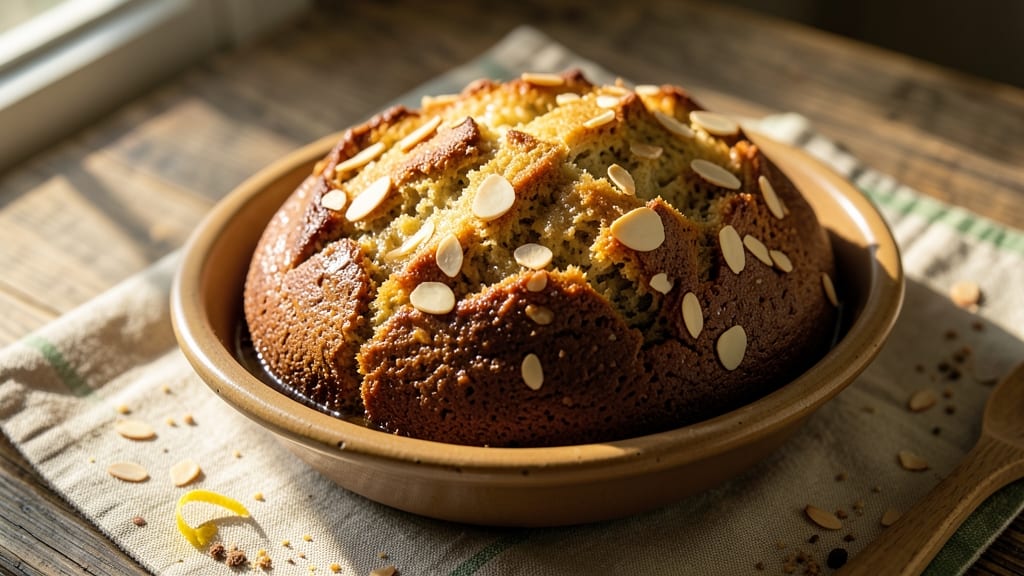
This almond loaf bread recipe delivers the perfect balance of nutty crust and impossibly moist crumb—no dry ends or crumbly texture in sight. The secret lies in blending ground almonds with traditional flour for structure while keeping the interior tender through precise hydration and baking technique. I developed this after years of testing almond-based breads, and the difference between this version and others is striking.
The recipe uses a mix of all-purpose flour and finely ground almonds to create a loaf with both structure and richness. A touch of honey or maple syrup adds subtle sweetness that complements the nutty flavor, while a simple egg wash creates that golden, crackly crust we all crave.
The baking process—at 350°F for 50 minutes—ensures even cooking without drying out the center.
What sets this apart is the texture: a dense yet tender crumb with a satisfying bite from the almonds, all while staying moist for days. The recipe also includes a vegan-friendly option using flax eggs and coconut oil, proving this works for all dietary needs.
Once baked, it's perfect for toast, sandwiches, or serving alongside soups.
Store it in an airtight container at room temperature for up to 5 days, or freeze slices for longer storage. The nutty aroma alone makes this bread worth baking—every slice delivers that perfect combination of texture and flavor. Let's get started on this foolproof recipe.
Ingredients for almond loaf bread
The perfect blend of flour and almonds creates a bread with nutty crunch and moist center.
| Ingredient | Amount | Notes |
|---|---|---|
| All-Purpose Flour 🌾 | 2 ½ cups | Sifted for even texture |
| Finely Ground Almonds 🥜 | 1 ½ cups | Blended from whole almonds |
| Granulated Sugar 🍚 | ¼ cup | For subtle sweetness |
| Honey or Maple Syrup 🍯 | ⅛ cup | Maple for vegan option |
| Large Eggs 🥚 | 2 whole | Room temperature for mixing |
| Unsalted Butter 🧈 | ½ cup | Cold, cubed for dough |
| Active Dry Yeast 🍞 | 2 ¼ tsp | Instant yeast works too |
| Warm Water 💧 | ½ cup | 110°F for yeast activation |
| Salt 🧂 | 1 tsp | Kosher or sea salt |
| Vanilla Extract 🌿 | 1 tsp | Pure vanilla preferred |
| Ground Flaxseed 🌾 | 1 tbsp | For vegan flax eggs |
| Coconut Oil 🥥 | ½ cup | Melted for vegan option |
| Egg Wash 🥚 | 1 whole | 1 egg + 1 tbsp water |
| Sesame Seeds 🌻 | 1 tbsp | Optional for topping |
The almonds make this bread special—blend your own from whole almonds for the best texture, or grab pre-ground from the baking aisle at King Arthur Flour or Bob's Red Mill. I always double-check the yeast expiration date (it's the secret to perfect rise) and use Diamond Crystal salt because it dissolves smoothly. For the honey, local raw honey adds extra depth, but maple syrup works beautifully for a vegan twist. The butter needs to be cold when mixed—just take it out of the fridge 10 minutes before using.
No honey? Maple syrup or agave keeps it vegan-friendly. Running short on eggs? Flax eggs (1 tbsp ground flaxseed + 3 tbsp water = 1 egg) work perfectly—just let them sit for 5 minutes to thicken. The vanilla extract should be pure (the kind in the tiny bottles), not imitation. For the yeast, if your water isn't warm enough, it won't activate—test it by dipping your finger in; it should feel like bathwater. The sesame seeds are optional but add a nice crunch—toast them lightly in a dry pan first for extra flavor.
This bread stays fresh for 5 days wrapped in a clean kitchen towel, or freeze slices for up to 3 months. I like to slice it while still warm—it's easier to cut and keeps the crumb tender. For extra crispiness, brush the top with melted butter right after baking. The nutty aroma fills the whole kitchen, so bake it when you're ready for a cozy treat.
Why You'll Love This Recipe
- No Mixer Needed: I swear by this—just a bowl and a whisk. The ground almonds blend right into the flour without clumping, and the honey or maple syrup makes the batter smooth as butter. Honestly, I’ve made this while chatting on the phone, and it still turns out perfect.
- Sweet But Not Cloying: That balance of granulated sugar and honey? It’s the kind of sweetness that lingers just enough to make you want another slice. The almonds add a subtle nuttiness that keeps it from tasting like dessert—more like a sophisticated bread you’d find at a café.
- Weeknight Meal Prep: Slice it fresh for toast in the morning, or pack it for lunches—it holds up beautifully for days. Between us, I’ve had this last a full week in my fridge, and it’s still just as good. The eggs add structure, so it doesn’t get soggy like some quick breads.
- Budget-Friendly Luxury: You’d think almond loaf would be pricey, but ground almonds are cheaper than you’d expect, and the rest are pantry staples. I’ll be real: it feels fancy enough for company but won’t break the bank. Plus, the leftovers? Free snacks for the week.
Step-by-step instructions for almond loaf bread
Here's how to bake a loaf with a nutty crust and tender interior—no fancy equipment needed.
Activate the Yeast and Mix Wet Ingredients
In a small bowl, combine the 0.5 cup warm water (about 110°F) with the 2.25 tsp active dry yeast and let it sit for 5-10 minutes until it becomes foamy. This foam tells you the yeast is alive and ready to work. If it doesn't foam, your yeast might be dead—start over with fresh yeast.
In a large mixing bowl, whisk together the 2 whole large eggs, 0.5 cup unsalted butter (cold, cubed), 0.5 cup coconut oil (melted if using vegan option), 0.125 cup honey or maple syrup, 0.25 cup granulated sugar, 1 tsp vanilla extract, and the 1 tbsp ground flaxseed. Mix until smooth and creamy—this is the base of your dough, and the flaxseed adds a subtle nutty depth. The mixture should be thick but pourable.
Combine Dry Ingredients and Form the Dough
In a separate bowl, sift together the 2.5 cups all-purpose flour and 1 tsp salt. This sifting step ensures an even texture and prevents lumps in your final loaf. Gradually add the dry ingredients to the wet mixture, mixing on low speed with a hand mixer or stirring by hand until just combined. Avoid overmixing—you want a shaggy dough, not a smooth one.
Next, fold in the 1.5 cups finely ground almonds using a spatula. The almonds give this loaf its signature nutty flavor and a slightly dense, moist crumb. Once incorporated, the dough will be thick and sticky. If it feels too wet, add 1-2 tablespoons more flour to help it come together. The dough should hold its shape when pressed gently but still feel soft and pliable.
Shape and Proof the Dough
Lightly grease a 9x5-inch loaf pan with butter or coconut oil and dust it with flour. Transfer the dough to the pan and spread it evenly, pressing down gently to fill the corners. The dough should reach about ¾ of the way up the sides of the pan. Cover the pan loosely with plastic wrap or a damp towel and let it proof in a warm place for 1-1.5 hours, or until it has risen about 1 inch above the pan.
To check if the dough is ready, perform the "poke test": gently press your finger into the dough. If it springs back slowly, it’s ready. If it springs back quickly, it needs more time. This proofing step is crucial—it develops the gluten and ensures a light, airy texture. Avoid overproofing, or your loaf will collapse during baking.
Bake to Golden Perfection
Preheat your oven to 350°F. Once the dough has proofed, brush the top with the 1 whole egg wash (1 egg beaten with 1 tbsp water) for a shiny, golden crust. Sprinkle the 1 tbsp sesame seeds evenly over the top for added texture and a nutty crunch. Bake for 45-50 minutes, or until the top is golden brown and a toothpick inserted into the center comes out clean.
The loaf is done when it’s deeply golden and smells irresistibly nutty. If the top browns too quickly, tent the pan with foil to prevent over-browning while ensuring the interior cooks through. Let the loaf cool in the pan for 10 minutes before transferring it to a wire rack to cool completely. This resting time allows the moisture to redistribute, ensuring every slice is moist and flavorful.
Slice and Serve
Once fully cooled, slice the loaf into 8 even servings. The interior should be tender with a fine crumb, and the crust should be crisp and nutty. Serve warm with butter or jam for a perfect breakfast or snack. Store any leftovers in an airtight container at room temperature for up to 3 days, or freeze for up to 3 months for freshness whenever you need it.
Pro Tips For Making Almond Loaf Bread
- Mix Dry Ingredients First: Mix the all-purpose flour and finely ground almonds together before adding the wet ingredients—this prevents lumps and ensures even distribution of those nutty bits throughout the loaf. I used to add them separately and ended up with pockets of dry flour that made the crumb uneven.
- Use Room-Temp Eggs: Crack those eggs straight from the fridge into a bowl, then let them sit for 10 minutes before mixing them into the batter. Cold eggs make the dough stiff and can cause cracks in the loaf—trust me, I’ve seen it happen.
- Don’t Overmix the Batter: Stop folding in the wet ingredients as soon as they’re just combined—overmixing activates too much gluten, which turns your tender almond loaf into a dense brick. Stir until the flour is mostly incorporated, then gently fold in the last bits.
- Bake at 325°F, Not Hotter: This isn’t a cake—almond loaf needs a slow, steady bake to develop its flavor without burning. If your oven runs hot, lower the temp to 300°F and add 10 minutes to the baking time. I learned this after one charred disaster.
Essential equipment for great almond loaf bread
Loaf Pan Essentials
Your 9x5-inch loaf pan is the workhorse of this recipe—opt for one with a non-stick coating or high-quality carbon steel (like Nordic Ware) for easy release and even baking. Avoid dark-colored pans—they can over-brown the crust. I recommend a light-colored metal pan for consistent heat distribution. 🌡️
Mixing Tools
A hand mixer (like KitchenAid) or stand mixer with a dough hook simplifies combining ingredients, but a sturdy wooden spoon works too. For the almonds, a high-powered blender (such as Ninja) ensures ultra-fine grinding—critical for texture.
If blending whole almonds, pulse until they resemble fine sand before adding to the dough.
Measuring Precision
Use dry measuring cups for flour and almonds, but liquid measuring cups for wet ingredients like honey and melted butter. A digital kitchen scale (like OXO Good Grips) is ideal for yeast and salt—2.25 tsp yeast can make or break your rise.
For the egg wash, a small whisk ensures smooth application without lumps.
Proofing Setup
Create a warm proofing environment with a proofing box (like King Arthur’s) or a turned-off oven with a bowl of hot water. A thermometer helps maintain 80-85°F—too cold and the dough won’t rise; too hot and it may overproof.
I also keep a damp towel handy to maintain humidity during proofing.
Baking Gear
A wire cooling rack prevents soggy bottoms by allowing air circulation. For crust control, a parchment-lined baking sheet catches drips if the loaf browns too quickly. A toothpick is your best tool for checking doneness—insert into the center and look for no wet crumbs when done.
Optional Extras
Add a pastry brush for egg wash application and a small offset spatula for spreading sesame seeds evenly. For vegan bakers, a silicon loaf pan (like Wilton’s) prevents sticking with coconut oil. A timer ensures you don’t overbake—this loaf is delicate once golden! ✨
Nutrition facts
Frequently asked questions
Can I substitute almond flour for the ground almonds in this recipe?
No, this recipe requires finely ground almonds (not almond flour) for the perfect texture. Almond flour is too fine and can make the bread dense or dry. If you don't have a blender, pulse whole almonds until they resemble fine sand before using. The texture difference is noticeable—ground almonds give that signature moist yet slightly crumbly bite!
Why did my almond loaf turn out dry?
Overbaking is the most common cause—this loaf is delicate! Check doneness with a toothpick at 45 minutes (it should come out with a few moist crumbs, not completely clean). Another culprit is too much flour during mixing. The dough should be sticky but manageable; if it feels dry, you've added too much. For extra moisture, brush the crust with melted butter after baking.
How do I make this vegan?
Replace the eggs with 2 flax eggs (2 tbsp ground flaxseed + 6 tbsp water per egg) and use coconut oil instead of butter. The dough will be slightly stickier, so add 1-2 tbsp extra flour if needed. Proofing time may increase by 15-20 minutes since flax eggs don't activate yeast as quickly. The texture remains moist with these swaps!
Can I add chocolate chips or nuts to this loaf?
Fold in ½ cup chocolate chips or ½ cup chopped walnuts/pistachios with the ground almonds. For best results, use dark chocolate chips (they melt better) and toast nuts first for enhanced flavor. Keep the total additions to ½ cup to maintain the bread's signature texture. Sprinkle extra nuts on top before baking for a decorative crunch!
How long does this bread keep, and can I freeze it?
Store wrapped in a clean kitchen towel at room temperature for 5 days—the towel prevents drying better than plastic. For longer storage, slice and freeze individual portions for up to 3 months. To reheat, warm slices in a 350°F oven for 5 minutes or toast directly. The texture remains fresh, though the crust may lose some crispness after freezing.