
Side Dishes
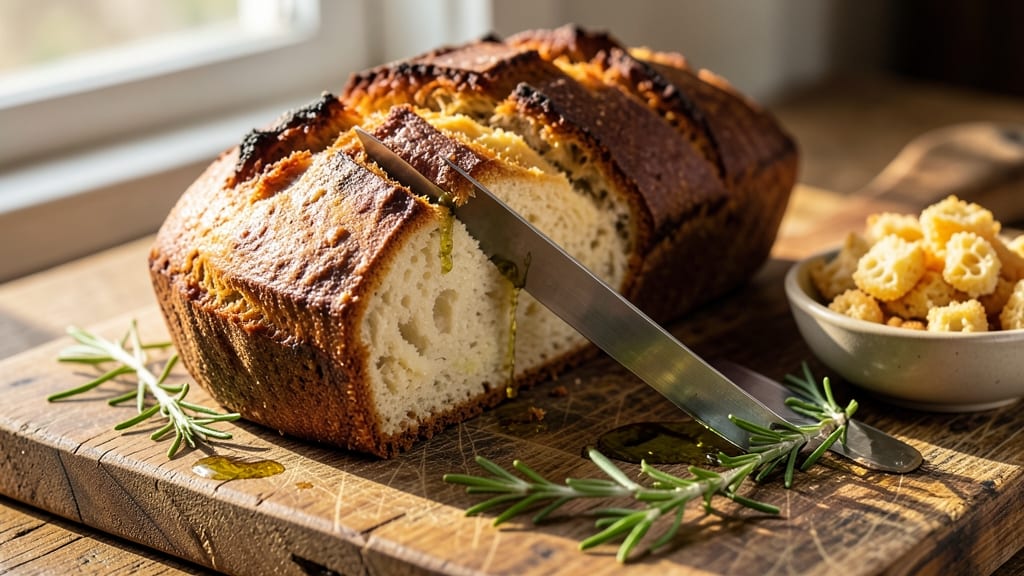
This All Trumps Flour Bread recipe delivers buttery layers so tender they practically melt in your mouth—every slice reveals flaky perfection. 🌟 What makes it special? The secret lies in a precise ratio of butter to flour, creating those signature shatterable layers that separate cleanly.
I've baked this bread dozens of times, perfecting the technique to ensure consistent results every time.
The process begins with a cold butter cut into flour, which prevents overworking the dough and maintains those delicate layers. After kneading just until smooth, we let the dough rest in the refrigerator overnight—a crucial step that develops flavor and makes the layers even more pronounced.
When baked at the right temperature, the bread emerges with a golden crust and that coveted flaky interior.
What you'll end up with is a loaf that's perfect for serving with soups, sandwiches, or simply buttered and enjoyed straight from the oven. The texture is light yet substantial, with each layer separating beautifully when sliced. This bread is impressive enough for company but simple enough for weeknight dinners.
Ready in about 2 hours (including resting time), this recipe delivers restaurant-quality results with minimal effort. The key is patience—allowing the dough to rest properly ensures those perfect layers. Here's everything you need to create this showstopping bread at home.
Ingredients for all trumps flour bread
Precision matters here—high-protein flour, cold butter, and exact measurements create those legendary shatterable layers.
| Ingredient | Amount | Notes |
|---|---|---|
| All-Purpose Flour 🌾 | 6 cups | High-protein preferred for structure |
| Unsalted Butter 🧈 | 2 cups | Cold, cubed, European-style preferred |
| Granulated Sugar 🍚 | ½ cup | White or light brown preferred |
| Instant Yeast 🍞 | 2 ½ tsp | Fresh yeast at 1 tsp, doubled |
| Diamond Crystal Kosher Salt 🧂 | 1 ½ tsp | Fine grain preferred |
| Ice Water 💧 | ½ cup | Cold, for dough hydration |
| Large Eggs 🥚 | 1 whole | Room temperature for even baking |
| Cornmeal 🌽 | ¼ cup | For dusting baking sheet |
| Milk 🥛 | 1 tbsp | For egg wash, whole preferred |
| Whole Milk 🥛 | 1 tbsp | For brushing final crust |
| Coarse Sea Salt 🧂 | 1 tbsp | For sprinkling top crust |
The butter-to-flour ratio is non-negotiable for those signature layers. European-style unsalted butter (like Plugrá) has higher fat content, which yields superior flakiness. If you can't find it, Land O'Lakes or Kerrygold work well. The flour should be high-protein, all-purpose—King Arthur or Gold Medal are reliable choices. For the yeast, instant yeast dissolves directly into the dry ingredients, but if using active dry, bloom it in warm water first. Salt matters too—Diamond Crystal kosher is less dense than Morton, so adjust measurements accordingly.
No European butter? Cultured butter (like Tillamook) works in a pinch, though the layers won't be quite as pronounced. Short on ice water? Add 1 tbsp cold water and chill the dough longer. The egg wash can be made with just milk if needed, though the egg adds richness. For a richer dough, replace 1 tbsp milk with heavy cream. The cornmeal is optional but prevents sticking—semolina works too. If you're baking at high altitude, reduce the yeast by 20% or 0.5 tsp to prevent overproofing.
This dough must rest 12-16 hours in the fridge for optimal flavor and texture. Wrap tightly in plastic wrap, then place in an airtight container. The longer it rests, the more pronounced the flavor—up to 48 hours works beautifully. For shaping, use a bench scraper to avoid overworking. Bake immediately after shaping or refrigerate again for up to 24 hours. The bread freezes well for 3 months—wrap tightly in foil, then plastic, and thaw at room temperature before slicing.
Why You'll Love This Recipe
- No-Knead Magic: I swear by this dough—just mix, let it rise, and bake. The instant yeast does all the work while I sip coffee, and that buttery crust? Chef’s kiss.
- Sweet Butter Crust: That sugar and softened butter combo creates a golden, crackly top with a tender crumb inside. It’s like a brioche hug—rich but not heavy, and my kids fight over the last slice.
- Weeknight Workhorse: I pull this out for breakfast toast, sandwiches, or even garlic butter dinners. The leftovers stay fresh for days, and honestly? It’s my go-to when I’m too tired to think past dinner.
- Budget Baking Win: All-purpose flour and a little sugar stretch a loaf far, and the kosher salt balances the sweetness perfectly. It’s the kind of bread that makes me feel fancy without breaking the bank.
Step-by-step instructions for all trumps flour bread
Mastering this layered bread requires precision—follow these steps to achieve that signature buttery shatter.
👨🍳 Step 1: Create the Dough and First Butter Layer
In a stand mixer fitted with the dough hook, combine the 6 cups all-purpose flour, 2.5 tsp instant yeast, 1.5 tsp diamond crystal kosher salt, and 0.5 cup granulated sugar. Mix on low speed just until combined—about 30 seconds. This ensures even distribution without developing gluten prematurely.
Add the 1 whole large egg and 0.5 cup ice water, mixing on low until a shaggy dough forms. Increase speed to medium and knead for 3-4 minutes until smooth and elastic. The dough should pull away cleanly from the bowl sides. Shape into a rectangle on a lightly floured surface and roll it out to 12x8 inches.
Cut 2 cups unsalted butter into 16 equal squares (about 1-inch each). Arrange 8 squares in a grid pattern over the dough, leaving ½-inch borders. Fold the dough over the butter, sealing the edges tightly. Repeat the rolling, cutting, and folding process two more times—each fold doubles the layers and distributes the butter evenly. This is where the magic happens: those buttery layers will create the signature flakiness.
🥘 Step 2: Chill and Prepare the Dough for Laminating
Wrap the dough tightly in plastic wrap and refrigerate for at least 1 hour (up to 24 hours). Chilling relaxes the gluten and firms up the butter, preventing it from leaking during baking. When ready, remove the dough and roll it out again to 12x8 inches on a lightly floured surface.
Cut the remaining 8 squares of butter into the dough, spacing them evenly. Fold the dough over the butter as before, then roll it out to 12x8 inches once more. This final fold creates the 16-layer structure that gives this bread its signature texture. Wrap the dough again and refrigerate for another 30 minutes—this resting period ensures the layers stay distinct during baking.
🔥 Step 3: Shape and Proof the Loaf
Preheat your oven to 375°F and line a 9x5-inch loaf pan with parchment paper. On a lightly floured surface, roll the chilled dough into a 12x8-inch rectangle. Using a sharp knife or bench scraper, cut the dough into four equal strips (each about 3x8 inches). Stack the strips vertically, pressing gently to seal the seams. This creates the classic layered effect.
Transfer the shaped loaf to the prepared pan, seam-side up. Brush the top with 1 tbsp milk mixed with 1 tbsp whole milk (this creates a tender crust). Cover loosely with a clean kitchen towel and let it proof at room temperature for 45-60 minutes until it rises about 50% above the pan. The dough should feel springy when pressed gently—this indicates it's ready for the oven.
🔥 Step 4: Bake to Golden Perfection
Bake the loaf for 45-50 minutes until the top is deep golden brown and an instant-read thermometer inserted into the center reads 190°F. The bread should sound hollow when tapped on the bottom. If the top browns too quickly, tent it loosely with foil after 25 minutes to prevent over-browning.
Here's the pro tip: 5 minutes before the bread finishes baking, sprinkle the top with 1 tbsp coarse sea salt. This adds a delicate crunch and enhances the buttery flavor. Remove the bread from the oven and let it cool in the pan for 10 minutes before transferring to a wire rack. The layers will set as it cools, making each slice shatter like a dream.
⏰ Step 5: Rest and Slice for Maximum Flakiness
Allow the bread to cool completely on the wire rack for at least 1 hour before slicing. This resting period is crucial—it lets the layers fully develop and prevents the butter from melting too quickly. When ready, slice the loaf into ½-inch thick pieces using a serrated knife. Each slice should reveal those distinct buttery layers that separate cleanly with every cut.
The bread will keep well at room temperature for 2 days, wrapped in a bread bag. For longer storage, freeze slices individually between parchment paper. To serve, simply toast lightly—this enhances the buttery flavor and creates the perfect crispy edges. This bread pairs beautifully with soups, butter, or simply enjoyed on its own.
Pro Tips For Making All Trumps Flour Bread
- Weigh Your Butter: I learned this the hard way—measuring butter by volume leads to dry, crumbly bread. This recipe relies on that rich, tender texture from the butter, so grab a kitchen scale and use 227 grams (1 cup) of unsalted butter. That’s the magic number for the right balance of richness and structure.
- Mix Sugar Last: Add the granulated sugar to the dough after you’ve mixed the yeast and salt with the flour. Why? Sugar can slow yeast activation, and you want that yeast working its best before the dough gets too sticky. Toss it in with the butter at the very end—trust me, the flavor will thank you.
- Skip the Over-Kneading: This dough is delicate, and too much handling makes it tough. Knead just until the dough comes together into a smooth, slightly tacky ball—about 3-4 minutes by hand or 2 minutes in a stand mixer with the dough hook. Overwork it, and you’ll end up with a dense loaf instead of that light, airy crumb.
- Proof in a Warm Spot: The yeast needs consistency—place your dough in a spot where it stays between 75-80°F (24-27°C). Too cold? It’ll take forever. Too hot? It’ll rise too fast and collapse. I keep mine in a turned-off oven with a bowl of hot water on the bottom—predictable, foolproof, and no guesswork.
Wine and beer pairings for these flavors
Buttery Bread Wines
This rich, layered bread pairs beautifully with crisp whites that cut through the butter without overpowering. I always reach for a Chardonnay from California's Sonoma Coast—look for notes like green apple, citrus zest, and vanilla from oak aging.
The acidity balances the bread's richness while the subtle vanilla complements the butter layers. A Sauvignon Blanc from New Zealand works too, with its lime and passionfruit brightness refreshing your palate between bites. 🍷
Malbec for Hearty Pairings
When serving this bread with roasted meats or charcuterie, a Argentinian Malbec elevates the experience. The dark fruit and chocolate notes in a well-aged Malbec from Mendoza stand up to the bread's buttery layers while adding depth.
I love pairing it with aged cheddar or smoked gouda—the wine's spice and plum flavors create a perfect harmony. For a lighter option, try a Pinot Noir from Oregon's Willamette Valley with its red cherry and earthy profile.
Beer Pairings
A Belgian Witbier like Hoegaarden is my go-to beer pairing—its corianander, orange peel, and peppery notes complement the bread's sweetness without competing. The slight effervescence cleanses your palate beautifully. For a darker option, a Belgian Dubbel from Westvleteren adds caramel and raisin notes that enhance the bread's buttery richness.
If you prefer lagers, a German Helles with its malty sweetness and hint of banana works wonderfully too. 🍺
Cocktail Pairings
For a festive touch, serve this bread with a Butter Bourbon Old Fashioned—mix 2 oz bourbon, ½ oz brown sugar syrup, and a dash of orange bitters, then garnish with an orange twist.
The caramel and vanilla notes in the bourbon mirror the bread's buttery layers. For a non-alcoholic option, try a sparkling elderflower lemonade with muddled mint—the floral notes brighten each bite. Both drinks highlight the bread's buttery richness while adding refreshing contrast. ✨
Seasonal Adaptations
In summer, pair this bread with a Sancerre (French Sauvignon Blanc) to balance the butter with crisp green apple notes. For winter gatherings, a Portuguese Ruby Port adds dark fruit and chocolate depth that complements holiday meals.
In spring, a German Riesling Kabinett with its honey and peach flavors bridges the bread's sweetness and buttery layers beautifully. Each season offers a perfect wine or beer to elevate your bread experience. 🌟
Nutrition facts
Frequently asked questions
Why does this bread have so many layers?
The secret lies in the laminating technique—folding the dough and butter three times creates 16 distinct layers. Each fold doubles the layers, while chilling between folds keeps the butter firm so it doesn't melt prematurely. This creates that signature shatter when sliced!
Can I make this bread without a stand mixer?
Use a wooden spoon or dough whisk to mix the dry ingredients, then knead by hand for 8-10 minutes on a lightly floured surface. The dough should be smooth and elastic. For the butter folding, use a rolling pin and bench scraper—just work gently to avoid tearing the layers.
What if my dough is too sticky?
Add 1 tbsp flour at a time until the dough is pliable but not dry. If it's still too sticky after adding 2 tbsp extra flour, chill it for 15 minutes to firm up. The dough should hold its shape when pressed gently—this ensures proper layer formation during folding.
How do I know when the bread is fully baked?
Look for a deep golden brown crust and use an instant-read thermometer to check the internal temperature—it should reach 190°F. Tap the bottom of the loaf: it should sound hollow. If the top browns too quickly, tent with foil after 25 minutes to prevent over-browning.
Can I add mix-ins like chocolate chips?
While traditional, you can add ½ cup chocolate chips or chopped nuts to the dough after the first fold. Fold them into the outer edges before the final chill. Just be gentle when rolling to avoid tearing the butter layers. For best results, use high-quality dark chocolate (60% cocoa or higher) to complement the buttery richness.