
Side Dishes
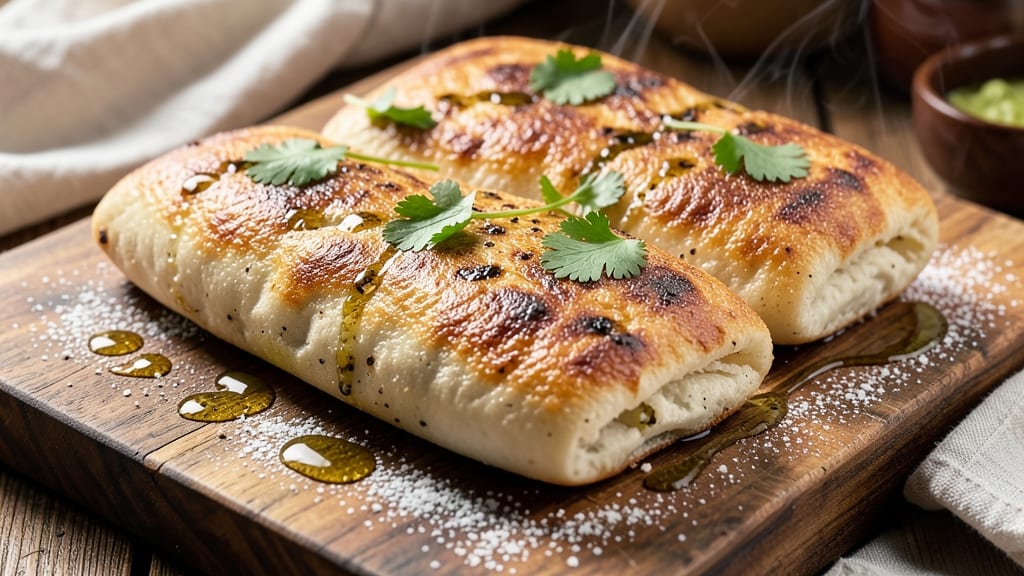
This AIP naan bread recipe brings the warmth of traditional Indian flatbreads without dairy, gluten, or common allergens—just soft, foil-sealed perfection with herb-infused crunch. 💛 The secret lies in coconut oil for richness and apple cider vinegar for that signature tang, replacing yogurt and ghee while keeping the texture tender and pillowy.
I developed this after years of craving naan while adhering to strict dietary protocols, and it delivers every time.
The dough comes together in minutes with simple, AIP-compliant ingredients like almond flour and tapioca starch, which create the ideal structure without gluten. No yeast means no waiting—just shape, seal in foil, and cook until golden.
The herb blend (cilantro, mint, and garlic-infused oil) adds freshness without overpowering the mild, buttery flavor of the bread itself.
By the time you pull it from the oven, you’ll have naan that’s crisp at the edges and soft in the center, with a subtle herbal aroma that makes it feel indulgent yet completely compliant.
The foil-sealing technique ensures even cooking and maximum tenderness, while the herb-infused oil keeps each bite vibrant and flavorful. This is the naan you’ll reach for when you think you can’t have it.
Perfect for serving with curries, soups, or even as a wrap, this recipe proves AIP-friendly meals can still be rich and satisfying. Let’s make it—your taste buds will thank you.
Ingredients for aip naan bread
Simple AIP-compliant staples transform into restaurant-worthy naan—no dairy or gluten needed.
| Ingredient | Amount | Notes |
|---|---|---|
| Almond Flour 🌰 | 1 ½ cups | Finely ground, unsweetened |
| Tapioca Starch 🌾 | ½ cup | For perfect elasticity |
| Coconut Oil 🥥 | ½ cup | Melted, full-fat preferred |
| Apple Cider Vinegar 🍎 | 1 tbsp | Raw, unfiltered for tang |
| Garlic-Infused Olive Oil 🧄 | 2 tbsp | Homemade or store-bought |
| Fresh Cilantro Leaves 🌿 | ¼ cup | Stems removed, chopped |
| Fresh Mint Leaves 🌿 | ¼ cup | Stems removed, chopped |
| Sea Salt 🧂 | ½ tsp | Fine grain preferred |
| Coconut Milk 🥥 | ¼ cup | Full-fat for richness |
| Water 💧 | ½ cup | Room temperature |
| Aluminum Foil 📄 | 1 sheet | Heavy-duty for sealing |
Almond flour is the backbone here—Bob's Red Mill or Anthony's Goods brands are my go-tos for consistent texture. Tapioca starch is non-negotiable for that perfect chew; Bob's Red Mill again, or any food-grade brand. The coconut oil should be unrefined and full-fat—that's where the richness comes from. Apple cider vinegar? Bragg is my favorite for its raw, unfiltered quality, but any organic brand works. Fresh herbs are key—Trader Joe's usually has great cilantro and mint bundles, and I double-check they're bright green with no wilt. For the garlic-infused oil, I make mine by simmering peeled garlic cloves in olive oil for 10 minutes, then straining—worth the extra minute.
No almond flour? Sunflower seed flour works in a pinch (same amount), though texture will differ slightly. Short on tapioca starch? Arrowroot powder at the same quantity is a decent swap. The coconut milk can be swapped for full-fat canned coconut milk if you prefer, but the creaminess matters here. Fresh herbs missing? Dried cilantro and mint at one-third the amount—just know it won't be as vibrant. For the vinegar, lemon juice works in a bind, but it lacks that signature tang. And if you're really in a rush, store-bought herb-infused oils (like garlic or cilantro) save time—just check for no added preservatives.
This dough keeps for 3 days in the fridge, wrapped tightly in plastic. For longer storage, freeze shaped naan on a tray before transferring to a bag—thaw at room temp for 15 minutes before reheating. The foil-sealed technique is genius: it traps steam for perfect softness. I always make a double batch—one for fresh eating, one for freezing. Reheat in a 350°F oven for 5-7 minutes until crispy again. Leftovers? Store in an airtight container with a paper towel to absorb any moisture—keeps for 2 days this way.
Why You'll Love This Recipe
- No-Fuss Mixing: I swear by this dough—just fold almond flour, tapioca starch, and coconut oil until it barely holds together. No kneading, no stress, and honestly? That’s the magic. The apple cider vinegar does all the work while I’m multitasking.
- Garlic Kiss: One brush of garlic-infused olive oil before baking turns this into something ridiculously good. The heat caramelizes the garlic, giving every bite that warm, savory punch—like a hug for your taste buds.
- Weeknight Hero: This naan is my go-to when I’m low on energy but high on cravings. Freeze half the batch, and you’ve got dinner for three nights. Toss it into curries, use it for wraps, or just eat it plain—it’s that reliable.
- Budget-Friendly Staple: Almond flour and tapioca starch stretch my grocery budget without sacrificing flavor. A single batch feeds four, and the leftovers reheat perfectly. Between us? This is the kind of recipe that makes me feel smart about cooking.
Step-by-step instructions for AIP naan bread
Here's how to make fluffy, foil-sealed naan that stays soft and packed with herb-infused flavor.
👨🍳 Step 1: Mix the Wet and Dry Ingredients
In a large mixing bowl, combine the 1.5 cups almond flour and 0.5 cup tapioca starch. I like to whisk these dry ingredients together first—the tapioca starch helps create that perfect elasticity in the final bread. In a separate small bowl, mix the 0.5 cup melted coconut oil, 0.25 cup coconut milk, 0.5 cup water, 1 tbsp apple cider vinegar, and 0.5 tsp sea salt until smooth.
Here's the thing—melt the coconut oil gently until it's just liquid but not hot. You want it warm enough to blend smoothly but not so hot it cooks the other ingredients. Pour the wet mixture into the dry ingredients and stir until just combined. You'll want a soft dough that's slightly sticky but holds together when pressed—don't overmix or you'll develop gluten.
🍳 Step 2: Fold in Herbs and Garlic Oil
Add the 0.25 cup chopped fresh cilantro leaves and 0.25 cup chopped fresh mint leaves to the dough. Using your hands, gently fold them in until evenly distributed. Then add the 2 tbsp garlic-infused olive oil and mix until fully incorporated. The herbs should be visible throughout the dough—this ensures every bite gets that fresh, vibrant flavor.
I know it seems like too much herb, but trust me. The foil-sealing method preserves these delicate flavors beautifully. If your dough feels too dry, add 1 teaspoon water at a time until it comes together. The dough should be soft enough to press out easily but not so sticky it won't hold its shape when rolled.
🥘 Step 3: Divide and Roll the Dough
Divide the dough into 4 equal portions (about ¼ cup each). On a clean surface dusted with a little almond flour, roll each portion into a 6-inch circle about ¼-inch thick. I use a rolling pin for this, but you can also press with your hands if you prefer. The key is even thickness—this ensures even cooking and that perfect rise.
Don't worry if your circles aren't perfect. The foil sealing will help them hold their shape while cooking. If any dough tears, just press the edges gently to seal. The goal is to create even surfaces that'll crisp beautifully in the foil.
🔥 Step 4: Seal in Foil and Bake
Preheat your oven to 375°F. Place each rolled dough circle onto a sheet of heavy-duty aluminum foil, leaving about 1 inch of foil around each edge. This extra foil will help create that signature naan steam pocket. Carefully fold the foil up around each dough circle, sealing tightly to create a little pouch—this traps steam and creates that soft, pillowy interior.
Bake for 12-15 minutes until the foil is golden brown and the dough feels firm to the touch. The edges should be crisp while the center remains soft—this is what makes AIP naan so special. If your oven runs hot, start checking at the 10-minute mark. The foil will puff up slightly as it steams, so don't be alarmed if it looks different from traditional naan.
⏰ Step 5: Rest and Serve Warm
Remove the foil-sealed naan from the oven and let them rest for 5 minutes before opening. This resting period allows the steam to redistribute and the bread to set properly. When you're ready to serve, carefully open the foil and you'll be rewarded with soft, fluffy naan with slightly crisp edges.
Serve immediately while still warm. The foil-sealing method keeps them soft for longer than traditional baking, but they're best enjoyed right away. You can brush the tops with a little more garlic-infused olive oil if you want that extra flavor boost. These naan make a perfect companion to curries, soups, or even as a wrap for your favorite AIP-friendly fillings!
Pro Tips For Making Aip Naan Bread
- Preheat Your Pan: Get it screaming hot—like, blue-flame-on-the-burner hot—before adding the naan. I learned this the hard way after flipping batches that stuck like glue. The tapioca starch needs that shock of heat to puff properly, and almond flour burns faster than you’d think. A cast-iron skillet works best; if yours isn’t scorching, wait another 30 seconds.
- Toast the Almond Flour: Dry-toast the almond flour in a low oven (325°F) for 5–7 minutes before mixing. This removes any moisture and deepens the nutty flavor—no need for a food processor’s heat. Skip this, and your dough might end up gummy instead of light and airy. (Yes, even if you’re impatient like me.)
- Don’t Overwork the Dough: Mix just until combined—about 2 minutes by hand or 10–12 pulses in a food processor. Overmixing activates the gluten in almond flour, and you’ll end up with dense, chewy flatbread instead of the tender, pillowy texture you want. The vinegar and coconut oil are doing the lifting here; let them work.
- Brush with Garlic Oil Twice: Coat the cooked naan with garlic-infused olive oil immediately after removing from the pan, then let it sit for 30 seconds before brushing again. The first layer seals in moisture, while the second adds that signature garlicky richness. I was skeptical until I tried it—now it’s non-negotiable.
Wine and beer pairings for this recipe
Herbal Infusions
The fresh cilantro and mint in this naan pair beautifully with sparkling mineral water like Topo Chico or San Pellegrino. The effervescence cuts through the richness of the coconut oil while enhancing the herbal notes.
I like to serve it chilled with 1 ice cube and a squeeze of lime for that bright, refreshing contrast. 💫
Citrus Sparkling Waters
For a more citrus-forward pairing, try San Pellegrino Aranciata or LaCroix Lemon-Lime. The citrus acidity balances the earthy almond flour while complementing the garlic-infused oil. I often serve this with a small glass of sparkling water alongside the naan to cleanse the palate between bites.
The carbonation also helps with digestion—great if you're serving this with a hearty curry.
Light White Wines
If you prefer wine, a crisp Italian Pinot Grigio or Spanish Albariño works wonderfully. These wines have enough acidity to stand up to the coconut richness while their floral notes harmonize with the herbs.
I recommend a chilled glass to maintain the wine's freshness and enhance its pairing with the warm naan. 🍷
Herbal Teas
For a non-alcoholic option, hibiscus tea or mint chai (without dairy) makes an excellent pairing. The tartness of hibiscus tea mirrors the apple cider vinegar in the dough, while mint chai complements the fresh herbs.
Brew a strong cup and serve it warm or iced—it’s a comforting match for this cozy bread.
Beer Pairings
If you're a beer lover, opt for a light lager like Corona or Heineken. The subtle maltiness won’t overpower the naan’s flavors, and the crisp finish cleanses the palate.
For a more adventurous choice, a Belgian witbier with its citrus and peppery notes adds a fun contrast to the coconut and herbs. Serve it well-chilled to highlight its refreshing qualities. 🍺
Nutrition facts
Frequently asked questions
Can I make this AIP naan without almond flour?
Yes! You can substitute almond flour with sunflower seed flour in a 1:1 ratio, though the texture will be slightly denser. For a lighter option, try coconut flour but add an extra 2 tablespoons of water per ¼ cup since it absorbs moisture differently. The key is maintaining the dough's softness—adjust liquids as needed.
Why does my AIP naan turn out dense instead of fluffy?
Dense naan usually means overmixing the dough or insufficient moisture. The tapioca starch and coconut oil need gentle handling—avoid kneading like traditional dough. If the dough feels dry, add 1 teaspoon water at a time until it's just cohesive. Also, ensure your oven is fully preheated to 375°F for even cooking.
How do I store leftover AIP naan?
Store wrapped in an airtight container with a paper towel to absorb moisture—keeps for 2 days at room temperature. For longer storage, freeze shaped naan on a tray before transferring to a bag. Thaw at room temp for 15 minutes and reheat in a 350°F oven for 5-7 minutes until crispy again.
Can I make this naan without foil?
Yes, but the texture will differ. Without foil, bake on a parchment-lined tray at 400°F for 8-10 minutes until edges crisp. For extra softness, brush with garlic-infused oil after baking. The foil creates steam for pillowy centers, but this method still yields delicious results.
What's the best herb combo for flavor variations?
Try fresh dill and parsley for a Mediterranean twist or cilantro and basil for a brighter profile. For warmth, add ½ tsp ground turmeric to the dough. Always chop herbs finely—visible pieces can make the dough tear when rolling. Adjust quantities to ½ cup total for balance.