
Side Dishes
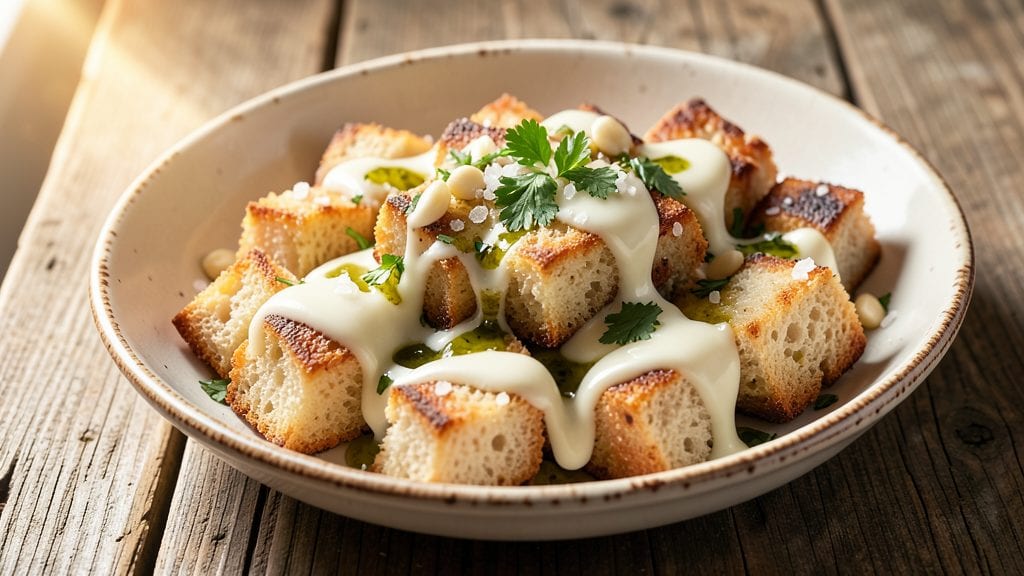
Transforming stale bread into crispy croutons with buttery garlic infusion is one of those kitchen transformations that feels like magic—turning yesterday's leftovers into today's star side dish.
I learned this technique standing on a step stool in my grandmother's kitchen in Sicily, where nothing went to waste and every bite carried flavor.
The key is high heat and careful timing to achieve that perfect crunch without burning, while the garlic butter infusion adds depth that makes these croutons irresistible.
This recipe requires just five simple ingredients and takes less than 15 minutes of active time, making it ideal for busy weeknights or meal prep. The process is straightforward: cube the bread, toss it in a flavorful mixture, and bake until golden and crispy.
What makes these croutons special is how the garlic butter soaks into the bread while baking, creating pockets of rich, savory flavor in every bite. It's a technique that elevates simple ingredients into something restaurant-worthy.
By the end, you'll have a batch of crispy, golden croutons that are perfect for salads, soups, or even as a snack on their own. The aroma alone will have everyone asking what you're making, and the texture—crunchy outside, tender inside—is exactly what you want in croutons.
This method also works beautifully with other bread types, so don't hesitate to experiment. Let's get started!
One of the best things about this recipe is its sustainability—it's a simple way to reduce food waste while creating something delicious. Whether you're prepping for a big meal or just looking to use up stale bread, these croutons are a foolproof solution.
The technique is simple, but the results are always impressive, proving that sometimes the best dishes come from repurposing what you already have.
Ingredients for stale bread
Five simple ingredients transform stale bread into restaurant-worthy croutons with irresistible garlic butter flavor.
| Ingredient | Amount | Notes |
|---|---|---|
| Stale Bread 🍞 | 8 cups | Cubed into 1-inch pieces |
| Unsalted Butter 🧈 | ½ cup | Cold, cubed for even coating |
| Garlic Cloves 🧄 | 4 cloves | Minced, fresh for best flavor |
| Extra-Virgin Olive Oil 🫒 | 2 tbsp | For tossing and extra richness |
| Dried Parsley 🌿 | 1 tbsp | Or 1 tbsp fresh, finely chopped |
| Salt 🧂 | 1 ½ tsp | Kosher or sea salt, to taste |
| Black Pepper 🌶️ | ½ tsp | Freshly ground for best flavor |
The bread is the star here—any kind works, but baguettes or sourdough give the best texture. Look for slightly stale loaves at the bakery section (they often sell discounted stale bread). I usually grab a fresh baguette the day before knowing it’ll be perfect for this. If you’re using a crusty loaf, tear it into irregular chunks—they’ll crisp up beautifully. For softer breads like sandwich loaves, cube them first to ensure even cooking. The key is to use bread that’s just past its prime—not moldy, but definitely not fresh either.
No fresh garlic? Garlic powder at half the amount works in a pinch, but trust me, fresh minced garlic makes all the difference. Running out of parsley? Dried oregano or thyme adds a nice earthy note. The butter should be cold—this ensures it coats the bread evenly without turning greasy. If you’re short on butter, olive oil plus a pinch of salt gets you close. For extra flavor, add a pinch of red pepper flakes or a dash of smoked paprika to the mix. And if you’re feeling fancy, toss in a sprinkle of Parmesan cheese before baking for a savory kick.
These croutons are best made fresh, but they’ll keep in an airtight container for 3-4 days—though they’ll lose a little crunch over time. For longer storage, freeze them in a single layer on a tray, then transfer to a bag. They’ll last up to 3 months frozen, and you can reheat them straight from the freezer in the oven for 2-3 minutes at 375°F. I always make a double batch—they disappear fast, especially when I’m prepping for a big salad or soup. Store them in a jar on your counter for easy snacking too.
Why You'll Love This Recipe
- This works for everything: a quick lunch with a fried egg on top, a charcuterie board centerpiece, or even stuffed into pasta for a lazy Sunday. (Yes, even on a Tuesday night.) The best part? It’s the kind of dish where picky eaters and garlic lovers both find something to love.
- No-Waste Hero: I swear by this trick—turning yesterday’s crusty loaf into something better than fresh. No food waste, just pure resourcefulness. The bread soaks up the butter and garlic like a sponge, and suddenly you’ve got a spread that feels gourmet without extra effort.
- Garlic Butter Magic: That moment when you toast the bread until golden, then fold in warm butter and minced garlic? Chef’s kiss. The crispy edges give way to creamy, herby richness—it’s the kind of flavor that makes you pause mid-bite. Honestly, I’ve made this for dinner parties, and no one ever guesses it started as stale.
- Crowd-Pleaser Flex: This works for everything: a quick lunch with a fried egg on top, a charcuterie board centerpiece, or even stuffed into pasta for a lazy Sunday. (Yes, even on a Tuesday night.) The best part? It’s the kind of dish where picky eaters and garlic lovers both find something to love.
Step-by-step instructions for crispy croutons with buttery garlic infusion
Transform stale bread into irresistible, golden croutons with a rich garlic-butter flavor profile.
Cube the Stale Bread for Even Cooking
Break the 8 cups of stale bread into uniform 1-inch cubes. I like to use my hands for this—it's faster than a knife, and you can feel when the pieces are the right size. Remove any large crust pieces that won't break down well, as they'll stay tough and chewy. Spread the bread cubes on a baking sheet in a single layer so they don't stick together during toasting.
Here's the thing—using stale bread is actually an advantage. The dry texture absorbs flavors better and toasts more evenly than fresh bread. If your bread isn't completely stale, you can speed up the process by placing it in a low oven (around 200°F) for 10-15 minutes to dry out before cubing.
Create the Garlic-Butter Coating
In a large bowl, melt the 0.5 cup of cold cubed unsalted butter in the microwave for 20-30 seconds until it's just soft enough to mix. Add the 4 minced garlic cloves, 2 tablespoons of extra-virgin olive oil, 1.5 teaspoons of salt, and 0.5 teaspoon of black pepper. Stir well until the butter is completely melted and everything is evenly combined—you should see tiny garlic flecks suspended in the mixture.
This is the moment that matters: the garlic should be minced finely enough to distribute evenly but not so fine that it burns during toasting. If your minced garlic looks more like paste, spread it on a plate and let it dry slightly before mixing—this prevents a soggy coating. The olive oil adds richness and helps create that perfect crispy texture.
Toss and Toast for Maximum Crispiness
Add the bread cubes to the butter mixture and toss gently but thoroughly with your hands or a silicone spatula until every piece is fully coated. You'll want to work quickly here—the butter will start to set as it cools. Spread the coated bread cubes on two baking sheets in an even layer, leaving about ½ inch between each piece to allow for even browning.
Preheat your oven to 375°F while the bread cubes are still warm from the butter mixture. This high heat is crucial for achieving that perfect crispy texture. Bake for 12-15 minutes, stirring and rotating the pans halfway through, until the croutons are deep golden brown and sound hollow when tapped together. Don't walk away—this is where crispy perfection happens!
Finish with Fresh Herbs and Serve Immediately
Remove the croutons from the oven and immediately sprinkle with 1 tablespoon of dried parsley. Toss gently to distribute evenly. The parsley adds a bright, fresh contrast to the rich garlic butter flavor. Let them cool for 2-3 minutes—they'll crisp up even more as they sit, but don't let them sit too long or they'll lose their crunch.
Serve these croutons warm alongside soups, salads, or as a snack with your favorite dipping sauce. They'll stay crispy for about 30 minutes if stored in an airtight container, but I find they're best enjoyed fresh out of the oven. The combination of crispy texture, rich buttery garlic flavor, and fresh parsley makes these croutons an amazing upgrade from store-bought!
Pro Tips For Making Stale Bread
- TOAST BEFORE CRUMBLING: DESCRIPTION:
- GRATE GARLIC FINE: DESCRIPTION:
- COOL BUTTER FIRST: DESCRIPTION:
- PULSE NOT GRIND: DESCRIPTION:
Health benefits of this dish
Sustainable Kitchen Magic
Turning stale bread into these croutons is my favorite way to practice zero-waste cooking—something my Nonna always did without a second thought. Every year, Americans toss about 25-30% of their bread, but with this recipe, you're giving that bread a second life.
The process is simple: dry out the bread slightly if needed, cube it, and transform it into something crispy and delicious. It's a small act, but it adds up when you think about how much food waste we could reduce just by repurposing staples like bread. 🌱
Rich in Healthy Fats
While these croutons aren't a health food, they do offer a balanced dose of healthy fats from the unsalted butter and olive oil.
A single serving (about ¼ cup) contains roughly 8 grams of fat, most of which comes from the monounsaturated fats in olive oil—great for heart health. The butter adds richness, but using high-quality, grass-fed butter keeps the saturated fat in check.
I always opt for Plugrá butter from my local Italian deli; it's rich but not overly heavy.
Low-Calorie Crunch
If you're watching calories, these croutons are a smart choice for adding texture to meals without overdoing it. A ¼ cup serving comes in at about 120 calories, making them a lighter alternative to fried snacks.
The high heat toasting method means no extra oil is needed, keeping the calorie count in check while delivering that satisfying crunch. They’re perfect for bulking up salads or soups without weighing you down. 💪
Fiber Boost from Whole Grains
If you use whole grain or whole wheat bread, you’ll get an added bonus of dietary fiber—about 2 grams per serving. Fiber supports digestion and keeps you feeling full longer, making these croutons a surprisingly nutritious side.
I often make a batch with whole wheat sourdough for extra fiber and a nuttier flavor. The fiber content also helps stabilize blood sugar levels, which is great for keeping energy steady throughout the day.
Antioxidant Powerhouse
The garlic and parsley in this recipe aren’t just for flavor—they’re packed with antioxidants. Garlic contains allicin, a compound linked to immune support and heart health, while parsley is rich in vitamin K and vitamin C. Together, they give these croutons a functional food edge.
I always keep a jar of dried parsley on hand, but fresh parsley adds even more vibrant color and nutrients. A little goes a long way—just 1 tablespoon adds a bright finish to the whole batch. ✨
Versatile for All Diets
This recipe is naturally gluten-free if you use a gluten-free bread base, and it’s also dairy-free with a simple swap—just replace the butter with olive oil or vegan butter. For a lower-carb option, try using low-carb bread or lettuce wraps as the base.
The beauty of this recipe is its adaptability; it’s easy to tweak for dietary needs without sacrificing flavor. Whether you're gluten-sensitive, dairy-free, or just looking to cut carbs, these croutons can fit right in. 💛
Nutrition facts
Frequently asked questions
Can I use any type of stale bread for these croutons?
This recipe works with any stale bread—baguettes, sourdough, or even sandwich loaves. The key is using bread that's just past its prime, not moldy. For best results, tear or cube the bread into 1-inch pieces. Crusty breads like baguettes create the crispiest texture, while softer breads like Italian loaves add a tender bite. If your bread isn't completely stale, dry it out in a 200°F oven for 10-15 minutes first.
How do I prevent the croutons from getting soggy?
Sogginess is the enemy of perfect croutons! Start with completely dry bread—if it's too fresh, toast it briefly in the oven first. Use cold butter for coating (it melts just enough to bind without steaming the bread). Spread the cubes in a single layer on baking sheets with space between them, and bake at 375°F until golden and crispy. Never overcrowd the pan, and store finished croutons in an airtight container to maintain crunch.
What are the best ways to store homemade croutons?
For short-term storage, keep croutons in an airtight container at room temperature for up to 3-4 days. They'll lose some crunch over time, but reheat in a 375°F oven for 2-3 minutes to revive them. For longer storage, freeze them on a tray first (to prevent clumping), then transfer to a bag. Frozen croutons last up to 3 months and can be reheated straight from the freezer—just toss them in the oven until crispy again.
Can I make these croutons without butter?
Yes! For a dairy-free version, replace the butter with 2 tablespoons of olive oil plus 1 teaspoon of salt. Toss the bread cubes with the oil mixture, then bake as directed. You'll still get great flavor, though the texture will be slightly less rich. Another option is using vegan butter—just ensure it's cold when mixing to achieve the same crispy coating. This swap works especially well with whole grain breads for added nutrition.
How can I add extra flavor variations?
Get creative with seasonings! Try adding 1 teaspoon of smoked paprika or ½ teaspoon of red pepper flakes for heat, or 1 tablespoon of grated Parmesan for umami. For sweet croutons, mix in 1 teaspoon of cinnamon and 1 tablespoon of brown sugar before baking. Herbs like thyme, rosemary, or basil also work beautifully. The key is to keep the bread cubes coated evenly so the flavors distribute properly during baking.