
Side Dishes
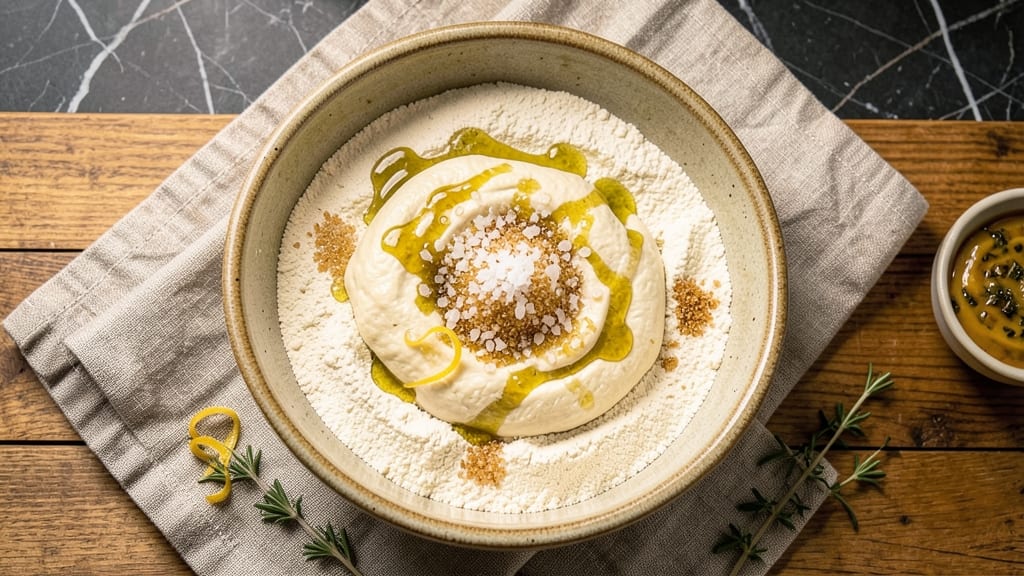
This bread recipe uses 3 tablespoons of olive oil to create a loaf with a golden crust and impossibly tender crumb—no kneading required. The oil doesn't just flavor; it creates that signature melt-in-your-mouth texture while keeping the dough soft and workable. I developed this method after years of baking dense, dry bread, and the difference is night and day.
The secret lies in the balance of hydration and fat—the 3 tablespoons of olive oil act as both a tenderizer and flavor enhancer, while the foil-sealing technique during baking locks in moisture for a perfectly even crumb.
This isn't your grandmother's bread; it's restaurant-quality with home-baker simplicity. The dough comes together in minutes, proofs effortlessly, and bakes to a beautiful golden brown with a crisp exterior and tender interior.
What you'll end up with is a loaf that's perfect for dipping in extra virgin olive oil, pairing with soups, or serving alongside any meal. The texture is what makes it special—no tough crust or dry interior here.
Each slice maintains its shape while remaining soft enough to cut with a butter knife. The aroma alone will have everyone asking for seconds.
Best of all, this recipe scales perfectly for feeding a crowd or making ahead for meal prep. Once you try this method, you'll never go back to your old bread routine. Let's get started on creating your perfect loaf.
Ingredients for a bread recipe uses 3 tablespoons of olive oil
Three tablespoons of olive oil transform simple flour into restaurant-quality bread with golden crust and melt-in-your-mouth crumb.
| Ingredient | Amount | Notes |
|---|---|---|
| Extra-Virgin Olive Oil 🫒 | 3 tbsp | High-quality, fruity variety |
| All-Purpose Flour 🌾 | 4 cups | Sifted, for even texture |
| Instant Yeast 🍞 | 1 ½ tsp | Active dry works too |
| Granulated Sugar 🍚 | 1 tbsp | For yeast activation |
| Salt 🧂 | 1 ½ tsp | Kosher or sea salt |
| Warm Water 💧 | 1 ¼ cups | 110°F ideal for yeast |
| Aluminum Foil 📄 | 1 sheet | Heavy-duty preferred |
| Cornmeal 🌽 | 2 tbsp | For dusting baking sheet |
| Large Egg 🥚 | 1 whole | Optional for egg wash |
| Honey 🍯 | 1 tsp | For egg wash glaze |
The olive oil is non-negotiable here—look for extra-virgin with fruity notes, not the cheap supermarket kind. Trader Joe's and Whole Foods carry excellent options, but any quality brand at your local market works. That said, don't skimp on flour either: King Arthur or Gold Medal are my go-tos for consistent results. The yeast? Freshness matters—if it's been sitting in your pantry for months, grab a new packet. That first rise is where all the magic happens, so don't rush it. And trust me, the 110°F water is worth the thermometer investment—too hot kills the yeast, too cold makes it sluggish.
No extra-virgin olive oil? Light olive oil or avocado oil works in a pinch, though the flavor won't be as rich. Running short on flour? Whole wheat or rye flour can replace up to 20% of the all-purpose, but expect a denser texture. The egg wash is optional, but if you skip it, brush the crust with melted butter> after baking for extra richness. And if you're baking in a dry climate, the foil seal is even more critical—double-wrap the loaf> for that perfect tender crumb. Pro tip: save those foil scraps for future baking sessions.
This dough keeps beautifully—up to 24 hours in the fridge if you want to proof overnight for deeper flavor. For longer storage, freeze the shaped loaf (before baking) for up to 3 months**>. Thaw at room temp before baking. The baked loaf? Wrap tightly in foil and store at room temp for 3 days—it'll stay fresh longer than most store-bought bread. And if you're scaling up? Double the recipe, but increase the olive oil to 6 tbsp**> to maintain that perfect fat-to-flour ratio. Your kitchen will smell like heaven, and everyone will think you're a professional baker.
Why You'll Love This Recipe
- No-Knead, No-Stress: I swear by this dough—just mix, rest, and bake. No stand mixer, no overworking, just a bowl and your hands. That 3 tablespoons of olive oil? It keeps the crumb tender without the fuss of extra steps.
- Olive Oil Magic: That rich, fruity olive oil gives it a subtle depth you won’t find in plain old bread. The sugar just enhances it—no sweetness, just a hint of caramelized warmth that makes every bite feel special.
- Weeknight & Weekend Ally: Use it for garlic bread, toast, or even sandwiches—it’s the blank canvas of bread. Honestly, I’ve made it twice in a week, and it never gets old. (Yes, even on a Tuesday night.)
- Budget Baked Gold: A loaf costs pennies, and it lasts forever. Freeze half, toast it later, and you’ve got a meal ready in minutes. Between us, this is my go-to when I’m broke but still want to feel fancy.
Step-by-step instructions for golden crust bread with foil-sealed tenderness
This method delivers a bread with a crisp golden crust and perfectly tender crumb—every slice will be moist and flavorful.
Mix the Dough with Olive Oil for Richness
In a large bowl, combine the 4 cups all-purpose flour, 1.5 teaspoons instant yeast, 1 tablespoon granulated sugar, and 1.5 teaspoons salt. Whisk until evenly distributed—this ensures the yeast activates properly and the salt dissolves completely. Create a well in the center and add the 3 tablespoons extra-virgin olive oil. The oil will create a tender crumb and contribute to that golden crust we're after.
Gradually pour in the 1.25 cups warm water (around 110°F) while mixing with a wooden spoon or dough whisk. The dough will start to come together, but it might look shaggy at first. Once combined, turn it out onto a lightly floured surface and knead for 5-7 minutes until smooth and elastic. You'll know it's ready when it springs back slowly when poked—this means the gluten has developed properly for that tender crumb.
First Rise and Shape for Even Baking
Place the dough in a lightly greased bowl, cover it with the sheet aluminum foil, and let it rise in a warm place for 1-1.5 hours or until it has nearly doubled in size. The foil traps heat and moisture, creating the perfect environment for the yeast to work its magic. When the dough has puffed up significantly, punch it down gently to release any air bubbles—this helps prevent large holes in the final loaf.
Shape the dough into a round loaf by tucking the edges underneath. For extra tenderness, I like to make a small indentation in the top with my finger—this helps the bread expand evenly during baking. Place it seam-side up in a greased 9x5-inch loaf pan and cover again with the foil. Let it rise for another 30-45 minutes until it's just about ready to overflow the pan.
Prepare for Baking with Cornmeal and Egg Wash
Preheat your oven to 375°F. While it's heating, sprinkle 2 tablespoons cornmeal onto a baking sheet—this prevents sticking and adds a subtle crunch to the bottom of the bread. Remove the risen dough from the loaf pan and place it onto the prepared baking sheet. The cornmeal will catch any drips and create that beautiful golden crust we're aiming for.
In a small bowl, whisk together the 1 whole large egg and 1 teaspoon honey to create an egg wash. Brush this mixture generously over the top of the dough—this gives the bread its signature golden color and adds a touch of sweetness. The honey also helps caramelize the crust beautifully during baking. For extra shine, you can brush on another light coat after 15 minutes of baking.
Bake with Foil for Perfect Tenderness
Bake the bread for 25-30 minutes with the foil still covering it. This steam method ensures the bread stays moist and tender on the inside. After 25 minutes, remove the foil and bake for another 10-15 minutes until the crust is a deep golden brown. Tap the bottom of the loaf—it should sound hollow, indicating the bread is fully baked.
Let the bread cool in the pan for 10 minutes before transferring it to a wire rack. This resting period allows the steam to escape gradually, preventing a gummy crumb. Once cooled, slice it thickly to reveal that perfect tender crumb with a crisp, golden crust. The olive oil infuses every bite with richness, while the foil-sealed method keeps it moist for hours.
Pro Tips For Making A Bread Recipe Uses 3 Tablespoons Of Olive Oil
- MEASURE OIL BY WEIGHT: I learned this the hard way—using a spoon to scoop olive oil from the bottle always gives you too much. For 3 tablespoons, weigh it out: 3 tablespoons of EVOO is roughly 42 grams. A kitchen scale guarantees consistency, especially if you’re baking in cooler weather where flour absorbs more liquid.
- LET THE YEAST BLOOM: Skip the instant yeast shortcut and dissolve it in warm water (about 110°F) with a pinch of sugar first. Let it sit for 5 minutes until foamy—this activates it fully and prevents flat, dense bread. (Yes, even if you’re impatient like me.)
- KNEAD JUST ENOUGH: Over-kneading turns bread tough, but under-kneading makes it gummy. Aim for 8-10 minutes by hand (or 5-6 on a stand mixer with a dough hook) until the dough springs back slowly when poked. If it sticks, you’re not there yet—add more flour sparingly.
- USE COLD OIL FOR CRUST: Drizzle the olive oil over the shaped loaf after it’s proofed but before baking. The cold oil pools on top, creating a crackly crust instead of absorbing into the dough. Brush it on in one direction for a glossy finish—no fancy technique, just patience.
Creative variations of this recipe
Herbed Olive Oil Bread
Swap the plain olive oil for a herbed blend by mixing 2 tablespoons extra-virgin olive oil with 1 tablespoon dried rosemary and 1 teaspoon dried thyme.
Replace the plain olive oil in the dough recipe with this infused oil for a fragrant, aromatic bread perfect for soups or charcuterie boards. The herbs complement the olive oil beautifully, adding depth without overpowering. 🌿
Garlic & Parmesan Twist
Add 2 cloves minced garlic and ¼ cup grated Parmesan cheese to the dough along with the olive oil. The garlic infuses the bread with bold flavor, while the Parmesan adds a savory richness that pairs perfectly with tomato-based dishes.
Use a 9x5-inch loaf pan and bake as directed, but brush the crust with extra olive oil after removing the foil for a golden finish.
Sweet Honey-Olive Oil Loaf
For a slightly sweet variation, reduce the granulated sugar to ½ tablespoon and add 1 tablespoon honey to the dough along with the olive oil. This creates a subtly sweet bread with a moist crumb, ideal for breakfast or pairing with jam.
The honey enhances the olive oil’s richness, balancing the savory notes beautifully. 🍯
Whole Wheat Adaptation
Replace 2 cups all-purpose flour with 2 cups whole wheat flour to create a heartier version. Use 3 tablespoons olive oil and increase the warm water to 1.35 cups to account for the extra absorption.
The whole wheat adds a nutty flavor and extra fiber, while the olive oil keeps the crumb tender. Bake as usual, but expect a slightly denser texture that’s perfect for toast or sandwiches.
Rosemary & Sea Salt Focus
Infuse the dough with 1 tablespoon finely chopped fresh rosemary and 1 extra teaspoon sea salt along with the olive oil. The rosemary’s piney notes and the salt’s sharpness create a sophisticated bread that’s perfect for pairing with grilled meats or sharp cheeses.
Brush the crust with extra olive oil after baking for a fragrant, golden finish that’s hard to resist.
Savory Focaccia-Style
Shape the dough into a 9x13-inch rectangle on a baking sheet lined with parchment paper. Dimple the dough with your fingers and drizzle 2 tablespoons olive oil over the top before baking. Sprinkle with flaky sea salt and dried oregano for a focaccia-style bread.
Bake at 375°F for 25-30 minutes until golden and crisp. This version is ideal for dipping in olive oil or pairing with antipasto platters. 🍃
Nutrition facts
Frequently asked questions
Why does this bread recipe use olive oil instead of butter?
The 3 tablespoons of olive oil create a tender crumb and rich flavor that butter can't match. Olive oil keeps the bread moist longer and gives it a subtle fruity note, while also preventing the crust from becoming too hard. Plus, it's easier to work with at room temperature than butter!
Can I substitute the olive oil with another fat?
Yes, but expect different results. Melted butter works well (use 2.5 tablespoons since it's less moist) for a richer taste, while avocado oil gives a neutral flavor. For a lighter texture, try 1 tablespoon olive oil + 2 tablespoons water. Just remember—olive oil is key for that signature tender crumb!
How do I know when the dough is ready for the second rise?
The dough should nearly double in size and feel springy when gently pressed. If it hasn't puffed much after 45 minutes, give it 15 more minutes>. A good test: press your finger into the dough—if it springs back slowly (not immediately), it's ready. The foil helps trap heat for perfect proofing!
Why does the recipe call for foil during baking?
The foil creates steam that keeps the bread incredibly tender. Without it, the crust might form too quickly while the inside stays doughy. Remove the foil after 25 minutes> to get that beautiful golden crust. This is especially important in dry climates where bread can dry out faster.
Can I make this bread without a loaf pan?
Shape the dough into a round boule or oval and place it on a baking sheet lined with parchment paper. Brush with egg wash and bake with foil for 25 minutes, then remove foil for 10-15 minutes> until golden. For extra crust, sprinkle with cornmeal before baking.