
Main Courses
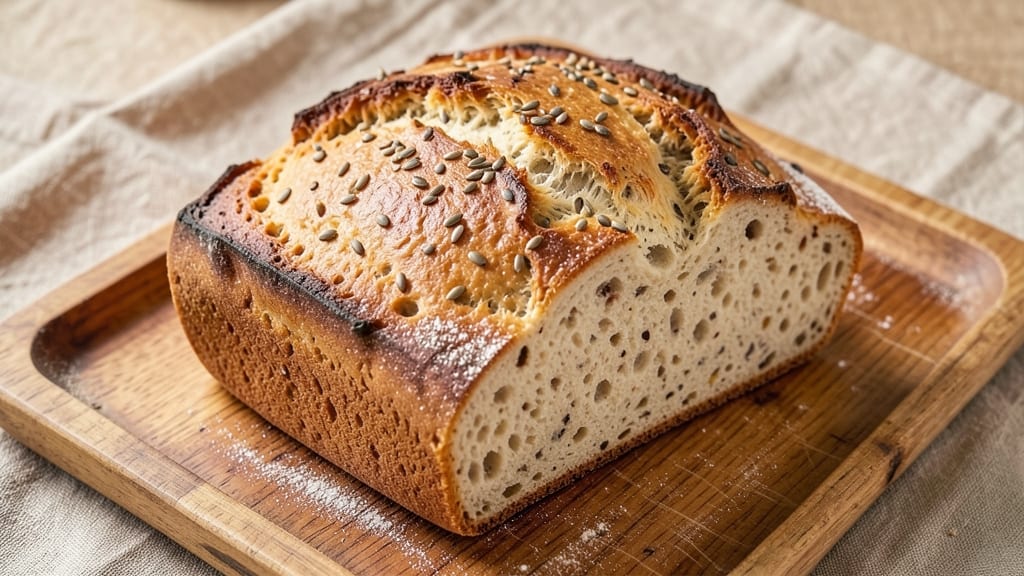
Mary Berry’s soda bread recipe delivers that perfect balance of buttery-soft crust and tangy spice magic—just like the kind I used to make with my grandmother on Sunday mornings. 💛 This classic Irish bread comes together with just five ingredients and no yeast, yet it rises beautifully thanks to the chemical reaction between baking soda and buttermilk.
The secret lies in letting the dough rest before baking, which creates that signature tender crumb.
What makes this recipe truly special is its simplicity and versatility. You’ll need only basic pantry staples—flour, buttermilk, baking soda, salt, and butter—along with optional add-ins like seeds or herbs for extra texture and flavor.
The dough comes together in minutes, and the bread bakes in under an hour, making it ideal for weeknight dinners or weekend baking projects. Unlike many bread recipes, this one is foolproof and consistently delivers a satisfying result.
By the time you pull it from the oven, you’ll have a loaf with a golden crust and a soft, slightly crumbly interior that’s perfect for toasting or serving warm with butter.
The tangy buttermilk and subtle spices create a flavor profile that’s both comforting and sophisticated, making it a staple in any kitchen. This is the kind of bread that tastes like home—simple, hearty, and impossible to resist.
The beauty of Mary Berry’s soda bread is its adaptability. Whether you’re serving it with soup, pairing it with jam and tea, or using it as a base for sandwiches, this recipe delivers every time. Let’s get started on mastering your own perfect loaf.
Ingredients for mary berry soda bread
Five simple ingredients transform into Mary Berry's legendary buttery-tangy soda bread—just like Grandma used to make.
| Ingredient | Amount | Notes |
|---|---|---|
| All-Purpose Flour 🌾 | 3 ½ cups | Sifted for best texture |
| Buttermilk 🥛 | 1 ½ cups | Full-fat preferred for richness |
| Baking Soda 🧂 | 1 tbsp | Pure, finely ground |
| Salt 🧂 | ½ tsp | Fine sea salt preferred |
| Cold Unsalted Butter 🧈 | ½ cup | Cut into small cubes |
| Optional Seeds 🌻 | ½ cup | Sunflower or pumpkin seeds |
| Optional Herbs 🌿 | 2 tbsp | Fresh rosemary or thyme |
The flour is non-negotiable here. King Arthur or Gold Medal work best for their protein balance—no need for fancy bread flour. Buttermilk? Full-fat is key—the fat content creates that signature tender crumb. I always grab mine from Whole Foods or make my own by mixing milk and vinegar. The baking soda needs to be fresh—if it smells like vinegar, toss it. For the butter, Land O'Lakes unsalted is my go-to, but any cold, firm butter works. Keep it cold until the last minute to prevent overworking the dough. Optional seeds? Trader Joe's has the best sunflower seeds—cheap and packed with flavor. Skip them if you're in a hurry, but they add such a nice crunch!
No buttermilk? Mix 1.5 tbsp vinegar or lemon juice into 1.5 cups milk—let it sit 5 minutes. Out of seeds? Toasted oats or chopped nuts work too. The herbs are totally optional, but if you use them, fresh is best—dried works at half the amount. Want extra tang? Add a 1/2 tsp mustard powder to the flour. For a sweeter loaf, swap half the flour for whole wheat. The dough should be thick but manageable—if it's too sticky, add a splash more flour. If too dry, add a teaspoon of buttermilk. This recipe is that forgiving!
This dough needs 10 minutes of rest before shaping—don't skip it! Shape the loaf on a lined baking sheet and slash the top with a sharp knife (that's the fun part!). Bake at 425°F for 35-40 minutes until golden. Cool completely before slicing—1 hour minimum. Leftovers? Toast them! Store wrapped at room temp for 2 days or freeze for 3 months. I always make two loaves—one for the table, one for freezing. The crust gets crispier the next day, so reheat slices in a toaster or oven for 5 minutes at 350°F.
Why You'll Love This Recipe
- No-Knead Magic: I swear by this—just mix, shape, and bake. No rolling, no fuss, no waiting around for dough to rest. That cold butter cuts right into the flour, and the buttermilk keeps it tender without extra effort.
- Buttery Crust, Soft Heart: The moment it comes out of the oven, that golden crust cracks open just enough to reveal steamy, pillowy bread inside. The butter melts into the flour, giving it a richness that’s hard to resist.
- Breakfast to Tea Time: Slice it warm with jam for breakfast or toast it later with cheese for a snack. It’s my go-to for lazy mornings or when I need something quick to pair with soup.
- Lasts All Week: A single loaf feeds my family for days—perfect for school lunches or forgotten lunches. The baking soda keeps it fresh longer than most bread, and honestly? It’s cheaper than buying a loaf every few days.
Step-by-step instructions for Mary Berry's soda bread
Here's how to craft this iconic bread with a golden crust and tender crumb—simple steps for foolproof results!
👨🍳 Step 1: Mix Dry Ingredients for Perfect Texture
In a large mixing bowl, combine the 3.5 cups all-purpose flour and 1 tbsp baking soda. Sift the flour first if you have a sifter—this aerates the dry ingredients and creates a lighter crumb. Add the 0.5 tsp salt and mix gently with a wooden spoon or your fingers until evenly distributed.
I like to press the salt into the flour with my fingertips to break up any clumps. This ensures even salt distribution throughout the bread. If you're using the 0.5 cup optional seeds or 2 tbsp optional herbs, add them now and toss to coat. The seeds will add delightful crunch, while the herbs bring aromatic depth to every bite.
🥘 Step 2: Cut in the Cold Butter for Buttery Layers
Add the 0.5 cup cold unsalted butter (cut into small cubes) to the dry ingredients. Using your fingertips or a pastry cutter, work the butter into the flour mixture until it resembles coarse crumbs with pea-sized butter pieces scattered throughout. This cold butter method creates those beautiful flaky layers when baked.
Don't overwork the mixture—just until the butter is evenly distributed. If you see larger butter clumps, break them up gently with your fingers. The butter should still be cold and firm; if it starts to melt, chill the mixture for 10 minutes before proceeding. This step is crucial for that signature buttery texture.
🍳 Step 3: Combine with Buttermilk for Tangy Flavor
Make a well in the center of your dry mixture and pour in the 1.5 cups buttermilk all at once. Using a wooden spoon, gently fold the buttermilk into the dry ingredients until just combined. You'll notice the dough will be sticky and shaggy—this is normal for soda bread!
I like to use a spatula for this step to avoid overmixing. The dough should come together but still feel slightly wet. If it's too dry and crumbly, add 1-2 tablespoons more buttermilk. The buttermilk's acidity reacts with the baking soda to create lift and that signature tangy flavor we all love.
🔥 Step 4: Shape and Bake for Golden Perfection
Turn the dough out onto a lightly floured surface and gently shape it into a round loaf, about 8 inches in diameter. Don't worry about a perfect shape—soda bread has rustic charm! Place the loaf on a parchment-lined baking sheet and make a deep cross cut on top with a sharp knife. This creates steam vents for even baking.
Preheat your oven to 425°F while you prepare the bread. Bake for 35-40 minutes until the bread is deep golden brown and sounds hollow when tapped on the bottom. The internal temperature should reach 190-200°F. For best results, bake on the middle rack where heat circulates evenly.
⏰ Step 5: Cool and Enjoy the Magic
Remove the bread from the oven and let it cool on a wire rack for at least 15 minutes before slicing. This resting period allows the crumb to set properly. The bread will be warm, fragrant, and just slightly crisp on the outside with a soft, tender interior.
Slice the bread while still warm for the best texture—each slice should reveal that beautiful open crumb structure. Serve with butter, jam, or enjoy it plain with soup. The flavor improves as it cools, so if you can wait, let it sit for 30 minutes before serving for maximum enjoyment!
Pro Tips For Making Mary Berry Soda Bread
- CHILL THE BUTTER FIRST: Grab that block of unsalted butter straight from the fridge—no thawing, no softening. Cold butter creates those signature flaky layers, and Mary Berry’s recipe counts on it. Cut it into small cubes (about 1cm each) so it distributes evenly without melting into the dough too soon.
- WEIGH YOUR FLOUR: Scooping flour from the bag is a recipe for disaster—you’ll end up with dense bread. Use a kitchen scale for precision (225g for this recipe) and spoon it directly into your mixing bowl. Packing it down even a little adds extra moisture, and this dough can’t handle it.
- STOP MIXING TOO SOON: The moment the dough starts clinging to your hands, you’ve gone too far. Overworking it develops gluten, and your bread will turn out tough instead of tender. Wet your hands if needed, but resist the urge to knead—just fold it gently until it holds together.
- BAKE UNTIL COOL INSIDE: That crust might look done at 190°C (375°F) for 30-35 minutes, but the center can stay damp for another 10 minutes. Test with a skewer—it should come out clean. Cover loosely with foil if the top browns too fast, but don’t rush it. Underbaked bread is the real crime.
Regional styles of these flavors
Irish Tradition
Mary Berry’s soda bread traces its roots to Ireland, where it became a staple during the Great Famine. The recipe’s simplicity made it accessible with basic ingredients—flour, buttermilk, and baking soda—using what was available.
In Irish homes, it was often baked on the hearth or in a Dutch oven, and the cross cut on top wasn’t just decorative. It allowed steam to escape, preventing cracks from uneven baking. 🌟
Scottish Adaptation
Up north in Scotland, soda bread often includes oatmeal or barley flour for a nuttier flavor and denser texture. I’ve tested this version and found that substituting ½ cup oatmeal for all-purpose flour adds a delightful chewiness.
Scottish bakers also frequently add currants or raisins, giving the bread a sweet-tart contrast that pairs beautifully with cheese.
American Homestyle
In American kitchens, soda bread has evolved into a quick bread for busy weeknights. Many home cooks here skip the traditional cross cut and bake it in a loaf pan instead of free-form.
I’ve found that adding 1 teaspoon cinnamon or ½ teaspoon nutmeg to the dry ingredients gives it a warm, spiced twist that’s perfect for breakfast or dessert. A drizzle of honey after baking is a popular finishing touch.
Vegan Variations
For plant-based diets, swap the butter for vegan butter or coconut oil—I recommend Miyoko’s for its rich flavor. Use unsweetened almond milk mixed with vinegar to replace buttermilk. The texture stays tender, though it may be slightly denser.
Add 1 tablespoon ground flaxseed to the dry ingredients for extra binding. This version keeps all the comforting qualities while being completely dairy-free. 🌱
Herbed Mediterranean Twist
In Mediterranean-inspired kitchens, soda bread often gets a fresh herb boost. I love adding 2 tablespoons chopped fresh rosemary or thyme along with ¼ cup sun-dried tomatoes for a savory depth.
A sprinkle of feta cheese crumbles on top before baking adds a salty contrast. This version pairs perfectly with grilled vegetables or as a side for lamb dishes.
Nutrition facts
Frequently asked questions
Why does Mary Berry's soda bread need a rest before baking?
The 10-minute rest allows the baking soda to fully activate with the buttermilk, creating maximum rise. This also helps the gluten relax slightly for a tender crumb. Skipping it often results in a denser loaf that may crack unevenly during baking. Think of it as giving the dough time to "settle" before the oven transforms it.
Can I make this soda bread without buttermilk?
Mix 1.5 tbsp vinegar or lemon juice with 1.5 cups milk (any kind) and let it sit for 5 minutes to curdle. This homemade substitute works just as well for the tangy flavor and chemical reaction needed for rise. For extra richness, use whole milk.
What if my soda bread turns out too dense?
Overmixing the dough or skipping the rest time are common culprits. For next time, fold the buttermilk in just until combined (no need to overwork) and always let the dough rest. If you've already baked it, try toasting slices at 350°F for 5 minutes to revive some crispness. The good news? Dense soda bread still tastes delicious—just more hearty!
How do I store leftover soda bread?
Wrap tightly in plastic wrap or foil and store at room temperature for 2-3 days. For longer storage, freeze sliced bread in an airtight container for up to 3 months. To reheat, toast slices in a toaster or warm in a 350°F oven for 5-10 minutes until crispy again. The flavor actually improves after the first day!
Can I add sweet ingredients like raisins or honey?
Yes! For a sweet version, fold in ½ cup raisins or chopped dates with the dry ingredients, or brush warm bread with honey after baking. I recommend using 1-2 tbsp honey per loaf to avoid making it too sticky. This works beautifully for breakfast with tea or as a dessert with whipped cream.