
Desserts
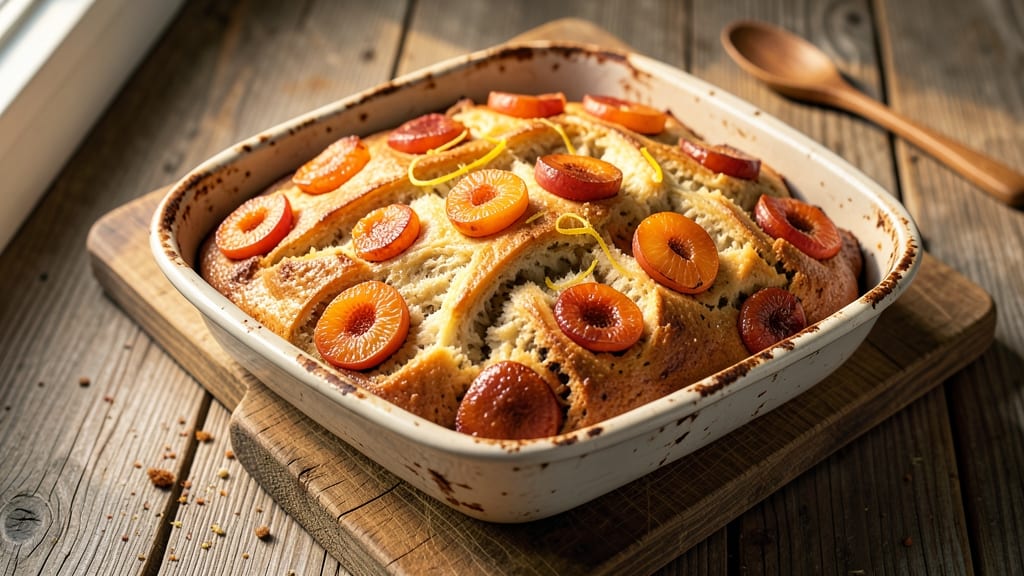
This apricot tea bread recipe transforms a simple afternoon tea into a moment of indulgence, blending the warmth of spiced tea with the natural sweetness of apricots in every bite. The secret lies in infusing the dough with black tea—just enough to impart that comforting, aromatic depth without overpowering the fruit. I developed this recipe after years of baking tea breads, refining the balance between tender crumb and golden crust, with apricot jam swirls that melt into gooey perfection as it bakes.
The magic happens in layers: a moist, spiced dough that stays soft for days, pockets of jam that caramelize slightly at the edges, and a hint of citrus zest to brighten the richness.
Unlike store-bought versions, this recipe uses real apricot jam (or fresh fruit if you're ambitious) and a touch of cardamom for warmth—a combination that turns an ordinary slice into something extraordinary. The result is a loaf that smells like nostalgia, with a texture that’s both comforting and elegant.
Perfect for brunch, afternoon tea, or a weekend treat, this bread pairs beautifully with a steaming cup of the same tea used in the dough—imagine the harmony of flavors.
The crust stays crisp for a few hours after baking, while the interior remains tender, making it ideal for slicing thick or serving as-is. Whether you're a seasoned baker or just starting, this recipe delivers professional-quality results with just a few simple techniques.
For extra flair, brush the warm loaf with melted butter and sprinkle with coarse sugar before serving—trust me, the contrast of textures and flavors will have everyone asking for seconds. Let’s get baking!
Ingredients for apricot tea bread
Eight ingredients create this nostalgic apricot tea bread with tender crumb and jam swirls.
| Ingredient | Amount | Notes |
|---|---|---|
| All-Purpose Flour 🌾 | 4 cups | Sifted for light texture |
| Granulated Sugar 🍚 | 1 cup | White or light brown |
| Light Brown Sugar 🍚 | ½ cup | Packed firmly |
| Unsalted Butter 🧈 | 1 cup | Cold, cubed for cutting |
| Large Eggs 🥚 | 2 whole | Room temperature |
| Black Tea Bags ☕ | 2 whole | Earl Grey or English Breakfast |
| Hot Water 💧 | ½ cup | For steeping tea |
| Apricot Jam 🍑 | 1 cup | High-quality, not low-sugar |
| Ground Cardamom 🌿 | 1 tsp | Freshly ground preferred |
| Ground Cinnamon 🌶️ | 1 tsp | Pure cinnamon, no fillers |
| Salt 🧂 | ½ tsp | Diamond Crystal preferred |
| Lemon Zest 🍋 | 1 tbsp | From organic lemon |
| Melted Butter 🧈 | 2 tbsp | For brushing crust |
| Coarse Sugar 🍚 | 1 tbsp | For topping crust |
The flour is the foundation—King Arthur or Gold Medal brands give the best rise. For the tea infusion, Earl Grey or English Breakfast bags work perfectly, but avoid flavored varieties with oils. The jam matters too—Smucker's or Bonne Maman are reliable, but homemade apricot jam adds depth. Cardamom is key for that warm spice note; Penzeys sells it pre-ground if you don’t want to crack whole pods. Store all dry ingredients in airtight containers to preserve freshness—flour especially absorbs odors if left open.
No cardamom? Double the cinnamon for warmth, though it won’t be identical. Substitute jam with fresh apricot purée (simmer chopped apricots with sugar) for a lighter texture. For the tea, loose-leaf black tea steeped in hot water works just as well—just strain it out before mixing. The butter should be cold when cutting into the flour; microwave it 40 seconds to soften if needed. Lemon zest can be dried and stored in the freezer for up to 6 months if you bake often.
This bread stays fresh for 3-4 days wrapped at room temperature, or 1 week in the fridge. For longer storage, slice and freeze portions on a tray before bagging—they’ll reheat beautifully. The crust stays crisp for about 2 hours after baking, so slice while still warm if you’re serving immediately. I always make a double batch—one loaf for the weekend, one frozen for lazy mornings. The jam swirls caramelize more the next day, so leftovers are even better.
Why You'll Love This Recipe
- No Mixer Needed: I’ll be real—this dough comes together with just a fork and a bowl. Cream butter and sugars until fluffy, then fold in flour and eggs like you’re making a quick cake batter. Honestly, it’s the kind of recipe that makes me feel like I’ve earned my afternoon tea without the fuss.
- Sweet-Tart Magic: That combo of brown sugar and apricots? It’s like a hug in bread form. The butter keeps it rich, but the dried apricots add just enough chew and tang to cut through the sweetness—no one ever fights over the last slice.
- Breakfast to Dessert: Serve it warm with butter for a lazy weekend breakfast, or slice it thin for tea-time crunch. I’ve even tossed a few pieces into my lunchbox when I’m craving something familiar. It’s the kind of bread that works at any hour without trying too hard.
Step-by-step instructions for apricot tea bread
Here's how to create a tender, fragrant loaf with perfect swirls of jam and tea-infused flavor.
Prepare the Tea Infusion and Cream Butter and Sugars
Begin by steeping the 2 whole black tea bags in the 0.5 cup hot water for 5 minutes, then remove and discard the tea bags. Allow the tea to cool completely before using—this prevents steam from affecting your dough. In a large mixing bowl, combine the 1 cup unsalted butter, 1 cup granulated sugar, and 0.5 cup light brown sugar. Beat with an electric mixer on medium speed for 3-4 minutes until light and fluffy.
Here's the thing—creaming the butter and sugars properly incorporates air, which creates that signature tender crumb. You'll know you've done it right when the mixture nearly doubles in volume and becomes pale in color. If you rush this step, your bread will turn out dense instead of light and airy.
Add Eggs, Zest, and Dry Ingredients
Add the 2 whole large eggs one at a time, beating well after each addition until fully incorporated. Stir in the 1 tablespoon lemon zest and the cooled tea infusion. In a separate bowl, whisk together the 4 cups all-purpose flour, 1 teaspoon ground cardamom, 1 teaspoon ground cinnamon, and 0.5 teaspoon salt. Gradually add the dry ingredients to the wet mixture, mixing on low speed just until combined.
Don't overmix here—you should still see a few flour streaks. Overmixing develops gluten and makes the bread tough. Once combined, fold in 1 cup apricot jam using a rubber spatula until evenly distributed throughout the dough. The jam should create beautiful swirls when you cut into the bread later.
Shape and Bake the Loaf
Transfer the dough to a lightly greased 9x5-inch loaf pan and spread it evenly. Bake in a preheated 350°F oven for 50-55 minutes, or until a toothpick inserted into the center comes out clean. The top should be golden brown, and the bread should pull away slightly from the sides of the pan.
Real talk: Your oven might run hot, so start checking at the 45-minute mark. If the top browns too quickly, tent loosely with aluminum foil. The internal temperature should reach 205-210°F for perfect doneness. Let the bread cool in the pan for 10 minutes before transferring to a wire rack to cool completely.
Finish with Butter and Sugar
While the bread is still warm, brush the top generously with 2 tablespoons melted butter. Sprinkle evenly with 1 tablespoon coarse sugar for that classic bread-and-butter finish. Allow the bread to cool completely before slicing—this ensures clean cuts and prevents the jam from oozing out.
The sugar will caramelize slightly as it cools, creating a beautiful crunchy topping. Each slice should reveal tender, moist crumb with beautiful swirls of apricot jam throughout. Serve warm with butter or enjoy at room temperature for up to 3 days in an airtight container.
Pro Tips For Making Apricot Tea Bread
- Cream Butter Properly: Don’t just mix the butter and sugars—beat them together for 3-4 minutes until the mixture is pale yellow and fluffy. I used to rush this, and the bread turned out dense. The butter needs time to emulsify with the sugars for that tender crumb.
- Measure Flour Right: Spoon the flour into the measuring cup, then level it off with a knife—don’t scoop directly from the bag. Packing it in makes the bread gummy, and scooping leaves it too dry. A little extra effort here guarantees a consistent texture.
- Don’t Overmix the Dough: Stop folding in the apricots and flour as soon as everything just comes together. Overworking the dough develops gluten, and the bread turns tough instead of tender. Think "gentle but thorough"—no need to overdo it.
- Check Internal Temp: Pull the bread out when the center hits 190°F (205°F for a loaf pan). A toothpick test is fine, but I learned the hard way—some apricot breads stay gummy inside if you rely only on that. A thermometer never lies.
Troubleshooting this dish
Dense or Gummy Texture
If your apricot tea bread turns out dense or gummy, the issue is likely overmixing the dough or underbaking. I’ve found that creaming the butter and sugars properly is critical—beat them for at least 3-4 minutes until light and fluffy.
Overmixing after adding flour develops too much gluten, making the crumb tough. Also, check your baking time: the bread is done when a toothpick comes out clean and the internal temp reaches 205-210°F.
If yours is still slightly underbaked, return it to the oven for 5-10 more minutes, covered loosely with foil. 🔥
Jam Not Swirling
For those beautiful apricot swirls, fold the jam in gently with a rubber spatula after mixing the dough. If the jam pools instead of distributing evenly, your dough might be too stiff. Try adding 1-2 teaspoons of milk or water to the dough to loosen it slightly.
Another trick: use a piping bag to pipe the jam in zigzags before spreading the dough over it. This ensures the jam stays in place while baking. The jam should caramelize slightly, creating pockets of gooey goodness. 🍑
Flat or Sunken Top
A flat or sunken top usually means the dough wasn’t baked long enough or the oven wasn’t hot enough. Preheat your oven to 350°F for at least 20 minutes before baking. Place a baking sheet on the middle rack to help distribute heat evenly.
If the top still collapses, try baking at 325°F for 55-60 minutes instead. For extra rise, place the loaf pan on a preheated baking sheet before transferring to the oven. This helps the bread climb higher in the pan. ✨
Dry or Crumbly Crust
If your crust turns out dry or crumbly, it’s likely because the butter was too warm when creamed or the dough was overmixed. Always use cold, cubed butter straight from the fridge—it should be soft enough to press with your finger but not melt.
For a crispier crust, brush the warm loaf with melted butter and sprinkle with 1 tablespoon coarse sugar immediately after baking. If the crumb itself is dry, try adding 1 tablespoon of sour cream or yogurt to the dough for extra moisture.
The secret is balance: tender crumb with a slightly crisp exterior. 💫
Tea Flavor Too Weak
If your bread lacks tea flavor, the infusion might not have steeped long enough or the tea bags were too weak. Steep the 2 tea bags in 0.5 cup hot water for at least 5 minutes—longer if using loose-leaf tea.
Let the tea cool completely before mixing it into the dough. For a stronger flavor, try using 1 extra tea bag or swap in Earl Grey, which adds a citrusy depth. If the flavor is still subtle, reduce the amount of flour slightly to concentrate the tea’s aroma. 🌿
Burnt Edges
Burnt edges happen when the oven runs hot or the bread bakes too long. To prevent this, tent the loaf with aluminum foil after 30 minutes if the top starts browning too quickly. For even heat distribution, place a baking sheet on the rack below the loaf pan.
If your oven has hot spots, rotate the pan halfway through baking. Always use an oven thermometer to confirm your oven’s actual temperature—many run 25°F hotter than set.
For a perfectly golden crust, bake until the edges are just starting to brown, then pull it out while the center is still slightly underdone. 🌡️
Nutrition facts
Frequently asked questions
Can I use fresh apricots instead of jam?
Yes! For a lighter texture, simmer 1 cup chopped fresh apricots with 2 tablespoons sugar and 1 teaspoon lemon juice until soft (5-7 minutes). Cool and strain to remove seeds before folding into the dough. Fresh fruit adds natural moisture but reduces the gooey jam pockets.
Why does my tea bread taste bitter?
Bitter flavor usually comes from oversteeping the tea or using strong tea bags. Stick to 2 tea bags steeped for 5 minutes in 0.5 cup hot water, then cool completely before mixing. For milder flavor, try Earl Grey or reduce to 1 tea bag. Never use cold brew tea—it's too concentrated!
How do I make this gluten-free?
Replace the all-purpose flour with a 1:1 gluten-free baking flour blend (like Bob's Red Mill). Add 1 teaspoon xanthan gum to help bind the dough. You may need 1-2 extra tablespoons of liquid since gluten-free flours absorb differently. The texture will be slightly denser but still delicious.
Can I make this in a different shape?
Try a round cake pan for tea rings or mini loaf pans for individual servings. For a free-form loaf, shape the dough on a parchment-lined baking sheet and bake for 30-35 minutes. The baking time will vary—check with a toothpick. A pull-apart version works great too!
How should I store leftovers?
Wrap the cooled loaf in plastic wrap or place in an airtight container. It stays fresh for 3-4 days at room temperature. For longer storage, slice and freeze portions on a tray before bagging—they reheat beautifully! Toast slices before serving for extra crispiness.