
Side Dishes
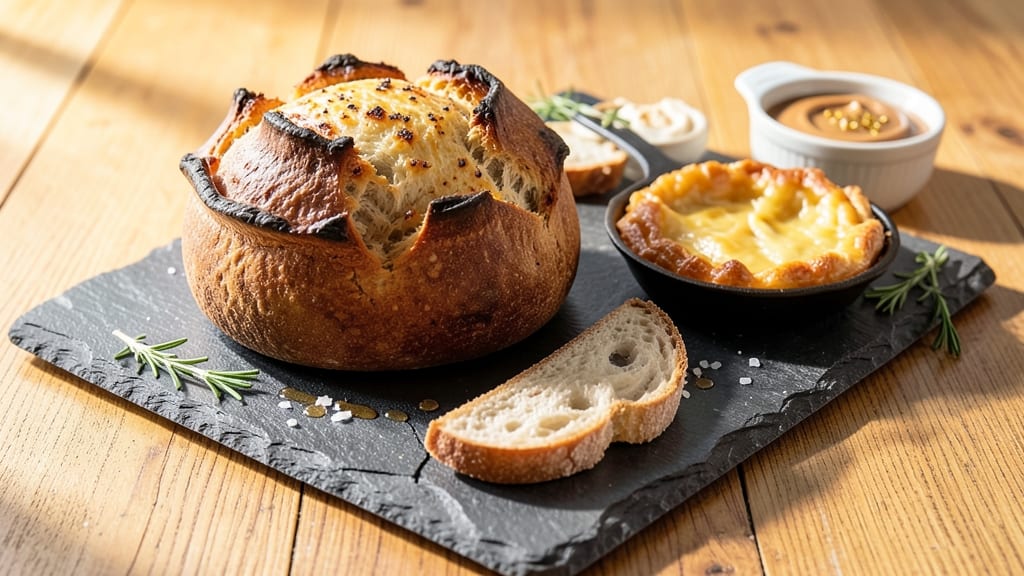
Transforming simple dough into a stunning centerpiece isn't just possible—it's foolproof with this artistic bread recipe. 🌟 The secret lies in mastering two techniques: creating vibrant swirls in the dough and achieving that perfect golden crust.
I developed this recipe after years of experimenting with decorative breads, and it consistently delivers restaurant-quality results at home.
What makes this recipe special is its balance of creativity and simplicity. You'll work with a basic bread dough, but the shaping techniques—like creating elegant swirls and scoring intricate patterns—elevate it to edible art.
The dough is forgiving, allowing beginners to practice shaping without frustration, while still producing a loaf that looks like it belongs in a bakery display case.
By the time your bread emerges from the oven, you'll have a loaf with a crispy, golden crust and beautiful swirled patterns that make it as visually appealing as it is delicious.
The texture inside is perfectly tender, with just the right amount of chew. This isn't just bread—it's a conversation starter that transforms any table setting.
Whether you're baking for a special occasion or simply want to elevate your homemade bread game, this recipe delivers. The best part? You can customize the design to match any theme or season. Let's get started on creating your masterpiece.
Ingredients for artistic bread
Four cups of flour and a pinch of creativity turn ordinary dough into edible art.
| Ingredient | Amount | Notes |
|---|---|---|
| All-Purpose Flour 🌾 | 4 cups | Sifted for smooth dough |
| Active Dry Yeast 🍞 | ¼ oz | Or 2.5 tsp (1 packet) |
| Granulated Sugar 🍚 | 1 tbsp | Feeds yeast for activation |
| Unsalted Butter 🧈 | ½ cup | Cold, cubed for texture |
| Warm Water 💧 | 1 ¼ cups | 110°F for yeast activation |
| Large Egg 🥚 | 1 whole | Room temperature for mixing |
| Diamond Crystal Kosher Salt 🧂 | 1 ½ tsp | Adjust to taste |
| Extra-Virgin Olive Oil 🫒 | 1 tbsp | For dough and brushing |
| Honey 🍯 | 1 tbsp | Adds subtle sweetness |
| Cornmeal 🌽 | ¼ cup | For dusting work surface |
| Milk 🥛 | 1 tbsp | For egg wash richness |
| Poppy Seeds 🌿 | 1 tbsp | Optional for decorative topping |
| Sesame Seeds 🌾 | 1 tbsp | Optional for decorative topping |
| Turbinado Sugar 🍬 | ½ cup | For crust enhancement |
The flour is your foundation—King Arthur or Gold Medal work best for that tender crumb. Yeast matters too: Fresh is ideal, but instant yeast in the same amount works fine. For the butter, European-style brands like Plugrá melt beautifully for that rich, flaky texture. Warm water should feel like bathwater—not hot enough to kill the yeast, but not cold either. If your kitchen runs cool, let the water sit for 5 minutes after boiling to reach that perfect 110°F. Honey isn't just for sweetness—it helps the dough rise faster and gives that subtle caramel note when baked. Pro tip: use a digital thermometer to check water temp if you're unsure.
No honey? Maple syrup at half the amount works in a pinch. Butter shortage? Coconut oil mimics the fat content, though it won't have the same flavor. For the decorative seeds, Trader Joe's bulk bins are perfect—they're cheap and last forever. Want extra shine? Brush the baked loaf with a mix of melted butter and milk (1:1 ratio) while still warm. The turbinado sugar? Sprinkle it on right before baking for that crackly, golden crust. And if your dough feels too sticky? Add flour 1 tbsp at a time—don't overdo it or the texture suffers.
This dough keeps beautifully—3 days in the fridge wrapped tightly in plastic, or 3 months in the freezer if you want to prep ahead. For freezing, shape the loaf, wrap it in plastic, then foil, and thaw overnight in the fridge before baking. The seeds and sugar toppings? Use them fresh for best texture, but store them in airtight containers for up to 6 months. Once baked, these loaves reheat best in a 350°F oven for 5 minutes—just enough to crisp the crust without drying out the interior. Trust me, the second slice is even better than the first.
Why You'll Love This Recipe
- No-Knead Magic: I swear by this recipe when I forget to plan ahead—just mix the flour, yeast, and warm water, let it rise overnight, then fold in that buttery dough. The hands-off rising means I can wake up to bread that’s already half the work done.
- Sweet Butter Love: That single cube of unsalted butter worked into the dough? It’s what turns good bread into ridiculously good bread. The sugar just gives it a subtle caramel note that makes every slice feel like a little treat.
- Weeknight Wonder: Between us, this bread is my go-to for sandwiches, toast, or even a quick French toast breakfast. I’ll make a double batch on Sundays and freeze half—because nothing beats warm bread straight from the oven, but sometimes you just need it now.
- Budget Baking: All-purpose flour and a little sugar? This recipe costs me pennies per loaf, and the butter stretches further than I’d expect. Plus, the leftovers keep for days, so I’m never scrambling for bread when I run out.
Step-by-step instructions for swirled dough and golden crust Magic
Transform simple dough into a stunning loaf with vibrant swirls and a crackling crust.
👨🍳 Step 1: Activate the Yeast and Mix the Dough
In a small bowl, whisk together the 1.25 cups warm water (about 110°F—too hot and you'll kill the yeast), 1 tbsp granulated sugar, and 0.25 oz active dry yeast. Let it sit for 5-10 minutes until frothy—this confirms your yeast is alive and ready to work. If it doesn't bubble, start over with fresh yeast.
In a large bowl, combine the 4 cups all-purpose flour and 1.5 tsp diamond crystal kosher salt. Make a well in the center and pour in the yeast mixture, 1 whole large egg, 1 tbsp extra-virgin olive oil, and 1 tbsp honey. Mix with a wooden spoon until a shaggy dough forms, then turn it out onto a lightly floured surface.
🍳 Step 2: Knead and Shape the Dough
Knead the dough for 8-10 minutes by pressing, folding, and turning it until it becomes smooth and elastic. You'll know it's ready when it springs back when poked and doesn't stick to your fingers. This step develops gluten, which gives your bread structure and that perfect chewy texture.
Divide the dough into 4 equal pieces (about 8 oz each). Roll each piece into a 12-inch rope, then coil them into loose spirals. Place them on a parchment-lined baking sheet, cover with a damp towel, and let them rise at room temperature for 1-2 hours until nearly doubled in size. The dough should feel light and airy when pressed gently.
🔥 Step 3: Swirl and Shape the Loaf
Preheat your oven to 375°F and line a baking sheet with parchment paper. Dust your work surface with 0.25 cup cornmeal and gently transfer one of the risen dough spirals onto it. Use a bench scraper to create a 12-inch rectangle, then fold it like a letter—brushing the 1 tbsp milk mixed with 1 tbsp extra-virgin olive oil over the surface as you work.
Roll the dough tightly into a log, sealing the edges well. Place it seam-side down on the prepared baking sheet, then repeat with the remaining dough. Sprinkle the 0.5 cup turbinado sugar evenly over the tops and swirl each loaf gently with a knife to create decorative patterns. This sugar will caramelize beautifully, giving your bread that golden, artful crust.
⏰ Step 4: Bake to Perfection
Bake the loaves for 25-30 minutes until they're deep golden brown and sound hollow when tapped on the bottom. The internal temperature should reach 190-200°F. For extra shine, brush the baked loaves with a little more of the milk-oil mixture while still warm.
Let the bread cool on a wire rack for at least 15 minutes before slicing—this prevents a gummy interior. Once cooled, sprinkle with 1 tbsp poppy seeds and 1 tbsp sesame seeds for a stunning finish. The contrast of the seeds against the golden crust makes this bread look as beautiful as it tastes.
Pro Tips For Making Artistic Bread
- Bloom the yeast first: Skip mixing dry yeast straight into flour—it’s lazy and often fails. Instead, dissolve it in warm water (110°F) with sugar first, then wait 5–10 minutes until it foams like a tiny beer. If it doesn’t bubble, your bread’s gonna flop, no matter how pretty the shape.
- Soften butter properly: Cold butter = dense dough. Warm it to room temp (68–72°F) by slicing into small cubes and letting sit for 30 minutes. Press it into the dough by hand—no mixer needed—until it’s fully incorporated. Overworking it later kills the air bubbles you want for that light, artistic texture.
- Avoid over-kneading: This dough’s delicate. Knead just until it pulls away from the bowl (about 5–7 minutes by hand). Overdo it, and you’ll end up with a tough, chewy loaf instead of that soft, sculptable masterpiece. If it’s sticky, add flour sparingly—you can always fix dryness, not glue.
- Proof at consistent warmth: Yeast hates temperature swings. Place your dough in a lightly oiled bowl, cover it, and let it rise in a spot that stays around 75°F (like a turned-off oven with a bowl of hot water nearby). If your kitchen’s drafty, use a proofing box or even a sunny windowsill—just don’t rush it. Patience here makes the difference between a fluffy loaf and a sad pancake.
Wine and beer pairings for these flavors
Crisp White Wine
For this delicate, golden-crusted bread, I always reach for a dry Riesling or Sauvignon Blanc—their bright acidity and citrus notes cut through the richness while complementing the subtle honey sweetness. A German Riesling from the Mosel with its flinty minerality pairs beautifully with the turbinado sugar crust.
If you prefer New World wines, a New Zealand Sauvignon Blanc with its zesty lime and herbal notes creates a refreshing contrast. 🍷
Malty Amber Ale
Beer lovers shouldn't miss out—an amber ale with caramel and biscuit notes enhances the bread's toasty crust. I recommend a Belgian-style amber ale like Duvel or a German Märzen for its malty depth that mirrors the bread's golden hue.
The slight sweetness in these beers balances the bread's subtle saltiness without overpowering it. For a bolder option, try a Belgian Dubbel with its rich, spiced profile.
Rosé for Occasions
When serving this bread at gatherings, a dry rosé from Provence adds an elegant touch. The pale pink hue and crisp acidity make it visually stunning alongside the golden loaf.
Look for a Côtes de Provence rosé with its delicate strawberry and citrus notes—it won't compete with the bread's flavors but instead enhances the overall dining experience. This pairing works especially well for brunch or afternoon tea settings.
Sparkling Pairings
For a celebratory touch, serve with sparkling wine or dry cider. A French Crémant with its fine bubbles and green apple notes creates a luxurious pairing. Alternatively, a dry English cider like Thatchers adds a rustic charm that complements the bread's artisanal qualities.
The effervescence cleanses your palate between bites, making every slice feel special. 🥂
Seasonal Adaptations
Summer calls for lighter pairings—opt for a chilled Pinot Grigio or wheat beer like Weihenstephaner Hefeweissbier. In fall, switch to a dry Riesling or amber ale to match the bread's warm spices. Winter?
A spiced red blend or dark ale with chocolate notes pairs wonderfully with the bread's golden crust. The key is matching the wine's body and sweetness to the bread's texture and flavor profile.
Nutrition facts
Frequently asked questions
How do I fix dough that's too sticky?
Add flour 1 tablespoon at a time while kneading—don't overdo it or the texture will suffer. For extra control, use a stand mixer with a dough hook to develop gluten faster. If the dough is still too wet after adding flour, try chilling it for 20 minutes before shaping.
Can I make this bread without a stand mixer?
This recipe works perfectly by hand. Knead the dough on a lightly floured surface for 8-10 minutes until smooth and elastic. The key is consistent pressure—press, fold, and turn the dough repeatedly. For the swirls, use a bench scraper to help shape the dough neatly without sticking.
What if my swirls don't look perfect?
Don't worry—imperfections make it look more rustic! The beauty of this recipe is that even "mistakes" create character. If your swirls are uneven, use a sharp knife to create clean scoring patterns before baking. The golden crust and seeds will still make it stunning—focus on the process rather than perfection.
How can I store leftover bread?
Wrap cooled loaves tightly in plastic wrap, then place in a paper bag at room temperature for 2-3 days. For longer storage, freeze for up to 3 months. To reheat, wrap in foil and warm in a 350°F oven for 5-10 minutes until crispy. Avoid the microwave—it makes the crust soggy.