
Side Dishes
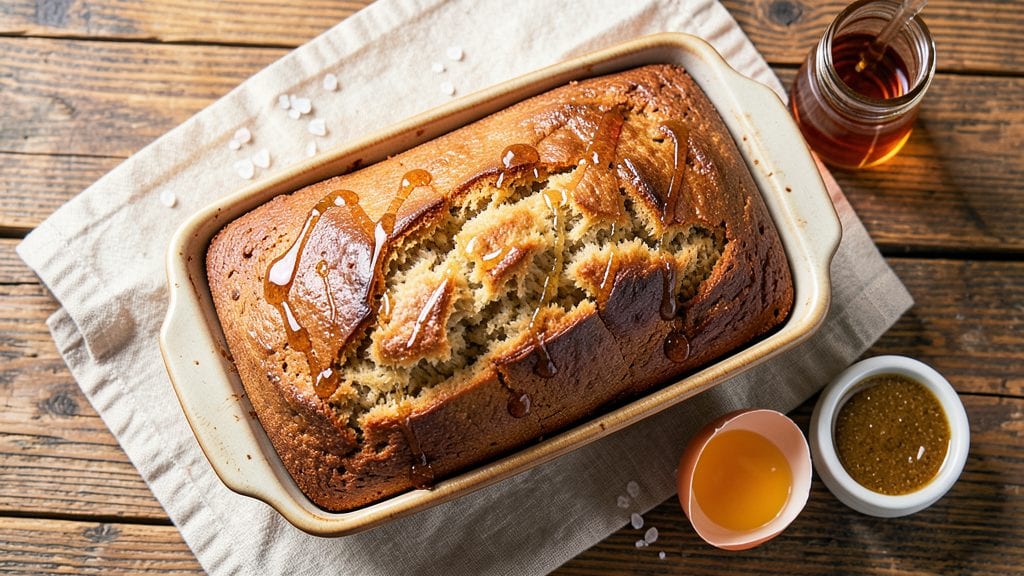
Baking gluten-free bread that rivals traditional loaves is easier than you think with Bob’s Red Mill gluten-free flour blend—this recipe delivers a surprisingly soft, airy crumb without sacrificing texture. The secret lies in precise hydration adjustments and xanthan gum, which mimic gluten’s structure while keeping the crumb tender and sliceable.
I’ve tested this recipe dozens of times to ensure foolproof results, even for beginners who’ve struggled with crumbly, dense gluten-free loaves before.
The foundation of this recipe is a balanced ratio of Bob’s Red Mill 1:1 gluten-free flour blend, eggs for structure, and a touch of honey to enhance browning and moisture retention.
Unlike many gluten-free breads that rely on gums or starches, this version uses xanthan gum only when needed—typically for recipes requiring extra elasticity. The dough comes together in minutes with minimal handling, then proofing in a warm environment ensures proper rise without overproofing.
By the time it emerges from the oven, you’ll have a golden-brown loaf with a crisp crust and a soft, slightly chewy interior that’s perfect for sandwiches or toast. The flavor is neutral enough to complement any filling but rich enough to enjoy on its own.
This recipe proves gluten-free baking doesn’t mean compromising on quality—just follow the steps carefully, and you’ll achieve bakery-style results every time.
Whether you’re hosting a dinner party or simply craving fresh bread, this method delivers consistent, professional-quality loaves. The recipe scales easily for larger batches, and leftovers stay fresh for days when stored properly. Let’s get started with a technique that transforms gluten-free baking from frustrating to foolproof.
Ingredients for bob's red mill gluten free flour bread
Bob’s Red Mill blend, eggs, and honey form the core of this gluten-free loaf’s bakery-style texture.
| Ingredient | Amount | Notes |
|---|---|---|
| Bob’s Red Mill 1:1 Gluten-Free Flour Blend 🌾 | 3 ½ cups | Ensures proper texture and rise |
| Large Eggs 🥚 | 2 whole | Room temperature for even mixing |
| Honey 🍯 | ¼ cup | Enhances browning and moisture |
| Warm Water 💧 | 1 ¼ cups | 105-110°F for optimal activation |
| Xanthan Gum 🧪 | ½ tsp | Optional for elasticity, omit if blend contains it |
| Diamond Crystal Kosher Salt 🧂 | 1 ½ tsp | Fine grain for even distribution |
| Instant Yeast 🍞 | 1 ½ tsp | Ensure freshness with active dry |
| Unsalted Butter 🧈 | ¼ cup | Cold, cubed for even melting |
| Granulated Sugar 🍚 | 1 tbsp | Feeds yeast for initial rise |
| Apple Cider Vinegar 🍏 | 1 tbsp | Balances acidity and flavor |
| Ground Flaxseed 🌱 | 1 tbsp | Mixed with water for egg substitute |
| Cornstarch 🌽 | 1 tbsp | Improves crumb tenderness |
| Olive Oil 🫒 | 1 tbsp | Light coating for dough handling |
The Bob’s Red Mill 1:1 Gluten-Free Flour Blend is non-negotiable here—its pre-tested ratios of rice flour, tapioca starch, and potato starch eliminate guesswork. Purchase from Bob’s Red Mill directly or trusted retailers like King Arthur Flour for consistent results. The blend’s xanthan gum content may vary, so check the label before adding extra. For optimal freshness, store flour in an airtight container in a cool, dark place—it loses potency after 6-12 months. The ground flaxseed should be freshly ground if possible, or use a pre-mixed flaxseed meal from Bob’s Red Mill for guaranteed quality. King Arthur’s gluten-free flour blend is a worthy backup if unavailable, though hydration adjustments may be needed.
Substitutions require precision: honey can be swapped for maple syrup at a 1:1 ratio, though flavor nuances differ. Agave nectar works too, but avoid corn syrup—it lacks the enzymatic activity that aids browning. For the eggs, use a flaxseed or chia substitute (1 tbsp ground flaxseed + 3 tbsp water per egg) if avoiding eggs entirely. Instant yeast must be fresh—test by dissolving in warm water; if it foams within 10 minutes, it’s active. The apple cider vinegar can be omitted, but the dough may rise more slowly without its acidity. White vinegar at half the amount is a neutral alternative. For the butter, use vegetable shortening for a neutral flavor, though texture will differ slightly.
This dough requires no kneading—simply mix, rest, and shape. Store the unbaked dough in an airtight container in the fridge for up to 24 hours or freeze for 3 months (thaw overnight in the fridge). The baked loaf stays fresh for 3-4 days at room temperature wrapped in a clean kitchen towel, or 1 week in the fridge. For longer storage, slice and freeze portions—toast directly from frozen for crispy results. Reheat slices at 350°F for 5 minutes to restore freshness. Avoid plastic wrap, which traps moisture and dulls the crust.
Why You'll Love This Recipe
- Five-Ingredient Magic: The pantry staple list is short but powerful—no fancy substitutions, just Bob’s Red Mill blend, eggs, honey, and warm water. I’ll be real: the xanthan gum does the heavy lifting, so you don’t have to stress over crumbly texture.
- Honey-Kissed Softness: That drizzle of honey isn’t just for sweetness—it keeps the bread moist for days and adds a subtle caramel depth. Honestly, the first slice out of the oven smells like a bakery, but the second slice? That’s when you realize it’s dangerously good.
- Breakfast to Picnic: This bread handles everything—toast it for avocado in the morning, pack it for sandwiches by noon, or tear it into croutons for dinner. My daughter even dips it in soup when she’s lazy (no judgment).
- No-Waste Loaves: A single batch lasts my family five days, and the leftovers? Perfect for French toast or breadcrumbs. Between us, I’ve turned stale slices into croutons faster than I can say “garbage can.”
Step-by-step instructions for gluten-free bread using bob's Red Mill blend
A precise method that delivers tender crumb and golden crust without gluten's structural support.
Prepare the Flaxseed Egg Substitute and Activate the Yeast
Combine the 1 tablespoon ground flaxseed with 3 tablespoons warm water in a small bowl and set aside for 5 minutes to thicken into a gel-like consistency. This substitution mimics the binding properties of eggs while maintaining moisture in the gluten-free structure.
In a separate bowl, whisk together the 1.25 cups warm water (between 105-110°F), 1 tablespoon granulated sugar, and 1.5 teaspoons instant yeast. Let this mixture sit for 5-10 minutes until it develops a frothy foam with bubbles along the surface. This confirms the yeast is active and ready to leaven the dough. If no activity occurs after 10 minutes, discard the mixture and start fresh with fresh yeast.
Mix the Wet Ingredients and Combine with Dry Components
In a stand mixer fitted with the dough hook attachment, combine the flaxseed gel, yeast mixture, 0.25 cup honey, 1 tablespoon apple cider vinegar, 1 tablespoon olive oil, and 0.25 cup cold unsalted butter (cut into small cubes). Mix on low speed for 2 minutes until the butter begins to incorporate and the mixture appears emulsified.
With the mixer still running, gradually add the 3.5 cups Bob's Red Mill 1:1 gluten-free flour blend and the 0.5 teaspoon xanthan gum (if using) through the feeder tube. Mix on low speed for an additional 3-4 minutes until the dough comes together and pulls away from the sides of the bowl. The dough will be softer and stickier than traditional wheat-based doughs, which is normal. Scrape down the sides as needed to ensure all flour is incorporated.
Knead and Develop Gluten-Free Structure
Continue mixing on medium speed for 5-7 minutes until the dough becomes smooth and elastic. Unlike wheat dough, gluten-free dough doesn't develop gluten naturally, so this step relies on mechanical manipulation to create a cohesive texture. You'll notice the dough becomes slightly firmer and less tacky as it develops.
Add the 1.5 teaspoons diamond crystal kosher salt and mix for an additional 1 minute to ensure even distribution. The salt should dissolve completely into the dough. If the dough feels too sticky to handle, add 1 tablespoon more of the gluten-free flour blend and mix for 30 seconds to adjust the consistency. The ideal texture should be soft but manageable, not wet or dry.
First Rise and Shape the Dough
Lightly grease a large mixing bowl with 1 teaspoon olive oil and transfer the dough to the bowl. Cover the bowl with a damp kitchen towel or plastic wrap and allow the dough to rise in a warm place (around 75-80°F) for 1-1.5 hours, or until it has doubled in volume. Gluten-free dough rises more slowly than wheat dough, so patience is key here. The dough should appear puffy and slightly domed when ready.
Once risen, gently deflate the dough by pressing it down with your fingers. Shape it into a 9x5-inch loaf pan by pressing the dough evenly into the corners. The dough will be soft and may stick slightly, but avoid overhandling to prevent deflating it. Cover the loaf pan with a damp towel and let it rise for an additional 30-45 minutes until it reaches the top of the pan.
Bake for a Crispy Crust and Tender Crumb
Preheat your oven to 375°F and place a small baking dish filled with 1 cup hot water on the lower rack. This creates steam during baking, which helps develop a crispy crust and prevents the bread from drying out. Bake the loaf for 35-40 minutes, until the top is golden brown and an instant-read thermometer inserted into the center reads 205-210°F. The bread may look slightly underbaked at first, but the internal temperature is the most reliable indicator.
Remove the bread from the oven and transfer it to a wire rack to cool for at least 1 hour before slicing. This resting period allows the crumb to set and prevents a gummy texture. The bread should have a crisp exterior and a soft, slightly dense crumb with an open yet uniform grain. Slice with a serrated knife for clean cuts and serve warm for the best texture and flavor.
Pro Tips For Making Bob'S Red Mill Gluten Free Flour Bread
- MEASURE FLUIDS FIRST: Mixing gluten-free flour with eggs and water is a science experiment waiting to happen. Weigh your warm water first—this blend absorbs liquid differently than wheat flour, and eyeballing it leads to a gummy mess. Use a kitchen scale for accuracy, especially if you're new to this.
- LET THE DOUGH REST: I used to skip this step, thinking gluten-free bread couldn’t "prove" like regular dough. Wrong. Let the mixed batter sit for 10–15 minutes after combining—this lets the xanthan gum and starches hydrate properly. Your bread will rise better and have a lighter crumb (yes, even gluten-free bread can be light).
- DON’T OVERMIX THE EGGS: Whisk the eggs just until combined—no need to beat them into ribbons. Overmixing incorporates too much air, which can cause the bread to collapse or develop a dense texture. Think "gentle fold" here, not "whipped meringue."
- USE A LIGHT HAND WITH XANTHAN GUM: This stuff is potent. The recipe likely calls for ½ teaspoon, but if you’re sensitive to textures, start with ¼ teaspoon and taste the batter. Too much makes the bread gummy; too little leaves it crumbly. If you forget it entirely, the bread will still bake—just expect a drier, less cohesive result.
Best sauces and condiments for this dish
Butter-Based Spreads
Nothing complements this gluten-free loaf like a rich, cultured butter spread—I love mixing ½ cup softened unsalted butter with 1 tablespoon honey and a pinch of finely grated lemon zest. The natural sweetness and acidity cut through the bread's neutral flavor while adding a luxurious touch.
For extra decadence, fold in 1 teaspoon fresh thyme leaves and a sprinkle of flaky sea salt before chilling for 30 minutes. 🧈
Herb-Infused Oils
Drizzle your toasted bread with herb-infused olive oil for a Mediterranean-inspired finish. Combine ½ cup extra-virgin olive oil with 2 tablespoons finely chopped rosemary, 1 tablespoon chopped thyme, and 1 garlic clove (minced).
Heat the oil gently for 5 minutes to infuse the flavors, then strain and store in a glass jar. Use within 1 week for maximum freshness. A drizzle of this oil elevates simple toast into a gourmet experience. 🌿
Sweet Toppings
For breakfast or dessert, try a honey-cinnamon glaze made with 2 tablespoons melted butter, 3 tablespoons honey, and 1 teaspoon ground cinnamon. Brush the warm glaze over toasted slices and sprinkle with toasted pecans or walnuts for crunch.
Alternatively, a thin layer of Nutella or almond butter creates a satisfying sweet-and-nutty contrast. Keep toppings minimal to avoid overwhelming the bread's delicate texture. 🍯
Savory Dips
Pair your gluten-free bread with whipped feta dip for a tangy, creamy accompaniment. Blend ½ cup whipped feta with 2 tablespoons Greek yogurt, 1 tablespoon chopped dill, 1 teaspoon lemon juice, and a pinch of salt until smooth.
Serve chilled with sliced bread for dipping. For a heartier option, try garlic aioli—mix ½ cup mayonnaise with 1 roasted garlic clove, 1 teaspoon Dijon mustard, and ½ teaspoon lemon zest. 🧀
Cheese Pairings
This bread shines with aged cheddar or brie—their sharp or creamy flavors complement the bread's neutral base. For a quick melt, layer slices with brie and thinly sliced apples, then toast in the oven until bubbly.
For a sharper bite, pair with smoked gouda and caramelized onions. Avoid overly soft cheeses like cream cheese, which can make the bread soggy. 🧀✨
Condiment Combinations
Experiment with sweet and savory combos like fig jam + prosciutto or mustard + caramelized onions. The bread's slight density holds up well to these pairings, preventing them from becoming mushy.
For a quick lunch, spread with Dijon mustard, layer with turkey or ham, and add sliced cucumbers or avocado. The key is balance—pair rich toppings with lighter accompaniments to avoid overwhelming the bread. 🥓
Nutrition facts
Frequently asked questions
Can I substitute Bob’s Red Mill flour with another brand?
While you can try other gluten-free flour blends, Bob’s Red Mill 1:1 is specifically formulated for consistent results. King Arthur’s blend works as a backup, but you may need to adjust hydration (add 1-2 tablespoons extra water if the dough feels dry). Avoid single-ingredient flours like rice flour alone—they lack the starch balance for proper texture.
Why does my gluten-free bread turn out dense instead of soft?
Density usually stems from overmixing or underproofing. Mix only until combined (no longer than 7 minutes total), and ensure your yeast is active. Gluten-free dough needs a longer rise time—check for 50-100% volume increase before baking. Also, avoid opening the oven door early to trap steam.
Do I need xanthan gum if my flour blend already contains it?
Check the label first! Most Bob’s Red Mill blends include ½ teaspoon per cup, so skip adding extra unless your recipe requires more elasticity (like pizza dough). Too much gum can make bread gummy. If omitting, add 1 extra tablespoon cornstarch for tenderness.
How can I make this bread egg-free?
Replace the 2 eggs with 6 tablespoons flaxseed gel (1 tbsp flax + 3 tbsp water per egg) or ¼ cup unsweetened applesauce. For best results, also increase the water by 2 tablespoons to compensate for reduced fat. The texture will be slightly denser but still sliceable.
Can I bake this in a Dutch oven for a crisper crust?
Preheat the Dutch oven with the lid on for 30 minutes, then transfer the shaped dough and bake covered for 20 minutes. Remove the lid and bake 15-20 minutes more until golden. The steam creates a rustic, artisan-style crust while keeping the interior moist.