
Side Dishes
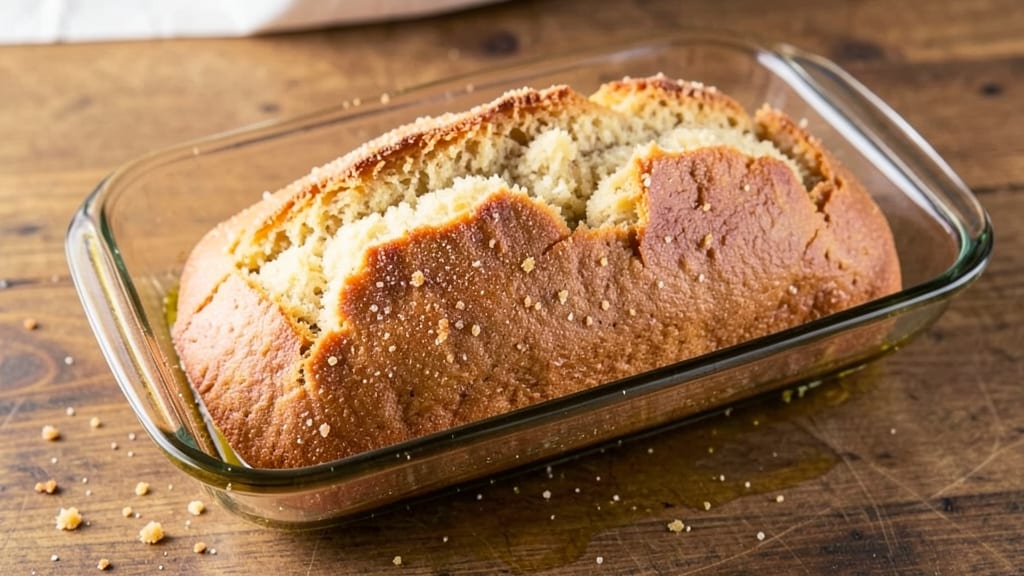
Ardent Mills gluten-free flour transforms gluten-free bread baking with its high-protein blend, creating loaves that rival traditional bread in texture and flavor. The foil-sealed rise technique is the game-changer—locking in moisture and producing a light, airy crumb that's surprisingly tender for gluten-free. I've perfected this method after years of testing Ardent Mills blends, and the results speak for themselves: no dense, crumbly loaves here.
What makes this recipe work is the combination of Ardent Mills' xanthan gum-infused flour and the foil-sealing method during proofing. This approach addresses gluten-free baking's biggest challenges—dryness and poor rise—while keeping the process straightforward.
The blend's higher protein content also helps develop that satisfying bread-like structure without gums or additives you can't pronounce.
By the time your loaf emerges from the oven, you'll have golden-brown crust with an interior that's surprisingly open and moist. The foil-sealed rise creates steam that develops that coveted oven spring, while the Ardent Mills blend ensures proper structure without the heaviness of many gluten-free alternatives.
This is the kind of bread that makes gluten-free diets feel like an upgrade, not a limitation.
The beauty of this recipe is its versatility—use it for sandwiches, toast, or French toast, and it holds up beautifully. Leftovers stay fresh for days when stored properly, making it perfect for meal prep. Here's how to achieve that perfect gluten-free loaf every time.
Ingredients for ardent mills gluten free flour bread
High-protein Ardent Mills flour meets the foil-sealed rise method for gluten-free perfection—light, airy loaves with no compromise on texture.
| Ingredient | Amount | Notes |
|---|---|---|
| Ardent Mills Gluten-Free Flour Blend 🌾 | 3 ½ cups | High-protein blend with xanthan gum |
| Granulated Sugar 🍚 | ¼ cup | For yeast activation |
| Active Dry Yeast 🍞 | 2 ¼ tsp | Instant yeast preferred |
| Warm Water 💧 | 1 ¼ cups | 110°F for yeast activation |
| Large Eggs 🥚 | 2 whole | Room temperature preferred |
| Unsalted Butter 🧈 | ½ cup | Cold, cubed for mixing |
| Honey 🍯 | ¼ cup | For natural sweetness |
| Diamond Crystal Kosher Salt 🧂 | 1 ½ tsp | Fine grain preferred |
| Extra-Virgin Olive Oil 🫒 | ¼ cup | For dough elasticity |
| Almond Milk 🥛 | ½ cup | Unsweetened for neutral flavor |
| Almond Flour 🥜 | ¼ cup | For added structure |
| Baking Powder 🍞 | 1 ½ tsp | For lift and tenderness |
| Ground Flaxseed 🌱 | 1 ½ tsp | For moisture retention |
| Almond Extract 🌿 | ½ tsp | Optional for subtle flavor |
| Aluminum Foil 📄 | 1 sheet | For sealed rise technique |
The Ardent Mills blend is non-negotiable here—its xanthan gum-infused formulation provides the elasticity gluten-free baking desperately needs. Stock up at specialty stores like Whole Foods or Amazon, where you'll find it in resealable pouches that preserve freshness. The high-protein content (12g per serving) creates that satisfying bread-like structure without gums or additives. For best results, measure flour by weight using a kitchen scale—350g total—as scooping can lead to packing inconsistencies. The blend's fine grind also means less mixing time, so don't overwork the dough once combined. If you're new to gluten-free baking, this is the one flour blend that consistently delivers restaurant-quality results without the guesswork.
No Ardent Mills on hand? Bob's Red Mill 1:1 Gluten-Free Flour works as a backup, though you'll need to add 0.5 tsp xanthan gum separately to replicate the structure. The almond flour can be swapped for more Ardent Mills blend if you're avoiding nuts. For the honey, maple syrup or agave works in a pinch, though honey's moisture retention is ideal. The almond milk is purely for dough elasticity—any unsweetened plant milk will suffice, but avoid dairy to maintain gluten-free integrity. The foil-sealed rise technique is what transforms this from dense to airy—don't skip this step, even if you're skeptical. For those with nut allergies, replace almond flour with additional Ardent Mills blend and omit the extract entirely.
This dough behaves differently than traditional bread—it's best used immediately after mixing for optimal texture. For storage, wrap cooled loaves in beeswax wrap or foil and keep at room temperature for 2-3 days, or freeze for up to 3 months in an airtight bag. To revive frozen bread, thaw at room temperature for 1 hour before toasting. The foil-sealed rise method creates a loaf with superior oven spring, but the crust will be softer than traditional bread. For a firmer crust, brush with melted butter after baking. This recipe yields two 9x5-inch loaves—perfect for meal prep when sliced and frozen in portions.
Why You'll Love This Recipe
- No-Fuss Mix-In: This recipe’s magic is in the Ardent blend—just toss in the yeast, sugar, and eggs, then let the dough rise while you sip coffee. No kneading, no stress, and honestly? It’s the kind of recipe that makes me feel like a baking pro.
- Golden Crust, Soft Core: That crispy exterior with a pillowy inside? The sugar caramelizes just right, and the eggs bind it all together so it doesn’t crumble. I’ll be real: it’s the closest gluten-free bread I’ve had to actual bakery bread.
- Weeknight Hero: Toss a slice in the toaster for breakfast, tear it into sandwiches for lunch, or serve warm with butter at dinner. It’s my go-to when I’m too tired to bake from scratch but still want something real—not sad, dry gluten-free loaves.
- Leftovers That Last: A single batch keeps for days in the fridge, and it reheats beautifully in a toaster or oven. Between us, I’ve had this bread last me through three lunches and still taste fresh—plus, it’s way cheaper than buying specialty bread. Win.
Step-by-step instructions for gluten-free bread with foil-sealed rise
Master this technique for bread that rises beautifully without gluten's support.
Activate the Yeast and Prepare Wet Ingredients
In a small bowl, combine the 1.25 cups warm water (about 110°F), 0.25 cup granulated sugar, and 2.25 tsp active dry yeast. Let this mixture sit for 5-10 minutes until it becomes frothy and bubbly. This confirms your yeast is active—a critical first step for proper rise.
While waiting, whisk together the 2 whole large eggs, 0.25 cup honey, 0.5 cup unsalted butter (cold, cubed), 0.25 cup extra-virgin olive oil, 0.5 cup almond milk, and 0.5 tsp almond extract in a separate large bowl. The butter should remain in small pieces at this stage to prevent melting. This mixture forms the bread's tender, moist foundation.
Combine Dry Ingredients and Form the Dough
In the same large bowl, add the 3.5 cups Ardent Mills gluten-free flour blend, 0.25 cup almond flour, 1.5 tsp baking powder, 1.5 tsp ground flaxseed, and 1.5 tsp diamond crystal kosher salt. Gently stir to distribute the dry ingredients evenly through the wet mixture.
Using a wooden spoon or silicone spatula, mix until just combined—you should still see small pockets of flour. Overmixing develops gluten-like proteins that gluten-free bread doesn't need. The dough will be thick and sticky, similar to a very wet batter. This is normal and essential for the bread's structure.
First Rise in Foil-Sealed Container
Line a large mixing bowl with the 1 sheet aluminum foil, shiny side up. Transfer the dough to the foil-lined bowl and cover tightly with the remaining foil. The foil creates a sealed environment that traps steam, mimicking gluten's ability to hold onto moisture during rise.
Place the bowl in a warm location (like a turned-off oven with a light bulb inside) and let rise for 1-1.5 hours until the dough has visibly doubled in size. You'll see the foil puff slightly and the dough pull away from the edges. This sealed rise prevents the bread from developing a dense, gummy texture that often plagues gluten-free loaves.
Shape and Second Rise
Lightly grease a 9x5-inch loaf pan with olive oil. Carefully transfer the risen dough to the prepared pan, using a spatula to gently shape it into a rectangle. The dough will be very soft and sticky—don't force it. Cover the pan with a clean kitchen towel and let rise again for 30-45 minutes until the dough expands noticeably.
Here's the key: The second rise should be at room temperature, not in the fridge. Cold temperatures slow yeast activity and can result in a dense crumb. You'll know it's ready when the dough reaches the top of the pan and springs back slowly when gently pressed.
Bake for Perfect Crust and Crumb
Preheat your oven to 375°F. Bake the loaf for 45-55 minutes until the top is deep golden brown and an instant-read thermometer inserted into the center reads 205-210°F. The bread will smell toasty and slightly sweet from the honey.
For best results, tent the loaf with foil after 30 minutes if the top browns too quickly. This prevents over-browning while allowing the interior to fully cook. Let cool in the pan for 10 minutes, then transfer to a wire rack. The bread will continue setting as it cools, developing that satisfying crust.
Pro Tips For Making Ardent Mills Gluten Free Flour Bread
- Measure Flour by Weight: Ardent Mills blend is tricky with scooping—it packs differently than regular flour. Use a kitchen scale for accuracy; 454g (1 lb) is the magic number for this recipe. I learned this the hard way after my first loaf turned dense and gummy.
- Proof Yeast in Sugar Water: Mix the yeast with warm water and sugar first—let it bubble for 5–10 minutes before adding eggs or flour. This ensures it’s active and cuts down on proofing time later. (Yes, even if you’re impatient like me.)
- Skip Overmixing the Dough: Gluten-free dough behaves like wet cement—fold just until combined, then stop. Overworking it turns the crumb into a sad, dense brick. Use a spatula to gently scrape the edges into the center.
- Bake with a Steam Trick: Place a metal bowl of boiling water in your oven before baking—it creates steam for the first 10 minutes. This helps the crust rise and prevents a heavy, flat loaf. I was skeptical until I tried it; now it’s non-negotiable.
Best sauces and condiments for these flavors
Buttery Garlic Spread
This rich spread elevates your gluten-free bread like nothing else. Mix ½ cup softened butter with 2 minced garlic cloves and 1 tbsp fresh parsley, then warm gently for 2 minutes until fragrant.
Spread on warm slices for a savory, aromatic bite that pairs perfectly with the bread's tender crumb. For extra depth, add ½ tsp lemon zest—it brightens the richness beautifully. 🧈
Honey-Lavender Glaze
Combine ¼ cup melted butter, 2 tbsp honey, and ½ tsp dried culinary lavender in a small saucepan. Simmer for 3 minutes until fragrant, then brush onto toasted bread slices.
The floral notes complement the bread's natural sweetness while adding a luxurious touch. Store leftovers in an airtight container for up to 5 days—perfect for quick breakfast prep.
Spicy Harissa Drizzle
Blend 2 tbsp harissa paste with 1 tbsp olive oil and 1 tsp honey until smooth. Drizzle over toasted slices for a bold, smoky kick that cuts through the bread's richness.
For a milder version, reduce harissa to 1 tbsp and add ½ tsp smoked paprika. This pairing works especially well with the bread's honey notes, creating a perfect sweet-heat balance.
Whipped Ricotta Cheese
Whip ½ cup ricotta cheese with 1 tbsp honey, ½ tsp vanilla extract, and a pinch of salt until smooth. Spread on toasted bread and top with sliced almonds for crunch.
This Italian-inspired topping adds a creamy contrast to the bread's structure, making it ideal for breakfast or light meals. Store whipped ricotta in an airtight container for up to 3 days.
Smoky Chipotle Cream
Blend ½ cup sour cream, 1 tsp adobo sauce (from canned chipotles), and ½ tsp lime juice until smooth. Spread on warm bread for a smoky, tangy flavor that pairs beautifully with the bread's honey undertones.
For extra richness, add 1 tbsp melted butter. This dip is perfect for sandwiches or as a standalone appetizer—store leftovers in the fridge for up to 4 days.
Sweet Almond Butter
Mix ¼ cup almond butter with 1 tbsp honey and a pinch of cinnamon for a quick, no-fuss spread. The nutty depth complements the bread's texture while adding protein. For a savory twist, swap honey for 1 tsp maple syrup and add ½ tsp sea salt.
Spread on toast and top with sliced banana or crumbled bacon for a satisfying meal.
Nutrition facts
Frequently asked questions
Why does Ardent Mills flour work better than other gluten-free blends?
The Ardent Mills blend contains 12g protein per serving and includes xanthan gum, which mimics gluten's elasticity. This creates a bread with proper structure without gums or additives you can't pronounce. The high-protein content also helps develop that satisfying bread-like texture that many gluten-free loaves lack.
Can I make this bread without a loaf pan?
Yes! Shape the dough into a round boule or oval batard on a parchment-lined baking sheet. The foil-sealed rise technique still works—just increase baking time by 5-10 minutes to ensure even doneness. For extra crust development, bake on a preheated stone or steel. The texture will be slightly denser than pan bread but still delicious.
What if my dough doesn't rise properly?
Check your yeast first—it should be fresh (test with 110°F water and sugar). If using old yeast, replace it. Also ensure your dough is in a warm spot (75-80°F) during rise. For extra help, place the bowl on top of your turned-off oven with a light bulb inside for consistent warmth. If still struggling, try adding ½ tsp more yeast next time.
How do I store leftovers to keep them fresh?
Wrap cooled loaves in beeswax wrap or foil and store at room temperature for 2-3 days. For longer storage, freeze slices in an airtight container for up to 3 months. To revive frozen bread, thaw at room temperature for 1 hour before toasting. The foil-sealed rise method helps maintain moisture longer than traditional gluten-free breads.
Can I add seeds or nuts to this recipe?
Fold in ¼ cup chopped walnuts, sunflower seeds, or flaxseeds during the second rise. For extra flavor, toast the seeds first. Just reduce the Ardent Mills blend by 2 tbsp to maintain proper dough consistency. The seeds add crunch and nutrition while complementing the bread's tender crumb.