
Side Dishes
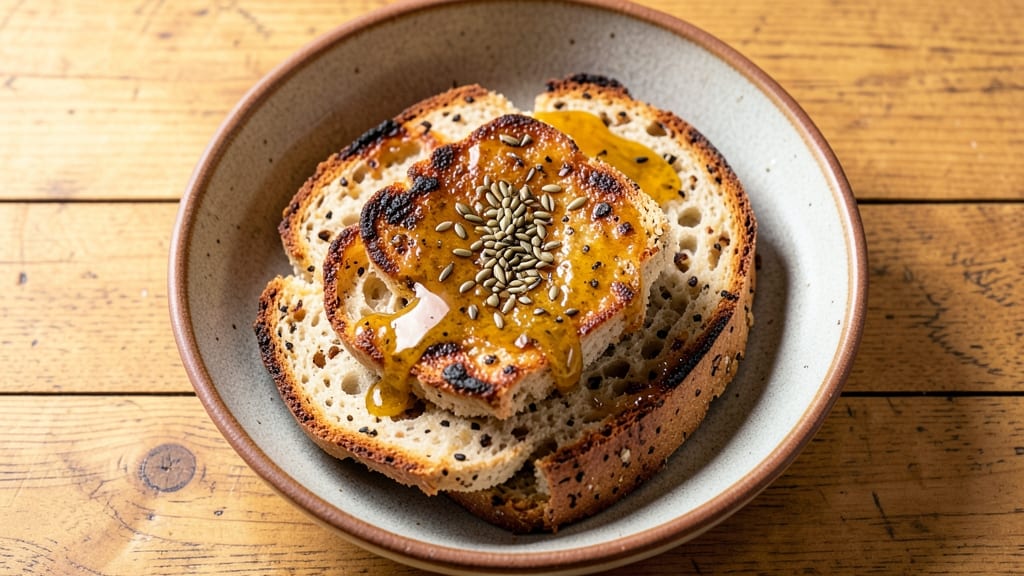
This Ayurvedic bread recipe transforms whole grains into a nourishing loaf designed to support digestive harmony and balance your body's natural energies. The secret lies in traditional spices like ajwain and flaxseeds, which work together to create a bread that's both comforting and health-promoting.
Unlike conventional breads, this recipe focuses on whole-grain ingredients that provide sustained energy and gentle digestion.
The recipe begins with a simple yet effective blend of whole wheat flour, millet, and flaxseeds—each chosen for their unique Ayurvedic benefits. Ajwain, or carom seeds, adds a digestive aid that helps reduce bloating, while ghee contributes to a rich, moist texture that's easy on the digestive system.
The kneading process is gentle yet thorough, ensuring the gluten develops just enough for structure without heaviness.
What you'll end up with is a hearty, spiced loaf with a crisp exterior and tender crumb, perfect for pairing with lentil stews or warm yogurt. The aroma alone—warm spices mingling with toasted grains—will make your kitchen feel like a traditional Ayurvedic kitchen.
This bread isn't just food; it's a mindful way to nourish your body while honoring ancient wisdom.
Whether you're new to Ayurveda or a seasoned practitioner, this recipe offers a simple yet profound way to incorporate healing ingredients into your daily meals. The best part? It bakes into a loaf that's as beautiful as it is beneficial, making it a centerpiece for any table.
Ingredients for ayurvedic bread
Whole grains and traditional spices blend to create this Ayurvedic loaf, rich in digestive benefits and warm flavors.
| Ingredient | Amount | Notes |
|---|---|---|
| Whole Wheat Flour 🌾 | 2 cups | Unbleached, high-protein preferred |
| Millet Flour 🌾 | 1 cup | Toasted for enhanced aroma |
| Flaxseeds 🌱 | ½ cup | Ground for optimal digestion |
| Ajwain Seeds (Carom Seeds) 🌿 | 1 tbsp | Freshly ground for potency |
| Clarified Butter (Ghee) 🧈 | ½ cup | Unsalted, high-quality |
| Active Dry Yeast 🍞 | 1 package | 2.25 tsp equivalent |
| Warm Water 💧 | 1 ¼ cups | 110°F for yeast activation |
| Honey 🍯 | 2 tbsp | Raw, unprocessed preferred |
| Salt 🧂 | 1 tsp | Fine sea salt |
| Cumin Seeds 🌶️ | ½ tsp | Toasted for depth |
| Coriander Seeds 🌿 | ½ tsp | Ground for balanced flavor |
| Sesame Seeds 🥜 | 1 tbsp | Toasted for crunch |
The foundation of this bread lies in its carefully selected whole grains and spices. Whole wheat flour provides structure, while millet flour adds a subtle earthiness and enhanced nutritional profile. For the flaxseeds, brown or golden varieties work best—they should be freshly ground to preserve their omega-3 content and digestive benefits. Ajwain seeds are the digestive superstar here; source them from Indian specialty stores or online Ayurvedic suppliers for maximum potency. The ghee should be pure, unsalted, and ideally organic—look for brands like Gowardhan or Patanjali if available, or make your own by clarifying butter. Toast your millet flour and spices in a dry pan until fragrant to deepen their flavors before mixing.
No ajwain? Fenugreek seeds at half the amount offer a similar digestive benefit, though with a slightly different flavor profile. Substituting millet flour with buckwheat or amaranth flour maintains the whole-grain integrity. For the ghee, coconut oil or vegan butter can replace it, though the bread will have a different texture and flavor. If you're short on sesame seeds, poppy seeds or sunflower seeds work well for the topping. The honey can be swapped for maple syrup or agave nectar for a vegan version, though the flavor will differ slightly. For a gluten-free adaptation, replace the whole wheat flour with a 1:1 gluten-free flour blend, but note the texture may be denser. Always measure your yeast by weight if possible—1 package equals 2.25 teaspoons—to ensure proper activation.
This dough benefits from a 12-24 hour cold fermentation in the refrigerator, which enhances flavor and digestibility. Store the finished loaf in a paper bag at room temperature for 2-3 days to maintain freshness, or freeze slices wrapped in parchment for up to 3 months. The spices lose potency over time, so grind them fresh whenever possible. For a longer shelf life, store the dry ingredients—flours, seeds, and spices—in airtight containers in a cool, dark place. The ghee should be kept refrigerated and used within 6-12 months of opening. This bread pairs beautifully with warm lentil stews or spiced yogurt dips, making it a versatile centerpiece for mindful meals.
Why You'll Love This Recipe
- No-Fuss Mixing: I swear by this combo of whole wheat and millet flour—no yeast, no kneading, just stir and bake. The flaxseeds add a subtle nuttiness without extra work, and those tiny ajwain seeds? They infuse warmth the second you crack the oven.
- Ghee Magic: That first bite of ghee-brushed crust? Pure comfort. The richness balances the earthy millet, while the ajwain gives it a faint, aromatic kick—like a hug from a spice market. (Yes, even my kids fight over the last piece.)
- Weeknight Superstar: Toss together the dough in 10 minutes, let it rest while you prep dinner, then bake. Perfect for sandwiches, toast with chutney, or even as a side for curries—no one will guess it’s secretly packed with fiber.
- Pantry Gold: Uses what you already have—no specialty trips. The millet flour stretches my budget, and leftovers toast just as well the next day. Honestly, I make two loaves just to have backup for lazy mornings.
Step-by-step instructions for Ayurvedic bread
Transform traditional grains and ancient spices into a nourishing, digestively balanced loaf.
Activate the Yeast and Prepare the Spice Base
In a small bowl, combine the 1 package active dry yeast, 2 tbsp honey, and ½ cup of the 1.25 cups warm water (about 110°F). Let this mixture sit for 5-10 minutes until it becomes frothy and bubbles form at the surface. This indicates the yeast is active and ready to leaven your bread.
While waiting, toast the 0.5 tsp cumin seeds and 0.5 tsp coriander seeds in a dry skillet over medium heat for 2-3 minutes until fragrant and lightly golden. Immediately grind them with a mortar and pestle or coffee grinder until they become a fine powder. This step intensifies their aromatic properties and ensures even distribution throughout the dough.
Combine Wet Ingredients and Mix the Dough
In a large mixing bowl, combine the remaining 0.75 cups warm water, 0.5 cup clarified butter (ghee), and the freshly ground spice mixture. Add the yeast mixture and stir well to incorporate. The ghee will create a rich, moist environment while the spices infuse the dough with digestive benefits.
Gradually add the 2 cups whole wheat flour and 1 cup millet flour to the wet mixture, stirring with a wooden spoon until a shaggy dough forms. The whole wheat flour provides fiber, while the millet flour contributes essential amino acids for complete protein. Sprinkle in the 1 tsp salt and mix thoroughly. The dough will be sticky but should come together when pressed.
Incorporate Flaxseeds and Ajwain for Texture and Digestion
Add the 0.5 cup ground flaxseeds and 1 tbsp ajwain seeds (carom seeds) to the dough. The flaxseeds contribute omega-3 fatty acids and fiber, while the ajwain seeds aid digestion and prevent bloating. Mix well to distribute these ingredients evenly throughout the dough. The ajwain seeds will impart a subtle, warm flavor that complements the earthy tones of the whole grains.
Turn the dough out onto a lightly floured surface and knead gently for 5-7 minutes until it becomes smooth and elastic. The dough should be soft but not sticky—if it sticks to your hands, add 1 tablespoon more of the millet flour. Kneading develops gluten, which gives the bread structure while maintaining its wholesome, dense texture characteristic of Ayurvedic breads.
First Rise and Shaping for Even Baking
Lightly oil a large mixing bowl and place the dough inside. Cover the bowl with a damp kitchen towel and let the dough rise in a warm place for 1-2 hours, or until it has doubled in size. The warm environment encourages yeast activity, while the damp towel prevents the dough from drying out. You'll know it's ready when the dough springs back slowly when pressed gently with a finger.
Punch down the risen dough to release any air bubbles, then divide it into 4 equal portions (about 1 cup each). Shape each portion into a round loaf by rolling it between your palms. Place the shaped loaves on a parchment-lined baking sheet, spacing them about 2 inches apart. Sprinkle each loaf with ¼ tbsp toasted sesame seeds for added crunch and nutritional benefit. The sesame seeds will toast beautifully during baking, adding visual appeal and a nutty flavor.
Bake to Golden Perfection for Digestive Harmony
Preheat your oven to 375°F with a baking stone or inverted baking sheet on the middle rack. This creates steam, which helps the bread develop a crisp crust while maintaining a soft interior. Bake the loaves for 25-30 minutes, until they are deep golden brown and sound hollow when tapped on the bottom. The crust should be firm but not hard, and the internal temperature should reach 190-200°F.
Remove the bread from the oven and let it cool on a wire rack for at least 15 minutes before slicing. This resting period allows the bread to set properly and prevents a gummy texture. The cooled bread should have a satisfying crunch on the outside and a soft, slightly dense crumb inside—perfect for pairing with soups, stews, or enjoying with ghee and honey for a traditional Ayurvedic breakfast.
Pro Tips For Making Ayurvedic Bread
- TOAST FLAXSEEDS FIRST: If you’re skipping this, you’re missing the nutty depth. Lightly dry-toast the flaxseeds in a pan for 2 minutes until they smell toasty—this stops them from turning bitter and makes the bread taste richer. (Yes, even if you’re in a hurry, this takes 60 seconds.)
- MIX FLOURS SEPARATELY: Whole wheat and millet behave differently—combine them after hydrating the dough. Mix the millet flour last, then fold it in gently to avoid a dense, heavy texture. I learned this the hard way when my first batch turned into a brick.
- PRESS GHEE IN LAYERS: Don’t just drizzle ghee—press it into the dough between folds like you’re sealing a letter. This creates pockets of flavor and ensures the bread stays moist longer. (Your hands are the best tool; no need for fancy equipment.)
- LET THE DOUGH REST: Walk away for 15 minutes after mixing. The gluten needs time to relax, or your bread will fight back with a tough bite. Cover it loosely with a damp cloth—this keeps the surface from drying out while the magic happens. (Trust me, skipping this is how you end up with chewy disappointment.)
Flavor customization for this dish
Digestive-Friendly Spice Boosts
Enhance the bread’s digestive benefits by adjusting the spice blend. For Vata-dominant individuals, add ½ tsp ginger powder to the dough—it warms the body and aids circulation.
For Pitta types, reduce the ajwain by ½ tsp and replace with ½ tsp fennel seeds to cool digestion. Kapha types can boost metabolism with ½ tsp black pepper (freshly ground) in the dough. 🌿
Sweet and Savory Variations
Transform this bread into a sweet treat by replacing 1 tbsp ajwain with 1 tbsp cardamom powder and adding 2 tbsp raisins to the dough. For a savory twist, sprinkle 1 tsp chaat masala over the shaped loaves before baking.
Both variations keep the Ayurvedic focus while adapting to your cravings.
Gluten-Free Adaptation
Replace the whole wheat and millet flours with a 1:1 gluten-free blend (like Bob’s Red Mill or King Arthur). Add 1 tbsp psyllium husk powder to the dough to improve texture and binding.
The bread will be denser but still moist and flavorful. Toast the sesame seeds extra well—they’ll add crunch to compensate for the softer crumb.
Protein-Packed Add-Ins
Boost the bread’s nutritional profile by incorporating ¼ cup cooked lentils (mashed) into the dough for extra plant-based protein. For a dairy-free option, replace the ghee with ½ cup coconut oil, though the flavor will shift slightly.
Both additions maintain the bread’s wholesome nature while enhancing its protein content for energy balance.
Crust and Crumb Control
For a softer crust, brush the baked loaves with melted ghee while still warm. For a crispier exterior, bake at 400°F for the last 5 minutes of baking time. The internal crumb remains tender either way—this is key for Ayurvedic breads, which prioritize easy digestion over fluffy textures.
Nutrition facts
Frequently asked questions
Can I make this Ayurvedic bread without yeast?
Yes! For a yeast-free version, replace the yeast with 1 tbsp baking soda and 1 tbsp lemon juice or vinegar. Mix the baking soda with the warm water first, then add the rest of the wet ingredients. The bread will be denser but still flavorful. For extra rise, fold in ½ cup whipped egg whites before shaping.
Why does my dough feel too sticky?
The dough should be soft but manageable. If it's extremely sticky, gradually add 1 tbsp more millet flour at a time while kneading. Overworking the dough can develop too much gluten, making it tough. For extra help, wet your hands slightly when handling the dough to prevent sticking.
How do I store leftover Ayurvedic bread?
Wrap cooled slices in parchment paper and store in an airtight container at room temperature for 2-3 days. For longer storage, freeze slices for up to 3 months. Toast frozen slices directly in the oven for 5-7 minutes at 350°F to restore freshness. The ghee helps preserve moisture, but avoid storing with other foods to prevent flavor transfer.
Can I use this bread for sandwiches?
While this bread is denser than sandwich bread, it works beautifully for hearty wraps or open-faced sandwiches. Toast slices lightly to crisp the crust, then layer with hummus, roasted vegetables, or spiced lentils. The millet and flaxseeds add a satisfying texture that holds up well. For extra sturdiness, double the bread layers.
What if I don't have ajwain seeds?
Ajwain is key for digestion, but you can substitute with ½ tsp fenugreek seeds or ¼ tsp asafoetida powder (hing). For a milder flavor, use ½ tsp cumin seeds (already in the recipe) at double the amount. Toast these seeds first to enhance their flavor. The bread will still support digestion but with a slightly different aroma.