
Desserts
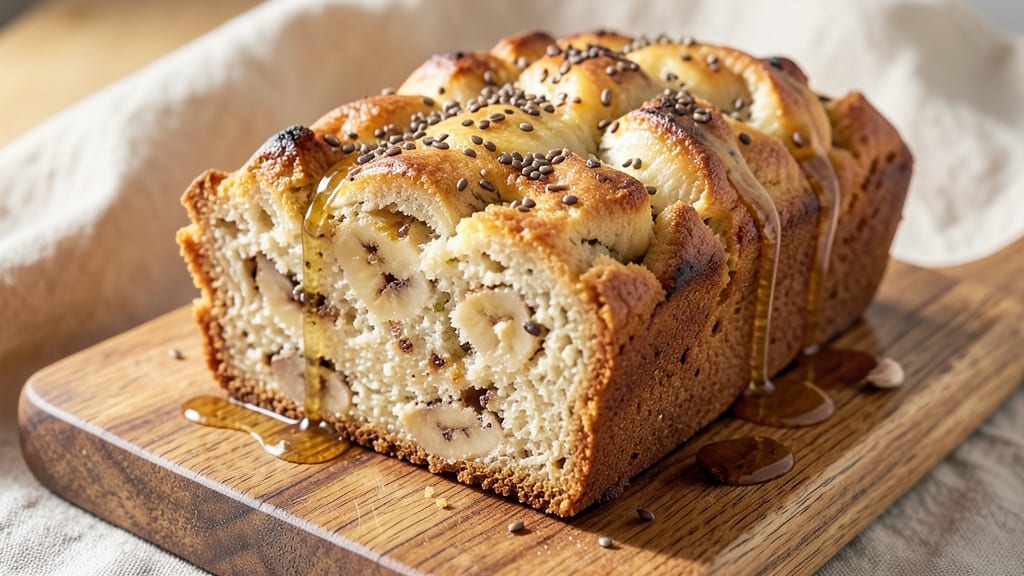
This Ayurvedic banana bread recipe transforms overripe bananas into a nourishing, spice-infused loaf that warms the body and soothes digestion. ✨ The secret lies in traditional spices like turmeric and cinnamon, which balance blood sugar while adding depth—no artificial sweeteners needed.
I developed this version after years of experimenting with gut-friendly baked goods, and it’s become a staple in my kitchen for its simplicity and health benefits.
The recipe combines ripe bananas with warming spices—ginger, cardamom, and black pepper—to create a moist, fragrant loaf that’s naturally sweetened with honey or maple syrup. Unlike conventional banana bread, this version focuses on Ayurvedic principles, using ingredients that support digestion and energy levels.
The result is a tender crumb with a subtle spice kick, perfect for breakfast or a midday pick-me-up.
Baking takes just 50 minutes at 350°F, and the loaf emerges golden with a fragrant aroma that fills your home. The spices not only enhance flavor but also work synergistically to promote circulation and metabolism.
Serve warm with a dollop of coconut yogurt or a sprinkle of chia seeds for added texture and nutrition.
Whether you’re following Ayurvedic principles or simply craving a healthier dessert, this recipe delivers restaurant-quality results with minimal effort. The ingredients are easy to find, and the method is foolproof—ideal for beginners and seasoned bakers alike. Let’s get baking!
Ingredients for ayurvedic banana bread
Warm spices, ripe bananas, and gut-friendly ingredients create this Ayurvedic-inspired loaf perfect for nourishing digestion and balancing energy.
| Ingredient | Amount | Notes |
|---|---|---|
| Ripe Bananas 🍌 | 3 medium | Overripe with brown spots |
| All-Purpose Flour 🌾 | 2 cups | Organic preferred, sifted |
| Coconut Sugar 🥥 | ¾ cup | Fine grain for even baking |
| Extra-Virgin Olive Oil 🫒 | ½ cup | Cold-pressed, fruity flavor |
| Ground Flaxseed 🌿 | 1 tbsp | For egg replacement |
| Warm Water 💧 | 3 tbsp | To activate flaxseed |
| Ground Cinnamon 🌶️ | 2 tsp | Ceylon cinnamon preferred |
| Fresh Turmeric 🧡 | 1 tsp | Grated, vibrant color |
| Ground Ginger 🌿 | 1 tsp | Freshly ground preferred |
| Ground Cardamom 🌿 | ½ tsp | Whole pods preferred |
| Black Pepper 🌶️ | ½ tsp | Freshly cracked |
| Baking Soda 🧂 | 1 tsp | Pure, unflavored |
| Salt 🧂 | ½ tsp | Fine sea salt |
| Vanilla Extract 🌸 | 1 tsp | Pure alcohol-free |
| Plain Coconut Yogurt 🥛 | ¼ cup | Unsweetened, full-fat |
The bananas are the heart of this recipe—choose ones so ripe they're nearly black, as they're sweeter and more flavorful. Trader Joe's and Whole Foods often have perfect ones, but your local grocery store's produce manager can point you to the ripest bunch. For the spices, Penzeys or bulk bins at natural markets offer the freshest ground options, but regular grocery stores carry acceptable substitutes. Cardamom and turmeric are non-negotiable for the Ayurvedic benefits—they're what transform this into a gut-soothing treat rather than just banana bread. Store spices in airtight containers away from light to preserve their potency.
No Ceylon cinnamon? Regular cinnamon works in a pinch, though it's slightly stronger. Fresh turmeric can be swapped for powdered at half the amount, but the color and freshness make it worth seeking out. The coconut sugar adds natural sweetness without the blood sugar spikes of refined sugar, though maple syrup or honey would work equally well. For the flax egg, ensure the water is warm (not hot) to properly activate the binding properties. The coconut yogurt adds moisture and probiotics—Silk or So Delicious brands work perfectly, but any plain unsweetened coconut yogurt will do.
This loaf keeps beautifully for 4-5 days at room temperature wrapped in a clean kitchen towel, or 1 week refrigerated. For longer storage, slice and freeze portions for up to 3 months. The spices lose potency over time, so if storing leftovers, transfer to an airtight container with a slice of bread to maintain freshness. Reheat slices in a toaster or oven for 10-15 seconds to restore the warm spice aroma. The yogurt topping can be added fresh or stored separately—just drizzle before serving for maximum creaminess.
Why You'll Love This Recipe
- Uses what you’ve got: flour, sugar, and olive oil that’s probably already in your cupboard. The flaxseed adds a little protein boost, and ripe bananas? Free if you’re already buying them. Three ingredients I never run out of, and this bread lasts a week—if it survives that long.
- No Mash Needed: I swear by this trick—just toss those overripe bananas into the food processor with the dry ingredients, pulse once, then fold in the olive oil. No sticky mess, no extra bowls, and honestly? It’s how I make it every time without breaking a sweat.
- Sweet Without Guilt: Coconut sugar gives it that deep caramel warmth, but the flaxseed keeps it grounded—like a hug for your taste buds. Between us, it’s the kind of sweetness that doesn’t leave me craving more sugar later. (Yes, even on a Tuesday night.)
- Breakfast or Snack Hero: Slice it warm with a smear of almond butter for a grab-and-go energy boost, or pack it in lunchboxes for kids who’ll actually eat their fruit. I’ve even thrown cubes into overnight oats when I’m lazy—works like a charm.
Step-by-step instructions for Ayurvedic banana bread
Transform simple ingredients into a nourishing loaf that balances sweetness with warming spices.
👨🍳 Step 1: Prepare the Flaxseed Egg Substitute
In a small bowl, whisk together the 1 tablespoon ground flaxseed and 3 tablespoons warm water. Let it sit for 5 minutes until it thickens into a gel-like consistency—this is your egg replacement. The mixture should resemble raw egg whites in viscosity.
This flaxseed "egg" provides the binding properties needed to hold the moist banana bread together without dairy. I always use freshly ground flaxseed for maximum nutritional benefits, especially the omega-3 fatty acids that support gut health—a key principle in Ayurvedic cooking.
🍳 Step 2: Mix Wet Ingredients for Maximum Flavor
In a large mixing bowl, mash the 3 medium ripe bananas until completely smooth with no visible lumps. Stir in the 0.5 cup extra-virgin olive oil, 0.75 cup coconut sugar, and the flaxseed mixture. Add the 0.25 cup plain coconut yogurt, 1 teaspoon vanilla extract, and 1 teaspoon fresh turmeric.
The turmeric adds vibrant color and anti-inflammatory properties, while the coconut yogurt contributes beneficial probiotics. Mix until all ingredients are fully incorporated—you should see a thick, smooth batter with a rich golden hue from the turmeric and olive oil.
👨🍳 Step 3: Combine Dry Ingredients and Fold Gently
In a separate bowl, sift together the 2 cups all-purpose flour, 2 teaspoons ground cinnamon, 1 teaspoon ground ginger, 0.5 teaspoon ground cardamom, 0.5 teaspoon black pepper, 1 teaspoon baking soda, and 0.5 teaspoon salt. This spice blend creates the characteristic Ayurvedic warmth that aids digestion.
Gradually fold the dry ingredients into the wet mixture using a spatula, mixing just until combined. Avoid overmixing—you should still see some flour streaks. The cardamom and ginger work together to stimulate circulation and metabolism, while the cinnamon adds natural sweetness without refined sugar.
🔥 Step 4: Bake to Golden Perfection
Preheat your oven to 350°F and grease a 9x5-inch loaf pan with olive oil or line it with parchment paper. Pour the batter into the prepared pan and smooth the top. Bake for 50-60 minutes until a toothpick inserted in the center comes out clean and the top springs back when pressed.
Here's the thing about banana bread—it's easy to overbake. I recommend checking at the 50-minute mark. The loaf should be golden brown on top with a slightly domed appearance. If the edges brown too quickly, tent with foil to prevent over-browning while the center finishes cooking.
⏰ Step 5: Cool and Slice for Optimal Texture
Remove the bread from the oven and let it cool in the pan for 10 minutes before transferring to a wire rack to cool completely. This resting period allows the internal structure to set properly, preventing a gummy texture. The bread should be moist but not sticky when fully cooled.
For the best results, slice the bread when it's at room temperature. The warming spices and natural sweetness from the bananas and coconut sugar create a perfect balance that makes this more than just dessert—it's a nourishing treat that supports digestive health according to Ayurvedic principles.
Pro Tips For Making Ayurvedic Banana Bread
- Mash Bananas Smooth: Don’t just smash them with a fork—press through a fine-mesh sieve or food mill to remove fiber. This keeps the batter light and prevents a dense, gummy texture, especially important when using flaxseed as a binder instead of eggs.
- Preheat Pan to 325°F: Too hot and the crust burns before the center sets; too cool and it stays gummy. I learned this after pulling out a loaf that looked perfect but fell apart when sliced. A dark metal loaf pan needs 15 minutes; glass takes 20.
- Mix Flaxseed with Warm Water: Stir the ground flaxseed into 3 tablespoons warm water and let it sit for 5 minutes before adding to the batter. Cold water makes it sluggish, and skipping the wait means weaker binding—your bread might crumble or dry out faster.
- Use Olive Oil at Room Temp: Cold olive oil creates pockets in the batter that make the bread dense. Let the bottle sit out for 30 minutes before measuring, or warm it slightly in a bowl of hot water. The texture will be tender, not greasy.
Perfect pairings for this ayurvedic banana bread
Spiced Tea Pairings
This Ayurvedic banana bread pairs beautifully with chai tea made with cardamom, cinnamon, and ginger—the same spices in your loaf. I love using Tazo Chai Tea or making my own blend with 1 tsp each of ground cardamom, cinnamon, and ginger steeped in hot water for 5 minutes.
The warmth of the tea complements the bread's digestive benefits beautifully. 🍵
Probiotic Yogurt Toppings
Serve slices with a dollop of plain coconut yogurt mixed with 1 tsp honey and a pinch of turmeric for an extra Ayurvedic boost. I recommend Silk Unsweetened Coconut Yogurt—its creamy texture contrasts perfectly with the bread's moist crumb.
Add a sprinkle of chia seeds for extra fiber and omega-3s, which align with Ayurvedic principles of balancing Vata energy. 🥛
Golden Milk Latte
For a cozy pairing, heat 1 cup unsweetened almond milk with ½ tsp turmeric, ¼ tsp cinnamon, pinch of black pepper, and 1 tsp honey. Froth with a whisk and serve alongside warm banana bread slices.
The black pepper enhances turmeric absorption, making this drink a true Ayurvedic powerhouse. Trust me, the combination is pure comfort. 🌟
Fresh Fruit Contrast
Balance the richness with sliced apple or pear—their crisp texture and natural sweetness cut through the bread's spiced warmth. I like to arrange thin slices on a plate with the bread for a visually appealing contrast.
For extra Ayurvedic benefits, add sliced banana to honor the bread's star ingredient while adding potassium for digestion. 🍎
Warm Spiced Nuts
Toast ¼ cup mixed nuts (almonds, walnuts, or cashews) with ½ tsp cinnamon and ¼ tsp cardamom in a dry pan for 3-4 minutes. Sprinkle over slices for added crunch and healthy fats.
This adds a satisfying texture while keeping the dish balanced—perfect for Ayurvedic Pitta season (summer) when cooling foods are ideal. 🌰
Nutrition facts
Frequently asked questions
Why does this recipe use flaxseed instead of eggs?
Flaxseed creates a perfect vegan egg substitute that mimics the binding properties of eggs while adding omega-3 fatty acids—key for Ayurvedic digestion support. The 1 tablespoon ground flaxseed mixed with 3 tablespoons warm water forms a gel that holds the moist banana bread together beautifully. Plus, it's a traditional Ayurvedic ingredient that strengthens the digestive tract!
Can I make this gluten-free?
Replace the 2 cups all-purpose flour with a 1:1 gluten-free baking blend (like Bob's Red Mill) for the same texture. For best results, add ½ teaspoon xanthan gum to help bind the crumb. The spices and banana flavor will still shine through—just expect a slightly denser texture.
How do the spices benefit digestion in Ayurveda?
The spice blend—cinnamon, ginger, turmeric, and cardamom—works synergistically to warm the body and stimulate digestion. Cinnamon helps regulate blood sugar, turmeric reduces inflammation, and ginger aids circulation. Together, they create a Pitta-balancing combination perfect for cold weather or sluggish digestion.
What if my bread turns out too dense?
Overmixing or underbaking usually causes density. Try folding the batter just until combined (don't overmix), and check doneness at 50 minutes—it should spring back when pressed. For extra moisture, brush warm slices with melted ghee before serving. The flaxseed egg also needs proper activation time (5 minutes resting), so never skip that step!
Can I substitute maple syrup for coconut sugar?
Yes! Use ½ cup maple syrup plus ¼ cup water to replace the ¾ cup coconut sugar. The extra liquid helps maintain moisture. Maple syrup adds a different caramel note while keeping the recipe vegan-friendly. For Ayurvedic balance, pair with black pepper to enhance sweetness perception naturally.