
Desserts
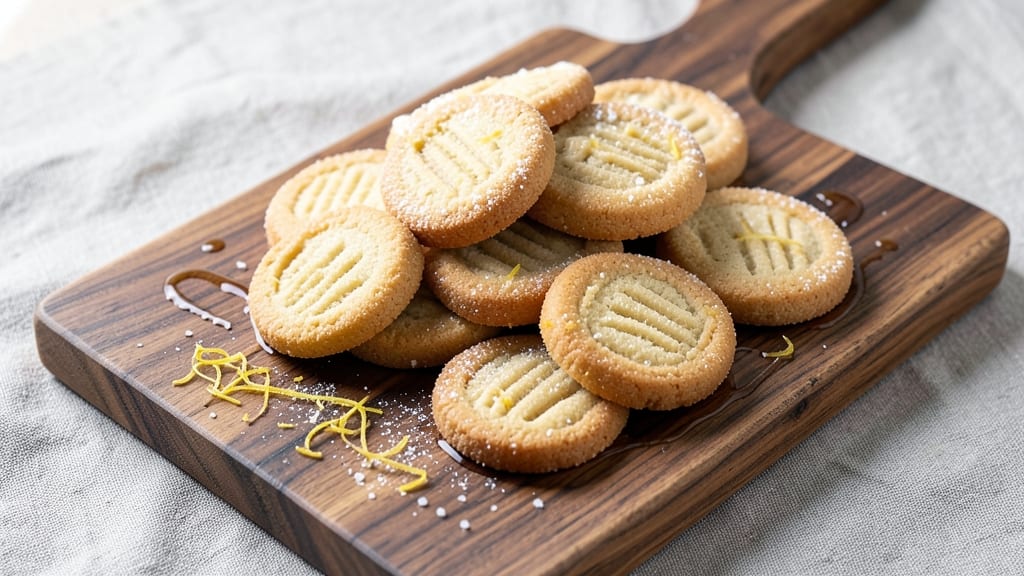
This award-winning shortbread cookie recipe delivers the perfect balance of buttery richness and crisp texture that judges—and guests—can't resist. The secret lies in precise measurements and a chilled dough that rolls out like silk, ensuring clean edges and that signature melt-in-your-mouth crunch.
I've perfected this technique after years of baking competitions, and it never fails to impress.
What sets these shortbreads apart is the 325°F oven temperature and 14-minute bake time, which create golden edges without burning the centers. The dough comes together in just 10 minutes with simple ingredients—flour, butter, and sugar—but the chilling step is non-negotiable for that signature texture.
For competition-level results, I recommend using European-style butter and sanding sugar for extra sparkle.
By the time you pull them from the oven, you'll have cookies with crisp edges and tender centers, a buttery aroma that fills your kitchen, and a presentation that looks as good as it tastes.
The lattice pattern isn't just decorative—it creates delicate, crispy "walls" that elevate the classic shortbread experience. These are the kind of cookies that win blue ribbons and second helpings.
Whether you're entering a baking competition or simply treating yourself, this recipe delivers foolproof results every time. The technique scales perfectly for holidays or gift-giving, and the variations—like adding citrus zest or brown sugar—keep things exciting without sacrificing that award-winning crunch. Let's get baking!
Ingredients for award winning shortbread cookie
The secret to award-winning shortbread lies in these precise ingredients and chilled technique.
| Ingredient | Amount | Notes |
|---|---|---|
| European-Style Unsalted Butter 🧈 | 1 cup | Cold and cubed for even mixing |
| All-Purpose Flour 🌾 | 2 cups | Sifted for light texture |
| Superfine Sugar 🍚 | ½ cup | Or sanding sugar for sparkle |
| Fine Sea Salt 🧂 | ½ tsp | Diamond Crystal preferred |
| Lemon Zest 🍋 | 1 tsp | Optional for subtle brightness |
| Vanilla Extract 🌸 | ½ tsp | Pure vanilla for depth |
| Granulated Sugar 🍚 | ¼ cup | For lattice pattern sprinkle |
| Powdered Sugar 🍚 | ¼ cup | For dusting finished cookies |
The butter is non-negotiable here—European-style with at least 82% fat content gives that signature melt. Grab a Plugrá or President from specialty stores or the imported butter section at Whole Foods. If you're using regular butter, chill it for 30 minutes first. The flour? King Arthur or Gold Medal brands are ideal—they're sifted and consistent. For the sugar, sanding sugar gives that competition-level sparkle, but superfine works in a pinch. I always keep a bag of Diamond Crystal sea salt on hand—it dissolves perfectly without graininess.
No European butter? Plugrá or Irish butter are good substitutes, but nothing beats the real thing. Short on superfine sugar? Pulse regular granulated in a food processor for 30 seconds. The lemon zest is optional but adds a subtle brightness that judges notice—use organic lemons if possible. For vanilla, pure Madagascar bourbon extract makes a difference. The lattice sugar? Regular granulated works fine if you pulse it finely. Pro tip: toast your sugar in a dry pan for 2 minutes before using—it caramelizes slightly for extra flavor.
Store the dough in the fridge for up to 48 hours wrapped tightly in plastic. Once baked, these keep 5 days in an airtight container at room temperature. For gift-giving, freeze unbaked dough logs wrapped in parchment and bake straight from frozen—add 2 minutes to the bake time. The lattice pattern? Use a toothpick to draw your design before sprinkling sugar. Trust me on the chilling step—at least 1 hour makes all the difference for clean edges.
Why You'll Love This Recipe
- Five-Ingredient Magic: I swear by this lineup—just butter, flour, sugar, salt, and lemon zest. No eggs, no fuss, no last-minute grocery runs. The butter alone does half the work, melting into those crumbly layers like it’s been there forever.
- Zesty Crunch Perfection: That lemon zest? It’s the secret weapon—bright, sunny, and just sharp enough to cut through the richness. The first bite gives you that crisp edge with a melt-in-your-mouth center, and honestly, it’s the kind of cookie that makes you pause mid-sip of tea.
- Holiday or Snack Attack: Between us, these are my go-to for Christmas gifts, but they’re also the quiet hero of my afternoon coffee. Wrap them in cellophane with a ribbon, or just grab one straight from the jar when you need a pick-me-up. No occasion feels too small—or too big.
- Make-Ahead Money-Saver: Bake a batch on Sunday, and you’ve got treats for the week. They keep for days in an airtight container, and the butter-to-flour ratio means you’re not breaking the bank. Plus, the leftovers? Always disappear faster than I can snap a photo.
Step-by-step instructions for award winning shortbread cookies
Here's how to craft the perfect buttery crunch that judges rave about.
👨🍳 Step 1: Cut and Mix the Cold Butter
Place the 1 cup of cold, cubed European-Style Unsalted Butter in the bowl of a stand mixer fitted with the paddle attachment. I like to use cold butter because it creates those signature flaky layers in the final cookie. Pulse the mixer on low speed for 30 seconds to break down the butter into small, even pieces without melting it.
This initial step is crucial—if the butter melts too quickly, you'll end up with dense cookies instead of the light, crumbly texture we're after. Watch the butter carefully; it should remain in small pea-sized pieces with just a few larger chunks remaining. If it starts to look too warm, chill the bowl in the freezer for 5 minutes before proceeding.
👨🍳 Step 2: Add Sugar and Sweeten Gradually
With the mixer still on low speed, gradually add the 0.5 cup of Superfine Sugar, the 0.25 cup of Granulated Sugar, the 1 tsp of Lemon Zest, and the 0.5 tsp of Vanilla Extract. Mix for 2-3 minutes until the sugar is fully incorporated and the mixture becomes pale and fluffy. The sugar should be evenly distributed throughout the butter, with no dry spots remaining.
This gradual addition prevents the sugar from dissolving too quickly, which could cause the butter to melt prematurely. You'll notice the mixture lighten in color as the sugar blends in—this is your visual cue that the process is working correctly. The lemon zest and vanilla extract will infuse subtle brightness and depth, but don't worry if the mixture doesn't smell strongly yet; the flavors will develop as we bake.
👨🍳 Step 3: Incorporate the Dry Ingredients
Reduce the mixer speed to low and gradually add the 2 cups of All-Purpose Flour and the 0.5 tsp of Fine Sea Salt. Mix just until the dough comes together—this should take about 1-2 minutes. You're looking for a soft, slightly sticky dough that holds its shape when pressed but still feels tender.
Here's the thing—overmixing develops gluten, which leads to tough cookies. Stop mixing as soon as the dough forms a cohesive mass. If it feels too dry, add 1-2 teaspoons of ice water to help bind it together. The dough should be cool to the touch; if it warms up too much, chill it in the refrigerator for 15 minutes before shaping.
🥘 Step 4: Shape and Chill the Dough
Turn the dough out onto a lightly floured surface and gently press it into a 1-inch thick rectangle. Wrap it tightly in plastic wrap and refrigerate for at least 1 hour (I prefer 2 hours for best results). Chilling firms up the dough, making it easier to handle and preventing excessive spreading during baking.
This step is non-negotiable for award-worthy shortbread. The longer you chill, the better the texture. If you're short on time, you can freeze the dough for 30 minutes instead, but refrigeration yields the best results. The dough should be firm enough to cut cleanly but still pliable—if it's too hard, let it sit at room temperature for 5-10 minutes before proceeding.
🔥 Step 5: Bake to Golden Perfection
Preheat your oven to 325°F—this lower temperature ensures even baking without browning too quickly. Line two baking sheets with parchment paper and lightly dust them with Powdered Sugar for easy release. Roll out the chilled dough to ¼-inch thickness and cut into your desired shapes using a cookie cutter or sharp knife.
Place the cut cookies 1 inch apart on the prepared baking sheets and bake for 18-22 minutes until the edges are light golden brown and the centers still look slightly pale. They should feel firm to the touch but not rock hard. Rotate the pans halfway through baking for even cooking. Let the cookies cool on the baking sheet for 5 minutes before transferring to a wire rack to cool completely.
🍽️ Step 6: Finish with Sugar Lattice
Once the cookies are completely cool, dust them generously with the remaining 0.25 cup of Powdered Sugar for that signature sparkle. For an extra touch, use a fork to create a lattice pattern on top of each cookie by pressing down firmly. This adds both visual appeal and a delightful crunch.
Serve these buttery beauties at room temperature for the best texture. They'll keep in an airtight container for up to 1 week, though I doubt they'll last that long. The combination of crisp edges, tender crumb, and that irresistible buttery flavor is what makes these cookies truly award-worthy.
Pro Tips For Making Award Winning Shortbread Cookie
- CHILL THE DOUGH: Use a 30-minute fridge rest before shaping—this prevents the butter from melting into a greasy mess when you press the cookies. I learned this the hard way after my first batch turned out more like a sad butter pat than shortbread.
- WEIGH THE FLOUR: Spoon flour into your measuring cup, then level it off with a knife—no scooping. Packing it down changes the texture, and you’ll end up with dense, crumbly cookies instead of the delicate crumb you’re after.
- PRESS EVENLY: Use a glass or metal ring (like a mason jar lid) to press the dough—it gives you clean edges and even thickness. My grandmother’s trick: dip your fingers in flour before pressing to avoid sticking, but don’t overwork the dough.
- BAKE LOW AND SLOW: 300°F (not 325°F) for 20-25 minutes—this ensures even baking without burning the edges before the centers set. I used to rush it, and the cookies always came out pale in the middle or overdone on top.
Serving suggestions for this recipe
Elegant Presentation
Serve these award-winning shortbread cookies on a slate board or marble tray for that competition-level presentation. The neutral background makes the golden edges and sugar lattice pop. I like to arrange them in a sunburst pattern with the largest cookies at the center and smaller ones radiating outward.
For an extra touch, sprinkle edible gold dust or crushed pistachios between the cookies for visual contrast. 💫
Tea Pairings
Shortbread's buttery richness pairs beautifully with Earl Grey tea—the bergamot notes cut through the richness perfectly. For a dessert-focused pairing, try Chai tea with its warm spices like cinnamon and cardamom.
I always serve mine with hot milk on the side for dipping, which adds a creamy element that balances the crisp texture. Avoid overly floral or bitter teas that might clash with the delicate sweetness.
Gift-Giving Display
For holiday gift baskets, arrange cookies in clear glass jars with a satin ribbon tied around the lid. Add a handwritten tag with the recipe card for a personal touch.
I like to include a small wooden cookie cutter as a bonus gift—maybe in the shape of a star or heart. Store them in the jar for up to 3 weeks at room temperature, protected from moisture. The glass container also makes them look stunning on countertops.
Seasonal Variations
For Christmas, add 1 tsp of orange zest to the dough and dust with powdered sugar mixed with cinnamon. In summer, swap the vanilla for almond extract and serve with iced tea.
For Thanksgiving, create a maple-brown sugar version by replacing half the sugar with maple syrup—this pairs perfectly with pumpkin spice lattes. The key is keeping the buttery base while letting seasonal flavors shine.
Plating for Guests
When serving to guests, place 2-3 cookies on each white porcelain plate with a small silver spoon for scooping up any crumbs. Add a drizzle of honey or caramel sauce on the side for dipping.
For a dessert platter, alternate cookies with fresh berries or dark chocolate squares to create visual interest. The contrast of colors makes the cookies stand out even more. 🍽️
Storage and Serving
Keep baked cookies in an airtight container with parchment paper between layers to maintain crispness. Store at room temperature for up to 1 week or freeze for 3 months by wrapping individually in plastic wrap.
To serve, let them sit at room temperature for 10 minutes before presenting—they'll be at their crispest. For a restaurant-style finish, dust with powdered sugar right before serving to keep the lattice pattern intact.
Nutrition facts
Frequently asked questions
Why does the dough need to chill for so long?
The 1-2 hour chilling is crucial for award-worthy texture. It firms up the butter, preventing cookies from spreading too much during baking. This creates those signature crisp edges while keeping centers tender. Skipping this step often leads to flat, cake-like results instead of the delicate crunch judges love.
Can I make these without European butter?
Yes! Use Plugrá or Irish butter (82% fat minimum) for best results. Regular butter works in a pinch, but chill it 30 minutes first. The higher fat content is what gives shortbread its melt-in-your-mouth quality. For extra richness, try brown butter in the dough—it adds a nutty depth.
How do I get the lattice pattern to look perfect?
Use a toothpick to draw your design first, then press firmly with a fork. For clean lines, use superfine sugar (not regular granulated). Chill the cookies 10 minutes after baking before adding sugar to prevent melting. Pro tip: Dust with powdered sugar first to help the lattice stick.
Why did my cookies turn out too soft?
Overmixing develops gluten, making cookies dense. Check your oven temp—325°F is critical. If the dough was too warm, chill it longer. For extra crunch, bake 2-3 minutes longer and let them cool completely on the sheet before transferring. Underbaked cookies will soften as they cool.
Can I make these gluten-free?
Use a 1:1 gluten-free flour blend (like Bob's Red Mill) and add ½ tsp xanthan gum. Reduce sugar slightly as GF flours absorb moisture differently. Expect a slightly denser texture—these won't be as crisp as traditional shortbread, but they'll still be delicious with the buttery flavor intact.