
Side Dishes
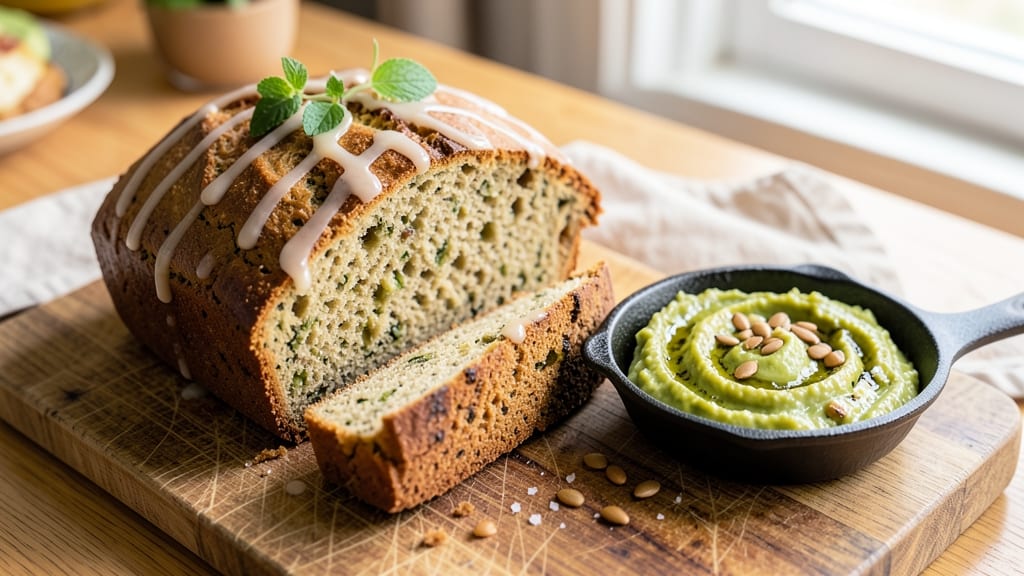
This avocado yeast bread recipe transforms humble ingredients into a rich, fluffy loaf with a subtle green twist. 💚 The secret lies in blending ripe avocado directly into the dough, creating a tender crumb and moist texture without overpowering the bread's natural flavor.
Unlike dense quick breads, this recipe develops through proper yeast fermentation, resulting in a light, airy loaf that's perfect for sandwiches or toast.
The process begins with a simple dough that incorporates mashed avocado into the wet ingredients, ensuring even distribution of its healthy fats and natural sweetness.
Yeast activation and proper kneading are critical—this isn't a shortcut recipe, but the effort pays off in a beautifully risen loaf with an open crumb structure. The avocado adds moisture that prevents dryness, while the yeast fermentation develops complex flavors over time.
What you'll end up with is a golden-brown loaf with a crisp crust and tender interior, where every slice reveals a subtle avocado richness. The bread stays fresh for days when stored properly, making it ideal for meal prep.
Whether you're serving it with soup, using it for sandwiches, or simply enjoying it toasted with butter, this recipe proves that healthy ingredients can deliver restaurant-quality results at home.
For best results, use ripe but firm avocados and allow the dough to proof fully before baking. The flavor improves with storage, developing deeper notes as the bread sits. This is the kind of bread that makes you want to bake again and again—simple yet impressive, healthy yet indulgent.
Ingredients for avocado yeast bread
Eight simple ingredients blend into a loaf that's rich, tender, and packed with healthy fats.
| Ingredient | Amount | Notes |
|---|---|---|
| Ripe Avocados 🥑 | 2 whole | Pitted, peeled, mashed smooth |
| Active Dry Yeast 🍞 | 2 ¼ tsp | Freshly measured for best rise |
| All-Purpose Flour 🌾 | 4 cups | Unbleached, room temperature |
| Granulated Sugar 🍚 | ½ cup | For yeast activation |
| Unsweetened Almond Milk 🥛 | ¾ cup | Warm, not hot |
| Vegetable Oil 🫒 | ¼ cup | Light olive or canola |
| Apple Cider Vinegar 🍎 | 1 tbsp | For yeast activation |
| Salt 🧂 | 1 ½ tsp | Fine sea salt preferred |
| Ground Flaxseed 🌾 | 1 tbsp | For egg replacement |
| Water 💧 | ¼ cup | For flax egg mixture |
| Sesame Seeds 🌱 | 1 tbsp | Optional topping |
The avocados are the star—ripe but firm ones yield the best texture. Whole Foods or local markets often have the freshest selection, but any grocery store will do. Look for avocados that give slightly when pressed but don't feel mushy. The yeast? Bob's Red Mill active dry yeast is my go-to—it activates consistently. Store your flour and yeast in a cool, dark place to maintain freshness, and always measure your yeast by weight for accuracy. The almond milk adds moisture without overpowering the bread's subtle avocado flavor.
No almond milk? Oat milk or soy milk works just as well—just use the same amount. Short on flaxseed? Chia seeds at double the amount (2 tbsp chia + 3 tbsp water) make a decent substitute. The vinegar is crucial for yeast activation—apple cider vinegar adds a pleasant tang, but white vinegar works in a pinch. For the avocado, avoid over-mashing—a few small lumps keep the texture tender. If you're worried about the bread being too green, don't be—the avocado flavor is subtle and delicious, not overpowering.
This dough needs time to rise properly—at least 1 hour at room temperature, then another 1-2 hours in the fridge for better flavor development. The bread stays fresh for 4-5 days at room temperature, wrapped tightly in a cloth-lined bag. For longer storage, freeze slices wrapped in parchment paper for up to 3 months. Toasting enhances the avocado flavor, so don't skip this step—it's where the bread truly shines.
Why You'll Love This Recipe
- I’ll be real: avocado bread feels fancy, but it’s not. Ripe avocados are often on sale, and you’re using way less than a full fruit per loaf. Plus, it freezes like a dream—toss a slice in toast the next day, and no one will guess it’s been sitting in the freezer for days.
- No Mash Needed: I swear, the mashed avocado just blends right into the dough—no extra steps, no sticky mess. The almond milk keeps it tender without fighting with the yeast, so you’re basically mixing and kneading like a pro, even if your kitchen looks like a tornado hit it.
- Rich Without Butter: Honestly, the avocado does all the heavy lifting here. That creamy, buttery richness you’d usually need a stick of butter for? It’s right there in the fruit, plus a pinch of sugar to balance the earthiness. My kids still ask why it’s not "regular" bread, but they’ll fight over the last slice.
- Weeknight Hero: Between us, this is my go-to when I’m too tired to measure yeast properly. The dough rises while I’m scrolling through my phone, and by the time it’s done, I’ve got warm, soft bread that’s perfect for sandwiches or just tearing into with jam. (Yes, even on a Tuesday night.)
Step-by-step instructions for avocado yeast bread
Transforming avocado into fluffy bread requires precision. Here's how to blend nutrients with texture for perfect results.
👨🍳 Step 1: Activate the Yeast with Avocado Base
In a small bowl, combine the 0.5 cup granulated sugar, 0.75 cup warm unsweetened almond milk (110°F - warm to touch but not hot), and 2.25 tsp active dry yeast. Let this sit for 5-10 minutes until it becomes foamy and bubbly. This indicates the yeast is active and ready to work.
In a separate bowl, mash the 2 whole ripe avocados until completely smooth using a fork or potato masher. The avocado will replace eggs and add moisture, so don't skip this step. Add the mashed avocado to the yeast mixture and whisk together until fully combined. The mixture should be smooth with no visible avocado chunks.
👨🍳 Step 2: Prepare the Flax Egg and Mix Wet Ingredients
Combine the 1 tbsp ground flaxseed with the 0.25 cup water in a small bowl. Stir well and let it sit for 5 minutes until it thickens into a gel-like consistency. This flax egg will replace traditional eggs and bind the dough together.
To the avocado-yeast mixture, add the 0.25 cup vegetable oil, 1 tbsp apple cider vinegar, and the thickened flax egg. Mix thoroughly until all ingredients are well incorporated. The vinegar helps activate the yeast further and adds a subtle tang to balance the avocado's richness.
👨🍳 Step 3: Combine Wet and Dry Ingredients
In a large mixing bowl, whisk together the 4 cups all-purpose flour and 1.5 tsp salt. Gradually pour the wet ingredients into the dry ingredients while stirring with a wooden spoon or spatula. Mix until just combined—you should still see some flour streaks, as overmixing develops gluten and can make the bread dense.
At this stage, the dough should be slightly sticky but manageable. If it feels too wet, add 1-2 tablespoons more flour, 1 tablespoon at a time, until the dough comes together. The avocado adds moisture, so don't be surprised if the dough is softer than traditional bread dough. Cover the bowl with a damp towel and let it rest for 10 minutes.
🍳 Step 4: Knead and Shape the Dough
On a lightly floured surface, turn out the dough and knead gently for 5-7 minutes until smooth and elastic. The dough will be softer than traditional bread dough due to the avocado, so avoid over-kneading. Shape the dough into a loaf and place it in a lightly greased 9x5-inch loaf pan.
Cover the loaf pan with a damp towel and let the dough rise in a warm place for 1-1.5 hours, or until it has doubled in size. You'll know it's ready when the dough springs back slowly when gently pressed with a finger. Preheat your oven to 350°F during the last 15 minutes of rising to ensure it's ready for baking.
🔥 Step 5: Bake to Golden Perfection
Once the dough has risen, bake the loaf for 50-55 minutes until the top is golden brown and the internal temperature reaches 200°F when measured with an instant-read thermometer. The bread should sound hollow when tapped on the bottom.
Remove the bread from the oven and let it cool in the pan for 10 minutes. Transfer it to a wire rack to cool completely. For extra flavor, brush the top with a little melted butter and sprinkle with 1 tbsp sesame seeds while still warm. Slice and serve—each bite will surprise you with its moist, fluffy texture and subtle avocado richness.
Pro Tips For Making Avocado Yeast Bread
- Mash Avocados First: No one likes chunks in their bread—scoop out the flesh, mash it smooth with a fork, then strain through a fine-mesh sieve to catch any lingering bits. This keeps your dough silky and prevents weird texture pockets later.
- Warm the Almond Milk: Yeast loves warmth, and cold almond milk will slow it down. Heat the milk to about 100°F (38°C)—just warm to the touch—before mixing it into the yeast and sugar. Skip this, and your bread might take twice as long to rise.
- Don’t Overmix the Dough: Once you add the flour, stop stirring the second the dough pulls away from the bowl. Overworking it makes the bread dense, and this recipe’s avocado richness already leans toward heaviness. A few extra seconds won’t hurt, but don’t turn it into a workout.
- Proof Until It’s Almost Ready: The dough should double in size and look puffy with a slight dome on top—then let it sit another 10 minutes. This extra time ensures a light crumb, especially since avocado adds natural oils that can weigh the bread down. (Yes, even if you’re impatient like me.)
Pro cooking tips for this dish
Yeast Activation
Your yeast needs perfect conditions to activate properly—too hot and it dies, too cold and it won't work. I always use a thermometer to check the almond milk is 110°F (warm to touch but not hot).
If your kitchen is chilly, pop the milk in a microwave for 20 seconds or warm it on the stove over low heat. The yeast should foam in 5-10 minutes—if it doesn't, your yeast may be dead or your milk was too hot. 🌡️
Avocado Consistency
Mashing the avocado too finely can make your dough gummy, while leaving chunks creates uneven texture. I use a fork to mash until completely smooth, then strain through a fine-mesh sieve if needed.
For extra insurance, blend with a hand mixer for 10 seconds to eliminate any lumps. The goal is a silky-smooth base that blends seamlessly with the dough.
Dough Resting Time
Skipping the 10-minute rest after mixing is a rookie mistake—the dough needs time to relax its gluten structure. This prevents overdevelopment when kneading later. Cover the bowl with a damp towel to keep it moist, not plastic wrap (which traps steam and can make the dough sticky).
The rest also helps the avocado's natural oils distribute evenly.
Kneading Technique
This dough is softer than traditional bread, so resist the urge to overwork it. On a lightly floured surface, knead for just 5-7 minutes—longer kneading develops too much gluten, making the bread dense.
If the dough sticks, wet your hands slightly instead of adding more flour. The avocado makes it more pliable, so gentle handling is key. 💪
Proofing Perfection
Proofing in a warm place (like a turned-off oven with a bowl of hot water) speeds up rising. I place my loaf pan in a preheated oven at 100°F for 30 minutes to jumpstart fermentation, then move it to room temperature for the final rise.
The dough should double in size and have a slightly domed top—if it collapses, it needs more time. A digital thermometer helps track the perfect 75-78°F proofing temperature.
Baking Test
Your bread is done when it reaches 200°F internal temperature and sounds hollow when tapped. I use an instant-read thermometer to avoid overbaking—avocado bread dries out quickly if left too long.
For extra assurance, check the crust color: it should be golden brown, not pale. If unsure, err on the side of underbaking—it'll finish cooking as it cools. 🔥
Nutrition facts
Frequently asked questions
Why does my avocado bread dough feel so sticky?
The mashed avocado adds natural oils and moisture that make this dough softer than traditional bread dough. Use a lightly floured surface when kneading, and avoid adding extra flour—this can make the bread dense. The stickiness is normal and part of what creates that tender, moist crumb!
Can I substitute other fruits for avocado in this recipe?
While avocado provides healthy fats and moisture, other fruits won't work the same way. Bananas add sweetness but lack the fat content, and applesauce would make the bread too dense. For a similar texture, try mashed sweet potato (½ cup) but expect a different flavor profile.
How do I know when the dough has risen enough?
Press your finger gently into the dough—if it springs back slowly (not immediately), it's ready. The dough should also double in size and have a slightly domed top. For best results, proof in a warm place (like a turned-off oven with a bowl of hot water) to speed up fermentation.
Can I make this bread without a loaf pan?
Yes! Shape the dough into a round boule or batard and bake on a parchment-lined baking sheet at 375°F for 30-35 minutes. For extra flavor, brush the top with olive oil before baking. The crust will be crispier, but the interior will remain tender and moist.
Why does my bread taste slightly bitter?
Overproofed dough or old yeast can cause bitterness. Always use fresh yeast and proof the dough at 75-78°F for 1-1.5 hours. If the dough smells yeasty or fruity, it's ready—if it smells sharp or sour, it's overproofed. For extra flavor balance, add a pinch of cinnamon to the dough.