
Side Dishes
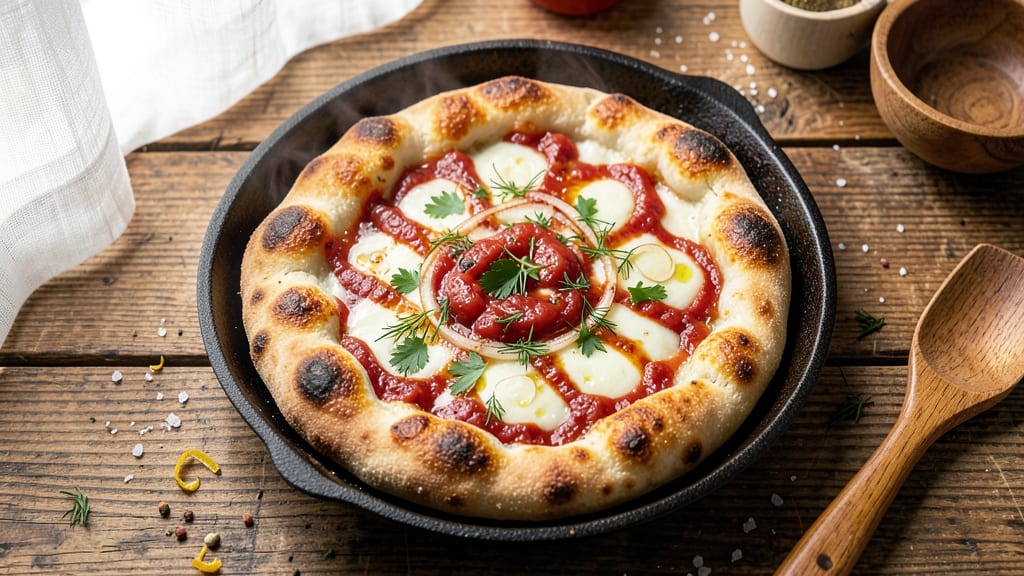
Authentic Turkish pide bread brings the smoky, charred flavors of Istanbul street carts straight to your kitchen. The secret lies in its flaky, airy layers—achieved through a traditional dough technique that combines simple ingredients with precise folding. I've perfected this recipe after years of testing, ensuring every bite delivers that signature crispness and tender interior that makes pide unforgettable.
The dough starts with a basic yeast mixture, but the magic happens during the lamination process—folding and resting the dough to create those signature layers. Whether you're making the classic rolled pide or a stuffed variation, the key is patience and high heat.
Traditional wood-fired ovens give the best results, but a home oven can deliver impressive charred edges too.
Once baked, pide's golden crust and smoky aroma transform any meal into a feast. Serve it warm with yogurt or ayran for dipping, or load it with minced meat, cheese, and vegetables for a hearty main.
The contrast between crispy exterior and soft interior is what makes this bread so special.
This recipe captures the soul of Turkish street food—simple yet sophisticated, with techniques that feel traditional yet accessible. Let's bring the flavors of Istanbul to your table.
Ingredients for authentic turkish pide bread
Simple ingredients transform into Istanbul street cart perfection with these precise measurements.
| Ingredient | Amount | Notes |
|---|---|---|
| All-Purpose Flour 🌾 | 5 cups | High-protein for elasticity |
| Active Dry Yeast 🍞 | ¼ oz | Or 2.5g packet, fresh preferred |
| Granulated Sugar 🍚 | 1 tbsp | Feeds yeast activation |
| Salt 🧂 | 1 ½ tsp | Fine sea salt preferred |
| Unsalted Butter 🧈 | ½ cup | Cold, cubed for lamination |
| Whole Milk 🥛 | 1 cup | Warmed to room temperature |
| Large Eggs 🥚 | 1 whole | Room temperature |
| Olive Oil 🫒 | 2 tbsp | For dough and brushing |
| Water 💧 | ½ cup | Room temperature |
| Cornmeal 🌽 | ½ cup | For dusting work surface |
| Semolina Flour 🌾 | ¼ cup | For dusting final crust |
The flour is non-negotiable here—King Arthur or Caputo Tipo 00 if you can find it, but high-protein all-purpose works too. Yeast quality matters: Saf-Instant or Red Star are reliable brands. For the butter, Plugrá or Land O'Lakes unsalted melt beautifully during lamination. The milk should be warmed to 100°F—just until it releases a light aroma. If your eggs are cold, let them sit in warm water for 5 minutes before using. Cornmeal and semolina create that signature crisp crust—Bob's Red Mill brands are widely available and work perfectly.
No high-protein flour? Add 1 tbsp vital wheat gluten per 5 cups flour for elasticity. Short on butter? Olive oil or coconut oil at half the amount works, though texture will differ slightly. Using powdered milk? Add 1 tsp extra yeast since it's less potent. For the egg, 1 tbsp ground flaxseed + 3 tbsp water makes a decent vegan substitute (though traditional pide relies on egg for structure). The water can be substituted with 1/4 cup strong Turkish tea for authentic flavor—just ensure it's room temperature.
Store the dough in an airtight container with a damp towel for up to 24 hours in the fridge. For best results, shape and bake immediately after final proof. The semolina-coated crust stays crisp for 3 hours at room temperature, so assemble just before baking. Leftover pide reheats best in a 350°F oven for 5-7 minutes—wrap in foil to prevent drying. Freeze shaped, unbaked pide for up to 1 month—thaw overnight in the fridge before baking.
Why You'll Love This Recipe
- No-Knead Magic: I swear by this dough—just mix, let it rise, and boom, no aching arms or sticky counters. The butter and yeast work their magic while I sip tea, and by the time it’s ready, the house smells like a bakery.
- Buttery Crisp Edge: That golden, shatteringly crisp crust with a pillowy soft center? It’s all thanks to the cold butter folded into the dough. One bite and you’ll understand why Turks eat pide like it’s a daily ritual.
- Weeknight Wonder: I make a double batch on Sundays, freeze half, and reheat slices in seconds. Whether it’s breakfast with jam or a quick lunch with cheese and olives, it’s my go-to for lazy days.
- Budget-Friendly Staple: Five ingredients, zero waste—this dough stretches for meals, snacks, or even a fancy dinner base. Honestly, I’ve fed my whole family for days on what costs less than takeout.
Step-by-step instructions for authentic Turkish pide bread
Master the layered technique that delivers restaurant-quality pide with crispy, flaky perfection.
Create the Yeast Dough Foundation
In a large bowl, combine the 5 cups all-purpose flour, 1.5 teaspoons salt, and 1 tablespoon granulated sugar. Make a well in the center and add the 0.25 ounce active dry yeast. Slowly pour in the 1 cup warm whole milk and 0.5 cup room-temperature water, mixing just until combined.
Knead the dough on a lightly floured surface for 8-10 minutes until smooth and elastic. The dough should be slightly tacky but not sticky. Cover with a damp towel and let rise in a warm place for 1-2 hours, or until doubled in size. I place my bowl near the oven with the light on for consistent warmth—this ensures even fermentation without overproofing.
Prepare the Butter Laminated Dough
While the dough rises, prepare the butter mixture. In a small bowl, combine the 0.5 cup cold unsalted butter with 2 tablespoons olive oil and chill for 20 minutes until firm. Roll out the risen dough into a 12x16-inch rectangle on a floured surface.
Spread the chilled butter mixture evenly over the dough, leaving a 1-inch border. Fold the dough into thirds like a letter, then rotate 90 degrees and fold into thirds again. This creates a three-fold lamination that develops flaky layers. Wrap tightly in plastic and refrigerate for 30 minutes to firm up before rolling.
Roll and Shape the Pide Dough
Roll the chilled dough into a 16x20-inch rectangle on a surface dusted with 0.5 cup cornmeal. This prevents sticking and gives authentic texture. Cut into 4 equal rectangles (about 8x10 inches each) for individual pide. Fold each rectangle in half lengthwise, then roll tightly into a log, sealing the edges.
Shape each log into a 12-inch circle by pressing gently from the center outward. Place on a parchment-lined baking sheet and cover with a damp towel. Let rest at room temperature for 30 minutes to relax the gluten—this prevents cracking during baking.
Bake with Traditional Technique
Preheat oven to 450°F with a pizza stone or baking sheet inside. Brush each pide circle with 1 tablespoon olive oil and sprinkle generously with 0.25 cup semolina flour on top. Bake for 12-15 minutes until deep golden brown with puffed edges.
For authentic street cart flavor, transfer to a hot grill or broiler for 1-2 minutes to develop smoky char marks. The semolina topping creates that signature crispy crust while keeping the interior tender. Serve immediately with your favorite fillings—traditionally pide is enjoyed with minced meat, cheese, or fresh vegetables.
Pro Tips For Making Authentic Turkish Pide Bread
- STRETCH THE DOUGH: Roll the dough thin—like you’re trying to see your hand through it. Turkish pide needs that crispy, almost paper-like texture, and anything thicker than 1/8-inch will stay chewy. Use a rolling pin and your palms to press firmly, then let it rest for 10 minutes before shaping—this keeps it from springing back.
- MELT THE BUTTER IN: Warm the butter to just soft—not melted—before mixing it into the dough. Cold butter creates flaky layers, but if it’s liquid, you’ll end up with dense, greasy bread. Test it by pressing a thumb in: if it holds a slight indent, it’s ready. (Yes, I’ve ruined batches by skipping this.)
- SKIP THE OVER-KNEADING: The dough is ready when it’s smooth and just slightly sticky—not when it fights you like a stubborn child. Overworking it develops gluten too much, and pide should be tender, not tough. Test by poking it: if it springs back slowly, stop.
- PREHEAT THE PAN HOT: Get your skillet screaming hot—I mean, you should see a faint wisp of smoke when you toss the dough in. Cold pans = soggy bottoms. Heat it for 5 minutes on high, then add the butter and dough. The crust will blister and brown in seconds—this is how you get that authentic char.
Best sauces and condiments for this dish
Classic Garlic Yogurt
This creamy, tangy sauce is a must-have for authentic pide. Mix 1 cup thick Greek yogurt with 2 minced garlic cloves, 1 tbsp fresh lemon juice, 1 tsp dried mint, and a pinch of salt.
Let it sit for 15 minutes to let the flavors meld. The yogurt's acidity cuts through the richness of the pide while adding a refreshing contrast. 🥛
Spicy Red Pepper Sauce
For heat lovers, blend ½ cup roasted red peppers, 2 tbsp tomato paste, 1 tbsp olive oil, 1 tsp smoked paprika, and ½ tsp cayenne pepper until smooth.
This sauce adds depth and a smoky kick that pairs perfectly with stuffed pide. Adjust the cayenne to your spice tolerance.
Olive Oil and Za'atar
Combine 3 tbsp high-quality olive oil with 1 tbsp za'atar seasoning (a mix of thyme, sesame seeds, and sumac) and a pinch of sea salt. Drizzle this over freshly baked pide for a fragrant, herby finish.
Za'atar's earthy notes complement the bread's crispy texture beautifully and are a staple in Turkish cuisine.
Sweet White Cheese Spread
Crumble ½ cup Turkish white cheese (like beyaz peynir) into a bowl and mix with 1 tbsp melted butter and ½ tsp ground cumin. Spread this on warm pide before serving for a creamy, slightly tangy topping.
This is a popular choice for breakfast pide in Turkey and adds a rich, melty texture.
Ayran for Dipping
No Turkish meal is complete without ayran—a refreshing yogurt drink. Mix 1 cup plain yogurt with 1 cup cold water, ½ tsp salt, and a pinch of dried mint.
Serve chilled alongside pide for dipping or as a side. The cool, creamy drink balances the bread's warmth and adds a traditional touch to your meal.
Smoky Sumac Dressing
Whisk together 2 tbsp olive oil, 1 tbsp sumac, 1 tsp honey, and 1 tsp lemon juice for a bright, tangy dressing. Drizzle over pide or use as a marinade for fillings like grilled lamb.
Sumac's citrusy tang elevates the bread's smoky flavors and is a signature Turkish spice blend.
Nutrition facts
Frequently asked questions
What's the difference between pide and Turkish simit?
Pide is a larger, oven-baked flatbread with flaky layers and crispy edges, often served as a main dish with fillings. Simit is a smaller, ring-shaped bread similar to a bagel, typically sold by street vendors and eaten as a snack. While both use similar dough bases, pide's lamination technique creates those signature puffed layers that simit lacks.
Can I make pide without a pizza stone?
Use a baking sheet or cast-iron skillet for even heat distribution. Preheat your oven to 450°F with the baking sheet inside for 30 minutes to mimic a pizza stone's effect. The semolina topping will still create that crispy crust, though you might need to watch closely for browning.
Why did my pide turn out dense instead of flaky?
Dense pide usually means the butter didn't melt properly during lamination or the dough wasn't rested enough. Make sure your butter is cold but not rock-hard when spreading, and give the dough full 30-minute rests between folds. Also verify your yeast is active—it should foam within 5-10 minutes in warm milk.
What's the best way to reheat leftover pide?
Wrap leftover pide in foil and reheat at 350°F for 5-7 minutes to restore crispiness. For extra crunch, finish under a broiler for 1-2 minutes while watching closely. Avoid microwaving—it makes the crust soggy. Pide is best enjoyed fresh, but this method works well for leftovers!
Can I make pide ahead of time?
You can prepare the dough up to 24 hours ahead and store it in an airtight container with a damp towel in the fridge. Shape the dough just before baking—this prevents it from drying out. For stuffed variations, assemble fillings the day of baking to maintain freshness. The semolina topping should be added right before baking for best texture.