
Desserts
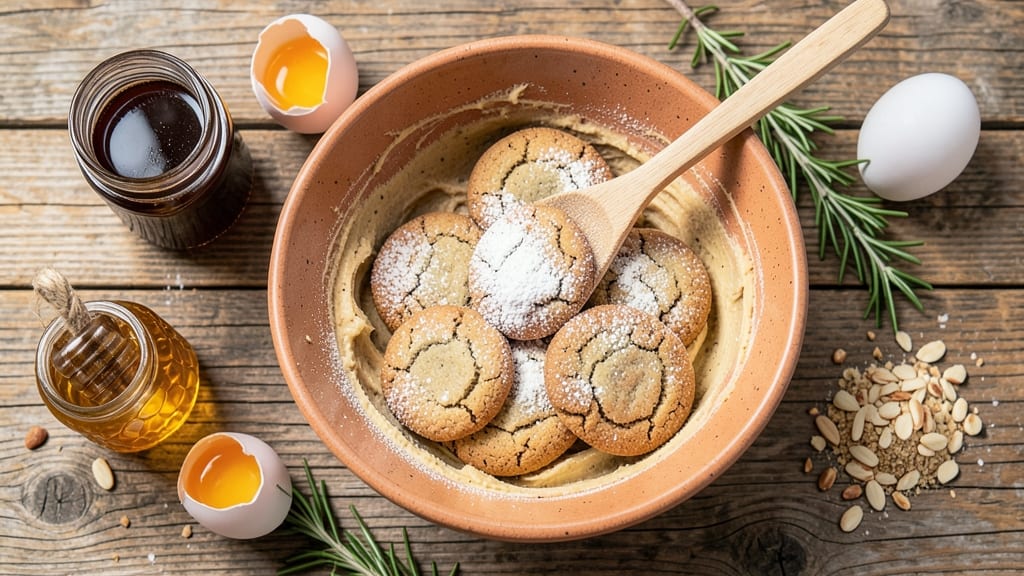
This authentic German gingerbread cookie recipe brings the warm, spiced flavors of Christmas markets straight to your kitchen. The secret lies in molasses, honey, and a precise blend of cinnamon, cloves, and cardamom that create a deep, aromatic crunch with almond-infused richness.
I've perfected this recipe over years of baking, ensuring every bite delivers that signature German Lebkuchen experience—just like my grandmother used to make.
The dough combines butter, molasses, and honey for a tender yet crisp texture, while ground almonds add that signature nutty depth. Baking at a precise temperature ensures a delicate balance between chewy centers and crisp edges, with just the right amount of caramelization.
The spices are toasted lightly to intensify their flavors without overpowering the molasses sweetness.
What sets these apart is the traditional Lebkuchen technique: a slow bake that develops complex flavors and a subtle crackle on top. The cookies stay fresh for weeks when stored properly, making them perfect for holiday gifting or stashing in your pantry.
Whether you're celebrating Christmas or simply craving a taste of German tradition, these cookies deliver warmth and nostalgia in every bite.
For an extra touch of authenticity, brush the baked cookies with a simple egg wash and sprinkle with coarse sugar before baking. The result? A cookie that's crisp on the outside, tender inside, and bursting with the spiced sweetness that defines German holiday baking.
Let's get started on creating these timeless treats.
Ingredients for authentic german gingerbread cookie
Sixteen ingredients for twenty-four cookies that taste like Christmas markets.
| Ingredient | Amount | Notes |
|---|---|---|
| Unsalted Butter 🧈 | 1 cup | Cold, cubed for even baking |
| Dark Molasses 🍯 | 1 cup | Unsulphured for best flavor |
| Honey 🍯 | ½ cup | Wildflower preferred |
| Granulated Sugar 🍚 | 1 cup | White or light brown |
| Ground Almonds 🌰 | 1 ½ cups | Finely ground, skin-on |
| Large Eggs 🥚 | 2 whole | Room temperature |
| All-Purpose Flour 🌾 | 3 ½ cups | Sifted, spooned lightly |
| Ground Cinnamon 🌿 | 2 tsp | Freshly toasted |
| Ground Cloves 🌶️ | 1 tsp | Freshly ground |
| Ground Cardamom 🌿 | 1 tsp | True cardamom pods |
| Ground Ginger 🌶️ | 1 ½ tsp | Freshly grated preferred |
| Salt 🧂 | ½ tsp | Fine sea salt |
| Coarse Sugar 🍚 | ¼ cup | For sprinkling |
| Egg Wash 🥚 | 1 whole | 1 egg beaten with 1 tsp water |
The almonds are non-negotiable here—skin-on, freshly ground makes all the difference. Trader Joe's has the best almonds in bulk, but any store with a nut grinder works. Toast them lightly before grinding to deepen the flavor. The molasses? Unsulphured is key—sulphured molasses tastes bitter. Goya or Anthony's Goods are my go-tos, but any dark molasses will do. And the spices? Toast them whole in a dry pan for 30 seconds before grinding—that's the secret to authentic Lebkuchen flavor.
No ground almonds? Slivered almonds, finely chopped work in a pinch, but texture won't be the same. Subbing honey? Maple syrup at half the amount is closest, but you'll lose some of that floral depth. The eggs can be replaced with 2 flax eggs (2 tbsp ground flax + 6 tbsp water) for vegan, but texture will be denser. For the sugar, turbinado works too—just pulse it finely in a food processor first. And if you're making these ahead, freeze the dough balls—they'll keep for months.
Dough keeps 3 days in the fridge wrapped tightly in plastic, or 6 months frozen. Baked cookies stay fresh 2 weeks in an airtight tin with parchment between layers. For gifting, wrap individually in parchment and tie with twine—they'll keep for weeks. Pro tip: Brush the baked cookies with extra egg wash and sprinkle with coarse sugar right after baking for that classic crackly top. Worth the extra minute, trust me.
Why You'll Love This Recipe
- No-Fuss Dough: I swear by this—just cream butter, molasses, and honey until it’s smooth, then fold in almonds. No rolling, no fuss, and the dough stays together like glue. (Yes, even if you’re the kind who overworks it.)
- Molasses Magic: That deep, smoky molasses flavor? It’s the star. The honey softens the edge, but the almonds add this nutty crunch that makes every bite taste like a cozy bakery. Honestly, I could eat these plain.
- Holiday or Snack: Wrap them in parchment for Christmas gifts—looks fancy, zero effort. Or stash them in jars for a quick breakfast with tea. My kids grab them straight from the cookie jar, no judgment.
- Budget Booster: Ground almonds stretch the dough, and molasses is cheaper than fancy extracts. A batch of these costs less than half what store-bought gingerbread does, and they last weeks if you can resist them. (Spoiler: You won’t.)
Step-by-step instructions for authentic German gingerbread cookies
Here's how to make these rich, spiced cookies with that perfect molasses-almond crunch.
Cream Butter, Molasses, and Honey Together
In a large mixing bowl, combine the 1 cup unsalted butter (cold, cubed), 1 cup dark molasses, and 0.5 cup honey. Beat with an electric mixer on medium speed for 3-4 minutes until light and fluffy. You're looking for a ribbon-like consistency that leaves clean streaks when the beaters are lifted.
This step is crucial—molasses can be thick, so let the mixer do the work. If the mixture feels too stiff after mixing, let it sit at room temperature for 5 minutes to soften slightly. The butter should be just soft enough to cream but not melted, or your cookies will spread too much.
Add Sugar, Eggs, and Spices
Gradually add the 1 cup granulated sugar while continuing to mix on medium speed. After the sugar is fully incorporated, beat in the 2 whole large eggs (room temperature) one at a time, mixing well after each addition. The batter should be smooth and thick.
In a separate bowl, whisk together the 3.5 cups all-purpose flour, 2 tsp ground cinnamon, 1 tsp ground cloves, 1 tsp ground cardamom, 1.5 tsp ground ginger, and 0.5 tsp salt. Sift the dry ingredients into the wet mixture, mixing on low speed just until combined. Overmixing develops gluten, which can make the cookies tough. Stop mixing as soon as the flour disappears.
Fold in Ground Almonds and Chill
Using a rubber spatula, gently fold in the 1.5 cups ground almonds until evenly distributed. The dough will be thick and sticky—this is normal. Divide the dough into 4 portions, flatten each into a disk, wrap in plastic wrap, and refrigerate for at least 2 hours (or up to 24 hours).
Chilling is non-negotiable—it firms up the dough so it holds its shape when baked. If you're short on time, freeze the dough disks for 30 minutes as a shortcut. Just don't skip this step, or your cookies will spread into thin, crispy crackers instead of the thick, chewy treats you want.
Preheat and Shape the Cookies
Preheat your oven to 350°F and line two baking sheets with parchment paper. Roll out each chilled dough disk on a lightly floured surface to about ¼-inch thickness. Cut into your favorite shapes using a cookie cutter or knife—traditional gingerbread shapes like stars, trees, or hearts work beautifully.
Place the cutouts 2 inches apart on the prepared baking sheets. Brush the tops with the 1 whole egg wash (1 egg beaten with 1 tsp water) and sprinkle generously with the 0.25 cup coarse sugar for that classic crunchy top. The sugar will caramelize slightly during baking, adding extra flavor and texture.
Bake to Golden Perfection
Bake the cookies for 12-15 minutes, rotating the sheets halfway through, until the edges are deep golden brown and the centers still look slightly soft. They'll firm up as they cool. Let them rest on the baking sheets for 5 minutes before transferring to a wire rack to cool completely.
For the most authentic flavor, let the cookies cool completely before storing in an airtight container. They'll keep well for up to 2 weeks at room temperature, though I promise they won't last that long—they're too good to resist! Serve warm with a cup of spiced tea for the full German experience.
Pro Tips For Making Authentic German Gingerbread Cookie
- Whisk the Molasses: Heat the dark molasses in a small saucepan for 2-3 minutes before mixing it into the dough. This thins it out and cuts the bitterness—trust me, your cookies will taste more balanced if you skip this step, but you’ll notice the difference if you don’t.
- Cream Butter Cold: Take the unsalted butter straight from the fridge and beat it with the sugar until it’s just starting to lighten in color, not fully fluffy. German gingerbread needs that firm structure to hold its shape when baking, and over-creaming leads to flat, spread-out cookies.
- Pulse the Almonds: Grind the almonds in a food processor until they’re fine but not powdery—think rough sand, not flour. Too fine, and they’ll turn to paste; too coarse, and you’ll taste the texture. Pulse in batches, stopping when they’re just breaking down but still holding shape.
- Chill the Dough Twice: Divide the dough into two portions, flatten them into discs, and refrigerate for at least 2 hours—then roll and cut. The first chill firms up the dough for easier handling, and the second prevents excessive spreading. I learned this the hard way when my first batch turned into pancakes.
Creative variations of these flavors
German Market Twists
In Nuremberg, these cookies are often shaped like animals or buildings and decorated with royal icing for festive markets. Try adding 1 tsp orange zest to the dough for a citrusy twist inspired by regional variations.
For a true market experience, bake half with white chocolate chips and half with candied cherries—a beloved combo in Bavarian stalls. 🗺️
Spiced Variations
Swap cardamom for nutmeg (½ tsp) to mimic Swedish-inspired Lebkuchen flavors. For a smoky depth, add ½ tsp smoked paprika alongside the cloves. My favorite variation? Replace ½ cup almonds with hazelnuts—toast them first for extra nuttiness. The dough stays rich but gains earthy complexity. 🌶️
Dietary Adaptations
For gluten-free, use a 1:1 gluten-free flour blend> (like Bob's Red Mill) and reduce flour by 10%> to account for moisture. Vegan? Replace eggs with 2 flax eggs> (2 tbsp ground flax + 6 tbsp water) and use coconut oil> instead of butter.
The texture will be denser but still delicious. 💚
Flavor Boosters
Add 1 tbsp rum or brandy> to the dough for a boozy depth—simmer it with the molasses first to infuse flavor. For extra crunch, sprinkle crushed peppermint candies> on top before baking.
I also love adding ½ tsp vanilla bean paste> to the wet ingredients for a floral note that balances the spices. 💛
Shape Inspirations
Beyond stars and trees, try gingerbread people> (use a knife to carve details) or mini gingerbread houses> (bake separately and assemble). For a rustic touch, roll dough into ropes, twist them, and bake as pretzel-style cookies>. The almonds give them a satisfying snap. 🏠
Seasonal Swaps
In summer, reduce molasses to ½ cup> and add 1 tbsp lemon juice> for a lighter "spring gingerbread." For winter, increase molasses to 1.25 cups> and add ½ cup crushed pine nuts> for a festive crunch. The dough stays workable, but flavors shift beautifully. ❄️
Nutrition facts
Frequently asked questions
Why does this recipe use both molasses and honey?
The combination creates the signature German Lebkuchen flavor profile. Molasses provides that deep, rich sweetness and robust spice carry, while honey adds floral notes and prevents the cookies from becoming too heavy. Together, they create the perfect balance of complexity and tenderness that defines authentic German gingerbread.
Can I make these cookies without ground almonds?
You can substitute with finely chopped slivered almonds or hazelnuts, but the texture will differ. Ground almonds create that signature tender yet crumbly texture that's essential to traditional German gingerbread. If you're avoiding nuts entirely, try adding 1 extra tablespoon of flour to help bind the dough, though the cookies will be slightly denser.
How do I prevent my cookies from spreading too much?
Chilling the dough for at least 2 hours is key—this firms up the butter and prevents excessive spreading. Also, make sure your oven is fully preheated to 350°F and use a ¼-inch thick dough when rolling. For extra insurance, place your baking sheets on the middle rack where heat circulates evenly. The cookies should hold their shape beautifully!
What's the best way to store these cookies?
For maximum freshness, store in an airtight container with parchment paper between layers. They'll stay fresh for 2 weeks at room temperature. For longer storage, freeze the baked cookies (unfrosted) for up to 3 months. Thaw at room temperature before serving. The spices actually develop more depth over time!
Can I make these cookies gluten-free?
Yes, but with adjustments. Use a 1:1 gluten-free flour blend (like Bob's Red Mill) and reduce the total flour by 10% to account for moisture differences. The texture will be slightly denser, but still delicious. For best results, let the dough rest 30 minutes after mixing to hydrate properly.