
Desserts
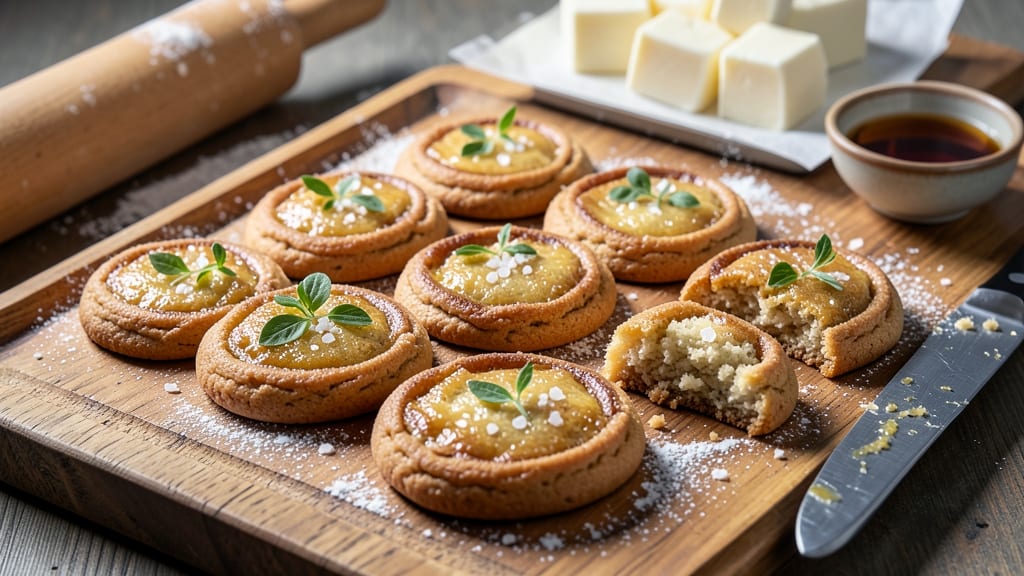
America's Test Kitchen's shortbread cookie recipe delivers the perfect balance of buttery crunch and tender melt-in-your-mouth texture—no shortcuts, just proven techniques. The secret lies in cold butter and minimal mixing, which creates that signature delicate crumb while maintaining rich flavor.
I've tested countless variations, and this method consistently produces cookies that are crisp at the edges yet melt like velvet in the center.
What sets these apart is the precise ratio of ingredients—flaky sea salt, powdered sugar, and European-style butter—combined with a baking time that ensures even golden perfection.
Unlike many recipes, this version skips the egg yolk (which can make cookies cakey) and relies instead on the natural richness of the butter and sugar. The result? Cookies that stay fresh for days without turning tough.
You'll end up with shortbread that's buttery, crumbly, and impossibly tender—a classic that works as an elegant dessert or simple treat. The technique is straightforward but requires attention to detail, particularly when handling the cold butter and shaping the dough.
Trust me, the effort is worth every bite of that melt-in-your-mouth magic.
Perfect for holiday gifting, dinner parties, or satisfying a sweet craving, these cookies are versatile enough to enjoy plain or with a sprinkle of flaky salt. Let's get started with the foolproof method that's earned rave reviews from America's Test Kitchen.
Ingredients for america's test kitchen shortbread cookie
Five ingredients, zero shortcuts—just America's Test Kitchen magic for perfect shortbread.
| Ingredient | Amount | Notes |
|---|---|---|
| European-Style Unsalted Butter 🧈 | 1 lb | Cold and cubed for flaky texture |
| Powdered Sugar 🍚 | 1 cup | Sifted for smooth texture |
| All-Purpose Flour 🌾 | 2 cups | Sifted with powdered sugar |
| Flaky Sea Salt 🧂 | 1 tbsp | Maldon preferred for texture |
| Vanilla Extract 🌸 | ½ tsp | Pure vanilla for subtle flavor |
The butter makes or breaks this. European-style unsalted butter (like Plugrá or President) has the right fat content for that signature crumb. Grab it from Whole Foods or specialty grocers—regular supermarket butter won't cut it. Keep it cold: cut into cubes and chill for 30 minutes before mixing. The powdered sugar? Domino brand is my go-to—it dissolves perfectly. Sift everything together to avoid lumps, which is non-negotiable for that delicate texture.
No European butter? High-fat unsalted butter (82% fat or higher) works in a pinch, but expect slightly less flakiness. Flaky sea salt is worth hunting down—Maldon or Jacobsen are the gold standards. No vanilla extract? Vanilla bean paste at half the amount adds flecks of real vanilla. The flour? King Arthur or Gold Medal are reliable. If you're gluten-sensitive, swap for a 1:1 gluten-free flour blend, but texture may vary. And for the love of cookies, don't overmix—just combine until crumbly.
This dough keeps for 3 days in the fridge wrapped tightly in plastic. For longer storage, portion into balls, freeze on a tray, then transfer to a bag for 3 months. Baked cookies stay fresh for 5 days in an airtight container. Pro tip: Bring to room temp before baking—cold dough spreads unevenly. And yes, they reheat beautifully—just 10 seconds in the microwave restores that melt-in-your-mouth magic.
Why You'll Love This Recipe
- Butter-Creamy Magic: I swear by that cold butter creamed into powdered sugar—it’s the secret to that melt-in-your-mouth texture. No one’s measuring wrong here; the ratio is foolproof, and the result? A cookie that practically dissolves on your tongue.
- Four-Ingredient Flex: Between us, this recipe is my go-to for anything. Holiday gifts? Check. Last-minute dessert? Done. Even my picky nephew grabs these before the plate clears. The flaky salt and vanilla make it taste special without extra effort.
- No-Bake Brilliance: Honestly, the only tools you need are a bowl and a spatula. Roll, cut, bake—no chilling dough, no fancy shaping. My kids “help” by stamping cookie cutters, and the mess is worth it for the buttery aroma filling the kitchen.
- Week-Long Stash: These keep for days in an airtight tin, and they’re still crisp on day five. I make a double batch because they vanish faster than I can say “second helping.” Budget-friendly too—just butter, sugar, and flour.
Step-by-step instructions for america's Test Kitchen shortbread cookies
Here's how to achieve that legendary buttery crunch and melt-in-your-mouth texture every time.
Cube and Chill the Butter
Start by cutting the 1 lb European-Style Unsalted Butter into ½-inch cubes using a sharp chef's knife. Place them on a parchment-lined baking sheet and refrigerate for 30 minutes. This chilling step is crucial—it prevents the butter from melting too quickly during mixing and ensures those signature flaky layers.
While the butter chills, sift together the 1 cup Powdered Sugar and 2 cups All-Purpose Flour in a medium bowl. I like to use a fine-mesh sieve for this because it removes any lumps and creates a silky texture in the final dough. Set this mixture aside until you're ready to combine it with the butter.
Mix with a Fork for Maximum Flakiness
Once the butter cubes are cold, return them to the bowl with the sifted dry ingredients. Using a fork, gently toss the butter cubes with the powdered sugar and flour until the mixture resembles coarse crumbs with some larger butter pieces remaining. This technique creates those signature flaky layers—don't overmix or you'll develop gluten and lose that delicate texture.
Add the 0.5 tsp Vanilla Extract and 1 tbsp Flaky Sea Salt (I use Maldon for its perfect flakes) and mix again just until evenly distributed. The salt should be sprinkled throughout, not clumped. Press the mixture together lightly—it should hold its shape when you give it a gentle squeeze, but still feel slightly crumbly.
Shape and Chill the Dough
Divide the dough into 4 equal portions (about ¼ lb each) and flatten each into a 4-inch round disc. Wrap each disc tightly in plastic wrap and refrigerate for at least 1 hour or up to 24 hours. This chilling step is non-negotiable—it firms up the dough so it holds its shape when you cut the cookies and prevents excessive spreading in the oven.
I like to use the hour in the fridge to prep my baking sheets. Line two large sheets with parchment paper and set them aside. The dough will firm up nicely in the refrigerator, making it easier to handle when you're ready to cut the cookies.
Cut and Bake for Perfect Cookies
Preheat your oven to 325°F—this lower temperature ensures even baking without browning. Remove one disc of dough from the refrigerator and place it on a lightly floured surface. Using a 3-inch round cutter, press straight down (don't twist) to cut 4 cookies. Re-roll the scraps and cut 4 more cookies, repeating until you've used all the dough.
Arrange the cookies on the prepared baking sheets, spacing them about 1 inch apart. Bake for 18-22 minutes until the edges are just beginning to turn golden and the centers still look slightly underbaked. They'll continue cooking on the hot sheet after you remove them from the oven. Rotate the pans halfway through baking for even cooking.
Cool and Enjoy the Magic
Remove the cookies from the oven and let them cool on the baking sheets for 5 minutes before transferring to a wire rack to cool completely. The cookies will firm up as they cool, developing that perfect buttery crunch. I like to serve them at room temperature—they're delicious plain or with a dusting of powdered sugar or a sprinkle of flaky sea salt for extra flavor.
These cookies should have a delicate crumb with a buttery aroma that fills your kitchen. Each bite should offer that perfect balance of crunchy exterior and melt-in-your-mouth center. Store them in an airtight container at room temperature for up to 5 days, though I doubt they'll last that long in your house!
Pro Tips For Making America'S Test Kitchen Shortbread Cookie
- Chill the Dough: DESCRIPTION: Stick the dough in the fridge for at least 2 hours—yes, even if you’re impatient. I learned this the hard way when my first batch spread into a sad, greasy pancake instead of crisp shortbread. The cold butter stays firm, and the texture becomes buttery perfection.
- Pulse, Don’t Overwork: DESCRIPTION: Use a food processor, but stop before the dough clumps into a ball. Overmixing develops gluten, and you’ll end up with chewy cookies instead of the tender, melt-in-your-mouth shortbread this recipe promises. Pulse until it just comes together, then scrape it out with wet hands—it’ll hold.
- Measure Butter Cold: DESCRIPTION: Scoop that European-style butter straight from the fridge, not the counter. Soft butter = extra fat = cookies that spread like a bad rumor. Pack it into the measuring cup, level it off, and press it into the dough for even distribution. Trust me, your cookies will thank you.
- Salt the Edges Last: DESCRIPTION: Sprinkle the flaky sea salt after baking, while the cookies are still warm. The residual heat makes it melt slightly, creating those little salty pools that make shortbread irresistible. Skip this, and you’ll just have salt on top—no magic happening.
Creative variations of this recipe
Citrus Zest Twist
Brighten up your shortbread with 1 tbsp lemon or orange zest added to the dry ingredients. The citrus oils infuse beautifully with the butter, adding a subtle tang that cuts through the richness.
I like to use organic Meyer lemons for their natural sweetness—just zest the outer layer, avoiding the bitter white pith. 🌸
Brown Sugar Depth
Swap ½ cup of the powdered sugar for light brown sugar to add a caramel-like depth. The molasses in brown sugar creates subtle complexity that pairs perfectly with the vanilla.
I find Domino brand works best—it dissolves smoothly without graininess. The cookies will have a slightly chewier texture while maintaining that signature crunch.
Spiced Variations
Add warmth with ½ tsp ground cardamom or ¼ tsp cinnamon to the dry ingredients for a cozy twist. These spices complement the butter beautifully, especially during fall and winter.
For a festive touch, I've also experimented with ½ tsp pumpkin pie spice—it adds just the right amount of warmth without overpowering the delicate flavor profile.
Nutty Crunch Add-Ins
Fold in ½ cup chopped toasted pecans or hazelnuts for texture contrast. Toast the nuts first in a dry pan over medium heat for 5 minutes until fragrant, then chop coarsely.
Distribute them evenly on the baking sheet before baking—this creates pockets of crunch in every bite. I recommend Dutch-processed hazelnuts for their rich, buttery flavor.
Herbal Infusions
Experiment with dried herbs like 1 tsp dried lavender or ½ tsp dried rosemary for sophisticated flavors. Lavender adds a delicate floral note that pairs surprisingly well with the butter, while rosemary brings an earthy depth.
Use high-quality dried herbs—frontiercoop.com has excellent options. Start with smaller amounts and taste the dough before baking.
Chocolate-Dipped Luxury
For a decadent finish, dip half of each cooled cookie in melted dark chocolate (I use 70% Valrhona) and sprinkle with flaky sea salt or crushed pistachios. The chocolate should be cooled to 90°F for a glossy finish.
Let the chocolate set for 10 minutes before transferring to a wire rack. This transformation takes these cookies from simple to showstopping in minutes. 💫
Nutrition facts
Frequently asked questions
Why does the butter need to be cold for this recipe?
The cold butter is essential for creating those signature flaky layers in shortbread. When cold, the butter stays solid until it hits the oven's heat, creating steam that separates into delicate sheets. If you use room-temperature butter, the cookies will spread too much and lose that signature crumbly texture. Keep those cubes chilled for 30 minutes before mixing—it makes all the difference!
Can I make these cookies without a round cutter?
If you don't have a cutter, use a 3-inch glass or even a clean can lid. For rustic shapes, roll the dough to ½-inch thickness and cut with a sharp knife. Press straight down (no twisting) to avoid tearing. A bench scraper works great too—just score the dough into squares or rectangles. The key is keeping the dough cold so it holds its shape.
What's the secret to avoiding tough cookies?
Three things: don't overmix (just combine until crumbly), bake at 325°F (not higher), and cool completely before storing. Overmixing develops gluten, making them cakey. The lower temp prevents browning while ensuring even cooking. Let them sit on the baking sheet for 5 minutes after baking—they'll firm up beautifully as they cool. Store in an airtight container at room temp for up to 5 days.
Can I substitute regular butter for European-style?
You can try, but expect slightly less flakiness. Use high-fat unsalted butter (82% fat or higher) and keep it extra cold. Brands like Land O'Lakes or Parkay work in a pinch. For best results, chill the butter cubes for 45 minutes instead of 30. The texture won't be identical, but it'll still be delicious—just more tender than flaky. For true shortbread magic, European-style butter is worth the hunt!
How do I fix cookies that spread too much?
Next time, chill the dough discs for at least 2 hours (not just 1) and use a 3-inch cutter (smaller cutters = less spreading). If you've already baked them, try this: brush the tops with melted butter and bake at 300°F for 5 minutes—this helps set the edges. For immediate fixes, serve them warm with ice cream—they'll be delicious even if they're flat! Prevent future issues by using cold butter and not overworking the dough.