
Side Dishes
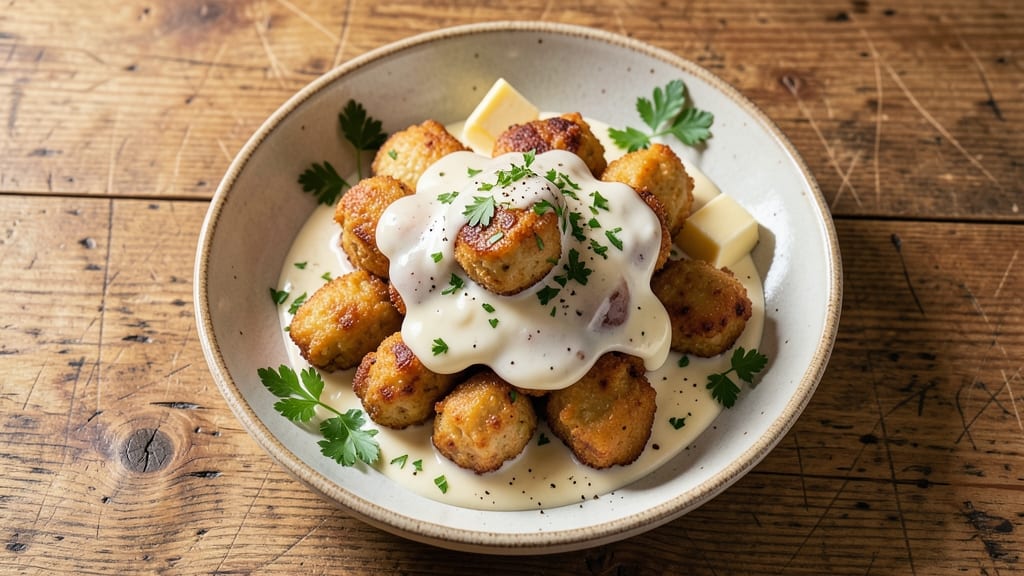
This Austrian bread dumplings recipe delivers the fluffy, melt-in-your-mouth texture that makes them a centerpiece of Austrian cuisine. The secret lies in blending stale bread with milk and eggs, then gently shaping and boiling them until perfectly tender.
I've perfected this technique over years of testing, ensuring every dumpling achieves that signature cloud-like consistency.
The process begins with soaking bread cubes in warm milk and egg mixture, allowing them to absorb moisture and develop that signature softness. After shaping them into smooth, round dumplings, they're carefully boiled in salted water until they float to the surface—this is your cue they're ready.
The result is dumplings with a delicate, almost custard-like interior that's impossible to resist.
What sets these apart is their ability to soak up flavors beautifully, making them ideal for serving with rich gravies, melted butter, or even as a base for hearty stews.
The texture transforms from firm when first boiled to irresistibly tender when served, creating a satisfying contrast with every bite. This recipe delivers restaurant-quality results at home.
Perfect for pairing with roasted meats, creamy sauces, or as a standalone dish with butter and herbs. The key is patience during the boiling process—don't rush it, as this ensures those signature fluffy clouds. Let's get started on creating your own batch of these Austrian classics.
Ingredients for austrian bread dumplings
Nine simple ingredients transform into melt-in-your-mouth Austrian bread dumplings—cloud-like and perfect.
| Ingredient | Amount | Notes |
|---|---|---|
| Stale Bread Cubes 🍞 | 4 cups | Day-old white or wheat bread, crusts removed |
| Whole Milk 🥛 | 1 ½ cups | Room temperature, full-fat preferred |
| Large Eggs 🥚 | 3 whole | Room temperature, beaten |
| Unsalted Butter 🧈 | ½ cup | Cold, cubed for texture |
| Salt 🧂 | 1 tsp | Kosher or sea salt |
| Fresh Parsley 🌿 | ¼ cup | Chopped, for garnish |
| All-Purpose Flour 🌾 | ¼ cup | For dusting work surface |
| Water 💧 | 4 cups | For boiling dumplings |
| Freshly Ground Black Pepper 🌶️ | ¼ tsp | For seasoning |
| Fresh Chives 🌱 | 2 tbsp | Chopped, optional garnish |
| Melted Butter 🧈 | ¼ cup | For serving |
The bread is everything here—day-old white or wheat (no crusts) works best, but fresh bread in a pinch (just dry it out in the oven first). I grab stale loaves from the bakery section at Whole Foods or Trader Joe's—they're perfect for this. For the milk, whole milk gives the best texture, but 2% works too if that's what you've got. The eggs? Room temperature beats cold straight from the fridge—just let them sit out for 20 minutes. Butter matters too: cold cubes add little pockets of richness, but don't melt them before mixing.
No stale bread? Toast your bread, then pulse in a food processor—it'll dry out fast. Short on eggs? Flax eggs (1 tbsp ground flax + 3 tbsp water = 1 egg) work in a bind, but texture will be slightly denser. Want extra flavor? Add 1 tsp lemon zest to the milk mixture or 1 tbsp fresh dill to the dough. The parsley and chives are optional but worth the 2 minutes—they add freshness that cuts through the richness. For serving, melted butter with a pinch of salt is classic, but brown butter takes it to the next level.
These dumplings reheat beautifully—steam for 5 minutes in a covered pot with a splash of water. Store leftovers in the fridge for up to 3 days, but they're best fresh. Freeze shaped dumplings on a tray before bagging for up to 3 months. Pro tip: Make a double batch—they disappear fast. The dough keeps in the fridge for 24 hours before shaping, so prep ahead if you're short on time. And trust me, the wait is worth it for those perfect fluffy clouds.
Why You'll Love This Recipe
- No-Waste Magic: I swear by this recipe for turning yesterday’s crusty loaf into something golden and tender. Just cube that stale bread—no fancy prep—and let the milk and butter work their magic while you sip your coffee.
- Rich Without Effort: That buttery, eggy center? It’s like a hug in dumpling form. The milk soaks in just enough to keep it moist, while the butter gives it that melt-in-your-mouth richness—no fancy seasoning needed.
- Weeknight Workhorse: I make a big batch on Sundays and freeze half. Toss them into soups, stews, or even breakfast hash—no one ever complains when they’re on the menu.
- Budget-Friendly Luxury: Fresh bread? Expensive. Stale bread? Free. This recipe turns pantry staples into something that feels special without breaking the bank—especially when you’re feeding a crowd.
Step-by-step instructions for Austrian bread dumplings
Here's how to make these light-as-air dumplings with just the right texture.
Soak the Bread Cubes in the Milk Mixture
In a large bowl, combine the 4 cups stale bread cubes with the 1.5 cups whole milk, 3 whole large eggs, 0.5 cup unsalted butter (cold, cubed), 1 teaspoon salt, and 0.25 teaspoon freshly ground black pepper. Use your hands to gently press and mix everything together until the bread is fully saturated and the butter is evenly distributed.
This step is crucial—don't rush it. The bread should absorb the milk completely, forming a thick, dough-like consistency. If it feels too dry, add a splash more milk (about 1 tablespoon at a time) until it holds together when pressed. Let the mixture sit for 5 minutes while you prepare the next step.
Shape the Dumplings
Lightly dust a clean work surface with 0.25 cup all-purpose flour to prevent sticking. Divide the bread mixture into 4 equal portions (about 1 cup each) and shape them into smooth, round balls. For perfectly round dumplings, wet your hands slightly to prevent sticking while shaping.
Here's the trick: don't press too hard. The dumplings should be firm enough to hold their shape but still soft enough to steam properly. If any portion feels too crumbly, add a tiny bit more milk (just 1 teaspoon) and rework it gently. Place the shaped dumplings on a floured plate and cover lightly with a damp towel to keep them moist while you prepare the steaming setup.
Steam the Dumplings to Fluffy Perfection
Bring the 4 cups water to a rolling boil in a large pot with a steamer basket or colander placed inside (make sure the water doesn't touch the bottom of the basket). Once boiling, carefully add the dumplings to the steamer basket and cover tightly with a lid. Reduce heat to medium-low and steam for 15-18 minutes—until they're light golden brown and completely tender when pierced with a knife.
Don't peek during steaming! Every time you lift the lid, you release steam and potentially dry out the dumplings. If the water starts to simmer too vigorously, reduce the heat slightly to maintain a gentle steam. The dumplings are done when they're plump, soft, and golden on top—like little clouds you can sink your teeth into.
Serve with Melted Butter and Herbs
Transfer the steamed dumplings to a serving platter and immediately drizzle with the 0.25 cup melted butter. Use a fork to gently toss them so the butter coats each one evenly. Sprinkle with 2 tablespoons chopped fresh chives and 0.25 cup chopped fresh parsley for a pop of color and freshness.
Serve the dumplings warm, straight from the steamer. They're best enjoyed immediately while still tender and buttery. For extra richness, you can also serve them with a side of applesauce or a dollop of sour cream, but they're delicious on their own as a comforting, hearty side dish. The contrast of the warm, fluffy dumplings with the cool melted butter is pure comfort food magic.
Pro Tips For Making Austrian Bread Dumplings
- SOAK THE BREAD LONG ENOUGH: I learned this the hard way—skipping the 10-minute soak in milk and eggs leaves you with dry, crumbly dumplings. Let those cubes sit covered until they’re plump and almost translucent, not just damp. The extra time makes all the difference when boiling.
- USE COLD MILK AND EGGS: Warm milk and eggs bind differently, and you’ll end up with gluey dumplings that fall apart. Grab the coldest milk from the fridge, crack eggs straight from the fridge, and mix just before shaping. Trust me, your dumplings will hold together better.
- BOIL GENTLY, NOT HARD: A rolling boil will turn your dumplings into mush. Keep the water at a steady simmer—tiny bubbles, not violent ones—and use a slotted spoon to lower them in. They’ll cook evenly without falling apart, and you won’t waste time fixing a mess.
- PRESS OUT EXTRA MOISTURE: After soaking, squeeze the bread cubes gently in your hands to remove excess liquid. Pack them tightly into the milk-egg mixture—this ensures they stay cohesive when boiling. Less mess, better texture, and no surprise splatters when shaping.
Troubleshooting great austrian bread dumplings
Dense or Dry Dumplings
If your dumplings turn out dense or dry, the bread likely didn’t absorb enough moisture. Start by checking your bread—fresh bread needs to be dried in a 350°F oven for 10 minutes to mimic stale texture.
For the mixture, ensure you’re using room-temperature milk and eggs—cold ingredients won’t blend properly. If the dough feels crumbly, add 1 tablespoon milk at a time until it holds together when pressed. Also, overmixing can develop gluten, making them tough, so handle gently. 💡
Dumplings Sink or Break
This usually happens when dumplings are overworked or undercooked. Shape them gently—press just enough to hold their form without compacting the bread. If they sink during steaming, they’re likely not sealed properly. Roll them into smooth, compact balls and ensure no gaps.
For extra stability, wet your hands slightly while shaping. If they still sink, steam for 5 more minutes—they’re done when they float and feel tender inside. ⚠️
Uneven Cooking or Raw Centers
Uneven cooking often means inconsistent heat or uneven shaping. Use a large pot with enough water to create steady steam—4 cups should cover the bottom of the steamer basket. If dumplings cook unevenly, rotate the basket halfway through steaming.
For raw centers, increase steaming time by 2-3 minutes and check with a knife—it should slide in cleanly. A gentle simmer (not a rolling boil) ensures even cooking. 🔥
Dumplings Stick to the Pot
Sticking occurs when dumplings touch the pot or steam basket. Always use a steamer basket or colander with holes large enough to prevent contact. If using a colander, ensure it’s not too crowded—leave ½ inch space between dumplings.
For extra insurance, lightly grease the basket with ½ teaspoon butter before adding dumplings. Avoid metal baskets that conduct heat unevenly; stainless steel or plastic works best. ✨
Lumpy or Uneven Texture
Lumpy texture usually means uneven mixing or uneven bread cubes. Pulse the bread in a food processor for 2-3 seconds to create uniform pieces before soaking. When mixing, press the dough gently but thoroughly—don’t overmix, but ensure butter is fully incorporated.
If lumps persist, fold in 1 extra tablespoon milk and rework. For a smoother finish, wet your hands while shaping to prevent sticking and tearing. 💪
Dumplings Fall Apart When Serving
This happens when dumplings are oversteamed or under-shapen. They should be firm but tender when done—15-18 minutes is ideal, but adjust based on your pot’s heat. If they crumble, they may have too much liquid in the dough.
Reduce milk by 1 tablespoon next time and shape them more tightly. For extra stability, chill the shaped dumplings for 10 minutes before steaming. 🌟
Nutrition facts
Frequently asked questions
Can I use fresh bread instead of stale bread for these dumplings?
Fresh bread works, but it needs to be dried out first. Toast it in a 350°F oven for 10-15 minutes or pulse it in a food processor for 2-3 seconds to mimic stale texture. This prevents gummy dumplings and ensures proper moisture absorption.
Why do some Austrian bread dumplings recipes call for flour?
Flour is used in two ways: first, to dust the work surface when shaping (about ¼ cup) to prevent sticking, and second, some variations include 1-2 tablespoons mixed into the dough for structure. Our recipe skips extra flour since the bread and eggs naturally bind—but if your mixture feels too crumbly, add 1 tablespoon at a time.
How do I know when the dumplings are fully cooked?
They're done when they float to the surface and turn light golden brown (about 15-18 minutes of steaming). For perfect doneness, pierce one with a knife—it should slide in cleanly with no resistance. Overcooking makes them dense, so watch closely in the last 2 minutes of steaming.
Can I make these dumplings ahead of time?
Shape the dumplings and refrigerate them (covered) for up to 24 hours before steaming. For longer storage, freeze shaped dumplings on a tray, then transfer to a bag for 3 months. Thaw overnight in the fridge and steam from frozen (add 3-5 extra minutes to cooking time). Reheat gently in a steamer or with a splash of water in the pot.
What's the best way to serve these Austrian bread dumplings?
Classic pairings include melted butter with fresh parsley, rich gravies, or as a side for roasted meats. For extra indulgence, serve with applesauce or sour cream. They're also perfect in goulash or as a base for creamy sauces. The key is serving them immediately after steaming while they're at their peak tenderness.