
Side Dishes
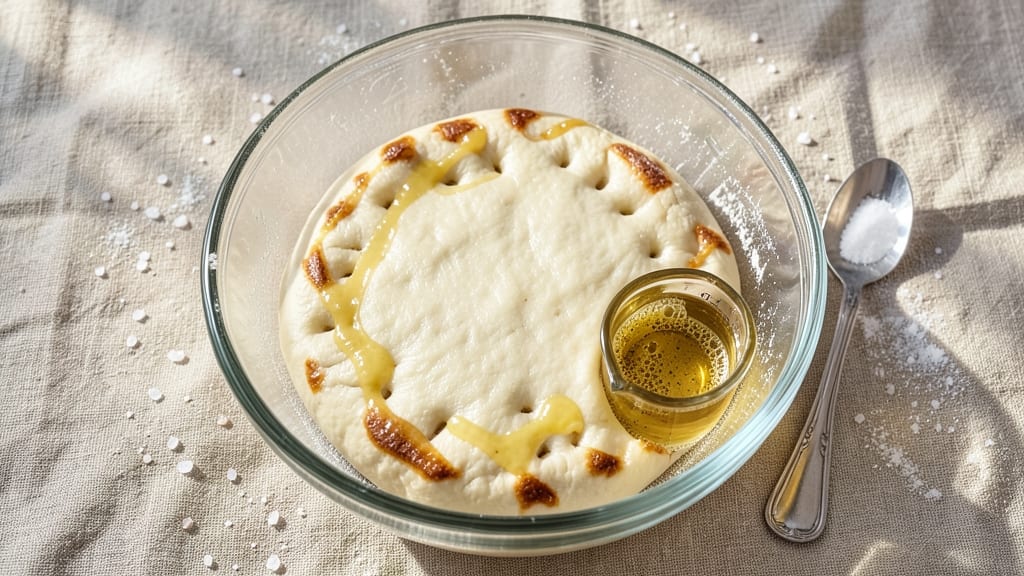
This Australian white bread recipe delivers the soft crust and pillowy crumb that make it a staple across the country—no bakery skills required. The secret lies in precise dough hydration, gentle kneading, and a baking technique that creates that signature tender texture.
I’ve baked countless loaves using this method, and it consistently produces bread that’s light enough to tear by hand yet sturdy enough to hold thick slices of butter.
The dough combines basic ingredients—flour, yeast, water, salt, and a touch of fat—to create a simple yet transformative base. Unlike many Western breads, Australian white bread relies on minimal sugar and malt for subtle sweetness, ensuring a clean, mild flavor.
The kneading process develops gluten gradually, while proofing at the right temperature allows the yeast to work its magic without overproofing.
Baking at 430–465°F (220–240°C) creates a soft, slightly shiny crust that’s perfect for toast or sandwiches, while the interior remains tender and airy. The bread stays fresh for days when wrapped properly, making it ideal for meal prep or sharing.
Whether you’re a beginner or an experienced baker, this recipe delivers restaurant-quality results with minimal effort.
For extra flavor, try adding a teaspoon of malt extract or honey to the dough, or brush the baked loaf with melted butter for a touch of richness.
Store it in an airtight container to maintain freshness, and enjoy it warm or toasted. This is bread that tastes like home—simple, satisfying, and always in demand.
Ingredients for australian white bread
Nine simple ingredients transform into restaurant-quality Australian white bread with soft crust and pillowy crumb.
| Ingredient | Amount | Notes |
|---|---|---|
| All-Purpose Flour 🌾 | 5 cups | High-protein for better gluten development |
| Active Dry Yeast 🍞 | ¼ oz | Or 2.5g, ensure freshness |
| Granulated Sugar 🍚 | ½ tbsp | For subtle sweetness and yeast activation |
| Salt 🧂 | 1 ½ tsp | Diamond Crystal preferred for accuracy |
| Unsalted Butter 🧈 | ¼ cup | Cold, cubed for fat content |
| Warm Water 💧 | 1 ¼ cups | 105-110°F (40-43°C) for yeast activation |
| Malt Powder 🌾 | ½ tsp | Optional, enhances flavor and browning |
| Vegetable Oil 🫒 | 1 tbsp | For dough softness and crust shine |
| Cornmeal 🌽 | ¼ cup | For dusting baking sheet |
| Egg Wash 🥚 | 1 whole | Optional, for golden crust |
The flour is the foundation—look for high-protein all-purpose (11-12% protein) for that signature tender yet sturdy texture. King Arthur or Gold Medal are reliable brands. The yeast needs to be fresh (test by dissolving in warm water—it should foam within 5-10 minutes). Malt powder isn't mandatory but adds that subtle caramel note Australian breads are known for. For the butter, Land O'Lakes unsalted works perfectly, but any brand will do as long as it's cold when added to the dough. Keep your water warm but not hot—yeast dies above 120°F (49°C).
No malt powder? A pinch of honey or extra sugar will work in a pinch. Running short on butter? Replace with 1 extra tbsp vegetable oil—just know the crust will be slightly less tender. Using bread flour instead of all-purpose? Reduce water by 1 tbsp to avoid a gummy texture. The egg wash is optional but gives that golden, bakery-style shine—if you skip it, brush the crust with melted butter after baking. For a softer crust, bake at the lower end of the temperature range (430°F/220°C), and for a firmer crust, go to 465°F (240°C).
Dough can be refrigerated for up to 24 hours—just let it come to room temperature before shaping. For longer storage, freeze shaped dough (unproofed) for up to 3 months. Wrap baked loaves in plastic wrap or a clean kitchen towel to maintain freshness for 4-5 days. To revive stale bread, sprinkle with water and toast—it’ll taste almost as good as fresh! For extra flavor, brush warm loaves with melted butter while still in the pan.
Why You'll Love This Recipe
- No Yeast Fuss: I swear by this method—just mix the warm butter into the flour, sugar, and yeast, then let the dough rise while I sip my coffee. No kneading marathon, no waiting hours; the butter softens the dough just enough to make it effortless.
- Buttery Soft Magic: That cube of cold butter baked right into the loaf? It melts into pure, fluffy goodness—no dry crumb here. Honestly, the first time I bit into it still warm, I nearly dropped the knife. Simple ingredients, but the flavor punches way above its weight.
- Weeknight Wonder: Toss a few slices in the toaster for breakfast, tear it over soup when I’m sick, or use it to make garlic bread in 10 minutes. It’s my go-to for lazy nights because it always delivers without a single complaint from the family.
- Budget-Friendly Staple: A single batch costs pennies and stretches for days—sandwiches, toast, or even breadcrumbs for meatballs. Between us, I’ve turned stale ends into croutons, and the pantry never feels empty when this loaf is on hand.
Step-by-step instructions for Australian white bread
Master the art of Australian-style bread with this foolproof method for a soft crust and signature pillowy crumb.
Activate the Yeast for Maximum Rise
In a small bowl, combine the 1.25 cups warm water (between 105-110°F—it should feel warm to touch but not hot) with the 0.5 tbsp granulated sugar and 0.25 oz active dry yeast. Let it sit for 5-10 minutes until foamy. You'll see tiny bubbles forming on the surface—this confirms the yeast is alive and ready to work.
If the mixture doesn't foam after 10 minutes, your yeast may be inactive. Start fresh with a new packet. The yeast activation is the foundation of your bread's rise, so don't rush this step. A properly activated yeast creates that signature soft, airy crumb we're after.
Mix the Dough with Proper Technique
In the bowl of a stand mixer fitted with the dough hook attachment, combine the 5 cups all-purpose flour, 1.5 tsp salt, and 0.5 tsp malt powder. Mix on low speed until combined. Add the yeast mixture and 1 tbsp vegetable oil, then mix on medium speed for 2 minutes until the dough begins to pull away from the sides of the bowl.
Add the 0.25 cup cold unsalted butter, cubed, and continue mixing for another 3-4 minutes until the dough is smooth and elastic. The butter should be fully incorporated but still visible in small flecks—this creates that signature tender crumb. If the dough feels sticky, add 1 tablespoon of flour at a time until it comes together cleanly.
Knead for Optimal Gluten Development
Continue kneading on medium-high speed for 5-7 minutes until the dough is smooth, elastic, and passes the "windowpane test." To test, stretch a small piece of dough between your fingers—if it forms a thin, translucent membrane without tearing, you've developed enough gluten for that perfect texture.
The kneading process develops gluten strands that trap gas during fermentation, giving your bread that signature soft yet structured crumb. If the dough feels too warm after kneading, chill it in the refrigerator for 15-20 minutes before proceeding. This helps prevent overproofing later.
First Rise for Proper Flavor Development
Lightly grease a large mixing bowl with vegetable oil and place the dough inside. Cover with a damp kitchen towel and let rise in a warm place (like the top of your oven with the light on) for 1-1.5 hours, or until the dough has doubled in size. The dough should feel light and springy when pressed gently with one finger.
During this first rise, the yeast ferments the sugars in the dough, producing carbon dioxide that creates air pockets and develops flavor. Don't rush this step—proper fermentation is what gives Australian white bread its distinctive taste and texture. If your kitchen is cool, extend the rise time by 30 minutes to ensure full development.
Shape and Second Rise for Perfect Structure
Punch down the dough to release air, then divide it into 4 equal pieces (about 1 pound each). Shape each piece into a smooth, round loaf by pulling the dough toward you while rotating it on the counter. This creates surface tension that helps maintain shape during baking.
Place each shaped loaf in a greased 9x5-inch loaf pan, seam-side up. Cover with a damp towel and let rise again for 45-60 minutes, or until the dough has risen about 1 inch above the pan. The dough should feel light and springy when pressed gently. This second rise ensures proper oven spring for that signature soft crust and open crumb.
Bake for Golden Perfection
Preheat your oven to 375°F. Brush the tops of the loaves with the egg wash and sprinkle each with 1 tablespoon of cornmeal for that classic Australian bread texture. Bake for 25-30 minutes, until the bread sounds hollow when tapped on the bottom and reaches an internal temperature of 190-200°F.
For the perfect finish, I like to bake the bread on the middle rack for even heat distribution. The crust should be golden brown with a slight sheen from the egg wash. If the tops brown too quickly, tent with aluminum foil for the last 5-10 minutes of baking. Let the bread cool in the pans for 10 minutes before transferring to a wire rack to cool completely.
Pro Tips For Making Australian White Bread
- Weigh Your Flour: I learned this the hard way—measuring flour by scooping from the jar packs way too much air and ruins the dough’s consistency. Use a kitchen scale for precision; Australian white bread relies on tight control over hydration, and even 10 extra grams of flour will make your loaves dense. (Yes, even if you’re impatient like me.)
- Dissolve Yeast Properly: Skip the dry yeast sprinkle-and-hope method—mix it with warm water (around 110°F/43°C) and a pinch of sugar first, then wait 5–10 minutes until it foams. Cold water kills it, and warm water that’s too hot (above 120°F/49°C) does the same. This isn’t the prettiest method, but it’s the tastiest.
- Knead Until Elastic: Stop when the dough springs back slowly after poking it—about 8–10 minutes by hand or 5–6 minutes in a stand mixer. Over-kneading develops gluten too much, making the bread tough; under-kneading leaves it gummy. Feel for resistance, not exhaustion.
- Butter Matters More Than You Think: Use cold, cubed butter—not melted—when mixing it into the dough. The cold fat creates pockets that give Australian white bread its signature softness. If you’re in a rush, chill the dough briefly after adding butter to keep it firm. Your future self will thank you.
Creative variations of this dish
Classic Malt Twist
For that authentic Australian flavor, add 1 tablespoon of malt extract or 1 teaspoon of honey to the dough along with the yeast mixture. Malt enhances browning and adds a subtle caramel sweetness that’s characteristic of traditional Aussie bread.
I find Bundaberg Rum Malt works beautifully—it’s what many Australian bakeries use for that signature taste. 🌾
Savory Herb Loaf
Infuse your bread with fresh herbs by mixing 1 tablespoon of finely chopped rosemary or thyme into the dough during the kneading stage. This variation pairs perfectly with roasted meats and adds a fragrant, earthy note.
For extra flavor, sprinkle 1 teaspoon of flaky sea salt (like Redmond Real Salt) over the egg wash before baking. The herbs complement the soft texture beautifully.
Whole Grain Boost
Swap 1 cup of all-purpose flour for whole wheat flour to create a healthier, nuttier version. The whole grains add fiber and a slightly denser texture while keeping the bread soft. For best results, use King Arthur Whole Wheat Flour—it blends well without making the dough too sticky.
Reduce the water by 1 tablespoon to account for the extra moisture in whole grains.
Sweet Raisin Version
Add ½ cup of raisins to the dough after the first rise for a lightly sweetened loaf that’s perfect with tea or coffee. Toss the raisins in 1 teaspoon of flour first to prevent sinking.
This variation is inspired by classic Australian damper bread, a traditional bush bread often enjoyed with jam or honey. For extra richness, fold in 2 tablespoons of chopped walnuts along with the raisins. 🍯
Garlic & Cheese Twist
Create a savory loaf by adding 2 minced garlic cloves and ½ cup of shredded cheddar cheese (like Tasty Jack’s) to the dough during the kneading stage. This variation is inspired by Australian cheese rolls and pairs wonderfully with soups or charcuterie boards.
For a stronger garlic flavor, infuse 1 tablespoon of olive oil with the minced garlic before adding it to the dough.
Seeded Crust Option
For a textured crust, sprinkle 1 tablespoon of mixed seeds (sunflower, sesame, or poppy) over the egg wash before baking. This adds crunch and visual appeal while keeping the interior soft.
I love using Penzeys Spices mixed seeds for a gourmet touch. The seeds also add a subtle nutty flavor that complements the bread’s mild taste. 🌻
Nutrition facts
Frequently asked questions about Australian white bread
Why does Australian white bread have such a soft crust?
The soft crust comes from a combination of gentle kneading, proper hydration (about 60-65% water content), and baking at 430-465°F (220-240°C). The recipe uses minimal sugar and relies on malt for subtle sweetness, keeping the texture tender rather than crisp. The butter adds fat that prevents the crust from drying out too quickly.
Can I make this bread without a stand mixer?
By hand, knead the dough for 8-10 minutes on a lightly floured surface until smooth and elastic. Work in 30-second intervals to prevent overheating. The dough should pass the windowpane test (stretch thin without tearing). Just be prepared for slightly more effort compared to a mixer's consistent kneading.
What's the difference between Australian white bread and regular sandwich bread?
Australian white bread has a softer crust, higher fat content (from butter), and less sugar than American sandwich bread. It's also typically baked in loaf pans rather than as long rolls. The texture is more tender and slightly denser, making it perfect for buttered toast or thick sandwiches without tearing.
How do I fix dough that's too sticky?
If your dough feels too sticky, add 1 tablespoon of flour at a time while kneading until it becomes smooth but still slightly tacky. Overworking it can develop too much gluten, making the bread tough. For extra insurance, chill the dough for 15-20 minutes before shaping—this helps the gluten relax and makes handling easier.
Can I bake this bread in a Dutch oven for a crisper crust?
While possible, this bread is designed for a soft crust. For a crisper texture, try baking at 465°F (240°C) for 5-10 minutes longer or brushing with melted butter after baking. The traditional method uses loaf pans to create that signature soft exterior. If you want artisanal texture, shape into free-form boules and bake on a baking sheet.