
Side Dishes
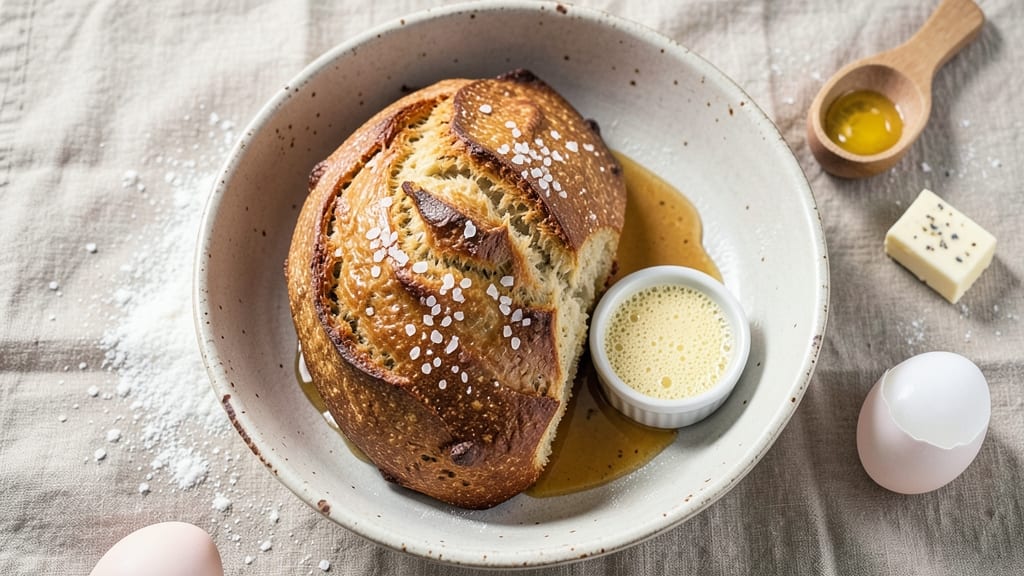
This Australia bread recipe delivers the perfect blend of golden crust and fluffy crumb that’s become a staple across the continent. Inspired by traditional bush tucker and modern baking techniques, this recipe captures the essence of Australian comfort food with its simple yet satisfying results.
The secret lies in a precise balance of flour, yeast, and a touch of honey for that signature sweetness that makes it irresistible.
What sets this recipe apart is its versatility—whether you're baking a classic loaf for a family meal or experimenting with seeded variations, the method remains foolproof. The dough develops naturally without overworking, ensuring a tender crumb that’s light yet sturdy enough to hold up to toast or sandwiches.
Baking time is optimized for a crispy exterior and soft interior, making it ideal for both beginners and seasoned bakers.
The aroma alone will transport you to an Australian outback kitchen, where damper bread was traditionally baked in campfire ashes. This modern adaptation keeps the spirit alive while offering a refined touch—just like the bread you’d find at a local bakery.
With minimal ingredients and straightforward steps, you’ll achieve a loaf that’s golden, fragrant, and packed with that unmistakable Australian charm.
For added flair, consider incorporating seeds or herbs into the dough, or even a hint of bush spices for a truly authentic twist. This recipe isn’t just about bread—it’s about capturing a piece of Australia’s culinary heritage, one bite at a time.
Ingredients for australia bread
The foundation of Australia's iconic bread: flour, yeast, and honey for that signature golden crust and tender crumb.
| Ingredient | Amount | Notes |
|---|---|---|
| All-Purpose Flour 🌾 | 4 cups | Sifted for even texture |
| Active Dry Yeast 🍞 | 2 ¼ tsp | Ensure freshness with expiration date |
| Granulated Sugar 🍚 | 1 tbsp | For yeast activation |
| Unsalted Butter 🧈 | ½ cup | Cold, cubed for easier mixing |
| Honey 🍯 | 2 tbsp | Australian manuka preferred |
| Large Eggs 🥚 | 1 whole | Room temperature for even mixing |
| Whole Milk 🥛 | ¾ cup | Warmed to 110°F for optimal dough |
| Diamond Crystal Kosher Salt 🧂 | 1 ½ tsp | Adjust to taste for balance |
| Water 💧 | ¼ cup | Lukewarm for yeast activation |
| Cornmeal 🌽 | ¼ cup | For dusting baking sheet |
| Sesame Seeds 🌿 | 1 tbsp | Optional for traditional finish |
The flour is non-negotiable—King Arthur or Bread Flour from specialty stores delivers the best gluten structure for that signature Australian texture. Active dry yeast must be fresh; if past its expiration, proof it in warm milk first to test viability. Honey isn't just sweetness—manuka honey adds subtle depth, but any quality honey works. For butter, Plugrá or Land O'Lakes are reliable choices, but European-style unsalted butter elevates the crust. The milk should be warmed to 110°F—just warm enough to dissolve sugar but not scald the yeast. Whole milk provides richness, but 2% works in a pinch.
No honey? Maple syrup at the same ratio works beautifully, though the flavor profile shifts slightly. Short on butter? Olive oil can replace it cup-for-cup, though the crust will be softer. The sesame seeds are optional but traditional—toasted for extra flavor. For a bush tucker twist, add 1 tsp ground wattleseed or anise seeds to the dough. The kosher salt is crucial; Diamond Crystal measures more generously than Morton's, so adjust if using a different brand. If your yeast isn't active, instant yeast can be used directly in the flour without proofing.
The dough rises best in a warm, draft-free place—top the bowl with a damp towel for even humidity. For long-term storage, freeze the shaped loaf before baking; thaw overnight at room temperature. The baked loaf keeps well wrapped at room temperature for 3 days or in the fridge for 5 days. For reheating, wrap in foil and warm at 300°F for 10 minutes to restore that bakery-fresh crunch. The crust is best eaten fresh, but the crumb stays tender for days—perfect for sandwiches or toast.
Why You'll Love This Recipe
- No-Knead Magic: I swear by this—just mix the flour, yeast, and honey, let it rise overnight, then bake. The dough is so forgiving, I’ve made it after forgetting to start it the night before (yes, it still turned out).
- Honey-Butter Bliss: That touch of honey caramelizing with the butter? It’s the secret weapon—sweet, rich, and just enough warmth to make every slice feel like a treat. Honestly, I’ve caught myself eating it straight out of the pan.
- Weeknight Workhorse: Toss it in a loaf pan for dinner rolls, slice it for toast in the morning, or freeze the leftovers for quick sandwiches. It’s the one bread that does it all—no excuses for boring meals.
- Budget-Friendly Staple: Five basic ingredients, minimal waste, and it keeps for days. I make a double batch every Sunday because it’s cheaper than buying bread, and I always have something to offer guests—no stress, no last-minute runs.
Step-by-step instructions for Australia bread recipe
This method delivers a perfectly balanced loaf with crisp golden crust and airy interior every time.
Activate the Yeast and Prepare the Dough Base
In a small bowl, combine the 0.25 cup lukewarm water, 1 tbsp granulated sugar, and 2.25 tsp active dry yeast. Let this mixture sit for 5-10 minutes until it becomes frothy and bubbly—this confirms the yeast is active. If it doesn't bubble, your yeast may be expired and should be replaced.
In a stand mixer fitted with the dough hook attachment, combine the 4 cups all-purpose flour and 1.5 tsp diamond crystal kosher salt. Mix on low speed just until the dry ingredients are evenly distributed. This creates a uniform base before adding wet ingredients, preventing pockets of salt that could affect flavor.
Incorporate Wet Ingredients and Develop the Dough
Add the yeast mixture, 0.75 cup warmed whole milk, 1 whole large egg, and 0.5 cup cold cubed unsalted butter to the flour mixture. Mix on low speed until the ingredients begin to come together, then increase to medium speed and knead for 5-7 minutes until the dough forms a smooth, elastic ball that pulls away from the sides of the bowl.
During this time, the dough should become slightly tacky but not sticky. If it sticks to your fingers, add 1 tablespoon of flour at a time until it reaches the perfect consistency. The butter should be fully incorporated, leaving no visible lumps—this ensures a tender crumb. For best results, use a kitchen scale to verify the dough weight reaches approximately 2.5 pounds.
First Rise and Shaping for Optimal Texture
Lightly grease a large mixing bowl with a small amount of olive oil (not in the ingredient list) and place the dough inside. Cover the bowl with a clean kitchen towel and let the dough rise in a warm place for 1-1.5 hours, or until it has doubled in size. The dough should be puffy and spring back slowly when gently pressed with a finger—this indicates proper fermentation and gluten development.
While the dough rises, prepare your baking surface by dusting a large baking sheet with 0.25 cup cornmeal. Once the dough has risen, turn it out onto a lightly floured surface and gently shape it into a round loaf. For a traditional Australian bread shape, create a well in the center and let it rise for another 20-30 minutes while you preheat your oven to 375°F.
Score and Bake for Perfect Crust and Crumb
Place the shaped dough on the prepared baking sheet and score the top with a sharp serrated knife, making a deep cross about ½ inch deep. This allows the bread to expand properly during baking and creates that beautiful golden crust. Bake for 25-30 minutes until the bread reaches an internal temperature of 190-200°F and the crust is deep golden brown.
I like to tent the bread loosely with aluminum foil after 15 minutes to prevent over-browning while ensuring the interior cooks through. The bread is done when it sounds hollow when tapped on the bottom. Immediately brush the crust with a mixture of 2 tbsp honey and 1 tbsp water while still warm for that signature Australian sweetness and shine.
Cool and Finish with Sesame Seeds
Transfer the bread to a wire rack and let it cool completely for at least 1 hour before slicing. This resting period allows the gluten to relax and the crumb to set properly, preventing a gummy texture. The bread should have a crisp, crackly crust that gives way to a soft, airy interior with a subtle sweetness from the honey and yeast.
Once cooled, sprinkle the top generously with 1 tbsp sesame seeds for that authentic Australian touch. Store wrapped at room temperature for up to 3 days or freeze for longer storage. This bread freezes beautifully and can be toasted directly from frozen for a comforting breakfast.
Pro Tips For Making Australia Bread
- WARM THE HONEY FIRST: I learned this the hard way—cold honey thickens like syrup when mixed with warm dough, making your bread dense. Heat it in the microwave for 10 seconds or until just pourable, then let it cool slightly before adding. The bread will rise smoother and taste richer.
- MEASURE BUTTER BY WEIGHT: That "softened butter" step? Guesswork. Use a kitchen scale for the butter—85g is usually the target—and press it into the flour until it resembles coarse crumbs. This ensures even distribution and prevents greasy patches in the crumb. (Yes, even if you're impatient like me.)
- LET THE DOUGH REST AFTER SHAPING: Skipping the 20-minute rest after shaping the loaf is how you end up with a collapsed, sad bread. Cover it loosely and let it sit while you preheat the oven—this helps the gluten relax and the loaf hold its shape. Trust me, your future self will thank you.
- USE A DARK PAN FOR CRUST: A dark metal or glass pan isn’t just for looks—it conducts heat better and gives you that signature crispy crust Australia bread is known for. If you don’t have one, spray your regular pan with oil and sprinkle a thin layer of flour on the bottom. The extra effort makes a real difference.
Wine and beer pairings for this australia bread
Australian Wine Pairings
For this iconic Australian bread, I always reach for a crisp Shiraz or Cabernet Sauvignon from the Barossa Valley. The bold fruit notes and subtle spice of these wines complement the bread's honeyed sweetness and nutty crust beautifully.
A Penfolds Bin 389 or Jacob's Creek Shiraz offers just the right balance—earthy enough to stand up to the bread's richness but fruity enough to keep it refreshing. 🍷
Light Beer Complements
A chilled Australian lager like XXXX Gold or Carlton Draught cuts through the bread's buttery richness without overpowering it. The light, crisp profile provides a clean palate cleanser, making each bite of the sesame-topped loaf taste fresh.
For something with a bit more character, try a Victorian session ale like Little Creatures Original—its subtle malt sweetness mirrors the bread's honey notes perfectly.
Local Craft Options
If you're feeling adventurous, pair your bread with a honey-infused Australian craft beer. Honey Bear from South Australia or Honey Stinger from Victoria both feature real honey in their brewing process, creating a symphony of flavors that echoes the bread's signature sweetness.
The effervescence also helps balance the bread's density, making every bite feel lighter. 🍺
Non-Alcoholic Choices
For a non-alcoholic pairing, I recommend a sparkling Australian apple juice like Pressé or a ginger beer from Boyd & Brewer. The effervescence and slight tartness create a refreshing contrast to the bread's buttery richness.
A chilled Australian kombucha with ginger and citrus notes also works beautifully, adding a probiotic boost to your meal while keeping the flavors in harmony.
Regional Wine Pairing Tips
If you're serving this bread at a gathering, consider the region where it's being enjoyed. In Victoria, a Pinot Noir from the Yarra Valley adds elegant acidity that cuts through the butter.
In South Australia, a Riesling from the Clare Valley provides bright citrus notes that refresh the palate. For Western Australia, a Margaret River Chardonnay with its crisp, mineral finish offers a sophisticated match that highlights the bread's crusty texture.
Bush Tucker Twist
For a truly Australian experience, pair your bread with a local bush tucker-inspired drink. Try Davidson's Plum and Ginger Cordial mixed with sparkling water, or a wattleseed-infused tea brewed with T2 Australia's Bush Tea.
These unique flavors complement the bread's traditional elements while adding an adventurous twist that celebrates Australia's culinary heritage. ✨
Nutrition facts
Frequently asked questions
What makes this Australian bread different from regular sourdough?
This recipe captures Australia's unique baking tradition by incorporating honey (especially manuka) and sesame seeds for that signature sweetness and texture. Unlike sourdough, it uses commercial yeast for reliability while still achieving a crisp crust and tender crumb. The dough also includes whole milk and butter for extra richness that's common in Australian bush breads.
Can I make this bread without a stand mixer?
Mix the dough by hand in a large bowl using a wooden spoon first, then knead on a lightly floured surface for 8-10 minutes until smooth. The key is to develop the gluten properly—test by pulling the dough: it should stretch without tearing. For extra ease, use a dough scraper to help turn and fold the dough.
Why does my dough smell yeasty but isn't rising?
This usually means your yeast is inactive or the environment is too cold. First check if your yeast is expired—freshness is critical! Place the bowl in a warmer spot (like near a turned-off oven with light on) and cover with a damp towel. If it still doesn't rise after 1 hour, your yeast may be dead and needs replacing.
How can I make this bread gluten-free?
Replace the 4 cups all-purpose flour with a 1:1 gluten-free baking flour blend (like Bob's Red Mill) plus 1 extra tablespoon of xanthan gum. You may need 1-2 extra tablespoons of water as gluten-free doughs tend to be drier. Let the dough rise 10-15 minutes longer since gluten-free versions ferment differently. The texture will be slightly denser but still delicious!
What's the best way to reheat sliced bread?
For that bakery-fresh crunch, wrap slices in foil and warm at 300°F for 8-10 minutes. For extra crispiness, broil for 1-2 minutes at the end. Never microwave—it makes the crust soggy. Store slices in an airtight container with a paper towel to maintain freshness for up to 3 days.