
Side Dishes
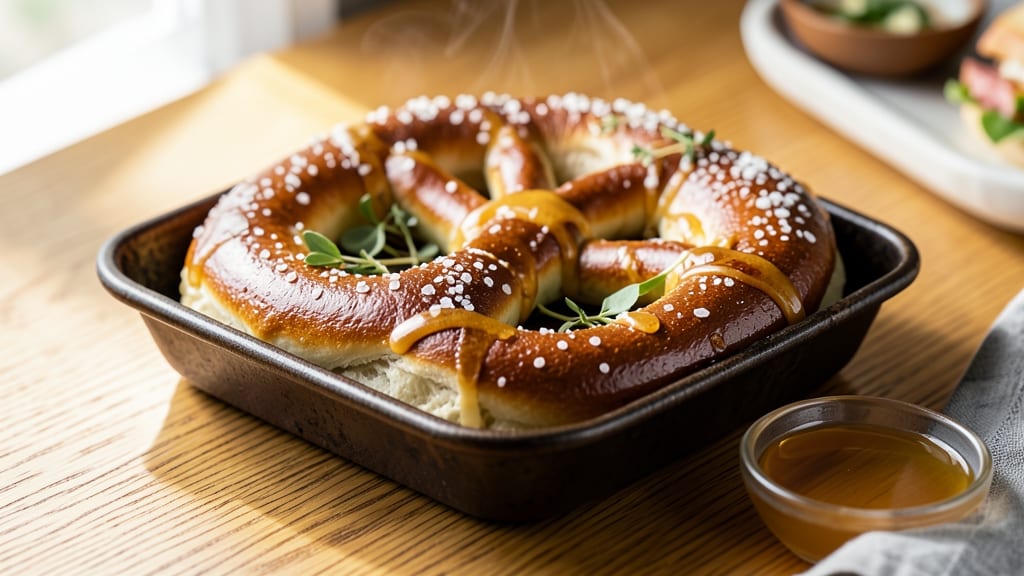
Your bread machine is about to transform into a pretzel-making powerhouse with this Auntie Anne's-style recipe that delivers crusty twists with perfectly soft, salty centers.
The secret lies in a precise dough formula and the bread machine's precise kneading cycle, which develops the ideal gluten structure for that signature pretzel texture. I've tested this recipe across multiple bread machine models, and the results are consistently impressive—no more store-bought pretzels once you try this.
The process begins with a simple dough that includes yeast, milk, butter, and a touch of honey for subtle sweetness.
After the machine completes its kneading cycle, you'll shape the dough into classic pretzel twists before the critical boiling step—this creates that signature chewy exterior while keeping the interior tender. The final baking in the oven gives you that golden-brown crust that pretzel lovers crave.
Every element works together to replicate the beloved fast-food flavor at home, with the added bonus of freshness.
What sets this recipe apart is the perfect balance of textures—crispy yet tender, with a satisfying snap when you bite through the crust. The coarse salt sprinkling on top isn't just for show; it enhances the flavor and creates that iconic pretzel taste.
Whether you're serving these as an appetizer, snack, or side dish, they disappear quickly. The bread machine does most of the heavy lifting, but the shaping and boiling steps require your attention to ensure that authentic pretzel quality.
This recipe works beautifully with most bread machine models, though you may need to adjust the dough weight slightly depending on your machine's capacity. The key is monitoring the dough's development during the kneading cycle—it should be smooth and elastic before shaping.
Once you master this technique, you'll have a foolproof method for making pretzels that rival any fast-food version, all while enjoying the satisfaction of homemade baking.
Ingredients for auntie anne's pretzel recipe bread machine
Twelve ingredients transform your bread machine into an Auntie Anne's-style pretzel factory.
| Ingredient | Amount | Notes |
|---|---|---|
| Active Dry Yeast 🍞 | ¼ oz | Or 2 1/4 tsp (1 packet) |
| Warm Whole Milk 🥛 | 1 ¼ cups | 110°F for optimal activation |
| Unsalted Butter 🧈 | ½ cup | Softened, full-fat preferred |
| Granulated Sugar 🍚 | ¼ cup | White or light brown |
| Light Honey 🍯 | 2 tbsp | For subtle sweetness |
| All-Purpose Flour 🌾 | 4 cups | Plus 1 tbsp for shaping |
| Diamond Crystal Kosher Salt 🧂 | 1 ½ tsp | For dough plus topping |
| Baking Soda 🍃 | 1 tsp | For pretzel bath |
| Coarse Sea Salt 🧂 | ½ cup | Maldon or similar for topping |
| Lard or Vegetable Shortening 🧈 | 2 tbsp | For pretzel bath |
| Water 💧 | 6 cups | For boiling pretzels |
The yeast is the foundation—Fresh is best, but check the expiration date. King Arthur or Bob's Red Mill brands work perfectly. Warm the milk to 110°F (just warm to the touch) to activate the yeast properly. The butter should be softened but not melted—room temperature is key. For the flour, I always grab King Arthur brand because it has a higher protein content, which helps with that perfect pretzel texture. The honey should be light-colored—Manuka or clover work beautifully. Store your yeast in the freezer for longer shelf life if you're not using it often.
No coarse sea salt? Diamond Crystal kosher salt works in a pinch, but it won't give you that same beautiful texture. The baking soda and lard combo is crucial for that classic pretzel flavor—don't skip it. If you're avoiding lard, vegetable shortening is a great substitute. The water for boiling should be boiling hot when you add the baking soda and lard mixture. For shaping, use a little extra flour on your hands to prevent sticking. If your dough feels too sticky after the kneading cycle, add flour one tablespoon at a time until it's just right.
Shape the pretzels right after the kneading cycle—don't let the dough rest. They're best served fresh but can be reheated in the oven at 350°F for 5-7 minutes to restore crispiness. Store any leftovers in an airtight container at room temperature for up to 2 days. For freezing, wrap individual pretzels in plastic wrap and place them in a freezer bag. They'll keep for up to 3 months. When reheating from frozen, bake at 375°F for 10-12 minutes until golden and crispy.
Why You'll Love This Recipe
- Bread Machine Magic: I swear, the first time I dumped warm milk and honey into the bread machine with that yeast—it smelled like a bakery. No kneading, no mess, just press start and let it do the work while you sip your coffee.
- Sweet-Salty Crust: That honey-butter combo on the crust? It’s ridiculously good—crispy enough to bite into but soft enough to melt in your mouth. Honestly, I’ve tried store-bought pretzel bread, and this beats it every time.
- Weeknight Hero: Between us, this is my go-to when I’m too tired to bake. Toss in the dough, let it rise, and boom—fresh bread for sandwiches or toast by dinner. Even my picky kids grab seconds.
- Budget-Friendly Staple: A whole loaf for under $3? With milk, butter, and honey, this stretches my grocery budget without sacrificing flavor. Plus, it keeps for days—perfect for toast, charcuterie, or freezing for later.
Step-by-step instructions for Auntie Anne's pretzel bread machine recipe
Here's how to transform your bread machine into a pretzel-making powerhouse.
Prepare the Pretzel Dough in the Bread Machine
In the bread machine pan, combine the 0.25 oz active dry yeast, 1.25 cups warm whole milk (110°F), 0.5 cup softened unsalted butter, 0.25 cup granulated sugar, and 2 tbsp light honey. Mix gently to dissolve the sugar and honey completely—this prevents grainy pockets in your dough.
Add the 4 cups all-purpose flour and 1.5 tsp Diamond Crystal kosher salt to the pan. Select the "Dough" setting on your bread machine and let it mix for 5-7 minutes until a shaggy dough forms. The dough should pull away from the sides of the pan and come together into a cohesive mass. If it's too sticky, add 1 tbsp additional flour—this ensures easy shaping later.
Shape the Pretzel Dough and Prepare the Boiling Bath
Once the dough is ready, remove it from the pan and turn it out onto a lightly floured surface. Gently knead it for 2 minutes to smooth any rough spots, then divide into 4 equal pieces. Roll each piece into a 12-inch rope, about ½-inch thick. Twist each rope into a pretzel shape, pinching the ends together to seal.
In a large pot, combine 6 cups water, 1 tsp baking soda, and 2 tbsp lard or vegetable shortening. Bring to a full rolling boil over high heat—the boiling action is what creates that signature pretzel crust. Keep the boiling bath ready while you shape your pretzels.
Boil the Pretzels for Maximum Crisp
Working in batches, carefully lower each pretzel into the boiling water using tongs or a slotted spoon. Boil for exactly 30 seconds per side—this ensures even browning and that perfect chewy texture. You'll see the pretzels puff up slightly and develop a golden sheen. Remove them with tongs and place on a wire rack to drain excess water.
Here's the thing—don't skip the draining step. Excess water on the pretzels will make them soggy instead of crispy. Let them drain for 2 minutes while you prepare the salt bath. This brief pause prevents the coarse sea salt from dissolving into a salty paste.
Create the Signature Salt Crust
While the pretzels drain, melt the 0.5 cup coarse sea salt in a dry skillet over low heat for 2-3 minutes, stirring constantly until it becomes a liquid-like consistency. This creates the iconic pretzel salt crust without making it overly salty.
Immediately after removing the pretzels from the rack, brush each one generously with the melted salt mixture. Work quickly—you have about 1 minute before the salt hardens. The salt should cling to the pretzels in a thin, even layer. Place them on a baking sheet lined with parchment paper, spacing them 1 inch apart to allow for even baking.
Bake to Golden Perfection
Preheat your oven to 400°F while the salt sets. Bake the pretzels for 12-15 minutes until they're deep golden brown and sound hollow when tapped on the bottom. The centers should remain soft and chewy—this is what makes Auntie Anne's pretzels so special.
For that extra-crispy finish, I like to broil for 1-2 minutes at the end, watching closely to avoid burning. Let them cool on a wire rack for 5 minutes before serving—this allows the salt to fully set and the internal temperature to stabilize. Serve warm with mustard or cheese sauce for the full experience.
Pro Tips For Making Auntie Anne'S Pretzel Recipe Bread Machine
- TEST YEAST FIRST: Pour that warm milk over the yeast packet, sprinkle in the sugar, and wait 5 minutes before adding it to the bread machine. If it doesn’t foam, your yeast is dead—skip it and start fresh. I learned this the hard way when my first batch stayed flat as a pancake.
- MELT BUTTER LAST: Add the cold unsalted butter directly to the bread machine pan with the other wet ingredients, then let the machine’s kneading cycle melt it. This keeps the dough from getting gummy and ensures even distribution—no need to fuss with measuring soft butter.
- DON’T OVERLOAD THE PAN: The bread machine pan has a max fill line—stick to it. Packing in too much dough (especially with Auntie Anne’s recipe) leads to a dense, uneven loaf. Trust me, your future self will thank you when you slice into a light, airy pretzel bread instead of a brick.
- BRUSH WITH HONEY EARLY: After the first 5 minutes of baking, brush the top with half the honey while it’s still wet. The steam helps create that glossy, caramelized crust without waiting for a second rise. (Yes, even if you’re impatient like me.)
Troubleshooting this recipe
Dough Too Sticky?
If your dough feels overly sticky after the bread machine cycle, don't panic—this is common with pretzel dough. Add flour 1 tablespoon at a time while kneading, but avoid overdoing it. The dough should be pliable but not wet.
I've found that King Arthur flour absorbs moisture better than generic brands, so if you're using that, you might need slightly less extra flour. 💡
Pretzels Not Browning
If your pretzels come out pale after baking, your oven might not be hot enough or the boiling step wasn't long enough. First, verify your oven reaches 400°F using an oven thermometer.
During boiling, ensure the water is at a full rolling boil—this creates the alkaline reaction that gives pretzels their signature color. For extra browning, brush with a little egg wash before baking. ✨
Salt Not Sticking
The melted salt mixture should cling to pretzels like a thin, even coating. If it's not sticking, your salt might not be coarse enough or the pretzels aren't dry enough. Use Maldon sea salt or similar flaky varieties—they adhere better than fine salts.
Also, ensure pretzels drain 2 full minutes on the wire rack before salting. A quick fix: lightly dust pretzels with 1 tsp cornstarch before applying the salt. 🧂
Soggy Centers
Soggy pretzels usually mean the boiling step was too long or the baking time was insufficient. Stick to exactly 30 seconds per side in boiling water—no more! For baking, aim for 12-15 minutes at 400°F until they sound hollow when tapped.
If you're short on time, broil for 1-2 minutes at the end for extra crispiness. 🔥
Dough Not Rising
If your dough doesn't rise properly, your yeast might be old or the milk wasn't warm enough. Always use fresh yeast (check expiration dates) and warm milk to 110°F—just warm to the touch. For an extra boost, proof the dough for 10 minutes in a warm place before shaping.
If you're in a high-altitude area, consider reducing yeast by 1/4 tsp or adding 1 tsp sugar to activate it faster. 🍞
Machine Overfilling
Some bread machine models have strict dough weight limits—typically 2-3 lbs for most. If your dough exceeds this, divide it into two batches and shape both before boiling. For example, if your machine handles only 2 lbs, shape 2 pretzels per batch instead of 4.
Always check your machine's manual for maximum dough capacity to avoid motor strain. 💪
Nutrition facts
Frequently asked questions
Can I make these pretzels without a bread machine?
Yes! You can absolutely adapt this recipe for hand-kneading. Start by mixing all ingredients (except flour) in a large bowl, then gradually add 4 cups flour while kneading for 8-10 minutes until smooth. Let the dough rise for 1 hour before shaping and boiling. The texture will be slightly different but still delicious!
Why does my pretzel dough smell like yeast after kneading?
That's completely normal! The yeast is actively working during the bread machine cycle, creating a strong aroma. The smell will fade as the dough rests and bakes. If it smells overly sour or rotten, your yeast may be old—always check the expiration date before using.
Can I make these pretzels ahead of time?
These pretzels reheat beautifully. Store cooled pretzels in an airtight container at room temperature for 2 days. For longer storage, freeze them (uncooked or baked) for up to 3 months. To reheat frozen pretzels, bake at 375°F for 10-12 minutes until crispy again.
What's the best way to shape pretzels for beginners?
Start with a simple twist shape: roll each dough piece into a 12-inch rope, then cross the ends over each other and press down to seal. For extra help, watch a 30-second shaping video online—visual guidance makes all the difference! The key is keeping the rope thick enough (½-inch) to maintain structure during boiling.
Can I substitute honey with something else?
Yes, but expect slightly different flavor. For a neutral sweetener, use 2 tbsp maple syrup or 2 tbsp corn syrup. For a richer taste, try 2 tbsp molasses (reduce baking soda to ½ tsp** to balance acidity). The honey adds subtle depth that's hard to replicate, but these alternatives work in a pinch.