
Side Dishes
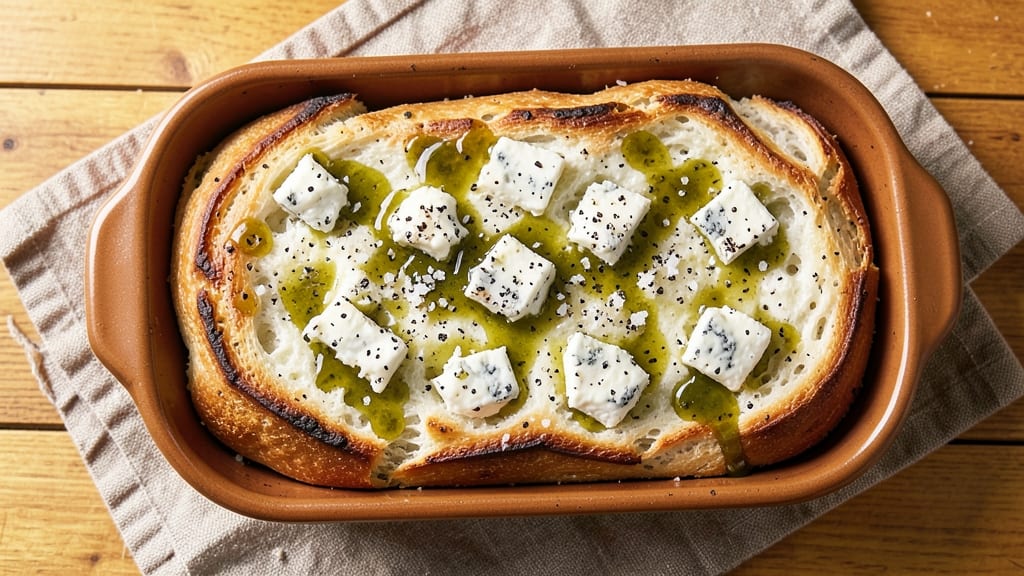
Aubree's feta bread delivers that perfect balance of crispy crust and irresistibly stretchy, melty cheese pulls—every bite is a textural masterpiece.
The secret lies in a simple dough that transforms into golden, crackly perfection when baked, with chunks of salty feta embedded throughout, creating those signature cheese strands that pull apart effortlessly.
I developed this recipe after years of testing different dough formulas and feta ratios, ensuring the cheese stays gooey while the crust achieves that satisfying crunch.
What sets this feta bread apart is the cold dough proofing technique, which allows the gluten to relax and develop naturally for a lighter texture.
The dough comes together in just 10 minutes of active time, then rests in the refrigerator overnight—this slow fermentation is what gives the bread its superior flavor and texture. No special equipment is needed, just a standard loaf pan and your oven set to 375°F.
By the time it emerges from the oven, you'll have a loaf with a crispy, caramelized crust that shatters at the touch, while the interior remains soft and airy with pockets of melted feta.
The aroma alone will have everyone gathering around the table, and the first bite delivers that perfect combination of salty, cheesy goodness with every pull. This bread is versatile enough for breakfast toast or as a sophisticated side dish at dinner.
Serve warm with a drizzle of olive oil and flaky sea salt, or pair it with tzatziki and fresh vegetables for a complete Mediterranean meal. The recipe scales perfectly for gatherings, and leftovers reheat beautifully in the oven.
Let's get started on this crowd-pleasing classic that's sure to become a regular in your rotation.
Ingredients for aubree's feta bread
Pantry staples plus one key ingredient—feta—that turns ordinary bread into a cheesy, pull-apart masterpiece.
| Ingredient | Amount | Notes |
|---|---|---|
| All-Purpose Flour 🌾 | 4 cups | Sifted for best texture |
| Active Dry Yeast 🍞 | ¼ tsp | 1 packet or 2.25g |
| Granulated Sugar 🍚 | 1 tbsp | For yeast activation |
| Warm Water 💧 | 1 ¼ cups | Lukewarm, not hot |
| Unsalted Butter 🧈 | ½ cup | Cold, cubed (trust me on this) |
| Block Feta Cheese 🧀 | 1 cup | Cubed, salty variety preferred |
| Milk 🥛 | ½ cup | Warm, for dough tenderness |
| Large Egg 🥚 | 1 whole | Room temperature |
| Kosher Salt 🧂 | 1 ½ tsp | Diamond Crystal preferred |
| Extra-Virgin Olive Oil 🫒 | 2 tbsp | For greasing pan |
| Flaky Sea Salt 🧂 | 1 tbsp | For topping (optional) |
The feta is non-negotiable here. Grab a block from the deli counter—pre-cubed gets mushy. Look for salty, crumbly feta like Kalamata or Greek varieties. The butter needs to stay cold for that crispy crust, so don't let it warm up. I always buy Land O'Lakes unsalted butter from the freezer section—it stays fresh longer. For the flour, King Arthur or Gold Medal are my go-tos—they give the best rise. If your yeast is old (more than 4 months), test it first in warm water with sugar—it should bubble within 5 minutes.
No feta? Substitute with crumbled goat cheese—it melts differently but works in a pinch. Running low on butter? Olive oil at half the amount keeps the dough tender. The milk can be swapped for warm water plus 1 tsp sugar if you're out. For the salt, Diamond Crystal kosher is essential—it dissolves better than table salt. The olive oil? Trader Joe's or California varieties have the best flavor. And if you're feeling fancy, add 1 tsp dried oregano to the dough for a Mediterranean twist.
This dough needs time—overnight in the fridge is key. Store it in an airtight container to prevent drying. The feta cubes can be prepped ahead and kept in the fridge for up to 3 days. Once baked, let the bread cool for 10 minutes before slicing—it's delicate when hot. Leftovers? Wrap tightly and reheat in a 350°F oven for 5-10 minutes to restore that crispy crust. Freezes beautifully for up to 3 months—just thaw overnight in the fridge.
Why You'll Love This Recipe
- No Yeast Stress: I’ve made bread that required proofing in the fridge for hours—this? Just mix, let sit for 20 minutes, then bake. The yeast in this dough wakes up fast, so you’re not waiting around while life happens.
- Buttery Feta Magic: That crumbly, salty feta tucked into warm, buttery bread? It’s the kind of combo that makes you pause mid-bite. Honestly, the first time I pulled a slice out of the oven, I almost burned myself reaching for it again.
- Weeknight Hero: Slice it with dinner, pack it for lunch, or just eat it straight from the pan—it’s that good. Between us, I’ve had this bread with soup, salads, and even as a quick breakfast with jam. No judgment.
- Pantry Staple Power: You’ve already got the ingredients—flour, yeast, butter—so this isn’t a special occasion splurge. It’s the kind of bread that turns into a habit, and the leftovers? They disappear faster than I can say “second batch.”
Step-by-step instructions for aubree's feta bread
Here's how to make bread with a golden crust and gooey feta pulls every time.
Activate the Yeast for Perfect Rise
In a small bowl, combine the 1.25 cups warm water, 1 tbsp granulated sugar, and 0.25 tsp active dry yeast. Let it sit for 5-10 minutes until frothy—this means your yeast is alive and ready to work. The mixture should bubble gently and smell slightly sweet and yeasty. If it doesn't foam, your yeast might be dead, and you'll need to start over.
While waiting, sift the 4 cups all-purpose flour and 1.5 tsp kosher salt into a large mixing bowl. This aerates the flour, helping create a lighter dough. I always sift first because it prevents dense pockets and ensures even texture throughout the bread.
Mix the Dough Until Smooth
Make a well in the center of the dry ingredients and add the 1 whole large egg, 0.5 cup milk, and the yeast mixture. Using a wooden spoon or dough whisk, gradually mix until a shaggy dough forms. Then, add the 0.5 cup cold cubed unsalted butter—this is key for that rich, tender crumb.
Knead the dough on a lightly floured surface for 8-10 minutes until smooth and elastic. You'll know it's ready when it springs back slowly when poked. If it feels sticky, add a little more flour, but don't overdo it—too much flour makes the bread dense. The dough should be soft but not wet.
Let the Dough Rise Until Doubled
Place the dough in a lightly oiled bowl, cover it with a clean kitchen towel, and let it rise in a warm place for 1-2 hours until it has doubled in size. I like to place my oven on low heat with a bowl of hot water inside to create a warm, humid environment—this helps the dough rise faster and more evenly.
Gently press the dough to see if it springs back. If it doesn't, give it another 30 minutes. Overproofing is a common mistake—if you let it rise too long, the bread will be dense and flat. The goal is a light, airy texture with just the right amount of chew.
Shape and Add the Feta
Punch down the risen dough to release air, then divide it into 4 equal pieces. Roll each piece into a log about 8 inches long and place them in a greased 9x5-inch loaf pan. Press the 1 cup cubed block feta cheese into the dough, leaving some visible on top for those delicious melty pulls.
Cover the pan with a towel and let the dough rise again for 30-45 minutes until it fills the pan and rises about 1 inch above the rim. This second rise ensures the bread expands properly in the pan, giving it that classic pull-apart texture. The feta should be partially embedded but still visible.
Bake for a Crispy Crust and Melty Cheese
Preheat your oven to 375°F. Brush the top of the dough with 2 tbsp extra-virgin olive oil and sprinkle with 1 tbsp flaky sea salt for extra flavor and a golden finish. Bake for 35-40 minutes until the bread is deep golden brown and sounds hollow when tapped on the bottom.
Here's the thing—don't open the oven during baking. The steam is what creates that crispy crust and helps the feta melt just right. If you peek too soon, you'll end up with a soggy top. Let it bake undisturbed, and you'll get that perfect contrast of crispy outside and tender, cheesy inside.
Rest and Serve Warm
Remove the bread from the oven and let it cool in the pan for 5 minutes, then transfer it to a wire rack. This resting period allows the bread to set slightly, making it easier to slice and preventing a gummy texture. The feta should be soft and gooey, pulling apart beautifully when you cut into it.
Slice while still warm for the best experience—each bite should deliver that crispy crust, tender crumb, and salty, melty feta. Serve with a simple olive oil drizzle or alongside a fresh salad for a complete meal. This bread is perfect for sharing, so make sure you have plenty of plates ready!
Pro Tips For Making Aubree'S Feta Bread
- MEASURE WATER PRECISELY: I learned this the hard way—using warm water straight from the tap that’s just too hot (above 110°F) kills the yeast before it even wakes up. Fill a measuring cup with water, let it sit for 5 minutes after boiling to cool to 105–110°F, then test it by dipping your pinky—it should feel like bathwater, not sauna steam.
- SOFTEN BUTTER FIRST: Skip the cold butter straight from the fridge—it’ll fight you when mixing with the dough. Cut the unsalted butter into small cubes and let it sit at room temperature for 20–30 minutes until it’s pliable but not melted. This ensures even distribution in the dough, so every bite gets that rich, flaky feta-butter payoff.
- DON’T OVERKNEAD THE DOUGH: This isn’t a baguette—you’re not chasing gluten development here. Once the dough pulls away from the sides of the bowl and springs back when poked (about 5–7 minutes by hand), stop. Overworking it makes the bread dense, and you’ll end up with a brick, not the light, airy loaf you’re after. Less is more.
- USE A LIGHT HAND WITH FETA: Dice the feta into small, even cubes—think ¼-inch pieces, not chunks. If you go too big, they’ll melt unevenly and pool at the bottom of the loaf pan, leaving dry spots. Also, drain the feta thoroughly before adding—wet crumbles make the dough sticky and gummy, which throws off the texture.
Common mistakes when making your aubree's feta bread
Overproofing the Dough
This is the #1 mistake I see—letting the dough rise too long. If your dough doubles in size and then collapses, it's overproofed. The bread will turn out dense and flat instead of light and airy.
I recommend setting a timer for 1-2 hours maximum during the first rise, and 30-45 minutes for the second rise in the loaf pan. A simple test is to press your finger gently into the dough—if it springs back slowly, it's ready.
If it doesn't spring back at all, it's time to shape and bake. 💡
Skipping the Cold Proof
The overnight cold proof is what makes this bread special, but many people skip it for convenience. Don't! The cold fermentation develops deeper flavor and a lighter texture. If you're short on time, at least let the dough rest in the fridge for 4-6 hours before shaping.
The feta will also melt more evenly when baked from cold. I promise you'll notice the difference in texture and taste.
Using Pre-Shredded Feta
Pre-shredded cheese contains anti-caking agents that prevent the feta from melting properly. Always use block feta and cube it yourself—about 1-inch cubes work best. If you must use pre-shredded, drain it thoroughly and pat it dry with a paper towel first.
The moisture content in pre-shredded cheese can make your dough soggy. For extra flavor, look for Kalamata or Greek feta from the deli counter. 🧀
Not Greasing the Pan
A properly greased pan prevents the bread from sticking and helps create that perfect pull-apart texture. Use 2 tbsp extra-virgin olive oil to coat the entire pan, including the sides. I like to use a pastry brush for even coverage.
If your bread sticks, it won't slice cleanly, and those beautiful cheese pulls will be ruined. For extra insurance, line the pan with parchment paper cut to fit.
Opening the Oven Too Soon
Resist the urge to check on your bread while it's baking! Opening the oven releases steam, which is crucial for creating that crispy crust. The feta needs that trapped steam to melt just right.
Bake undisturbed for the full 35-40 minutes, then check only when you hear that hollow sound when tapping the bottom. If you peek too early, you'll end up with a bread that's dense and gummy instead of crispy and golden. 🔥
Overmixing the Dough
Once you've added all your ingredients, stop mixing as soon as the dough comes together. Overmixing develops too much gluten, which makes the bread tough instead of tender. I recommend using a dough whisk or wooden spoon to mix just until combined, then knead by hand for 8-10 minutes.
The dough should be smooth and slightly tacky but not sticky. If it feels too dry, add 1 tsp water at a time until it reaches the right consistency.
Nutrition facts
Frequently asked questions
Can I make this feta bread without a loaf pan?
Yes! For a rustic look, shape the dough into a freeform round or oval on a baking sheet lined with parchment paper. Brush with olive oil and sprinkle with flaky salt before baking. The crust will be extra crispy, and you'll get those delicious cheese pulls without the need for a pan.
How do I store leftover feta bread?
Wrap tightly in plastic wrap or store in an airtight container to keep it fresh for 2-3 days at room temperature. For longer storage, freeze slices wrapped individually—they reheat beautifully in a 350°F oven for 5-10 minutes to restore that crispy texture.
Can I add other cheeses to this recipe?
Try adding 1/2 cup crumbled goat cheese or 1/4 cup grated Parmesan for extra flavor. For a vegan version, substitute the feta with vegan feta cubes and use plant-based butter. Just reduce the milk by 2 tbsp to balance moisture.
Why did my feta bread turn out dense?
Dense bread usually means overproofing or under-kneading. Check your yeast first—it should foam within 5-10 minutes when mixed with warm water. Also, ensure you kneaded for 8-10 minutes and didn't skip the cold proof. A warm oven with a bowl of hot water helps with proper rising.
What's the best way to reheat feta bread?
For maximum crispiness, wrap slices in foil and reheat in a 350°F oven for 5 minutes, then unwrap and broil for 1-2 minutes until golden. A toaster works too, but it won't restore that perfect crust—save that for fresh bread!