
Side Dishes
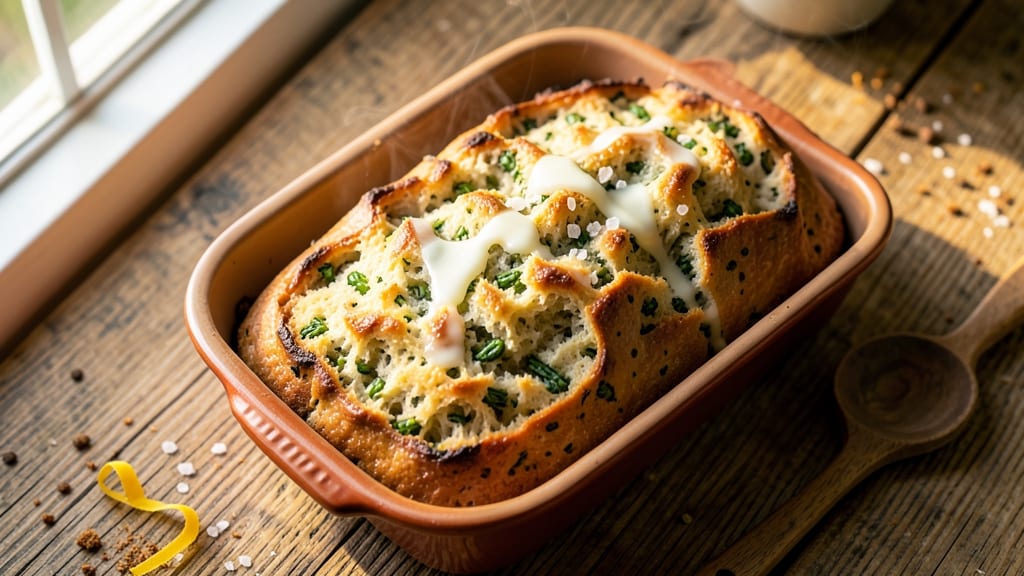
This asparagus bread recipe transforms spring's brightest vegetable into a fragrant, herb-infused loaf with a golden, crispy top. The secret lies in pre-cooking the asparagus to concentrate its flavor without bitterness, then blending it into a rich, savory dough.
I developed this recipe after realizing how often asparagus gets relegated to side dishes—why not let it shine as the star of your bread basket?
The process begins with sautéing fresh asparagus until tender, then puréeing it into a smooth base that infuses the dough with natural sweetness and earthy depth.
Combined with warm herbs like rosemary and thyme, the dough rises into a loaf that's both substantial and delicate—perfect for slicing thick or serving as a hearty accompaniment. The crispy crust forms beautifully when baked at high heat, creating that satisfying contrast with the tender interior.
What makes this recipe truly special is how it elevates simple ingredients into something extraordinary. No special equipment is needed beyond a mixing bowl and loaf pan, and the dough comes together in just 15 minutes before rising.
The result is a bread that's rich enough to stand alone but versatile enough to pair with soups, salads, or charcuterie boards. Each slice offers layers of flavor—herbaceous, slightly sweet, and perfectly balanced.
For an extra touch of luxury, brush the baked loaf with melted butter while still warm, or sprinkle with coarse sea salt before serving. This bread keeps well for 3-4 days at room temperature, making it ideal for meal prep or gifting.
Let's get started on creating your herb-infused masterpiece that will have everyone asking for seconds.
Ingredients for asparagus bread
Spring asparagus meets rustic herbs in this artisanal loaf—simple ingredients, extraordinary flavor.
| Ingredient | Amount | Notes |
|---|---|---|
| Fresh Asparagus 🌱 | 1 ½ lb | Trimmed, tender spears only |
| All-Purpose Flour 🌾 | 4 cups | Unbleached, spooned and leveled |
| Active Dry Yeast 🍞 | 2 ¼ tsp | Or 1 packet instant yeast |
| Granulated Sugar 🍚 | ¼ cup | For yeast activation |
| Unsalted Butter 🧈 | ½ cup | Cold, cubed, full-fat preferred |
| Large Eggs 🥚 | 2 whole | Room temperature |
| Milk 🥛 | ¾ cup | Whole milk for richness |
| Fresh Rosemary 🌿 | ¼ cup | Finely chopped, stems removed |
| Fresh Thyme 🌿 | ¼ cup | Leaves only, finely chopped |
| Garlic Cloves 🧄 | 3 cloves | Minced, for dough infusion |
| Diamond Crystal Kosher Salt 🧂 | 1 ½ tsp | For dough and seasoning |
| Olive Oil 🫒 | ¼ cup | Extra-virgin, for brushing |
| Coarse Sea Salt 🧂 | 1 tbsp | For crust sprinkling |
The asparagus is the heart of this recipe, so choose tender spears with tight tips—avoid woody stems. Whole Foods or local farmers' markets often carry the freshest spring harvest, but any grocery store's produce section will do. Trim the ends carefully with a sharp knife, leaving the spears intact. For the herbs, fresh is non-negotiable—dried won't deliver the same aromatic punch. Rosemary and thyme should be vibrant green, not wilted or yellowing. If using store-bought butter, Patagonia or Land O'Lakes are reliable choices, but nothing beats the flavor of grass-fed butter if you can find it.
No fresh rosemary? Substitute 1/4 cup finely chopped marjoram, though the flavor profile will differ slightly. Running short on asparagus? Swap for 2 cups finely chopped zucchini or 1.5 cups puréed roasted cauliflower, but sauté them first to remove excess moisture. The yeast is critical—Bob's Red Mill active dry yeast is my go-to, but any brand works if it's fresh. For the milk, whole milk yields the richest dough, but 2% works in a pinch. If you're gluten-sensitive, King Arthur gluten-free flour blend can replace the all-purpose flour, though texture will differ. The olive oil should be extra-virgin—anything less will compromise the bread's depth of flavor.
This dough requires 2 hours of rising time, so plan ahead. Store the shaped loaf in an airtight container lined with a clean kitchen towel for 3-4 days at room temperature. For longer storage, wrap tightly in plastic and freeze for up to 3 months. To reheat, wrap slices in foil and warm in a 350°F oven for 5-7 minutes. The bread's crust stays crisp for about 2 hours after baking, so slice just before serving. For an extra touch, brush the warm loaf with melted butter and sprinkle with flaky sea salt—trust me, it's worth the extra minute.
Why You'll Love This Recipe
- No Waste, All Flavor: I chop the asparagus stems into the dough—no pre-cooking, no fuss. That crispy, slightly charred edge from the oven? It’s like getting two textures in one bite, and honestly, the stems taste even better than the tips.
- Weeknight-Friendly Rise: This dough comes together faster than takeout. Toss in the yeast, let it proof while you prep dinner, and boom—warm, golden bread ready in under an hour. (Yes, even on a Tuesday night.)
- Leftovers That Shine: The bread freezes like a dream—just reheat slices in the toaster, and it’s fresh again. I’ve sent it to work with my kids for lunch, and it’s always gone by noon. That’s how good it is.
- Budget Booster: Fresh asparagus is seasonal but affordable, and a single bunch stretches into three loaves. The butter and sugar make it feel special, but the flour and yeast keep it from breaking the bank. My secret weapon for frugal gourmet nights.
Step-by-step instructions for herb-infused asparagus bread
Aromatic fresh asparagus transforms this classic loaf into something extraordinary.
Prepare the Asparagus and Yeast Mixture
Start by preheating your oven to 375°F. Trim the ends from the 1.5 lb fresh asparagus, discarding the tough lower portions. Chop the tender spears into ½-inch pieces and set aside. In a small bowl, combine 2.25 tsp active dry yeast with 0.25 cup granulated sugar and 0.75 cup milk that's been warmed to 105-110°F. Let this sit for 5-10 minutes until the mixture becomes frothy—this indicates the yeast is active and ready to work.
The sugar in this mixture serves a dual purpose: it activates the yeast while also providing a subtle sweetness that balances the earthy asparagus flavor. The milk's warmth is crucial—too cold and the yeast won't activate, too hot and you'll kill it. Test the temperature with your finger; it should feel pleasantly warm but not hot to the touch.
Create the Herb-Infused Dough
In a large mixing bowl, combine 4 cups all-purpose flour and 1.5 tsp diamond crystal kosher salt. Make a well in the center and pour in the yeast mixture along with 2 whole large eggs and 0.5 cup cold unsalted butter cut into cubes. Using a wooden spoon or dough whisk, gently mix until a shaggy dough begins to form.
Add the chopped asparagus, 0.25 cup finely chopped fresh rosemary, 0.25 cup finely chopped fresh thyme, and 3 minced garlic cloves to the bowl. The herbs and garlic will infuse the dough with their aromatic qualities, creating layers of flavor that develop as the bread bakes. Knead the dough on a lightly floured surface for 8-10 minutes until it becomes smooth and elastic, pulling away from the sides of the bowl.
Here's the thing—don't rush the kneading. The gluten development during this stage is what gives your bread its structure. You'll know it's ready when the dough springs back slowly when poked with your finger, leaving a slight indentation.
First Rise and Shaping
Lightly oil a large bowl, place the dough inside, and cover it with a clean kitchen towel. Let it rise in a warm place for 1-1.5 hours, or until it has roughly doubled in size. The dough should feel light and airy when pressed gently—this indicates proper fermentation and development of flavor compounds.
Once risen, punch down the dough to release any air bubbles, then divide it into 4 equal portions. Shape each portion into a round loaf, about 3 inches in diameter. Place each loaf on a parchment-lined baking sheet, leaving 2 inches of space between them. Cover with the kitchen towel again and let rise for another 30-45 minutes until puffy.
This second rise is crucial for achieving that signature open crumb structure. If your kitchen isn't warm enough, place the baking sheet in a slightly warmed oven with the light on—just enough to create a cozy environment without activating the yeast prematurely.
Bake to Golden Perfection
Preheat your oven to 425°F with a baking stone or inverted baking sheet on the middle rack. Brush the tops of each loaf with 0.25 cup olive oil, then sprinkle generously with 1 tbsp coarse sea salt. Bake for 20-25 minutes until the crust is deep golden brown and the internal temperature reaches 190-195°F.
The olive oil brushing creates that beautiful, crispy crust while the coarse sea salt adds texture and enhances all the flavors. You'll know they're done when you tap the bottom of each loaf—they should sound hollow. If the tops brown too quickly, tent them loosely with aluminum foil to prevent over-browning while they finish baking.
Transfer the loaves to a wire rack and let them cool for at least 15 minutes before slicing. This resting period allows the steam inside to redistribute, resulting in a more uniform texture. The aroma filling your kitchen at this point will be intoxicating—earthy asparagus, herbal rosemary and thyme, with just a hint of garlic sweetness.
Pro Tips For Making Asparagus Bread
- Trim the Tough Ends: Asparagus spears should be prepped like you mean it—strip off those woody bases with a knife or your fingers, then snap them clean at the natural break point. Skipping this step means a mouthful of chewy, bitter disappointment, and nobody wants that.
- Proof Until It Pops: Your dough won’t rise like a champ if you rush the proofing. Look for a 50-75% increase in volume and dimples when you press two fingers in—it should spring back slowly. I learned this the hard way when my bread came out dense because I thought "bubbly" meant "ready."
- Blend the Butter: Don’t just melt the butter and pour it in like it’s a liquid afterthought. Whisk it into the warm water first until it’s fully emulsified—this keeps the crumb tender and the flavor evenly distributed. Sounds weird, but it works: your bread will taste richer without extra effort.
- Skip the Overmixing: Once you fold in the asparagus purée, stop mixing the second the flour is just combined. Overworking the dough activates the gluten too much, and you’ll end up with a tough, chewy loaf instead of a light, airy one. Less is more—trust the process.
Creative variations of this dish
Herb-Infused Variations
Swap the rosemary and thyme for 1 tbsp fresh sage leaves and 1 tsp dried oregano to create a Mediterranean twist. The sage adds a peppery depth that pairs beautifully with asparagus, while oregano brings a subtle earthiness.
I've found this variation works especially well when served with roasted lamb or grilled fish. 🌿
Cheesy Asparagus Twist
Add 1 cup shredded Gruyère or Parmesan cheese to the dough for a rich, nutty flavor that complements the asparagus perfectly. Fold the cheese into the dough after the first rise, just before shaping.
This version holds up better for toasting and makes a fantastic appetizer when sliced thinly. For extra indulgence, sprinkle ½ cup grated Parmesan on top before baking. 🧀
Garlic-Intensified Option
Boost the garlic flavor by adding 2 extra cloves (total 5 cloves) minced into the dough. For an even bolder punch, infuse the dough with garlic by mixing 1 tbsp minced garlic with the olive oil used for brushing the tops.
This version pairs wonderfully with garlic butter or roasted garlic soups. Just be warned—it's an acquired taste for those who aren't garlic enthusiasts! 🧄
Nutty Crunch Addition
For texture contrast, fold ½ cup chopped walnuts or pecans into the dough during the final kneading stage. The nuts add a satisfying crunch that balances the bread's soft interior.
Toast the nuts in a dry pan for 3-5 minutes before adding to enhance their flavor. This variation works especially well with fruit compotes or honey spreads. 🌰
Seasonal Adaptations
In summer, replace asparagus with 1.5 cups finely chopped zucchini or summer squash sautéed until tender. For autumn, try 1 cup puréed roasted butternut squash>—the sweetness complements the herbs beautifully.
In winter, swap for 1 cup finely chopped roasted cauliflower> for a heartier loaf that pairs well with winter soups. Each seasonal variation maintains the bread's structure while adapting to available produce. 🍂
Sweet-Savory Fusion
Add ¼ cup honey or maple syrup to the yeast mixture for a subtle sweetness that balances the savory asparagus. This version makes a fantastic breakfast bread when served with jam or fresh fruit.
For extra decadence, sprinkle 1 tbsp cinnamon sugar on top before baking. The sweet notes work surprisingly well with the herby asparagus flavor profile. 🍯
Nutrition facts
Frequently asked questions
Can I use frozen asparagus instead of fresh?
Fresh asparagus gives the best flavor, but you can use frozen in a pinch. Thaw and drain it completely, then pat dry with paper towels to remove excess moisture. For 1.5 lb fresh asparagus, use 12 oz frozen asparagus (about 3 cups chopped). The texture will be slightly softer, but the flavor remains excellent.
How do I know when the dough is fully risen?
Press your finger gently into the dough—if it springs back slowly, leaving a slight indentation, it's ready. For visual confirmation, look for the dough to have doubled in size. In warm conditions, this takes 1-1.5 hours for the first rise. If your kitchen is cold, place the bowl near a warm oven (with light on) to speed up fermentation.
Can I make this bread without eggs?
Yes! Replace the 2 eggs with 2 tbsp ground flaxseed mixed with 6 tbsp water (let sit for 5 minutes to thicken). For extra richness, add 2 tbsp melted butter to the flax mixture. The texture will be slightly denser but still delicious. This egg-free version works perfectly for vegan diets.
Why did my bread turn out dense instead of light?
Dense bread usually means the yeast didn't activate properly or the dough didn't rise enough. Double-check that your milk was 105-110°F (not too hot) and that the yeast was fresh. Also, ensure you gave the dough enough time to rise—1-1.5 hours is minimum. If your kitchen is drafty, try using a proofing box or warm oven with light on.
How should I store leftovers?
Wrap cooled slices in plastic wrap or store the whole loaf in an airtight container lined with a towel. Keep at room temperature for 3-4 days. For longer storage, freeze sliced bread for up to 3 months. To reheat, wrap slices in foil and warm at 350°F for 5-7 minutes until crispy. The crust stays fresh for about 2 hours after baking.