
Side Dishes
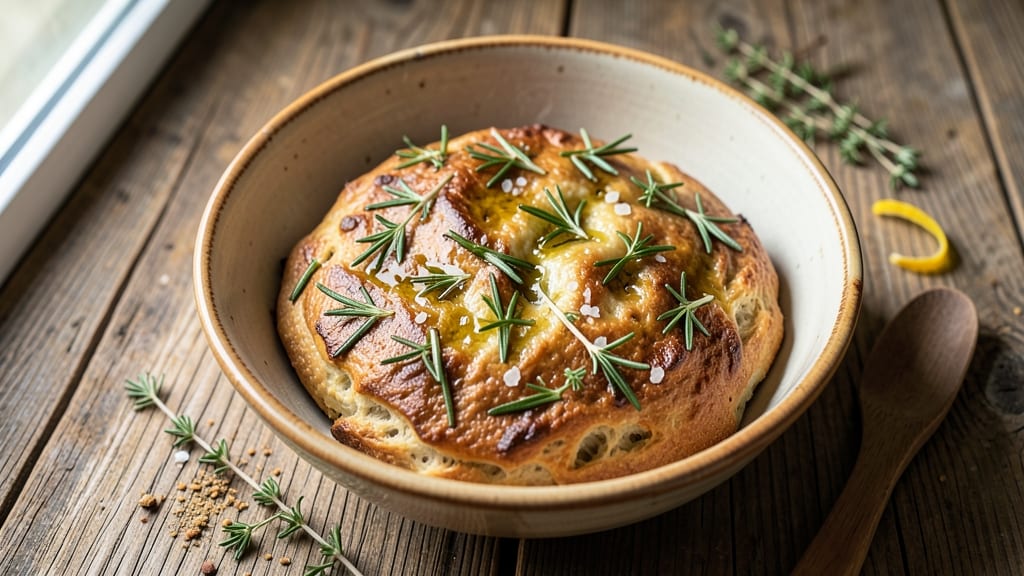
This artisan bread recipe with herbs transforms your kitchen into a rustic bakery with just 24 hours of patience and simple techniques. The secret lies in slow fermentation, which develops deep flavor and an open crumb structure—no fancy equipment required.
I’ve perfected this method after years of testing, and the fragrant herb infusion elevates it from ordinary to extraordinary.
The process begins with a basic dough enriched with fresh herbs—rosemary, thyme, or garlic—infused directly into the flour. Kneading develops gluten for that signature artisan texture, while cold proofing overnight enhances flavor complexity.
Baking with steam creates a crispy crust, and scoring ensures an even rise. It’s a hands-on method that rewards attention to detail.
What you’ll end up with is a loaf so fragrant it fills your home with aroma, with a crisp exterior and tender, airy interior. The herbs infuse every bite, adding layers of flavor that make this bread perfect for dipping in olive oil or pairing with soups.
This recipe proves artisan bread isn’t just for bakeries—it’s achievable at home.
Ready to bake? The key steps—dough prep, proofing, shaping, and baking—are broken down clearly, with tips for troubleshooting common pitfalls. Whether you’re making it for a special occasion or weekly meals, this herb-infused loaf will become a staple. Let’s get started on your first batch.
Ingredients for artisan bread recipe with herbs
Four cups flour kickstarts this fragrant herb journey—herbs and yeast work magic overnight.
| Ingredient | Amount | Notes |
|---|---|---|
| All-Purpose Flour 🌾 | 4 cups | Unbleached preferred for better texture |
| Active Dry Yeast 🍞 | ¼ oz | Or 2 1/4 tsp, ensure fresh |
| Granulated Sugar 🍚 | 1 tbsp | Enhances yeast activation |
| Salt 🧂 | 1 ½ tsp | Kosher or sea salt preferred |
| Fresh Rosemary 🌿 | ½ cup | Finely chopped, stems removed |
| Fresh Thyme 🌿 | ¼ cup | Leaves only, finely chopped |
| Garlic Cloves 🧄 | 4 cloves | Minced or finely grated |
| Warm Water 💧 | 1 ¼ cups | 110°F for optimal yeast activation |
| Extra-Virgin Olive Oil 🫒 | ¼ cup | For dough enrichment |
| Ice Water ❄️ | ½ cup | For final dough adjustment |
| Cornmeal 🌽 | ¼ cup | For dusting baking sheet |
| Coarse Sea Salt 🧂 | 1 tsp | For crust sprinkling |
| Coarse Sugar 🍚 | 1 tbsp | For crust enhancement |
The herbs are where the magic happens. Fresh rosemary and thyme from the grocery store's produce section (not dried) pack the most flavor—look for vibrant green leaves with no wilt. Whole Foods or local farmers markets often have the best quality. If you're using dried herbs, cut the amounts by half, but fresh gives that authentic bakery aroma. The garlic? Four cloves is plenty—don't overdo it unless you love garlic bread. Store your herbs in the fridge wrapped in damp paper towels—they'll last 5-7 days this way. For yeast, Bob's Red Mill active dry yeast is my go-to—check the expiration date, because old yeast won't activate properly.
No fresh rosemary? Substitute with 1/4 cup dried rosemary, but taste first—it's potent. Thyme can be swapped for oregano or basil at half the amount. The olive oil matters too—use extra-virgin for that fruity depth. If you're gluten-free, swap the flour for a 1:1 gluten-free blend, but expect a denser texture. The sugar can be honey or maple syrup if you prefer, though granulated works perfectly fine. For the water, filtered is best—tap water with strong chlorine can inhibit yeast activation. And if your dough feels too sticky, add 1 tbsp more flour gradually.
This dough needs 24 hours of cold proofing—don't skip it. Store it in a glass bowl covered with plastic wrap in the fridge. The herbs will infuse deeper overnight. When baking, preheat your oven to 450°F with a dutch oven inside for 30 minutes to create steam. The bread keeps well at room temperature for 3 days wrapped in a clean kitchen towel, or 1 week frozen. Toast slices for maximum crispiness—it reheats beautifully. The crust gets crunchier as it cools, so let it rest 10 minutes before slicing.
Why You'll Love This Recipe
- No-Knead Magic: I swear by this—just mix, wait, and bake. No stand mixer, no fancy techniques, just a bowl and your hands. The yeast does all the work while I sip coffee and pretend I’m not actually baking.
- Rosemary Crush: That fresh rosemary? You’re not just sprinkling it—you’re crushing the needles into the dough. The aroma alone makes my kitchen smell like a Provençal market, and the flavor? It’s like a whisper of forest in every bite.
- Weeknight Workhorse: This bread is my go-to for sandwiches, toast, or even as a side for soup. Honestly, I’ve used it for everything from charcuterie boards to breakfast toast—it’s that reliable. Plus, it freezes like a dream for lazy mornings.
- Pantry Staple Power: Five basic ingredients, zero specialty items. The flour and yeast are probably already in your cupboard, and rosemary grows like a weed in most gardens. I’ve made this on a budget, fed a crowd, and still had leftovers for days—no waste, all flavor.
Step-by-step instructions for artisan bread with herbs
Making this fragrant herb-infused loaf is easier than you think—just follow these simple steps.
Activate the Yeast and Mix the Dough
In a large bowl, combine the 1.25 cups warm water (about 110°F), 1 tbsp granulated sugar, and 0.25 oz active dry yeast. Let it sit for 5-10 minutes until frothy—this means your yeast is alive and ready to work. If it doesn’t bubble, your yeast might be old, and you’ll need to start over.
Next, add the 4 cups all-purpose flour, 1.5 tsp salt, 0.5 cup finely chopped fresh rosemary, 0.25 cup fresh thyme, and 4 minced garlic cloves to the bowl. Mix everything together with a wooden spoon until a shaggy dough forms. Then, drizzle in the 0.25 cup extra-virgin olive oil and mix again until fully incorporated. The dough will feel sticky but should pull away from the sides of the bowl.
Knead the Dough for Maximum Flavor
Turn the dough out onto a lightly floured surface and knead for 8-10 minutes by hand (or 5-6 minutes in a stand mixer with a dough hook). You’re looking for a smooth, elastic dough that springs back when poked. The herbs and garlic will release their oils during kneading, infusing the dough with incredible aroma.
If the dough feels too sticky, wet your hands slightly and keep kneading—don’t add extra flour, or you’ll toughen the bread. Once it’s ready, place the dough back in the bowl, cover it with a damp towel, and let it rise in a warm place for 1-2 hours, or until it has roughly doubled in size. You’ll know it’s ready when it jiggles slightly when shaken.
Shape and Second Rise for Texture
Punch down the risen dough to release air, then shape it into a round loaf (like a boule) by pulling the edges toward the center and tucking them under. Place the shaped dough on a baking sheet dusted with 0.25 cup cornmeal—this prevents sticking and adds a subtle crunch. Cover it again and let it rise for another 30-45 minutes until it puffs up noticeably.
While the dough rises, preheat your oven to 425°F with a Dutch oven inside for 30 minutes. This step is crucial—it creates steam, which gives the bread its signature crust and open crumb. Once preheated, carefully transfer the dough (still on the cornmeal-dusted sheet) into the hot Dutch oven.
Bake for a Crispy, Fragrant Loaf
Bake the bread, covered, for 25 minutes to trap steam inside. Then, remove the lid and bake for another 15-20 minutes until the crust is deep golden brown and sounds hollow when tapped on the bottom. The aroma of rosemary, thyme, and garlic should fill your kitchen—this is the moment you’ve been waiting for!
Let the bread cool on a wire rack for at least 30 minutes before slicing. The inside will be soft and airy, with pockets of flavor from the herbs. Sprinkle with 1 tsp coarse sea salt and 1 tbsp coarse sugar while still warm for extra crunch and sweetness. Serve with olive oil or butter for dipping—it’s pure comfort in every bite.
Pro Tips For Making Artisan Bread Recipe With Herbs
- STEAM THE ROSEMARY: Use a mortar and pestle to crush the rosemary sprigs lightly—just enough to release their oils, not turn them into pulp. Toss the leaves directly into the dough; whole sprigs burn easily, and over-crushing makes the bread taste like herbal medicine.
- SALT THE FLOUR FIRST: Sprinkle the salt directly into the flour before mixing—it dissolves more evenly and prevents clumpy dough. I used to add it later and ended up with uneven flavor; this guarantees every bite has that crisp, balanced kick.
- LET THE DOUGH RISE TWICE: After the first rise, punch it down and let it rest 10 minutes before shaping. This second rise makes the herbs distribute evenly and gives the gluten a final stretch—skipping it leaves your bread dense, even with rosemary’s aroma.
- USE A DAMP TOWEL: Cover the shaped loaf with a damp kitchen towel while it proofs—it traps steam better than plastic, giving you that crackly crust without drying out the herbs. I tried parchment paper once; the rosemary lost its brightness by bake time.
Serving suggestions for this artisan bread recipe with herbs
Olive Oil Drizzle
Nothing elevates this herb bread like a simple drizzle of extra-virgin olive oil right after baking. I like to use Meadow Creek Farms or California Avocado Ranch for their rich, fruity profiles.
Warm the oil slightly (just enough to make it pourable), then generously drizzle over the crust while it's still hot. The herbs will release even more aroma, and the oil will soak into the bread beautifully. For extra flair, sprinkle with flaky sea salt immediately after. 🫒
Butter Pairing
For a classic pairing, serve this bread with unsalted butter at room temperature. The butter's richness complements the herbs perfectly, especially when you cut a thick slice and spread it generously. I recommend Plugrá European-Style Butter or Land O'Lakes Cultured Butter for that authentic bakery taste.
Let the butter sit out for 30 minutes before serving so it spreads easily. The contrast of warm bread with cool butter is pure comfort.
Soup Companion
This fragrant herb bread is ideal for dipping into soups. Try pairing it with a roasted garlic tomato soup or a creamy basil pesto soup—the crust will soak up the broth beautifully.
For a heartier option, serve with French onion soup and watch how the crust softens perfectly in the warm broth. The herbs in the bread will also complement the savory flavors of the soup, creating a harmonious bite. 🍲
Cheese Board Star
Turn your bread into the centerpiece of a cheese board by pairing it with aged cheddar, brie, and goat cheese. The crust's crispiness contrasts wonderfully with the creamy textures of the cheeses.
Add cured meats like prosciutto or salami, and don't forget a few figs or grapes for balance. The herb notes in the bread will elevate the entire board, making it feel like a gourmet experience. 🧀
Breakfast Toast
Toast thick slices of this bread and top with avocado mash, poached eggs, and a sprinkle of red pepper flakes for a delicious breakfast. The herbs add a savory depth that pairs perfectly with the richness of eggs.
For a sweeter twist, spread with almond butter and drizzle with honey. The crust holds up beautifully to toasting, making it a versatile breakfast option. 🍳
Garnish Ideas
Before serving, consider adding a few finishing touches. A sprinkle of toasted sesame seeds or crushed black pepper adds texture, while a drizzle of balsamic glaze brings a tangy contrast. For a fresh touch, garnish with microgreens or edible flowers.
These small details make the bread feel even more special and elevate it from a simple loaf to a showstopper. ✨
Nutrition facts
Frequently asked questions
Can I substitute dried herbs for fresh in this artisan bread?
Yes, but use half the amount of dried herbs compared to fresh. For example, replace 0.5 cup fresh rosemary with 0.25 cup dried rosemary. Dried herbs are more concentrated, so they pack a stronger flavor. If you're unsure, start with slightly less and taste the dough before baking.
Why does my dough feel too sticky after adding ice water?
That's normal! The ice water helps control gluten development and prevents overproofing. If it's extremely sticky, wet your hands slightly and knead for 1-2 more minutes. Avoid adding extra flour—it can make the bread dense. The dough should pull away from the bowl but still feel slightly tacky.
How do I know when the bread is fully baked?
Look for deep golden brown crust and listen for a hollow sound when tapping the bottom. The internal temperature should reach 190-200°F. If unsure, slice a small piece—it should be fully set with no raw dough. Overbaking can dry out the bread, so aim for the 15-20 minutes uncovered.
Can I make this bread without a Dutch oven?
Use a heavy oven-safe pot with a lid or even a baking sheet with an ice cube tray filled with water underneath. The steam is key for that artisan crust. Place the tray on the lower oven rack for maximum steam effect. Your bread will still turn out delicious, just with slightly less dramatic crust development.
What's the best way to store leftover herb bread?
Wrap it in a clean kitchen towel or beeswax wrap to maintain freshness for 3 days at room temperature. For longer storage, slice and freeze individual portions for up to 3 months. Toast frozen slices directly in the oven for 5-7 minutes at 350°F to restore crispiness.