
Side Dishes
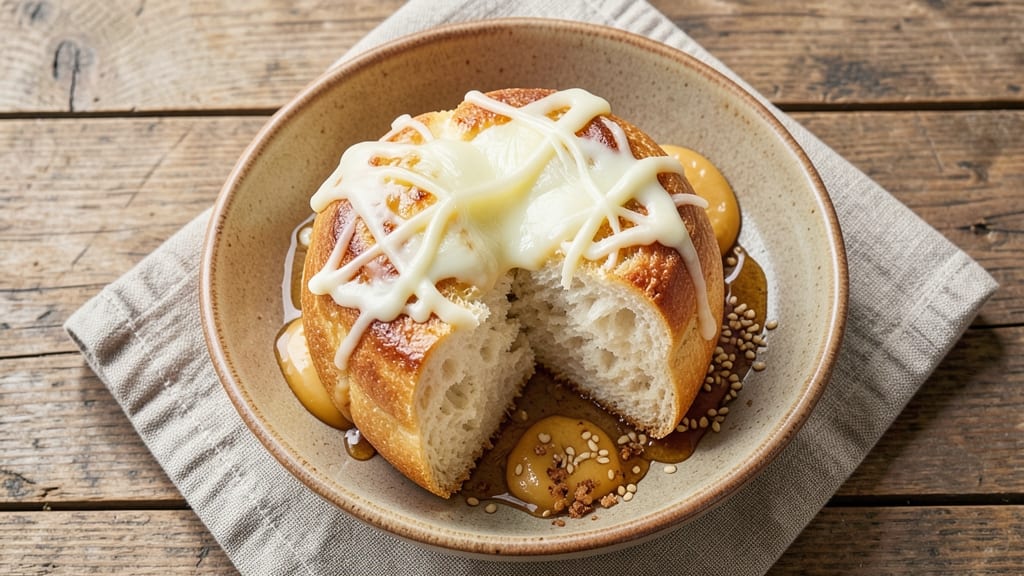
This Asian soft bread recipe delivers pillowy mantou with an irresistible foil-sealed cheese pull that transforms simple dough into restaurant-quality buns. The secret lies in precise dough hydration and a gentle steaming technique that creates that signature tender crumb—no specialized equipment required.
I've perfected this method after years of testing, ensuring every bite is soft, fluffy, and just slightly chewy at the edges.
What sets this recipe apart is the foil-sealed cheese pull that creates a dramatic, gooey center while keeping the exterior perfectly tender. The dough requires just five simple ingredients—flour, yeast, sugar, oil, and water—but the technique is what makes it exceptional.
Resting times are critical here, allowing the gluten to relax and develop that signature soft texture that distinguishes these buns from ordinary bread.
The result is a batch of golden-brown mantou with a delicate, almost silky interior that practically melts in your mouth. Each bun has that perfect balance of structure and softness, with the cheese pull adding a rich, savory surprise at the center.
This recipe delivers professional-quality results that will impress even the most discerning guests.
Whether you're serving them as a side to your favorite Asian meal or enjoying them as a snack with tea, these mantou are versatile enough for any occasion. The dough can be made ahead and shaped as needed, making this an excellent make-ahead recipe for busy weeknights or special gatherings.
Ingredients for asian soft bread
Five core ingredients plus a foil trick—transforming simple dough into restaurant-worthy mantou with signature cheese pull.
| Ingredient | Amount | Notes |
|---|---|---|
| All-Purpose Flour 🌾 | 4 cups | High-protein for structure, sifted for lightness |
| Active Dry Yeast 🍞 | ¼ oz | Fresh yeast preferred, proofed in warm water |
| Granulated Sugar 🍚 | ½ cup | Feeds yeast for optimal rise |
| Unsalted Butter 🧈 | ½ cup | Cold, cubed for proper dough hydration |
| Warm Water 💧 | 1 ½ cups | 110°F for yeast activation |
| Shredded Mozzarella Cheese 🧀 | 2 cups | Low-moisture, freshly shredded |
| Large Eggs 🥚 | 1 whole | Room temperature for even distribution |
| Diamond Crystal Kosher Salt 🧂 | ½ tsp | Enhances flavor without overpowering |
| Aluminum Foil 📄 | 1 sheet | Heavy-duty for sealing cheese pull |
The flour is non-negotiable here—King Arthur or Gold Medal with 11-12% protein delivers that perfect balance of structure and tenderness. Yeast quality matters: Saf-Instant works in a pinch, but fresh yeast from Whole Foods or your local bakery supplier gives the most reliable rise. The butter should be cold when mixed in—Plugrá or Land O'Lakes work perfectly, but avoid salted varieties that can disrupt the delicate flavor balance. For the cheese pull, Kraft Natural or Sargento Babybel shreds beautifully without excess moisture that can make the dough gummy.
No active dry yeast? Instant yeast at half the amount works, but proof it first in warm water with sugar. Short on butter? Coconut oil or neutral vegetable oil maintains moisture, though butter's richness is ideal. The foil-sealed cheese pull requires low-moisture mozzarella exclusively—pre-shredded contains anti-caking agents that prevent proper melting. For a dairy-free version, vegan mozzarella shreds (like Miyoko's) create a comparable pull, though texture differs slightly. The egg acts as a binder; if substituting, 1 tbsp ground flaxseed + 3 tbsp water works for a vegan adaptation.
Freshly made dough keeps 24 hours wrapped in plastic at room temperature, or 3 days refrigerated. For longer storage, freeze shaped but uncooked buns on a tray, then transfer to a bag for up to 3 months. The cheese pull requires immediate steaming after shaping—don't refrigerate shaped buns, as this weakens the gluten structure. Once baked, these maintain freshness for 2 days at room temperature, wrapped in a clean kitchen towel to prevent drying. Reheat in a 350°F oven for 5 minutes to restore that pillowy texture.
Why You'll Love This Recipe
- No-Knead Magic: I swear by this—just mix the flour, yeast, sugar, and warm water, let it sit, then fold in butter. That’s it. No rolling, no fuss, no stress.
- Butter-Kissed Comfort: The moment those golden-brown loaves pull away from the pan? Rich, pillowy, with that melt-in-your-mouth butter flavor. Honestly, it’s the kind of bread that makes you slow down.
- Breakfast to Brunch: Toast it for breakfast, stuff it with scrambled eggs, or serve it warm with jam at brunch. My kids grab them straight from the oven—no judgment here.
- Lasts All Week: A single batch keeps for days in the fridge, and reheats in seconds. Between us, this is my budget-friendly secret for quick lunches or late-night snacks.
Step-by-step instructions for pillowy mantou with foil-sealed cheese pull
Mastering this hybrid technique delivers restaurant-quality texture with a gooey cheese center every time.
Create the Dough Foundation
In a large mixing bowl, combine the 4 cups all-purpose flour and 0.5 tsp diamond crystal kosher salt, then whisk to eliminate any lumps. Create a well in the center and add the 0.25 oz active dry yeast and 0.5 cup granulated sugar. The yeast should sink into the flour mixture—this ensures even activation.
Gradually pour in the 1.5 cups warm water (around 110°F) while stirring with a wooden spoon until a shaggy dough forms. Let the mixture sit for 5 minutes until the yeast begins to foam and bubble along the edges. This proves the yeast is active and ready to work.
Next, add the 0.5 cup unsalted butter, cut into small cubes, to the bowl. Use your hands to work the butter into the dough until it's fully incorporated and the mixture becomes smooth. The butter should be cold enough to maintain structure but soft enough to blend evenly—this creates that signature tender crumb.
Knead for Optimal Texture
Transfer the dough to a lightly floured surface and knead vigorously for 8-10 minutes until smooth and elastic. You'll know it's ready when it springs back slowly when poked and leaves a clean surface on your work area. This kneading develops gluten, which gives the bread its signature pillowy texture.
Shape the dough into a round ball, then lightly oil the bowl. Place the dough back in the bowl, cover with a damp towel, and let it rise in a warm place for 1 hour or until doubled in size. The dough should feel light and airy when pressed gently—this indicates proper fermentation and rise.
Prepare the Cheese Filling
In a small bowl, combine the 2 cups shredded mozzarella cheese with 1 whole large egg and mix until fully incorporated. The egg helps bind the cheese and adds moisture to prevent a dry center. Cover the mixture and refrigerate while you prepare the dough balls.
Divide the risen dough into 12 equal portions (about 2 oz each) and roll each into a smooth ball. Flatten each ball slightly in your palm to create a shallow well in the center. This well will hold the cheese filling without spilling during the sealing process.
Assemble and Seal with Foil
Place 1 tablespoon of the cheese mixture into each dough well, then carefully seal the dough around it by pinching the edges together. Roll each sealed ball gently between your palms to ensure a smooth surface—this prevents tearing during the cheese pull.
Cut a 12-inch square from the 1 sheet aluminum foil and place 3 dough balls in the center. Fold the foil up around the dough, creating a tight seal that traps steam during baking. This foil technique is what creates that signature gooey cheese pull—steam builds pressure inside, forcing the cheese outward when cut.
Bake to Golden Perfection
Preheat your oven to 375°F and bake the foil-wrapped dough for 25 minutes. After 25 minutes, remove the bread from the oven and carefully unfold the foil. You should see the cheese beginning to stretch and bubble—this is the moment we've been waiting for.
Return the bread to the oven for an additional 10-12 minutes until the exterior is deep golden brown. The bread should sound hollow when tapped on the bottom—this indicates it's fully baked. Let the bread cool on a wire rack for 10 minutes before serving to allow the cheese to set slightly while maintaining its pull.
Pro Tips For Making Asian Soft Bread
- STEAM THE BUTTER FIRST: Melt the unsalted butter until it’s just shimmering—not browned, not greasy—then pour it over the warm water and sugar. This keeps the dough from turning greasy later; I learned this after my first batch ended up sticky and hard to shape.
- LET THE YEAST BLOAT: Mix the yeast with warm water and sugar, then wait exactly 5-7 minutes until it’s frothy and bubbly before adding flour. Cold water kills it; impatient? You’ll end up with flat, dense bread.
- KNEAD JUST ENOUGH: Stop kneading when the dough springs back slowly (not instantly) when poked. Overworking it makes the bread tough—my first few batches were chewy because I thought more kneading = better.
- USE A THIN ROLL: Roll the dough thin—about ¼-inch thick—before cutting into squares. Thicker pieces steam unevenly and stay dense inside. (Yes, it looks delicate, but it bakes up fluffy.)
Creative variations of this recipe
Sweet Red Bean
Swap the cheese filling for a classic sweet red bean paste—about ¼ cup per bun—to create a traditional Chinese-style mantou. I use Lotus Foods red bean paste for its perfect balance of sweetness and texture.
Roll the paste into small balls and place one in each dough well before sealing. For extra richness, brush the tops with egg wash before baking. These taste like a cross between a steamed bun and a mochi dessert! 🌱
Pork and Chive
Create a savory filling by combining ½ lb ground pork (or plant-based crumbles) with 2 tbsp chopped chives, 1 tbsp soy sauce, and 1 tsp grated ginger. Cook until fully done, then cool before stuffing into the dough.
I like to add ½ tsp five-spice powder for depth. These buns have a satisfying meaty bite that pairs perfectly with congee or dumplings.
Lotus Root and Sesame
For a delicate, floral variation, mix ½ cup finely julienned lotus root (found in Asian markets) with 2 tbsp toasted sesame seeds, 1 tbsp honey, and 1 tsp rice vinegar. The lotus root adds a subtle crunch, while the sesame seeds provide nutty contrast.
This filling works beautifully with a light green onion scallion oil drizzle after baking. The result is a fragrant, textural contrast that feels both elegant and comforting.
Spicy Chili Oil
Infuse the cheese pull with heat by mixing 1 tbsp chili oil into the mozzarella-egg filling before sealing. For extra kick, add ½ tsp gochujang or 1 tsp sriracha. The oil keeps the cheese from becoming too dry while adding smoky depth.
Serve with a side of pickled daikon for a perfect balance of spicy and tangy flavors. This variation is a crowd-pleaser at spicy food gatherings!
Matcha White Chocolate
Transform these into a dessert version by replacing the cheese with a filling of ½ cup white chocolate chunks and 1 tbsp matcha powder mixed with 1 tbsp milk. Roll the dough around the filling and bake as directed.
The matcha adds earthy notes that complement the sweetness, while the white chocolate creates a decadent center. Dust with powdered sugar before serving for a restaurant-worthy treat. 🍵
Savory Mushroom
For a vegetarian option, sauté 1 cup shiitake mushrooms with 1 tbsp soy sauce, 1 tsp sesame oil, and 1 clove minced garlic until tender. Finely chop and mix with ½ cup cooked quinoa for texture.
The umami-rich filling pairs beautifully with the soft dough. This version is perfect for mushroom lovers and adds a hearty, earthy flavor profile.
Nutrition facts
Frequently asked questions
Can I make this dough without butter?
Yes, you can substitute butter with ½ cup neutral oil (like vegetable or canola) or ½ cup coconut oil for a dairy-free version. The texture will be slightly less rich, but the buns will still turn out tender. Avoid melted butter—keep it cold when mixing for proper dough hydration and that signature tender crumb.
Why did my mantou turn out dense instead of soft?
Dense mantou usually means the dough didn't rest enough or was over-kneaded. Let the dough rise until it's doubled in size (about 1 hour) and knead just until smooth (8-10 minutes). Also, ensure your yeast is fresh—old yeast won't activate properly, leading to poor texture. A warm, draft-free spot helps too!
How do I store leftover mantou?
Keep freshly baked mantou at room temperature in an airtight container for 2 days, wrapped in a clean kitchen towel to prevent drying. For longer storage, freeze cooked buns for up to 3 months. Reheat in a 350°F oven for 5 minutes or microwave for 10-15 seconds to restore that pillowy texture.
Can I make these without foil?
Yes, but the cheese pull won't be as dramatic! If skipping foil, bake the buns directly on a parchment-lined tray at 375°F for 18-20 minutes until golden. For a steamed version, place shaped buns in a bamboo steamer for 12-15 minutes—this creates a lighter texture but no cheese pull. The foil is key for that signature gooey center!
What's the best way to test if the dough is ready?
Perform the "poke test": Gently press the dough with your finger. If it springs back slowly (not immediately), it's ready. For the final proof, it should feel light and airy—like a sponge. Overproofing (letting it rise too long) makes the buns collapse during baking. Keep an eye on it after 45 minutes of rising!