
Side Dishes
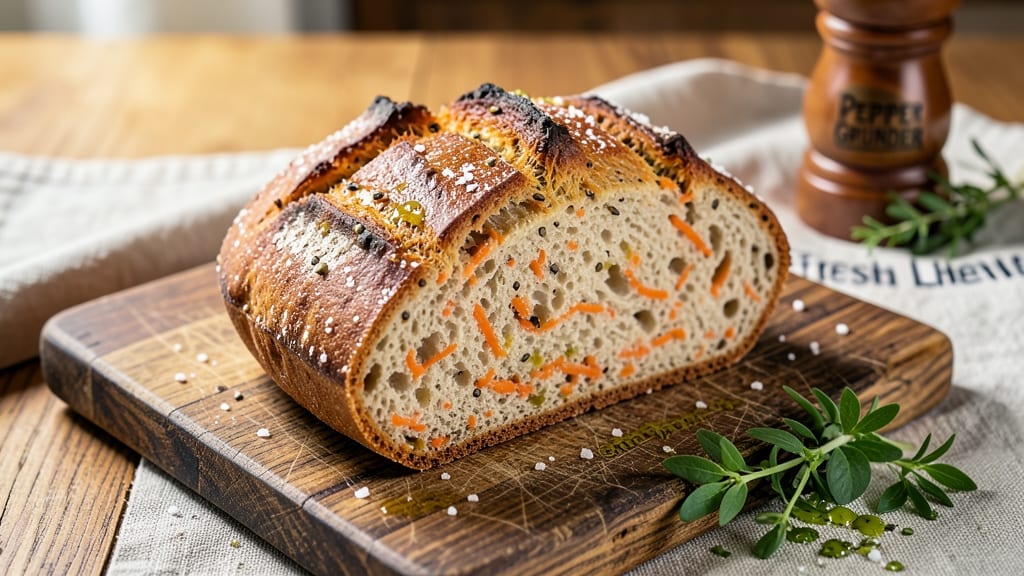
This artisan sourdough clever carrot bread transforms humble ingredients into a sweet, spiced loaf with hidden veggie magic. 🌟 The secret? Grated carrots blend seamlessly into the dough, adding natural sweetness and moisture while keeping the texture light and airy.
Perfect for breakfast, snacks, or gifting, this recipe combines the tangy depth of sourdough with the subtle carrot flavor that surprises and delights.
The process begins with a foolproof sourdough starter—no prior experience needed—then incorporates finely grated carrots directly into the dough. This clever technique ensures even distribution without altering the bread's structure, while warm spices like cinnamon and nutmeg enhance the natural carrot sweetness.
The result is a loaf with a crisp golden crust and tender crumb, where every slice reveals the subtle carrot goodness.
What sets this bread apart is its versatility—slice it fresh for toast, pack it for lunches, or serve it warm with butter. The carrots not only improve texture but also add a nutritional boost without compromising flavor.
Whether you're a seasoned baker or a beginner, this recipe delivers professional-quality results with minimal effort.
Ready in just under 24 hours (including proofing), this bread is perfect for meal prep or weekend baking projects. The key to success lies in proper dough handling and baking techniques, which we'll cover step by step.
Let's get started on creating this sweet, spiced loaf that hides its veggie secret beautifully.
Ingredients for artisan sourdough bread recipe clever carrot
Twelve ingredients transform simple pantry staples into a vegan sourdough masterpiece with hidden carrot goodness.
| Ingredient | Amount | Notes |
|---|---|---|
| Active Sourdough Starter 🍞 | 1 cup | Unfed, at peak activity (bubbly) |
| All-Purpose Flour 🌾 | 4 cups | Organic white or whole wheat blend |
| Organic Carrots 🥕 | 1 ½ cups | Finely grated, skin-on preferred |
| Coconut Sugar 🍯 | ¼ cup | Or maple syrup for liquid sweetener |
| Extra-Virgin Olive Oil 🫒 | ¼ cup | Cold-pressed, fruity variety |
| Ground Flaxseed 🌱 | 2 tbsp | For vegan egg replacement |
| Warm Water 💧 | 1 ¼ cups | 110°F for ideal hydration |
| Ground Cinnamon 🌿 | 1 ½ tsp | Ceylon preferred for delicate flavor |
| Ground Nutmeg 🌿 | ½ tsp | Freshly grated for potency |
| Sea Salt 🧂 | 1 ½ tsp | Diamond Crystal preferred |
| Active Dry Yeast 🍞 | ¼ tsp | Optional for extra rise |
| Vegan Butter 🧈 | 2 tbsp | For brushing crust (e.g., Earth Balance) |
| Sesame Seeds 🌾 | 1 tbsp | Optional for decorative topping |
The sourdough starter is non-negotiable for authentic flavor—King Arthur or Bob's Red Mill starters work perfectly, but any active starter will do. For the carrots, organic varieties from Whole Foods Market or local farmers' markets yield the sweetest flavor. Grate them yourself (the food processor method works best) to avoid moisture loss. The coconut sugar adds subtle sweetness without overpowering the bread's natural tang, while the Ceylon cinnamon from Penzeys Spices provides a delicate warmth that complements the carrots beautifully.
No coconut sugar? Maple syrup or agave nectar work equally well—just reduce other liquids slightly to maintain dough consistency. Substituting whole wheat flour? Use a 50/50 blend with all-purpose to avoid density. For the flaxseed egg replacement, chia seeds work too at the same ratio. The yeast is optional but recommended for a more consistent rise—especially for beginners. If using, ensure it's fresh (tested within 4 months). For the olive oil, avoid refined varieties—look for bottles labeled 'extra-virgin' with a harvest date.
Store the grated carrots in an airtight container in the fridge for up to 3 days before use. The dough can be shaped and proofed overnight in the fridge for 12 hours, which enhances flavor development. Once baked, this loaf stays fresh for 4-5 days at room temperature, wrapped in a clean kitchen towel. For longer storage, freeze slices wrapped in parchment paper for up to 3 months. The sesame seeds add a delightful crunch—sprinkle them just before baking for maximum texture.
Why You'll Love This Recipe
- No-Knead Magic: I swear by this—just mix, rest, and bake. The sourdough starter does all the heavy lifting while you sip coffee, no stand mixer required.
- Sweet Earthy Crunch: That carrot puree adds natural sweetness, and the coconut sugar caramelizes into a golden crust. Honestly, it’s the kind of bread you’ll want to eat straight from the oven.
- Lunchbox Hero: Thick slices hold up perfectly for sandwiches or toast—my kids actually take it to school (no complaints about soggy bread here).
- Budget-Friendly Stretch: A single batch feeds my family for days, and carrots bulk it up without breaking the bank. Leftovers? They get toasted into crispy croutons.
Step-by-step instructions for artisan sourdough clever carrot bread
Transform simple ingredients into a moist, spiced loaf with hidden carrot goodness.
👨🍳 Step 1: Prepare the Flaxseed Egg Substitute
In a small bowl, combine the 2 tbsp ground flaxseed with the 1.25 cups warm water (around 110°F). Let this mixture sit for 5 minutes until it thickens into a gel-like consistency—this acts as our vegan egg replacement. The texture should resemble raw egg whites but be slightly more viscous. Stir occasionally to ensure even hydration of the flaxseed.
This step is critical for binding the dough without animal products. If you notice the mixture isn't thickening properly, let it sit an additional 2-3 minutes—the flaxseed needs time to fully absorb the liquid. Once ready, we'll incorporate this into our wet ingredients for maximum structure in the final loaf.
👨🍳 Step 2: Mix Wet Ingredients and Grate Carrots
In a large mixing bowl, combine the 1 cup active sourdough starter, 0.25 cup coconut sugar, 0.25 cup extra-virgin olive oil, and the flaxseed egg mixture. Using a wooden spoon or silicone spatula, stir until fully integrated—you should see a smooth, slightly thick batter with no dry spots.
While the wet ingredients mix, use a fine grater to shred the 1.5 cups organic carrots (skin-on preferred). The finer the grate, the more evenly distributed the carrot flavor and moisture will be throughout the bread. Add the grated carrots to the wet mixture and fold gently to distribute. The carrots will release their moisture, which helps create that signature moist crumb we're after.
🥘 Step 3: Combine Dry Ingredients and Form the Dough
In a separate bowl, whisk together the 4 cups all-purpose flour, 1.5 tsp ground cinnamon, 0.5 tsp ground nutmeg, 1.5 tsp sea salt, and 0.25 tsp active dry yeast (if using). The yeast is optional but helps create a slightly taller rise. Gradually add this dry mixture to the wet ingredients while stirring with a wooden spoon.
Once combined, the dough will be thick and sticky—this is normal for a moist loaf. Use a dough scraper to help fold and incorporate any stubborn dry bits. The dough should form a shaggy mass that clings to your tools. Avoid overmixing at this stage; we want to preserve the tender crumb texture. Cover the bowl with a damp towel and let rest for 15 minutes at room temperature.
🔥 Step 4: Shape and Proof the Dough
After the 15-minute rest, the dough will be more manageable. Lightly flour a clean surface and your hands, then gently fold and shape the dough into a 9x5-inch loaf pan shape. Press down firmly but evenly—you want to create surface tension that will help the bread rise properly. The dough should reach about 2 inches below the top of the pan.
Cover the pan with a damp towel and let proof at room temperature for 1 to 1.5 hours, or until the dough has risen about 50% and springs back slowly when gently pressed. The proofing time depends on your kitchen's humidity—warmer environments will speed this process. Look for small bubbles forming on the surface and edges pulling away from the pan slightly. This indicates the yeast is actively working.
🔥 Step 5: Bake to Golden Perfection
Preheat your oven to 375°F with a Dutch oven or baking stone inside for 20 minutes. This ensures even heat distribution for a crisp crust. Remove the hot Dutch oven and brush the top of the dough with melted 2 tbsp vegan butter, then sprinkle with 1 tbsp sesame seeds for texture and visual appeal.
Bake covered for 25 minutes, then uncover and bake for an additional 15-20 minutes until the top is deep golden brown and an instant-read thermometer inserted into the center reads 190-200°F. The internal temperature is crucial—too low and the bread will be gummy; too high and it may dry out. The sides should pull away cleanly from the pan, and you should hear a hollow sound when you tap the bottom.
Pro Tips For Making Artisan Sourdough Bread Recipe Clever Carrot
- Grate Carrots Fine: Skip the food processor—hand-grate them over a bowl using the smallest holes on your grater. This keeps the texture even and prevents the dough from getting gummy, which I learned after my first batch turned into a sad, sticky mess.
- Proof Until Springy: Your dough should bounce back slowly when poked—not immediately. If it springs back fast, it needs more time. I used to rush this step, and my loaves always came out dense. Trust the process; it’s worth the wait.
- Sweat the Carrots: Sauté the grated carrots in olive oil for 5 minutes before mixing into the dough. This softens them slightly and deepens their flavor, so they don’t turn mushy or taste raw. (Yes, even if you’re impatient like me.)
- Brush With Oil: After baking, let the bread cool for 10 minutes, then brush the crust with a mix of olive oil and a pinch of coconut sugar while still warm. This gives it a glossy finish and a subtle caramelized edge—no fancy equipment needed.
Creative variations of this dish
Sweet Carrot Filling
For a showstopping twist, create a carrot filling by puréeing 1 cup grated carrots, 2 tbsp maple syrup, 1 tsp cinnamon, and ½ tsp vanilla extract until smooth.
Spread this mixture evenly over the shaped dough before final proofing—it adds a moist, sweet center that pairs perfectly with the crust. 🥕
Spiced Carrot Streusel
Top the loaf with a streusel of ¼ cup oats, 2 tbsp chopped walnuts, 1 tbsp brown sugar, and ½ tsp cinnamon before baking.
The streusel adds crunch and visual appeal while enhancing the carrot flavor. Sprinkle it over the proofed dough just before baking for maximum texture.
Savory Herb Variation
Swap the cinnamon and nutmeg for 1 tbsp dried rosemary, 1 tsp thyme, and ½ tsp black pepper to create a savory carrot loaf. The herbs complement the carrot’s natural sweetness while adding earthy depth. This version pairs beautifully with soups or charcuterie boards.
Whole Wheat Boost
Replace 1 cup all-purpose flour with whole wheat flour for added fiber and nuttiness. The carrot’s moisture balances the denser texture, while the whole grains enhance the bread’s nutritional profile. This variation works especially well when using orange carrots for extra visual appeal.
Gluten-Free Adaptation
Use a 1:1 gluten-free flour blend (like Bob’s Red Mill) and add ½ tsp xanthan gum to the dry ingredients. The grated carrots help bind the dough, and the coconut sugar adds moisture. Proofing time may increase—monitor closely for 50% rise before baking.
Carrot-Topped Loaf
After baking, slice the loaf horizontally and layer with a carrot glaze made from 2 tbsp apricot jam and 1 tsp orange zest. Top with thin carrot slices arranged in a decorative pattern.
This presentation makes it perfect for gifting or special occasions while keeping the "clever carrot" secret intact. 🌟
Nutrition facts
Frequently asked questions
Why does this recipe use grated carrots instead of carrot puree?
Grated carrots distribute moisture and flavor more evenly throughout the dough, creating a tender yet structured crumb. Puree would make the dough too wet and potentially alter the bread's texture. The fine grate ensures the carrot's sweetness and nutrients are evenly dispersed without clumping.
Can I substitute the coconut sugar with regular sugar?
Yes, but expect a slightly different flavor profile. Regular sugar has a sharper taste that may overpower the carrot's natural sweetness. For a 1:1 swap, reduce other liquids by 1 tbsp to maintain proper dough consistency. The coconut sugar adds subtle caramel notes that complement the carrots beautifully.
How do I know when my sourdough starter is ready for this recipe?
Your starter should be at its peak activity—bubbly, doubled in size, and have a slightly tangy aroma. For this recipe, we want an "unfed" starter that's been active for 4-6 hours after its last feeding. If it smells like vinegar or looks flat, feed it again with equal parts flour and water and wait 2 more hours before using.
What's the best way to store leftover bread?
Wrap cooled slices in parchment paper and store in an airtight container at room temperature for 3-4 days. For longer storage, freeze slices individually for up to 3 months. To revive frozen bread, warm slices in a 350°F oven for 5-10 minutes with a damp paper towel on top for extra moisture.
Can I make this bread without a Dutch oven?
Yes, but you'll need to compensate for less steam. Use a heavy baking sheet or cast iron skillet instead, and spray the dough with water before baking. For the first 15 minutes, cover tightly with foil to create steam, then remove for the final 10-15 minutes to achieve a crisp crust. The internal temperature should still reach 190-200°F.