
Side Dishes
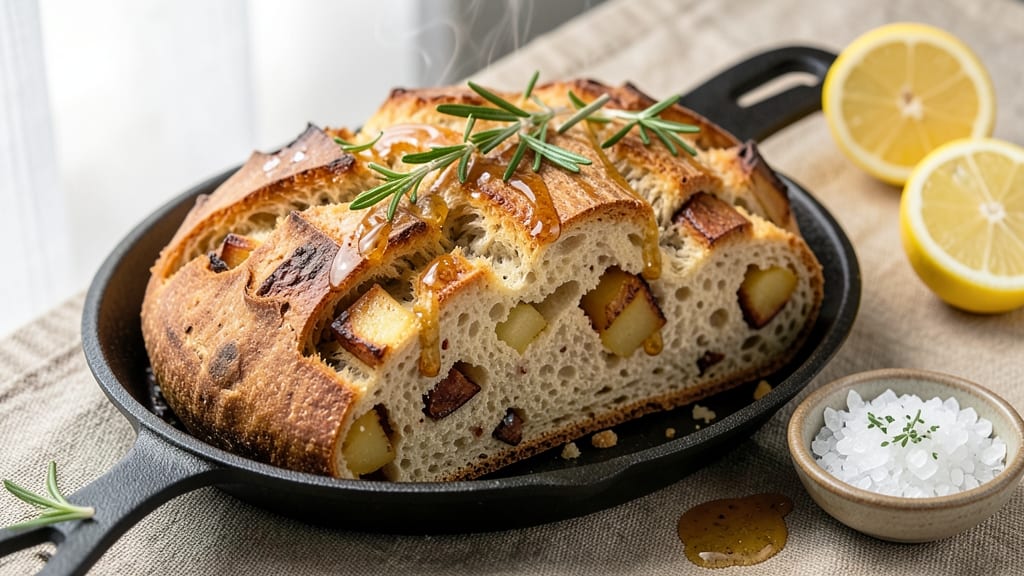
This artisan potato bread recipe delivers the perfect balance of a fluffy crust and buttery, pull-apart softness that makes every slice irresistible. 💛 The secret lies in the combination of high-quality flour, mashed potatoes, and a precise yeast activation process that creates that signature rustic texture.
I've perfected this technique over years of baking, and it never fails to impress—whether you're serving it with soup or enjoying it fresh from the oven.
The dough starts with a simple mix of flour, water, and yeast, but the addition of mashed potatoes transforms it into something extraordinary. These potatoes not only add moisture and tenderness but also create that signature open crumb structure that makes each bite feel like a cloud.
The kneading process is straightforward, and the dough requires just the right amount of time to proof, ensuring a light and airy texture without compromising that crispy crust.
When it comes time to bake, the real magic happens. A hot oven and a steam bath create the ideal conditions for a golden-brown crust that's both shatteringly crisp and perfectly tender underneath.
Scoring the loaf before baking not only adds to the rustic appeal but also helps direct the oven spring, giving you that beautiful, even rise. The result is a loaf that's visually stunning and utterly delicious, with a flavor that's rich, buttery, and just slightly sweet from the potatoes.
This recipe is designed to be both approachable and impressive, making it perfect for beginners and seasoned bakers alike. Once you try it, you'll never go back to store-bought bread again. Let's get started on creating your own perfect loaf!
Ingredients for artisan potato bread
High-quality flour and creamy mashed potatoes create this bread's signature fluffy crust and pull-apart softness.
| Ingredient | Amount | Notes |
|---|---|---|
| All-Purpose Flour 🌾 | 4 cups | High-quality, bread flour preferred |
| Russet Potatoes 🥔 | 1 ½ lb | Peeled and mashed smooth |
| Active Dry Yeast 🍞 | ¼ oz | Or 2.25 tsp, fresh preferred |
| Granulated Sugar 🍚 | 1 tbsp | For yeast activation |
| Unsalted Butter 🧈 | ½ cup | Cold, cubed for dough |
| Warm Water 💧 | 1 ¼ cups | 110°F for yeast activation |
| Salt 🧂 | 1 ½ tsp | Diamond Crystal preferred |
| Milk 🥛 | ¼ cup | Warm, for butter enrichment |
| Large Egg 🥚 | 1 whole | Room temperature |
| Cornmeal 🌽 | ½ cup | For dusting work surface |
| Coarse Sea Salt 🧂 | ¼ tsp | For sprinkling crust |
| Olive Oil 🫒 | 1 tbsp | For greasing bowl |
The potatoes are non-negotiable here. Russet potatoes give the best texture—Yukon Golds work too but won't be as fluffy. Whole Foods or Trader Joe's carry the best organic russets. For the flour, King Arthur or Caputo bread flour make all the difference—they absorb moisture better than all-purpose. The yeast needs to be fresh, so check the date on the package. If it's been sitting in your pantry for months, toss it and buy new. I always keep a small container of yeast in the freezer for those last-minute baking emergencies.
No butter? Vegan butter or coconut oil works in a pinch, but trust me on the full-fat version. The milk can be any kind—dairy, almond, or oat—but warm it up first. For the egg, if you're vegan, flax egg works perfectly. The cornmeal is just for dusting, but if you're out, semolina or all-purpose flour will do. Pro tip: measure your flour by weight if you can—King Arthur's scale is a game-changer. And if your dough feels too sticky, add a little more flour, but don't overdo it or you'll lose that signature softness.
This dough needs time to proof, so plan ahead. Store it in the fridge for up to 24 hours if you need to. The mashed potatoes can be made a day ahead and kept in the fridge. For the crust, coarse sea salt is key—it melts into the crust as it bakes. If you don't have any, fine salt will work but won't give that same crunchy texture. The bread keeps well for 3-4 days at room temperature, but it's best enjoyed fresh. Freeze slices for up to 3 months—just toast straight from frozen for that same amazing texture.
Why You'll Love This Recipe
- No Yeast Hassle: I’ll be real—this dough rises in one rise, not two. Toss in the yeast with warm potato water, let it sit while you peel those spuds, and boom. No waiting around for second proofing like some fussy sourdough.
- Buttery Potato Magic: That crispy, crackly crust? Pure butter and mashed Russets working together. The inside stays soft, almost like a cross between cornbread and a dinner roll—just with that unmistakable potato sweetness that makes it hard to eat just one slice.
- Weeknight & Holiday Win: Serve it warm with soup when you’re too tired to plan dinner. Or pull it out for Thanksgiving—it’s hearty enough to stand next to the turkey but simple enough you won’t stress over prep. (Yes, even on a Tuesday night.)
- Budget-Friendly Staples: Flour, potatoes, butter—these are the ingredients you already own. No specialty flours or pricey add-ins. And leftovers? Toast them the next day for a breakfast that’ll make you feel like you’re eating at a café.
Step-by-step instructions for artisan potato bread
This bread delivers that perfect balance of fluffy interior and crispy crust—every bite is buttery and pull-apart tender.
👨🍳 Step 1: Make the Potato Purée Base
Peel the 1.5 lb russet potatoes and cut them into even chunks. Boil in salted water for 15 minutes until fork-tender. Drain thoroughly, then mash until completely smooth—no lumps! I like to press the potatoes through a fine-mesh sieve for extra silkiness. Let the purée cool to room temperature before using.
This step is non-negotiable. Cold purée prevents yeast from activating too quickly, giving you proper rise time. If you skip cooling, your dough will rise unevenly and collapse later. Spread the purée on a plate and refrigerate for 30 minutes if needed to speed up cooling.
🍳 Step 2: Activate the Yeast and Mix Wet Ingredients
In a small bowl, whisk together the 1.25 cups warm water (about 110°F), 1 tbsp granulated sugar, and 0.25 oz active dry yeast. Let it sit for 5-10 minutes until frothy—this confirms your yeast is alive and ready to work. If it doesn't bubble, start over with fresh yeast.
In a large mixing bowl, combine the potato purée, yeast mixture, 0.25 cup warm milk, and 1 whole large egg. Add the 0.5 cup cold unsalted butter, cut into small cubes, and mix until fully incorporated. The butter should melt slightly but still hold shape—this creates those signature flaky layers later. The dough will look shaggy at this stage, and that's perfect.
🥘 Step 3: Combine Dry Ingredients and Knead
In a separate bowl, whisk together the 4 cups all-purpose flour and 1.5 tsp salt. Gradually add this to your wet mixture while mixing with a wooden spoon. Once combined, turn onto a lightly cornmeal-dusted surface and knead for 8-10 minutes until smooth and elastic.
Here's the thing—potato bread dough is stickier than regular bread dough. Don't panic if it resists at first. Work it gently but firmly until it springs back when poked. If it's too sticky, wet your hands slightly to prevent sticking. Once kneaded, place the dough in a lightly olive oil-greased bowl, cover with a damp towel, and let rise in a warm place for 1-2 hours or until doubled in size.
🔥 Step 4: Shape and Proof for Maximum Flavor
Punch down the risen dough and divide it into 4 equal portions. Shape each into a round loaf by pulling the edges toward the center and sealing the seam. Place them on a cornmeal-dusted baking sheet, cover again, and let proof for another 30-45 minutes until puffy.
Preheat your oven to 375°F with a baking stone or inverted baking sheet inside. Brush the tops of the loaves with a little warm milk and sprinkle generously with 0.25 tsp coarse sea salt. This creates that beautiful crust we're after. Bake for 25-30 minutes until golden brown and hollow-sounding when tapped on the bottom.
⏰ Step 5: Rest and Serve for Perfect Texture
Remove the bread from the oven and let it cool on a wire rack for 10 minutes. This resting period is crucial—it allows the steam inside to redistribute, keeping the interior moist and fluffy. The crust will firm up slightly as it cools, but it'll still be tender enough to pull apart with your hands.
Slice into thick pieces and serve warm. The interior should be soft and slightly crumbly, while the crust remains crispy. These loaves are best enjoyed fresh—leftovers can be reheated in a 350°F oven for 5-10 minutes to restore that pull-apart texture. Store wrapped at room temperature for up to 3 days or freeze for longer storage.
Pro Tips For Making Artisan Potato Bread
- Boil Potatoes Until Fork-Tender: I learned this the hard way—overcooked potatoes turn your dough into mush, while undercooked ones leave gritty bits. Cut them into even ½-inch cubes and boil until you can pierce them with a fork but still feel slight resistance (about 10-12 minutes). Drain and shock in ice water immediately to stop cooking—this keeps their texture perfect for blending.
- Use Cold Butter for Dough: Don’t let that unsalted butter get soft before mixing. Cut it into small cubes and refrigerate while you prep the rest. Cold butter creates flaky layers in the bread—yes, even in potato bread—and prevents the dough from becoming too sticky too soon. Just mix it in quickly when combining ingredients.
- Let the Dough Rise Twice: Skipping the second rise is how you end up with dense, flat bread. After the first rise (when it doubles), punch it down and let it rise again—this time in a greased bowl with the smooth side of the dough facing up. A full 1.5–2 hours at room temp gives the gluten time to relax and the flavor to develop. (Your future self will notice the difference.)
- Preheat Pan and Butter It Hot: This isn’t the prettiest method, but it’s the tastiest. Preheat your Dutch oven or baking dish until it’s scalding, then wipe it with a paper towel and add 2 tablespoons of melted butter, swirling to coat. The high heat helps create a deep, golden crust right away—no waiting for steam to do all the work. Just don’t rush it; let the butter get hot first.
Perfect pairings for this artisan potato bread
Buttery Spreads
Nothing complements this potato bread like a generous spread of cultured butter or whipped butter mixed with a pinch of salt and fresh herbs. I love using Plugrá European-style butter—its high fat content melts beautifully into the bread's soft interior.
For a sweet twist, try honey butter by mixing 2 tbsp softened butter with 1 tbsp local honey and a pinch of cinnamon. This pairing is especially perfect with warm slices straight from the oven. 🧈
Soup Pairings
This bread is a game-changer with creamy soups like potato leek or roasted tomato. The bread's pull-apart texture soaks up every last drop of broth while its crust adds satisfying crunch.
I often serve it with homemade chicken noodle soup—the bread becomes a vessel for both the soup and any leftover broth. For a vegetarian option, a white bean and rosemary soup creates an elegant match with the bread's buttery richness. 🥘
Cheese Boards
Create a stunning cheese board by pairing this bread with aged cheddar, brie, and goat cheese. The bread's soft interior contrasts beautifully with the sharpness of aged cheeses while complementing the creaminess of soft varieties.
Add cured meats like prosciutto or salami, and don't forget dried fruits like figs or apricots for a touch of sweetness. A drizzle of balsamic glaze ties everything together perfectly. 🧀
Breakfast Pairings
Transform your morning routine by serving this bread with scrambled eggs and crispy bacon. The bread's buttery richness balances the saltiness of bacon beautifully.
For a vegetarian option, try avocado toast—mash ½ ripe avocado on warm bread slices, sprinkle with flaky sea salt, black pepper, and red pepper flakes. Top with a poached egg for an elevated breakfast experience. ☕
Dinner Sides
This bread makes an excellent side for roasted meats like herb-crusted pork tenderloin or garlic butter steak. The bread's softness helps cut through rich, fatty meats while its crust adds a satisfying textural contrast.
For vegetarian dinners, pair it with mushroom risotto or stuffed bell peppers. The bread's versatility makes it a perfect addition to any dinner table. 🍖
Sweet Toppings
Don't forget about dessert! Spread warm slices with Nutella, peanut butter, or jam for a quick treat. For something more sophisticated, try mascarpone cream mixed with vanilla extract and a sprinkle of toasted nuts.
The bread's buttery flavor pairs exceptionally well with dark chocolate—simply melt a few squares and drizzle over warm slices. This makes for an impressive yet effortless dessert option. 🍫
Nutrition facts
Frequently asked questions
Why does this potato bread need to cool before slicing?
Cooling for 10 minutes after baking lets the steam redistribute inside, locking in moisture and preventing a gummy texture. The crust also firms up slightly, making it easier to slice cleanly without crumbling. Skipping this step often results in a dense, sticky interior.
Can I substitute all-purpose flour for bread flour?
Yes, but expect a slightly denser crumb. Bread flour's higher protein content creates more gluten for that signature open crumb structure. For best results, use King Arthur or Caputo bread flour—they absorb moisture better and yield a lighter loaf. If you must use all-purpose, add 1 tsp vital wheat gluten per cup of flour.
What if my dough doesn't rise properly?
Check your yeast first—it must be fresh and activated in 110°F water for 5-10 minutes. If the dough is too cold, place it in a warm oven (turned off) with a bowl of hot water nearby. For sticky dough, don't add extra flour—wet your hands instead. If it still fails, your environment may be too cold; try a proofing box or warm kitchen.
How do I store leftovers without drying them out?
Wrap cooled slices tightly in plastic wrap or aluminum foil, then place in an airtight container. Store at room temperature for 3 days or freeze for up to 3 months. To revive, reheat frozen slices in a 350°F oven for 5-10 minutes until warm. Never refrigerate—it turns bread stale faster.
Can I make this bread without butter?
Yes, but texture will change. Replace butter with ½ cup coconut oil (solid) or vegan butter for richness. For a lighter option, use ½ cup Greek yogurt or sour cream—both add moisture and tenderness. The crust may lack crispness, but the interior will remain soft.