
Breakfast & Brunch
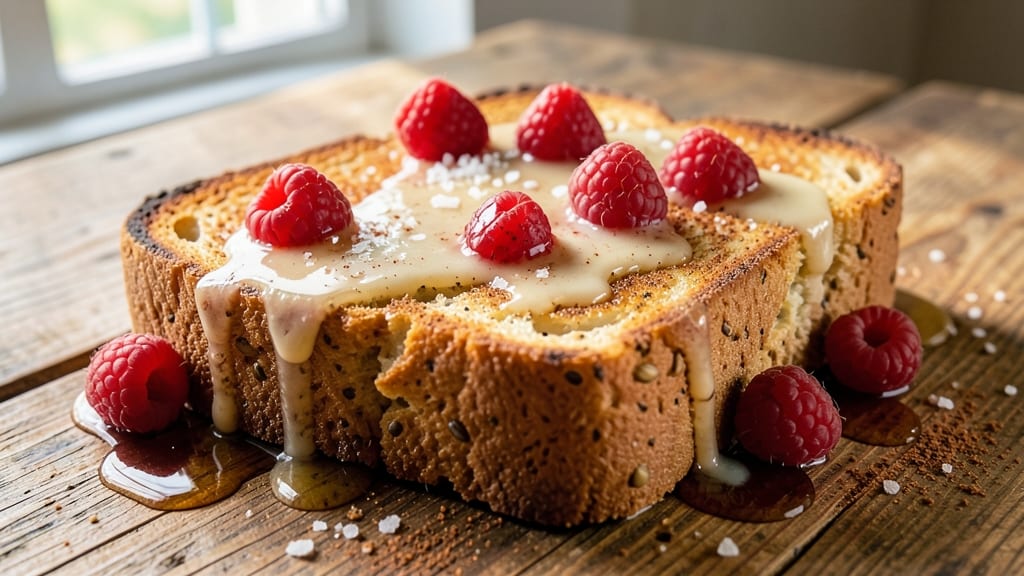
This artisan bread French toast recipe transforms stale loaves into golden, crispy-edged perfection with a vanilla-infused custard heart. The secret lies in using thick-cut artisan bread—whether homemade or high-quality bakery loaves—and a carefully balanced egg mixture that soaks in just enough to create that ideal crusty-crumb contrast.
What makes this different from standard French toast is the slow, gentle frying technique that ensures even cooking without soggy centers.
The process starts with a rich custard made from eggs, cream, vanilla, and a touch of cinnamon, which infuses the bread with warmth while keeping it tender inside.
You’ll fry each slice over medium-low heat until golden brown on both sides, then finish with a dusting of powdered sugar or a drizzle of maple syrup for that classic touch. The result?
A dish that’s restaurant-quality but achievable at home, with every bite offering a satisfying crunch followed by a velvety custard center.
Perfect for weekend breakfasts or brunch gatherings, this recipe scales effortlessly—whether you’re serving a crowd or treating yourself to a decadent morning indulgence.
The key to success is patience: letting the bread soak just long enough to absorb the custard without falling apart, and frying it at the right temperature to achieve that crispy exterior without burning. Once mastered, this becomes your go-to recipe for turning simple ingredients into something extraordinary.
For added flair, consider topping with fresh berries, a dollop of whipped cream, or a sprinkle of flaky sea salt to balance the sweetness. The possibilities are endless, but the foundation—artisan bread, vanilla custard, and perfect frying—is what truly elevates this dish.
Let’s get started on creating your best French toast yet.
Ingredients for artisan bread french toast
Thick-cut artisan bread, rich custard, and golden frying—here’s how to make restaurant-quality French toast at home.
| Ingredient | Amount | Notes |
|---|---|---|
| Artisan Bread Loaf 🍞 | 1 whole | Stale or day-old, thick-cut slices |
| Large Eggs 🥚 | 4 whole | Room temperature for even cooking |
| Heavy Whipping Cream 🥛 | ½ cup | Full-fat for richness (trust me on this) |
| Pure Vanilla Extract 🌿 | 1 tbsp | High-quality, real vanilla preferred |
| Ground Cinnamon 🌶️ | ½ tsp | Freshly ground for warmth |
| Granulated Sugar 🍚 | 2 tbsp | For custard sweetness |
| Unsalted Butter 🧈 | 2 tbsp | For frying, melted |
| Powdered Sugar 🍚 | ¼ cup | For dusting (or maple syrup) |
| Salt 🧂 | ¼ tsp | Fine sea salt preferred |
| Fresh Berries 🍓 | ½ cup | Optional topping (strawberries work best) |
| Flaky Sea Salt 🧂 | 1 tbsp | For finishing (optional) |
The bread is everything. Skip the flimsy white loaves—look for dense, crusty artisan bread from a bakery or your local grocery’s bakery section. Sourdough or whole grain work beautifully, but anything with a good crumb structure does the trick. If you’re using a loaf that’s been sitting around, even better—it soaks up the custard like a dream. Pro tip: cut slices about 1/2-inch thick for that perfect crunch-to-soft ratio. And if you’re short on time, toasting stale bread lightly before soaking helps it hold up better.
No vanilla extract? Imitation vanilla or even a splash of bourbon adds depth. Running low on heavy cream? Half-and-half or even whole milk works in a pinch, though the texture won’t be quite as luxurious. For the cinnamon, Ceylon cinnamon is the gold standard, but regular ground works fine. The sugar is flexible—brown sugar adds moisture if you’re worried about dryness. And if powdered sugar isn’t your thing, maple syrup or honey drizzled on warm toast is just as delicious. The butter? Microwave it 40 seconds to just melt it—no splattering when you add it to the pan.
This custard keeps for 2 days in the fridge, but the bread’s best used fresh. If you’re prepping ahead, soak the bread in the custard mixture (without frying) and store it in the fridge—just fry when ready. Leftover French toast? Wrap in foil and reheat in a 350°F oven for 5 minutes. And if you’re serving a crowd, double the custard and fry in batches—don’t overcrowd the pan, or you’ll steam the bread instead of crisp it up.
Why You'll Love This Recipe
- No Stale Ingredients Needed: I raid the pantry for this one—day-old artisan bread gets a second life. No shopping trips, no wasted crusts, just pure resourcefulness with what’s already there.
- Crispy-Creamy Magic: That first bite? Golden crust gives way to custardy warmth, all thanks to the egg-cream vanilla soak. The cinnamon? Just enough to make it feel special without overpowering.
- Weeknight to Brunch Hero: Lazy Sunday mornings or 7 AM scramble? Same recipe. Double the batch, reheat slices in the toaster—no one’s complaining when it’s this good.
- Budget Breakfast Luxury: Heavy cream and vanilla might sound fancy, but they stretch further than you’d think. A single loaf of bread and a few eggs turn into a dish that feels like a splurge without the price tag.
Step-by-step instructions for artisan bread French toast
Here's how to transform stale artisan bread into golden, custardy perfection with that signature vanilla crunch.
Prepare the Vanilla Custard Mixture
In a shallow dish, whisk together the 4 whole Large Eggs, 0.5 cup Heavy Whipping Cream, 2 tbsp Granulated Sugar, 0.5 tsp Ground Cinnamon, and 0.25 tsp Salt until completely smooth. The mixture should be pale yellow and fully combined—no egg streaks. Add the 1 tbsp Pure Vanilla Extract and stir gently to infuse that rich vanilla flavor throughout.
This custard is what creates that signature custardy center while keeping the exterior crispy. I like to let the mixture sit at room temperature for 5 minutes while I prepare the bread—this ensures even cooking and prevents any potential curdling from cold eggs.
Cut and Soak the Artisan Bread
Slice the 1 whole Artisan Bread Loaf into ½-inch thick slices—thick enough to hold up during frying but thin enough to cook through quickly. Place the slices in the custard mixture, turning to coat both sides completely. Let them soak for 30-60 seconds—just enough time to absorb the custard but not so long they fall apart.
Here's the thing—artisan bread has a tighter crumb than regular bread, so it needs that extra soak time to really absorb the custard. I press down gently on the slices during the first minute to help them absorb more evenly. Don't skip this step—it's what gives you that perfect balance of crispy exterior and custardy interior.
Fry to Golden Perfection
Melt 2 tbsp Unsalted Butter in a large skillet over medium heat until it's foaming but not smoking. Working in batches to avoid crowding, add the bread slices and cook for 2-3 minutes per side until they're deep golden brown with crispy edges. You'll know they're ready when you see that beautiful caramelization along the edges and hear a satisfying sizzle.
Don't walk away during this step—artisan bread can burn quickly if left unattended. I like to keep the heat at medium rather than high to ensure even cooking through the thick slices. If the butter starts to smoke too much, reduce the heat slightly and let it recover before continuing.
Dust and Finish with Berries
Transfer the fried toast to a wire rack and immediately dust both sides with 0.25 cup Powdered Sugar using a fine-mesh sieve. This creates that signature powdered sugar coating that melts slightly as you eat, adding sweetness without overpowering the vanilla flavor. While still warm, top with 0.5 cup Fresh Berries for a fresh, fruity contrast.
For that final touch, sprinkle with 1 tbsp Flaky Sea Salt just before serving. The salt enhances all the flavors—it cuts through the sweetness, makes the vanilla sing, and adds a sophisticated finish. Serve immediately while the interior is still warm and custardy—this dish doesn't wait!
Optional Maple Syrup Glaze
For an extra special touch, warm 2 tablespoons maple syrup in a small saucepan until it's just hot enough to coat the back of a spoon. Drizzle this warm syrup over the finished toast just before serving. The heat from the toast will make the syrup bubble slightly, creating a beautiful glaze that adds another layer of sweetness and richness.
This step is completely optional but takes your French toast to the next level. The maple syrup adds a caramel-like depth that pairs perfectly with the vanilla custard and berries. If you choose to skip it, the powdered sugar and berries will still give you a delicious, restaurant-quality result.
Pro Tips For Making Artisan Bread French Toast
- USE STALE BREAD: Artisan bread dries out fast—pick a loaf that’s been sitting out overnight or at least 24 hours. Fresh bread soaks up too much custard and turns soggy instead of golden. (Yes, even if you’re tempted to use that crusty baguette straight from the bakery.)
- WHISK THE CUSTARD WELL: Don’t just crack eggs into cream and stir. Whisk the eggs and vanilla until fully combined, then slowly fold in the cream to avoid lumps. I learned this the hard way—lumpy custard means lumpy toast, and nobody wants that.
- COOK LOW AND SLOW: Crank the heat to medium-low, not high. Artisan bread crusts burn before the inside gets custardy, and you’ll end up with a sad, uneven mess. A steady 3-4 minutes per side gives you that perfect caramelized exterior without charring.
- SALT THE CREAM: Skip the salt in the custard? Big mistake. Heavy cream needs a pinch (½ tsp) to balance the sweetness and enhance the vanilla. Trust me, your taste buds will notice the difference—it’s not just about flavor, it’s about depth.
Wine and beer pairings for this dish
White Wine Pairings
For this rich, vanilla-infused French toast, I recommend a crisp Sauvignon Blanc from New Zealand or Loire Valley. The bright acidity and citrus notes—think grapefruit and green apple—cut through the custard's richness while complementing the vanilla's floral undertones.
A Chardonnay with minimal oak, like one from Sonoma Coast, also works beautifully, especially if you prefer a creamier texture that mirrors the toast's custardy center. 🍷
Rosé Wine Options
If you prefer something lighter, a dry rosé from Provence or California offers a refreshing contrast. The subtle berry notes and crisp finish balance the sweetness of the powdered sugar and maple syrup.
Look for a rosé with zero added sugar—brands like Whispering Angel or Miraval are my go-tos. The pale hue and delicate flavors won’t overpower your dish but will elevate the overall experience.
Beer Pairings
A Belgian Witbier like Hoegaarden or Stella Artois is my top beer recommendation. The coriander and citrus notes in these beers create a perfect balance with the vanilla and cinnamon in the custard.
For a darker option, try a light lager such as Peroni or Heineken—their clean, crisp profiles won’t compete with the dish but will cleanse your palate between bites. 🍺
Coffee and Tea
If alcohol isn’t your thing, a strong black coffee with a splash of cream enhances the vanilla flavors without overpowering them. For a non-caffeinated option, Earl Grey tea—especially with a hint of bergamot—adds an aromatic complexity that pairs wonderfully with the cinnamon and berries.
Brew it lightly to avoid bitterness that could clash with the sweetness of the toast.
Seasonal Adaptations
In summer, swap the wine for a sparkling rosé or Prosecco—the bubbles add a festive touch to brunch gatherings. For fall and winter, a dry Riesling from Germany brings a touch of honeyed apple that complements the maple syrup glaze.
The key is to match the drink’s brightness to the dish’s sweetness, ensuring every bite and sip harmonize perfectly. ✨
Nutrition facts
Frequently asked questions
Can I use day-old artisan bread or does it need to be stale?
Day-old artisan bread works perfectly—it's actually ideal! The bread should be slightly firm but not completely hard. If it's too fresh, toast it lightly for 2-3 minutes before soaking to help it absorb the custard better without falling apart. The key is finding that balance where it holds its shape but still soaks up the custard beautifully.
Why is my French toast coming out soggy instead of crispy?
Soggy French toast usually means one of two things: either the bread soaked too long in the custard or the heat was too low during frying. For artisan bread, soak for just 30-60 seconds—press gently to help absorption. Fry over medium heat (not low) with enough butter to create a barrier between the bread and pan. If the butter smokes too much, reduce heat slightly but keep it hot enough to sizzle.
What's the best way to reheat leftover artisan bread French toast?
Wrap leftovers in foil and reheat in a 350°F oven for 5-7 minutes until warm through. For a crispier texture, place slices on a baking sheet and broil for 1-2 minutes—watch closely to avoid burning. Microwaving works in a pinch (30 seconds), but it'll lose that perfect crispy exterior. The oven method preserves the best texture while keeping the custard warm and gooey.
Can I make this recipe ahead of time?
Yes! Prepare the custard mixture up to 2 days ahead and store it in the fridge. For the bread, soak the slices in the custard (without frying) and refrigerate them in a single layer on a tray. When ready to cook, let the custard sit at room temperature for 10 minutes before frying. This method keeps the bread from getting too soggy before cooking.
What's the secret to getting perfectly golden brown toast?
The secret lies in three things: medium heat, enough butter, and patience. Use 2 tablespoons butter per batch and let it foam but not smoke. Fry for 2-3 minutes per side until edges are golden and crispy—don't rush it! The butter should be hot enough to sizzle when you add the bread, but not so hot it burns before the center cooks through.