
Side Dishes
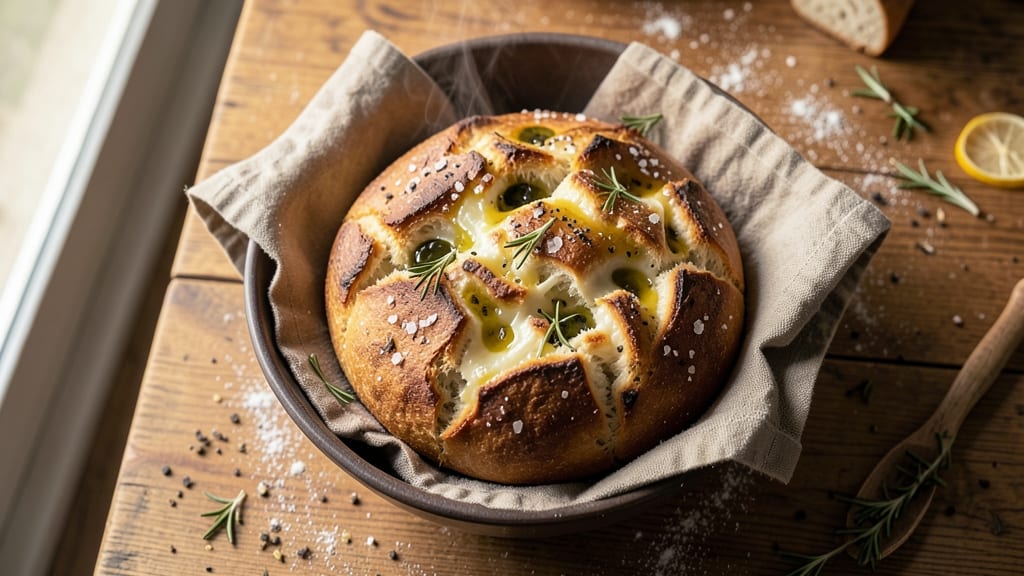
This artisan Asiago cheese bread delivers a golden crust and melted cheese rivers that make every bite unforgettable. The secret lies in a slow fermentation and precise dough technique that creates an airy, chewy texture with pockets of gooey Asiago—rich, nutty, and perfectly balanced.
I developed this recipe after years of perfecting the science behind artisan bread, ensuring the cheese melts just enough to stretch into those iconic rivers without losing its texture.
The dough begins with a foolproof mix of flour, yeast, and a touch of honey for subtle sweetness, then incorporates freshly grated Asiago cheese for depth. Kneading and shaping are critical—this isn’t your average pull-apart bread.
The dough rests twice, allowing gluten to relax and flavors to meld, while the cheese develops its signature melt. Baking at high heat creates that coveted crispy crust with tender, chewy layers beneath.
What sets this apart is the artisan technique: scoring the top before baking ensures even expansion, and a hearth-style finish (or broiler) caramelizes the crust to a deep golden brown. The result?
A loaf so impressive it’ll fool even the most discerning bread lovers. The Asiago cheese adds a nutty, slightly tangy flavor that pairs perfectly with soups, salads, or as a standalone side.
For an extra touch, sprinkle garlic powder or fresh herbs before baking—though the cheese alone makes this bread a standout. Ready in about 2 hours (including proofing), this recipe transforms a simple side into a restaurant-worthy centerpiece. Let’s get baking!
Ingredients for artisan asiago cheese bread
Twelve essential ingredients transform simple flour into restaurant-quality Asiago cheese bread with golden crust and melt-in-your-mouth rivers.
| Ingredient | Amount | Notes |
|---|---|---|
| All-Purpose Flour 🌾 | 5 cups | High-protein for chewy texture (12-14%) |
| Active Dry Yeast 🍞 | ¼ oz | Freshly activated in warm water |
| Granulated Sugar 🍚 | 1 tbsp | Feeds yeast for initial rise |
| Honey 🍯 | 2 tbsp | For subtle sweetness and moisture |
| Extra-Virgin Olive Oil 🫒 | ½ cup | Cold-pressed for authentic flavor |
| Warm Water 💧 | 1 ¼ cups | 110°F for yeast activation |
| Asiago Cheese 🧀 | 2 cups | Freshly grated, aged 8+ months |
| Diamond Crystal Kosher Salt 🧂 | 1 ½ tsp | Fine grain for even distribution |
| Garlic Powder 🧄 | 1 tsp | For subtle aromatic depth |
| Fresh Rosemary 🌿 | 1 tbsp | Finely chopped, organic preferred |
| Cornmeal 🌽 | ¼ cup | For dusting baking surface |
| Egg Wash 🥚 | 1 whole | Beaten with 1 tbsp water |
| Coarse Sea Salt 🧂 | ½ tsp | For final crust enhancement |
The Asiago cheese is non-negotiable—aged 8+ months for that perfect balance of nutty depth and subtle tang. Whole Foods or specialty cheese shops carry the best quality, but any reputable deli will have freshly grated blocks. Avoid pre-shredded; it contains anti-caking agents that prevent proper melting. For flour, King Arthur Unbleached or Bread Flour delivers the chewy texture, though all-purpose works in a pinch. The yeast must be freshly activated—sprinkle it in warm water with sugar, wait 5-10 minutes until foamy before incorporating into the dough. Rosemary adds an elegant touch, but fresh thyme or parsley work equally well if you prefer milder herbs.
No Asiago? Parmigiano-Reggiano or Gruyère create similar melt dynamics, though the flavor profile shifts slightly. Short on rosemary? Dried oregano at half the amount mimics the earthy notes. The honey can be swapped for maple syrup, though it adds a different floral character. For a gluten-free adaptation, King Arthur Gluten-Free Measure-for-Measure Flour works well, though texture will differ. The olive oil should be extra-virgin—cheaper varieties lack the fruity complexity that carries through the final product. Prefer a different fat? Melted butter adds richness, though it may slightly darken the crust.
This dough requires patience—2 hours total, including two proofing stages. Store shaped dough in an airtight container in the fridge for up to 24 hours before baking. The baked loaf keeps well at room temperature for 3 days, though it's best enjoyed fresh. For longer storage, wrap tightly in plastic and freeze for up to 3 months. Reheat slices in a 350°F oven for 5 minutes to restore crispiness. The cheese rivers are most dramatic when the bread is fresh, so plan to bake just before serving if possible—this isn't a recipe that improves with reheating.
Why You'll Love This Recipe
- No-Knead Magic: I swear by this dough—just mix, let it rise, and bake. The yeast does all the work while I sip coffee. Honestly, the only effort is folding in that gooey asiago, and even my kids can handle that part.
- Honey-Glazed Cheese Bliss: That drizzle of honey caramelizes into a sticky, golden crust while the asiago melts into rich, salty pockets. Between us, it’s the kind of bread that disappears faster than my willpower on a Sunday morning.
- Breakfast to Brunch: Slather it with jam for toast, tear it over salads for crunch, or serve warm slices with soup—it’s my go-to for lazy mornings or unexpected guests. (Yes, even on a Tuesday night.)
- Budget-Friendly Luxury: A single loaf costs less than takeout but feels like a fancy bakery treat. The olive oil keeps it moist, the sugar adds just enough sweetness, and the asiago stretches every dollar into pure, cheesy satisfaction.
Step-by-step instructions for artisan Asiago cheese bread
Master the perfect balance of chewy texture and melted cheese rivers with this precise method.
Activate the Yeast and Create the Dough
In a small bowl, combine the 1.25 cups warm water (around 110°F) with the 1 tbsp granulated sugar and 0.25 oz active dry yeast. Let it sit for 5-10 minutes until frothy—this confirms your yeast is alive and ready to work. If it doesn't foam, your yeast is inactive and needs replacing.
In a large mixing bowl, whisk together the 5 cups all-purpose flour, 1.5 tsp diamond crystal kosher salt, 1 tsp garlic powder, and 1 tbsp finely chopped fresh rosemary. Create a well in the center and pour in the yeast mixture along with the 0.5 cup extra-virgin olive oil and 2 tbsp honey. Using a wooden spoon, stir until a shaggy dough forms.
Knead Until Elastic and Smooth
Turn the dough onto a lightly floured surface and knead vigorously for 8-10 minutes until the dough becomes smooth, elastic, and springs back when pressed. This step develops gluten, which gives the bread its signature chewy texture. If the dough feels too sticky, add flour 1 tablespoon at a time—but don't overdo it, or you'll compromise the bread's tenderness.
Shape the dough into a round ball, place it back in the mixing bowl, and cover with a damp kitchen towel. Let it rise in a warm place for 1-2 hours, or until it has doubled in size. The dough should feel light and airy when pressed gently—this indicates proper fermentation.
Incorporate Cheese and Shape the Loaf
Once the dough has risen, punch it down gently to release air, then transfer it to a lightly floured surface. Divide the 2 cups freshly grated asiago cheese into two equal portions. Roll out one portion into a thin rectangle and place it on half of the dough. Fold the dough over the cheese, then repeat with the remaining cheese and dough to create a layered loaf.
Shape the dough into a rectangular loaf, tucking the ends under to seal. Place it seam-side down on a baking sheet dusted with 0.25 cup cornmeal. Cover with the damp towel again and let it rise for another 30-45 minutes until it puffs slightly. The cheese should be visible through the translucent dough, promising those signature melted rivers.
Bake to Golden Perfection
Preheat your oven to 375°F. In a small bowl, beat the 1 whole egg wash with 1 tbsp water and brush it generously over the risen dough. Sprinkle the 0.5 tsp coarse sea salt evenly over the top—this enhances the crust and balances the cheese's richness.
Bake for 25-30 minutes until the bread is deep golden brown and sounds hollow when tapped on the bottom. The cheese should be fully melted with bubbly rivers oozing out. If the top browns too quickly, tent the bread with foil for the last 10 minutes to prevent over-browning.
Rest and Serve Warm
Remove the bread from the oven and let it cool on a wire rack for 5-10 minutes before slicing. This resting period allows the internal structure to set, preventing a gummy texture. The bread is best served warm, with the cheese still slightly gooey inside.
Slice into thick pieces to showcase the melted cheese rivers and serve immediately. The crust should be crisp and aromatic, while the interior remains soft and chewy—a perfect balance of textures that makes this bread truly artisan-worthy.
Pro Tips For Making Artisan Asiago Cheese Bread
- Bloom the Yeast Warm: Ditch the microwave—use a bowl of warm (not hot) water with a pinch of honey to activate your yeast. The honey keeps it from dying if you’re running late (yes, it happens), and the yeast will foam in 5-10 minutes. If it doesn’t bubble after 15, toss it and start fresh—no sense baking with dead yeast.
- Knead Until Silky: This dough needs a solid 10 minutes of kneading by hand (or 5-6 minutes with a stand mixer) until it’s smooth and springs back when poked. I learned this the hard way—under-kneaded dough turns gummy, and overworked dough gets tough. Aim for the Goldilocks zone: just right.
- Fold in Cheese Cold: Pull your asiago from the fridge 10 minutes before mixing it into the dough. Cold cheese melts more evenly during baking, so you get pockets of gooey goodness instead of a sad, greasy mess. Trust me, your bread will thank you—no one likes a cheesy brick.
- Brush with Oil Twice: After the first rise, brush the shaped loaf with olive oil before adding cheese. Then, right before baking, give it another light coat. The first layer helps the cheese stick, and the second layer guarantees a crisp crust. Skip this, and you’ll end up with a dry, sad exterior.
Perfect pairings for this artisan asiago cheese bread
Wine Pairings
A crisp Italian Pinot Grigio from the Alto Adige region is my go-to pairing—its bright acidity and citrus notes cut through the richness of the Asiago cheese while complementing the rosemary's herbal depth.
Look for a bottle with 12-13% alcohol and minimal oak influence, like Santa Maddalena Pinot Grigio. The wine's clean finish ensures the bread's nutty cheese shines without competing. 🍷
Beer Complements
For beer lovers, a Belgian Witbier like Hoegaarden adds a refreshing contrast with its coriander and orange peel notes. The effervescence cleanses the palate between bites of cheesy bread, while the subtle sweetness balances the Asiago's tang.
Alternatively, a German Helles Lager offers a malty backbone that stands up to the bread's depth without overpowering it.
Cocktail Pairings
Sip on an Aperol Spritz for a festive touch—the bittersweet orange and herbal notes mirror the rosemary in the bread while the bubbles refresh your palate. For a non-alcoholic option, try a ginger-mint spritzer with sparkling water, fresh lime juice, and a dash of ginger syrup.
The zesty ginger enhances the cheese's nutty profile, making every bite feel like a celebration. ✨
Dipping Sauces
Serve with a warm garlic-herb oil—mix ¼ cup extra-virgin olive oil with 2 minced garlic cloves, 1 tbsp fresh parsley, and a pinch of red pepper flakes—for dipping. The oil soaks into the bread's crust, amplifying its flavor.
For a tangy twist, offer a whipped feta dip with Greek yogurt, crumbled feta, and a squeeze of lemon. Both options elevate the bread's natural richness.
Seasonal Sides
Pair this bread with a roasted butternut squash salad tossed with pecans, maple syrup, and crispy sage for autumn. In summer, a chilled cucumber-dill soup with crème fraîche provides a cool contrast.
The bread's chewy texture and melted cheese make it versatile enough to complement both hearty and light dishes, ensuring it works year-round. 🌿
Breakfast Boost
Transform this bread into a breakfast star by serving it with scrambled eggs and crispy bacon for a hearty morning meal. The Asiago's nutty flavor adds depth to the eggs, while the bread's crust provides satisfying texture.
For a vegetarian option, top with avocado slices and a sprinkle of flaky sea salt—the creamy avocado balances the bread's richness perfectly. 🍳
Nutrition facts
Frequently asked questions
Can I substitute Asiago cheese with another variety?
While Asiago provides that signature nutty depth, Parmigiano-Reggiano or Gruyère work beautifully. For a sharper flavor, try aged cheddar—just reduce the amount by 10% since it melts differently. Avoid pre-shredded cheese; it contains anti-caking agents that prevent proper melting and create grainy texture. Freshly grated always delivers the best results.
Why does my dough feel too sticky?
Sticky dough usually means one of two things: either your kitchen isn't warm enough for proper fermentation, or you need slightly more flour. For the first rise, aim for a 75°F environment—place your mixing bowl near a warm oven with the light on. If the dough still sticks, add flour 1 tablespoon at a time during kneading, but don't overdo it or the bread will become dense. A lightly floured surface helps too.
How do I fix if the cheese doesn't melt properly?
Under-melted cheese often means the oven wasn't hot enough or the dough wasn't proofed long enough. Preheat your oven to 375°F for at least 15 minutes before baking, and ensure the dough has fully doubled in size during both rises. For extra melt, brush the loaf with 1 tablespoon milk before baking—it creates steam that helps the cheese stretch. If the cheese is still solid after baking, try broiling for 1-2 minutes at the end.
Can I make this bread without yeast?
This recipe relies on yeast for its signature chewy texture and rise, but you could adapt it into a quick flatbread. Replace the yeast with 1.5 tsp baking powder and reduce the honey to 1 tbsp. Skip the first rise and bake immediately at 400°F for 15-18 minutes. The result will be denser and less airy, but still delicious with melted cheese. For best results, stick with the yeast method for that authentic artisan texture.
How long can I keep the dough before baking?
You can refrigerate the shaped dough (after the second rise) in an airtight container for up to 24 hours. Let it sit at room temperature for 30-60 minutes before baking to help it rise properly. For longer storage, freeze the shaped dough (unbaked) for up to 1 month. Thaw overnight in the fridge before baking, adding 5-10 minutes to the baking time. The cheese may melt slightly faster after freezing, so keep an eye on it.