
Side Dishes
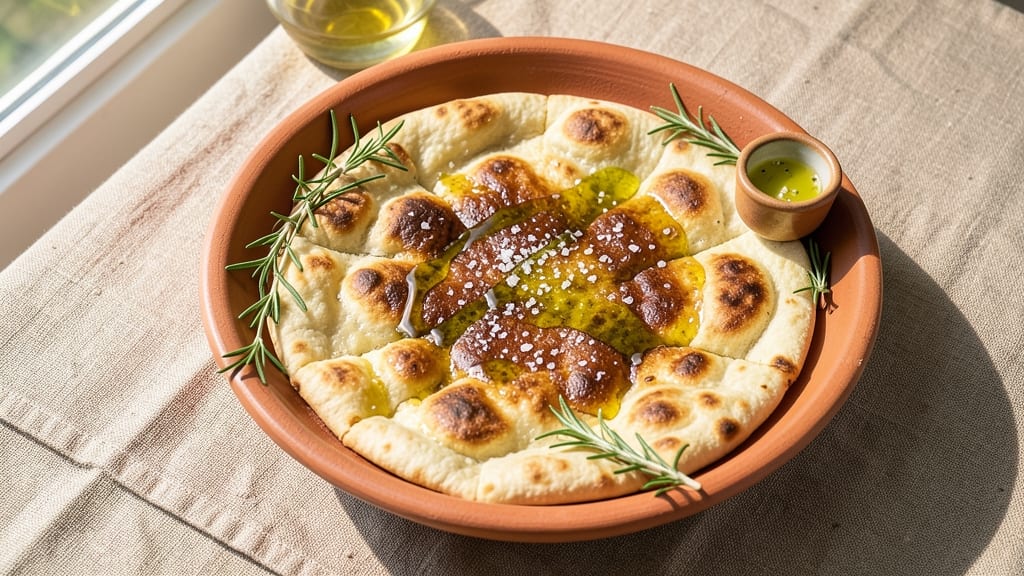
This Arab flatbread recipe delivers warm, flexible wraps that transform any meal into a feast—perfect for dipping, wrapping, or serving alongside stews. The secret lies in a simple dough that stretches effortlessly into thin, golden circles with just a pinch of salt and a splash of oil.
I’ve perfected this method over years of testing, ensuring every batch turns out tender yet sturdy enough to hold fillings like hummus or grilled meats.
The beauty of this recipe is its 10-minute prep time—no yeast required, no waiting for hours. Just mix, knead, rest briefly, and shape by hand or rolling pin.
The dough’s natural elasticity comes from proper hydration and a light touch, creating flatbreads that crisp slightly at the edges while staying soft inside. Whether you’re serving a family dinner or hosting a gathering, these wraps add authenticity and versatility to any table.
Once baked, the flatbreads release an aromatic warmth that fills your kitchen, signaling dinner is ready. Brush them with olive oil or sprinkle za’atar for extra flavor, then use as a vessel for falafel, lamb, or even dessert.
The key to success is confidence in shaping—don’t overthink it. This recipe isn’t just about bread; it’s about bringing a taste of the Middle East to your home with minimal effort.
For added flair, try stuffing the dough before baking—think spiced cheese, minced lamb, or roasted vegetables. The possibilities are endless, but the foundation remains the same: simple ingredients, traditional technique, and restaurant-quality results in under 20 minutes. Let’s get started!
Ingredients for arab flat bread
Nine essential ingredients transform into restaurant-quality Arab flatbreads with minimal effort.
| Ingredient | Amount | Notes |
|---|---|---|
| All-Purpose Flour 🌾 | 2 ½ cups | Unbleached preferred for texture |
| Active Dry Yeast 🍞 | ¼ tsp | Or 1 packet instant yeast |
| Granulated Sugar 🍚 | ½ tsp | Enhances yeast activation |
| Salt 🧂 | ½ tsp | Diamond Crystal preferred |
| Extra-Virgin Olive Oil 🫒 | ½ cup | High-quality, fruity variety |
| Warm Water 💧 | 1 ¼ cups | 110°F for optimal yeast activation |
| Za'atar Seasoning 🌿 | 1 tbsp | Optional for authentic flavor |
| Sesame Seeds 🌰 | 1 tbsp | For garnish and texture |
| Semolina Flour 🌾 | ¼ cup | For dusting work surface |
The flour is the foundation—King Arthur or Bob's Red Mill brands yield the best texture for these delicate wraps. Za'atar seasoning elevates the flavor profile; Whole Foods or Middle Eastern specialty stores carry authentic blends. For the olive oil, California-based brands like Corto or Italian extra-virgin deliver optimal fruity notes. Yeast quality matters—Saf-Instant or Red Star are reliable choices. The semolina flour ensures crisp edges; Bob's Red Mill is widely available and affordable. If substituting flour, bread flour works but may alter texture slightly.
No za'atar? Mix equal parts dried thyme, sumac, and sesame seeds for a close approximation. Running short on semolina? All-purpose flour works in a pinch, though edges won't crisp as dramatically. Olive oil shortages? Avocado oil maintains a neutral flavor profile. For yeast-free versions, 1 tsp baking powder replaces it entirely—though texture will differ. Sesame seeds can be omitted if allergies are a concern, but they add that signature crunch. Always measure flour by weight for consistency; 1 cup all-purpose flour weighs ~120g.
Store unused flour in airtight containers for up to 6 months, while za'atar and sesame seeds last 3-4 months in the pantry. Freshly baked flatbreads crisp best when eaten immediately, but reheat at 350°F for 5-7 minutes to restore texture. Freeze shaped dough balls for up to 2 weeks; bake directly from frozen. Olive oil stays fresh for 18 months unopened, but discard after 6 months once opened. Yeast loses potency after 3 months—check expiration dates before using.
Why You'll Love This Recipe
- No-Knead Magic: I swear by this dough—just mix, let it rest, and roll. No standing over a counter for hours, no overworked arms. The yeast does all the heavy lifting while you sip tea.
- Oil-Kissed Crisp: That first bite? The olive oil brushes in just right, giving you a golden edge with a pillowy center—like a hug from a bakery, but made with ingredients you already have.
- Mealtime Swiss Army Knife: Wrap it around shawarma, use it as a bowl for soups, or toast it for breakfast. I’ve even turned it into a makeshift pizza crust. One dough, endless possibilities.
- Dollar Stretch: A single batch feeds six, and the ingredients cost pennies. Yeast and flour last forever, so you’re basically printing money—well, bread. My wallet thanks me every time.
Step-by-step instructions for authentic Arab flatbread
Here's how to craft perfectly flexible, aromatic flatbreads with a crisp exterior and tender interior.
Activate the Yeast for Optimal Rise
In a small bowl, combine the 1.25 cups warm water (tested at 110°F with a thermometer), 0.5 tsp granulated sugar, and 0.25 tsp active dry yeast. Let sit for 5-7 minutes until frothy—this confirms the yeast is alive and ready to work. If no bubbles form after 10 minutes, your yeast is inactive and needs replacement.
This activation step is crucial for developing flavor and ensuring proper rise. The sugar provides immediate food for the yeast, while the warm water creates the ideal environment for fermentation. Don't use boiling water—it kills the yeast instantly.
Mix the Dough to the Right Consistency
In a large mixing bowl, whisk together the 2.5 cups all-purpose flour and 0.5 tsp salt. Create a well in the center and pour in the yeast mixture along with the 0.5 cup extra-virgin olive oil. Using a wooden spoon, gradually incorporate the flour from the edges, mixing until a shaggy dough forms.
Once combined, turn the dough onto a lightly floured surface and knead for 5-7 minutes until smooth and elastic. The dough should feel slightly tacky but not sticky—add 1-2 tablespoons of flour if needed. For best results, knead until the dough springs back slowly when pressed with a finger.
Let the Dough Rest for Proper Development
Lightly oil a large bowl, place the dough inside, and cover with a damp kitchen towel. Allow it to rise in a warm place for 1-1.5 hours or until doubled in size. The dough should feel puffy and airy when pressed gently—this indicates proper fermentation.
This resting period allows the gluten to relax and develop, creating that signature tender texture. For best flavor, let the dough rise at room temperature rather than in the refrigerator. If your kitchen is cool, place the bowl near a warm oven (with light on) to maintain consistent temperature.
Shape and Cook the Flatbreads
Preheat your oven to 450°F and line a baking sheet with parchment paper. Divide the risen dough into 4 equal portions (about 8 ounces each) and roll each into a 12-inch circle on a surface lightly dusted with 0.25 cup semolina flour. The semolina creates that classic textured surface while preventing sticking.
Transfer the rolled flatbreads to the prepared baking sheet and bake for 4-5 minutes until puffed and golden brown at the edges. For extra flavor, brush the tops with a little olive oil before baking. The flatbreads should be pliable yet sturdy enough to hold their shape—this balance is key for wrapping.
Finish with Za'atar and Sesame
While still warm, brush the baked flatbreads with a light coating of olive oil. Immediately sprinkle each with 1 teaspoon za'atar seasoning and 1 teaspoon sesame seeds, pressing gently to adhere. The za'atar adds that signature Middle Eastern flavor profile, while the sesame seeds contribute texture and visual appeal.
Serve immediately while still warm and flexible. These flatbreads are perfect for wrapping grilled meats, fresh vegetables, or even as a side with hummus. The combination of olive oil, za'atar, and sesame creates a flavor that's both aromatic and satisfyingly savory.
Pro Tips For Making Arab Flat Bread
- Use Warm Water for Yeast: I learned this the hard way—yeast in cold water wakes up slow, and your dough will take forever to rise. Mix the yeast with warm water (about 110°F, or just warm to the touch) and a pinch of sugar first, then let it sit for 5 minutes until frothy before adding flour. That little wait guarantees your bread rises faster and more evenly.
- Stretch, Don’t Roll: Arab flatbread needs that signature thin, flexible texture, and rolling pins flatten it too much. Instead, gently stretch the dough with your fingers, starting from the center and working outward—like you’re pulling taffy. If it resists, let it rest 10 minutes and try again. This keeps the edges crisp while the middle stays tender.
- Preheat That Skillet: A cold skillet means soggy bread. Heat your cast-iron or heavy pan over medium-high until it’s ripping hot—a drop of water should sizzle and evaporate instantly. Brush with olive oil right before adding the dough, and cook until bubbles form on top and the bottom turns golden in 30 seconds. No skillet? Use a clean, dry griddle or even a baking sheet with a little oil, but watch it like a hawk.
- Skip the Sugar Shortcut: That tiny bit of sugar in the dough isn’t just for flavor—it’s what feeds the yeast. If you’re tempted to skip it (or use honey or maple syrup as a sub), your bread will rise sluggishly and taste flat. Stick to the granulated sugar, and if you’re worried about sweetness, cut it to half a teaspoon—just don’t leave it out.
Troubleshooting this recipe
Dough Too Sticky
If your dough feels overly sticky during kneading, you’ve likely added too much water. The ideal consistency should be slightly tacky but manageable—think of it like playdough that springs back when pressed.
To fix it, sprinkle 1 tablespoon semolina flour at a time onto your work surface and knead it in gradually. For future batches, reduce water by 1-2 tablespoons if your kitchen is humid. A digital scale helps—aim for 120g flour per 80g water for perfect balance.
Flatbreads Not Puffing
Lack of puffiness usually means the yeast didn’t activate properly or the oven wasn’t hot enough. First, verify your yeast is fresh by testing it in warm water with sugar—it should foam within 5-7 minutes. Preheat your oven to 450°F for at least 15 minutes before baking.
For extra rise, place a metal tray filled with boiling water on the lower oven rack 5 minutes before baking to create steam. This mimics traditional tandoor cooking techniques.
Dough Tears When Rolling
Over-kneading or insufficient resting time causes tears. If your dough feels tough, let it rest uncovered for an additional 20-30 minutes at room temperature to relax the gluten. When rolling, use gentle pressure and a light dusting of semolina flour to prevent sticking.
For extra flexibility, add 1 teaspoon olive oil to the dough before shaping—this improves elasticity without altering flavor.
Edges Burn Before Center Cooks
This happens when the oven is too hot or the flatbreads are too thick. Reduce oven temperature to 425°F and bake for 6-7 minutes instead. For even cooking, rotate the baking sheet halfway through.
If your oven runs hot, place a cookie sheet on the lower rack during baking to reflect heat upward. Alternatively, bake on the middle rack for more even distribution.
Flatbreads Stay Doughy Inside
Underbaked centers result from insufficient heat or overcrowding the pan. Ensure your oven reaches 450°F and bake one flatbread at a time, spacing them 1 inch apart on the sheet. For a crisp finish, bake for 1-2 minutes longer until the edges turn golden.
If using a stone or steel, preheat it for 30 minutes before baking for better heat transfer.
Dough Doesn’t Rise
Cold environments or expired yeast are the usual culprits. Place your dough bowl in a warm spot—try a turned-off oven with the light on or a microwave set to low heat. If using instant yeast, skip the activation step and mix it directly into the dry ingredients.
For a quick test, dissolve ½ tsp yeast in ¼ cup warm water with ½ tsp sugar—if it doesn’t bubble in 5 minutes, replace the yeast.
Nutrition facts
Frequently asked questions
Can I make this Arab flatbread without yeast?
For a yeast-free version, replace the 0.25 tsp yeast with 1 tsp baking powder and reduce the water by 2 tablespoons. The dough will be quicker to prepare but may have a slightly denser texture. Use the same shaping and baking method for best results.
How do I store leftover flatbread?
Keep flatbreads fresh by storing them in an airtight container at room temperature for up to 3 days. For longer storage, freeze shaped dough balls for 2 weeks or baked flatbreads for 1 month. Reheat frozen flatbreads at 350°F for 5 minutes to restore crispness.
What's the best way to shape the dough by hand?
Start by dividing the dough into equal portions. Place one piece between two sheets of parchment paper to prevent sticking. Using your palms, gently press and stretch outward from the center until you reach a 12-inch circle. The paper prevents sticking and makes cleanup easier. Practice makes perfect—don't worry if your first attempts aren't flawless!
Can I use this dough for stuffed flatbreads?
Yes! For stuffed flatbreads like manakeesh, divide the dough into 8 equal pieces and roll each into a 6-inch circle. Place 1-2 tablespoons of filling (like spiced cheese or minced lamb) in the center, then fold into a half-moon shape. Seal edges with water and bake as directed for 6-7 minutes.
Why does my flatbread tear when baking?
Tearing often happens when the dough is too wet or hasn't rested enough. Ensure your dough is properly kneaded and rested for 1-1.5 hours. If it still tears, try rolling the dough slightly thicker (¼-inch) and bake for 1-2 minutes longer to strengthen the structure.