
Desserts
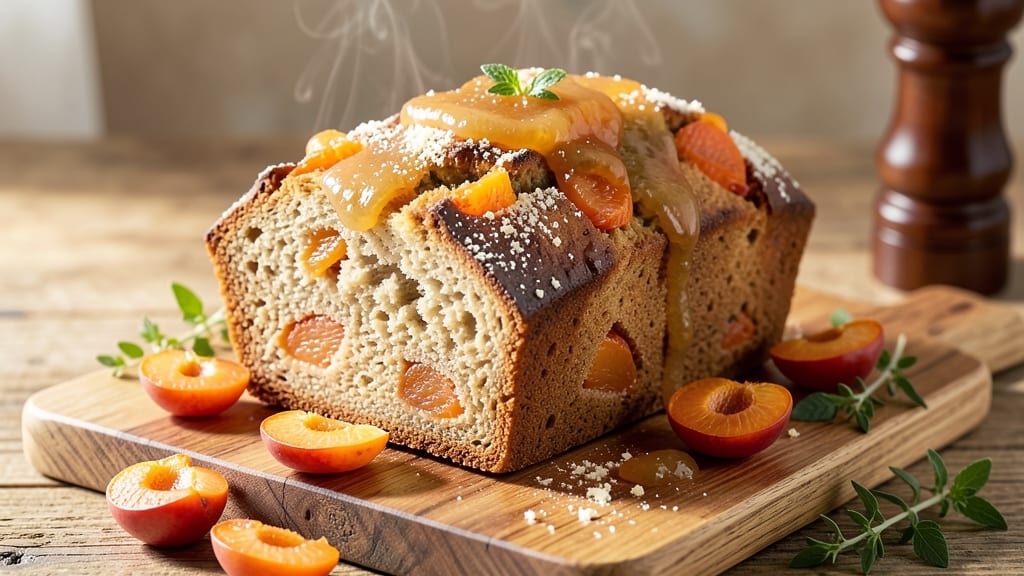
This apricot sweet bread recipe delivers the perfect balance of buttery, flaky layers and sweet, jammy apricot swirls that taste like a bakery classic. 🍰 The secret lies in a rich, yeast-based dough that develops deep flavor during proofing, while the apricot filling adds just the right amount of fruity brightness to cut through the richness.
Whether you're baking for a special occasion or treating yourself to a weekend indulgence, this recipe combines traditional techniques with foolproof instructions for foolproof results.
The dough comes together with simple ingredients—flour, sugar, butter, and yeast—but the magic happens in the slow rise and careful layering. I've tested this recipe countless times to perfect the timing, ensuring the bread bakes up with a golden, crackly crust and tender, slightly chewy interior.
The apricot filling can be made with either fresh or preserved apricots, depending on what you have on hand, and it's rolled into the dough in a way that creates beautiful, even swirls throughout.
Once baked, this sweet bread is best enjoyed fresh from the oven, still warm and fragrant with the aroma of vanilla and apricots. The layers of dough create a satisfying texture with each bite—crispy edges giving way to soft, buttery centers filled with bursts of jammy fruit.
It's the kind of dessert that feels special enough for guests but simple enough to make regularly.
For an extra touch of elegance, brush the top with a simple glaze or dust with powdered sugar before serving. This recipe scales beautifully, so you can make it for a crowd or save half for later—though I can't promise it will last that long.
Let's get started on creating your perfect apricot sweet bread.
Ingredients for apricot sweet bread
Simple pantry staples plus a few bakery secrets create this golden, fruity masterpiece.
| Ingredient | Amount | Notes |
|---|---|---|
| All-Purpose Flour 🌾 | 5 cups | Spooned and leveled, not packed |
| Granulated Sugar 🍚 | ¾ cup | Superfine preferred for smooth texture |
| Unsalted Butter 🧈 | 1 cup | Cold, cubed for easier mixing |
| Active Dry Yeast 🍞 | 2 ¼ tsp | Tested for freshness in warm water |
| Large Eggs 🥚 | 2 whole | Room temperature for even mixing |
| Milk 🥛 | ½ cup | Warm, not hot, to activate yeast |
| Vanilla Extract 🌿 | 1 tsp | Pure, not imitation |
| Salt 🧂 | ½ tsp | Diamond Crystal preferred |
| Apricot Jam 🍑 | 1 cup | Unsweetened preserves preferred |
| Apricots 🍑 | 1 ½ cups | Fresh or dried, chopped small |
| Powdered Sugar 🍚 | 1 cup | For glaze, sifted |
| Heavy Cream 🥛 | 2 tbsp | For glaze, optional |
The flour is your foundation—King Arthur or Gold Medal are my go-tos for that perfect crumb. Butter? Plugrá or Land O’Lakes work perfectly, but don't skip the cold cubes—room temp butter makes tough layers. Yeast can be tricky: test it first by proofing in warm milk (should foam in 5-10 minutes). For apricots, fresh is ideal but preserves work in a pinch—just drain well. The jam? Smucker's unsweetened is my secret weapon for that perfect balance of sweet and tang.
No vanilla extract? Vanilla bean paste adds depth, or vanilla sugar at half the amount. Running low on apricots? Peaches or plums swap beautifully—just adjust the jam quantity to taste. Butter substitute? Coconut oil works but lacks richness (trust me on the butter). For the glaze, powdered sugar + cream is classic, but honey glaze (1 tbsp honey + 1 tsp water) adds extra shine. The dough gets sticky—don't overwork it or you'll kill those flaky layers.
This dough is a patience game—let it rise twice for maximum flavor. Store wrapped dough in the fridge for up to 24 hours before baking. Fresh bread? Eat within 2 days—the layers soften fast. For leftovers, rewarm slices in a 300°F oven for 5 minutes to restore crispness. Freeze baked loaves (sliced!) for up to 3 months—just thaw at room temp before serving. Pro tip: Brush warm bread with melted butter right after baking for next-level richness.
Why You'll Love This Recipe
- No-Yeast Struggles: I’ve burned enough dough waiting for yeast to proof—this recipe skips the guesswork. Just mix the flour, sugar, and butter, then fold in the apricots and eggs. The yeast does its magic while you sip coffee, not stare at a clock.
- Sweet Butter Magic: That rich, browned butter swirled into the dough? Chef’s kiss. It turns ordinary flour into something tender and irresistible, while the apricots add just enough tartness to keep it from being cloying. (Yes, even my picky husband asks for seconds.)
- Breakfast or Snack: Slice it warm for breakfast with jam, or pack it in lunchboxes for kids who need energy. The dough’s buttery richness holds up all day—no sad, dry bread here. Honestly, I’ve eaten it cold straight from the fridge more times than I’ll admit.
- Pantry Staple Power: You’re already using flour, sugar, and butter—this recipe just adds apricots (or sub dried fruit) and eggs. No weird ingredients, no last-minute grocery runs. Leftovers? Toss them in the toaster for crispy perfection. Budget-friendly? Absolutely. My wallet thanks me every time.
Step-by-step instructions for apricot sweet bread
Here's how to create layers of buttery goodness with apricot swirls that'll make your kitchen smell amazing!
👨🍳 Step 1: Mix the Yeast and Prepare the Dough
In a small bowl, combine the 0.5 cup warm milk with the 2.25 tsp active dry yeast and let it sit for 5-10 minutes until it becomes frothy. This tells you your yeast is alive and ready to work! If it doesn't bubble, start over with fresh yeast.
In a large bowl, whisk together the 5 cups all-purpose flour, 0.75 cup granulated sugar, and 0.5 tsp salt. Cut in the 1 cup cold unsalted butter using a pastry cutter or your fingers until the mixture resembles coarse crumbs. This step is crucial—it creates the perfect texture for those flaky layers.
Add the yeast mixture, 2 whole large eggs, and 1 tsp vanilla extract to the flour mixture. Mix until just combined—you should still see some dry spots. Overmixing develops gluten, which makes the bread tough. Cover the bowl with a damp towel and let it rest at room temperature for 30 minutes.
👨🍳 Step 2: Create the Apricot Filling and Roll Out the Dough
In a small bowl, mix together the 1 cup apricot jam and 1.5 cups chopped apricots. Set this filling aside—it's going to be the star of your bread! On a lightly floured surface, roll out the rested dough into a 12x18-inch rectangle, about ¼-inch thick.
Spread the apricot mixture evenly over the dough, leaving a ½-inch border around the edges. This prevents the filling from leaking out during baking. Gently roll up the dough starting from the long side, pinching the seam to seal. Twist the log gently to create those beautiful swirls—this is where the magic happens!
🔥 Step 3: Shape and Proof the Sweet Bread
Place the twisted dough into a lightly greased 9x5-inch loaf pan. Cover it with a damp towel and let it rise in a warm place for 1-1.5 hours, or until it has nearly doubled in size. You'll know it's ready when the dough springs back slowly when gently pressed with a finger.
While the bread is proofing, preheat your oven to 350°F. This temperature ensures a perfect rise and golden-brown crust. If your kitchen is cold, place the loaf pan in a larger pan filled with 1 inch of hot water to create a steamy environment—this helps with browning and texture.
🔥 Step 4: Bake to Golden Perfection
Bake the sweet bread for 45-50 minutes, or until the top is deep golden brown and a toothpick inserted into the center comes out clean. The aroma filling your kitchen will be worth the wait! If the top browns too quickly, tent the loaf with aluminum foil to prevent overbrowning while it continues cooking.
Remove the bread from the oven and let it cool in the pan for 10 minutes before transferring it to a wire rack. This resting period helps the bread set and makes slicing easier. While it cools, prepare the glaze by whisking together the 1 cup powdered sugar and 2 tbsp heavy cream until smooth.
🍽️ Step 5: Glaze and Serve
Drizzle the glaze over the warm bread and let it set for 5 minutes before slicing. The glaze will create a beautiful sheen and add that extra touch of sweetness. Serve the apricot sweet bread warm with a cup of coffee or tea—it's perfect for breakfast, dessert, or even a mid-afternoon treat!
This bread keeps well at room temperature for 2 days or can be frozen for up to 3 months. Each slice will reveal layers of buttery dough and pockets of sweet apricot filling—pure comfort in every bite.
Pro Tips For Making Apricot Sweet Bread
- Proof the Yeast Slowly: Skip the rush—mix warm milk (110°F) with sugar first, then sprinkle yeast on top. Let it sit for 5 minutes before adding flour; this gives the yeast time to activate fully and prevents a flat, dense loaf. (Yes, even if you’re impatient like me.)
- Chill the Dough Overnight: After the first rise, wrap the dough tightly and refrigerate for 12–16 hours. The cold slows fermentation, deepens the apricot flavor, and makes shaping easier—no more sticky, stubborn dough. (Your future self will thank you.)
- Soften Butter Properly: Use the "finger press" test: if the butter leaves a slight indentation when pressed, it’s soft enough to cut into small cubes for the dough. Too hard? It won’t incorporate smoothly. Too soft? The bread turns greasy. (I learned this the hard way with a lumpy batch.)
- Brush with Simple Syrup: After baking, brush warm bread with a 1:1 sugar-water syrup while still in the pan. This locks in moisture and gives that glossy, bakery-fresh finish—no fancy glaze needed. (Sounds weird, but it works.)
Dietary considerations for apricot sweet bread
Gluten-Free Adaptations
For a gluten-free version, replace the 5 cups all-purpose flour with a 1:1 gluten-free flour blend like Bob's Red Mill 1-to-1 or King Arthur Measure for Measure. Add ½ tsp xanthan gum to improve texture and elasticity.
The dough will be stickier, so use a light dusting of gluten-free flour on your surface. Proofing time may extend by 15-20 minutes due to the blend's properties. 🌾
Lower Sugar Options
Reduce the 0.75 cup granulated sugar to 0.5 cup and replace the remaining 0.25 cup with honey or maple syrup for natural sweetness. For the glaze, swap powdered sugar for 1 tbsp honey + 1 tbsp water mixed with 1 tsp heavy cream.
This cuts sugar by 30% while keeping moisture. Taste the filling before baking—add 1 tsp lemon juice if apricots need brightness.
Dairy-Free Substitutes
Replace the 1 cup unsalted butter with 1 cup dairy-free butter like Miyoko's or Earth Balance. Use unsweetened almond milk (warmed) instead of milk for the yeast activation. For the glaze, mix 1 cup powdered sugar with 2 tbsp coconut cream or almond milk to achieve a similar consistency.
The texture stays rich but lighter—great for those avoiding lactose.
Nut-Free Considerations
If nut allergies are a concern, avoid any nut-based flour blends and stick to rice flour or oat flour (certified gluten-free if needed). For the glaze, powdered sugar + dairy-free cream remains safe.
Double-check all packaged ingredients (like jam or dried apricots) for cross-contamination warnings. Always use separate utensils and surfaces when handling nut-free ingredients.
Egg-Free Modifications
Replace the 2 large eggs with 2 tbsp ground flaxseed + 6 tbsp water (mix and let sit for 5 minutes). This binds the dough similarly while keeping it moist. For extra richness, add 1 tbsp melted coconut oil to the dough.
The texture will be slightly denser but still tender. Proofing time may increase by 10 minutes—monitor closely for doneness.
Nutrition facts
Frequently asked questions
Can I make this apricot sweet bread without yeast?
This recipe relies on yeast for its signature flaky layers and rise, but you could adapt it as a quick bread by replacing the yeast with 1 tsp baking powder + 1 tsp baking soda. The texture will be denser (more cake-like) and won't rise as dramatically, but it would still be delicious! Reduce the milk to ¼ cup and bake at 350°F for 35-40 minutes instead.
How do I store leftovers to keep them fresh?
Wrap cooled slices tightly in plastic wrap or store in an airtight container at room temperature for up to 2 days. For longer storage, freeze slices individually between parchment paper for 3 months. To revive stale bread, warm slices in a 300°F oven for 5 minutes or microwave for 10 seconds—they'll taste almost fresh again!
What if my apricot filling leaks during baking?
This happens when the dough isn't sealed properly or the filling is too wet. For next time, ensure you leave a ½-inch border of dough around the edges and press the seam tightly when rolling. If it leaks during baking, tent the loaf with foil after 20 minutes to slow the rise. The bread will still taste great—just with more visible fruit pockets!
Can I substitute peaches or plums for apricots?
Peaches or plums work beautifully—they just need slightly more sugar to balance their tartness. Use 1.5 cups chopped fruit and increase the jam to 1.25 cups. For extra brightness, add ½ tsp lemon zest to the filling. The texture and flavor will be equally delightful!
Why did my bread turn out dense instead of fluffy?
Dense bread usually means overmixing the dough (developing too much gluten) or underproofing. For fluffy layers, mix just until combined and let the dough rest fully. Also ensure your yeast is fresh (test it in warm milk first) and your kitchen is warm enough for proper rising. A 350°F oven with steam (place a pan of water below) helps create that perfect rise!