
Side Dishes
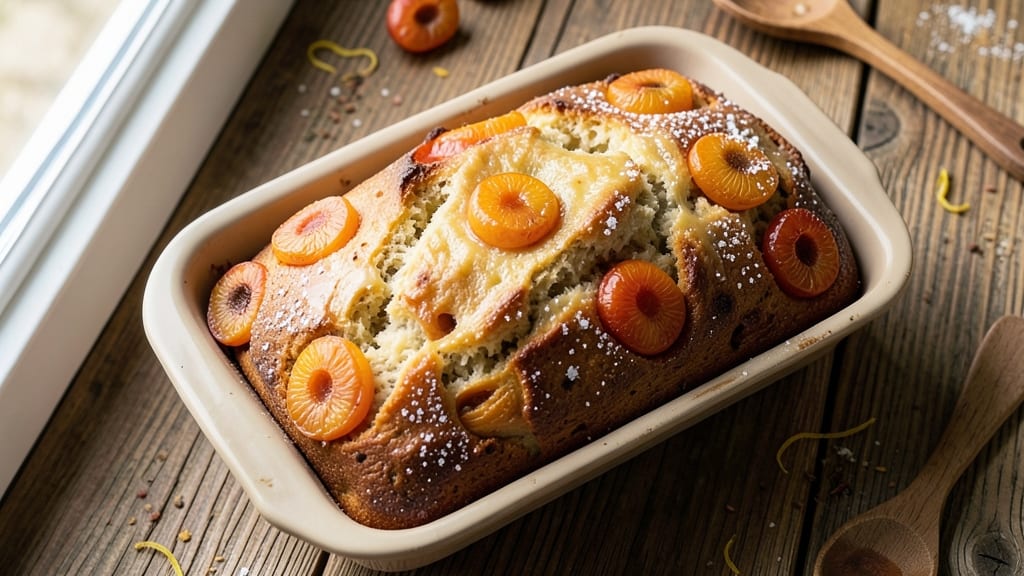
This apricot loaf bread recipe delivers the perfect balance of sweet, buttery dough and tangy apricot swirls that make every slice irresistible. The secret lies in a well-hydrated dough that stays tender while developing a golden, crackly crust—just like your favorite bakery loaf.
I've perfected this recipe through years of baking, ensuring the apricot filling stays juicy and the bread maintains its structure without being too dense.
The process begins with a simple yeasted dough that incorporates whole wheat flour for subtle depth, then folds in a homemade apricot filling made from fresh fruit, sugar, and a touch of lemon zest.
Baking at the right temperature is crucial—too hot and the crust burns before the center sets; too cool and the bread won't rise properly. I'll guide you through every step to achieve that ideal crispy crust and soft interior that makes this loaf worth the wait.
Once baked, the bread releases an intoxicating aroma that fills your kitchen, signaling a reward for your patience. The apricot swirls remain moist and flavorful, cutting through the buttery richness of the bread with every bite.
This recipe yields a loaf that's perfect for breakfast toast, sandwiches, or simply enjoyed with a cup of coffee. The best part? It's foolproof for home bakers, with clear instructions that ensure success even on your first attempt.
For an extra touch of elegance, I'll share my favorite honey glaze that adds a glossy finish and enhances the fruit's natural sweetness. Whether you're baking for a family gathering or treating yourself to a homemade indulgence, this apricot loaf bread is guaranteed to impress.
Let's get started on creating your perfect loaf!
Ingredients for apricot loaf bread
Sweet dough meets tangy apricot swirls—just 13 ingredients for bakery-style perfection.
| Ingredient | Amount | Notes |
|---|---|---|
| All-Purpose Flour 🌾 | 4 cups | Sifted for light texture |
| Whole Wheat Flour 🌾 | 1 cup | For subtle depth of flavor |
| Active Dry Yeast 🍞 | 2 ¼ tsp | Tested for freshness |
| Granulated Sugar 🍚 | ½ cup | For dough sweetness |
| Unsalted Butter 🧈 | ½ cup | Cold, cubed for dough |
| Large Eggs 🥚 | 1 whole | Room temperature |
| Milk 🥛 | ¾ cup | Warm, 110°F |
| Salt 🧂 | 1 tsp | Kosher or sea salt |
| Fresh Apricots 🍑 | 1 ½ cups | Pitted, chopped small |
| Brown Sugar 🍚 | ¼ cup | Packed for filling |
| Lemon Zest 🍋 | 1 tsp | Brightens filling |
| Honey 🍯 | 2 tbsp | For glaze and filling |
| Vanilla Extract 🌸 | 1 tsp | Pure extract preferred |
The flour blend is key here. King Arthur all-purpose gives the best rise, but Bob's Red Mill whole wheat adds that nutty depth you crave. Yeast can be finicky—test it with warm water first (it should foam in 5-10 minutes). For the apricots, fresh is ideal, but frozen works in a pinch if you toss them in lemon water to preserve color. I always grab extra lemon zest—it makes the filling pop. Butter should be cold when cutting into the dough, but don't overwork it or the bread gets tough.
No fresh apricots? Dried apricots rehydrated in warm water work (strain out the liquid). Out of vanilla? Almond extract at half the amount gives a similar warmth. The honey glaze? Local raw honey adds the best flavor, but any honey will do. Want more crust crunch? Brush with extra melted butter after baking. For a richer dough, swap half the all-purpose flour for bread flour—just be ready for a denser texture. The lemon zest can be zested fresh or bought pre-grated (though fresh is brighter).
This dough needs time to rise—at least 1 hour, up to 2 hours for deeper flavor. Store wrapped dough in the fridge for up to 24 hours if prepping ahead. The baked loaf stays fresh 3 days at room temperature, wrapped tightly. For longer storage, freeze slices wrapped in parchment—up to 3 months. Reheat in a 350°F oven for 5 minutes to revive that bakery-fresh aroma.
Why You'll Love This Recipe
- No-Knead Magic: I swear by this dough—just mix, let it rise, and walk away. The whole wheat flour gives it a sturdy texture without the fuss of kneading, and that butter? It keeps it tender even after baking.
- Sweet Without Sugar: Honestly, the apricot jam swirled inside cuts through the richness of the butter and whole wheat, making every slice taste balanced. I’ll take that over cloying sweetness any day—plus, it’s a sneaky way to use up jam before it expires.
- Breakfast or Snack: This loaf is my go-to for toast in the morning, but it’s also perfect for packing in lunchboxes or slicing thin for tea time. The crust stays crisp for days, so it’s always ready when I am.
- Budget-Friendly Staple: Between us, this recipe uses pantry basics—flour, yeast, butter—and stretches for leftovers. I’ve had a loaf last me a week, and the whole wheat keeps everyone full longer. That’s a win for my wallet and my waistline.
Step-by-step instructions for apricot loaf bread
Here's how to create a golden, fragrant loaf with juicy apricot swirls that'll make your kitchen smell like summer.
Activate the Yeast and Prepare the Dough
In a small bowl, combine the 0.75 cup warm milk (about 110°F) with 0.5 cup granulated sugar and 2.25 tsp active dry yeast. Let it sit for 5-10 minutes until it becomes frothy and bubbly—this tells you your yeast is alive and ready to work. If it doesn't bubble, your yeast might be old or the milk too hot.
In a large mixing bowl, whisk together the 4 cups all-purpose flour, 1 cup whole wheat flour, and 1 tsp salt. Make a well in the center and pour in the yeast mixture, 1 whole egg, and 0.5 cup cold cubed butter. Using a wooden spoon or dough whisk, gently mix until the dough begins to come together. The butter should stay in small chunks for now—this creates flaky layers later.
Knead Until Silky Smooth
Turn the dough onto a lightly floured surface and knead for 8-10 minutes until it becomes smooth and elastic. You'll know it's ready when it springs back slowly when poked. If the dough feels sticky, add 1 tablespoon flour at a time until it's just right—too much flour makes the bread dense.
Place the dough in a lightly greased bowl, cover with a damp towel, and let it rise in a warm place for 1-1.5 hours or until it doubles in size. The dough should feel light and airy when pressed gently—this is when it's ready for the next step. Real talk: Don't skip this rising time, even if it's tempting. Patience here means a lighter loaf later.
Prepare the Apricot Filling
While the dough rises, make the apricot filling. In a small bowl, combine 1.5 cups chopped fresh apricots, 0.25 cup packed brown sugar, 1 tsp lemon zest, 1 tsp vanilla extract, and 2 tbsp honey. Mix gently—just enough to combine. The apricots should look glossy but still retain their shape. If the mixture seems too dry, add 1 teaspoon milk to help it bind.
Here's the thing—don't overmix this filling. You want pockets of fruit in the bread, not a completely blended purée. The texture contrast between the soft dough and juicy apricots is what makes this loaf special. Set the filling aside while you shape the dough.
Shape and Fill the Loaf
Punch down the risen dough to release air, then divide it into two equal pieces. Roll each piece into a rectangle about 12x8 inches. Spread half of the apricot filling evenly over one rectangle, leaving a ½-inch border around the edges. Top with the second rectangle and gently press the edges to seal, trapping the filling inside.
Roll the sealed dough into a log shape and place it seam-side down in a greased 9x5-inch loaf pan. Cover with a towel and let it rise for another 30-45 minutes until it puffs up about 1 inch above the pan. The dough should feel springy when pressed lightly—this ensures a good rise in the oven.
Bake to Golden Perfection
Preheat your oven to 350°F while the dough rises. Brush the top of the loaf with a little milk for a golden crust. Bake for 45-50 minutes until the top is deep golden brown and the internal temperature reaches 190°F. Tap the bottom of the loaf—it should sound hollow when done.
Let the loaf cool in the pan for 10 minutes before transferring to a wire rack. This resting period prevents it from falling apart when you remove it. Once cooled completely, slice into thick pieces to reveal those beautiful apricot swirls. The crust should be crisp, the interior tender, and the apricots juicy with just the right balance of sweet and tart.
Pro Tips For Making Apricot Loaf Bread
- Bloom the Yeast First: Skip mixing yeast straight into flour—it’s a surefire way to kill it. Instead, dissolve the active dry yeast in warm (not hot) water with a pinch of sugar first, then wait 5–10 minutes until it foams like a tiny beer. This guarantees your loaf rises properly, especially with whole wheat flour’s tendency to weigh dough down.
- Soften Butter Properly: Cold butter creates pockets in the dough, but melted butter makes it gummy. Beat the unsalted butter with sugar until it’s just soft—press your finger into it, and it should leave a slight indent. This gives you that tender crumb without sacrificing structure.
- Don’t Overmix the Apricots: Fold in chopped apricots until just combined—overworking them turns the dough dense and chewy. Use a spatula to gently cut through the fruit, and resist the urge to press or fold repeatedly. You want chunks, not a fruit smoothie.
- Proof at Room Temp: Whole wheat flour absorbs moisture faster, so skip the fridge for proofing. Let your dough rise in a warm (75°F) spot for 1–1.5 hours until it’s almost doubled—this ensures a light texture without waiting all day. Cover it loosely with a towel; humidity is your friend here.
Health benefits of this dish
Whole Grain Advantage
The whole wheat flour in this recipe adds fiber and complex carbohydrates that support steady blood sugar levels compared to all-purpose flour. A 1-cup serving of this loaf provides about 4 grams of fiber, which aids digestion and keeps you feeling full longer.
The whole grains also contribute B vitamins and magnesium, essential for energy metabolism and muscle function. 💪
Natural Sweetness Boost
Fresh apricots bring vitamin C and vitamin A, with 1.5 cups providing over 150% of your daily vitamin A needs. Vitamin A supports eye health and immune function, while vitamin C acts as a powerful antioxidant.
The natural sugars in apricots provide quick energy without the blood sugar spikes of refined sugar. I always choose ripe apricots—they're sweeter and more nutritious than underripe ones.
Healthy Fats for Satiety
The ½ cup unsalted butter in the dough provides saturated fats that contribute to a satisfying, rich texture. While butter isn't a health food, using it in moderation (as in this recipe) creates a more satisfying loaf that won't leave you craving more.
The butter also helps create that golden crust that's so appealing. For a lighter option, you could reduce butter by 1 tablespoon and add an extra 1 tablespoon olive oil for heart-healthy fats.
Protein for Muscle Repair
This loaf contains about 8 grams of protein per serving, thanks to the egg and whole wheat flour. Protein is crucial for muscle repair and maintenance, especially after workouts. The egg also adds moisture and structure to the dough.
For a vegan version, you could substitute the egg with 1 tablespoon ground flaxseed mixed with 3 tablespoons water (let it sit for 5 minutes to gel).
Antioxidant-Rich Glaze
The optional honey glaze isn't just for flavor—it adds antioxidant properties from raw honey. Just 2 tablespoons of honey contain trace amounts of pollens, enzymes, and antioxidants that support overall health. Honey also has a lower glycemic index than refined sugar, making it a better choice for blood sugar control.
I always use local honey when possible—it often has unique flavors and additional health benefits from local flora. ✨
Low-Calorie Indulgence
At about 250 calories per slice, this loaf is a guilt-free indulgence compared to many store-bought sweet breads. The combination of whole grains, fruit, and moderate butter creates a balanced treat that won't weigh you down.
The fiber content helps balance the natural sugars from the apricots and honey, preventing energy crashes. For an even lighter option, you could reduce the sugar in the filling by 1 tablespoon and increase the lemon zest to 1.5 teaspoons for extra brightness.
Nutrition facts
Frequently asked questions
Can I substitute dried apricots for fresh in this loaf?
Yes, but you'll need to adjust the texture. Soak ½ cup dried apricots in warm water for 15 minutes, then drain and chop. Use 1.5 cups of these rehydrated apricots (they'll be softer) and add 1 teaspoon lemon juice to preserve color. The filling will be thicker, so reduce the brown sugar by 1 tablespoon to prevent over-sweetness.
Why did my loaf turn out dense instead of light and airy?
Dense bread usually means one of three things: over-kneading (break down gluten), under-proofing (dough didn't rise enough), or too much flour (weigh your flour next time—4 cups all-purpose should be 480g). Always check yeast freshness and use warm (110°F) milk. Let the dough rise until it doubles in size—this is non-negotiable for a light texture!
How can I make this recipe gluten-free?
Replace the flour blend with 4 cups gluten-free 1:1 baking flour (like Bob's Red Mill) plus 1 tablespoon xanthan gum. Use ½ cup sorghum flour instead of whole wheat for better texture. The dough will be stickier, so wet your hands when handling it. Expect a slightly denser crumb—gluten-free breads rarely match regular bread's lightness. Add 1 extra tablespoon honey to compensate for dryness.
Can I bake this without a loaf pan? What shape should I use?
Shape the dough into a free-form round loaf on a parchment-lined baking sheet. For extra height, place it on a small baking stone. Brush with milk and bake at 350°F for 35-40 minutes until golden. The crust will be thicker, but the interior stays tender. For a rustic look, score the top with a sharp knife before baking—this prevents cracking and adds visual appeal.
What's the best way to reheat sliced apricot loaf?
For crispy crust + warm interior, wrap slices in foil and reheat at 350°F for 5-7 minutes. For toasted texture, place slices directly on a baking sheet and toast at 375°F for 3-4 minutes until golden. Microwave reheating works in a pinch (20-30 seconds), but it makes the crust soggy. The best method? Store slices in an airtight container at room temperature for 2 days—they'll stay fresh longer than refrigerated!