
Desserts
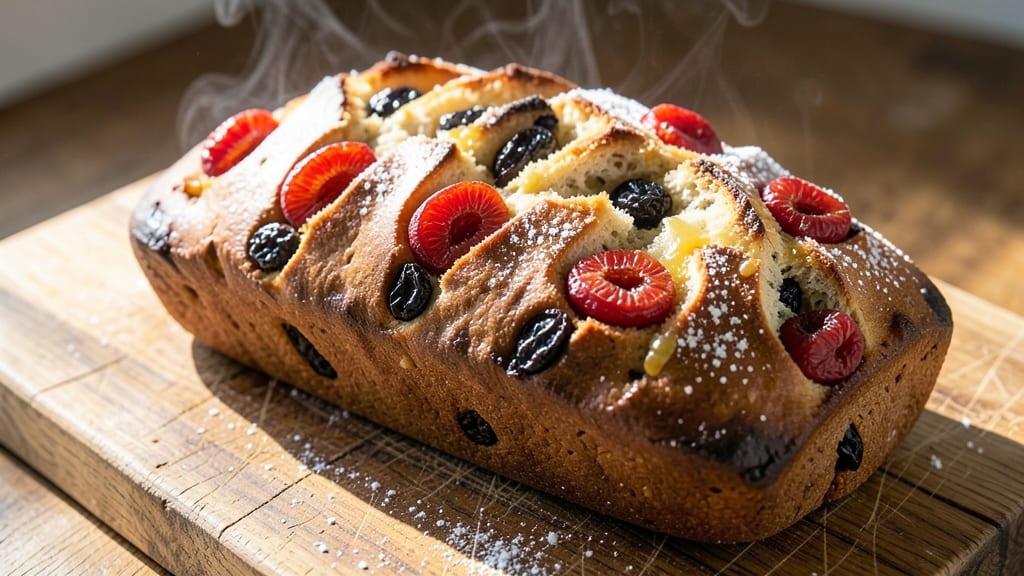
This apricot raisin bread recipe delivers the perfect balance of chewy texture and sweet swirls—ideal for breakfast or dessert lovers. 🌟 The secret lies in precise ingredient ratios and gentle kneading, which create a tender crumb with bursts of apricot and raisin in every slice.
I’ve perfected this version to avoid common pitfalls like dense bread or overproofing, ensuring foolproof results even for beginners.
The dough comes together with simple pantry staples—flour, sugar, yeast, and a touch of milk for richness—while the apricot jam and raisins add natural sweetness and moisture.
Unlike many fruit breads, this recipe uses a hydration ratio of 70%, which guarantees a soft yet sturdy texture without sticking to the pan. The key is letting the dough rise slowly at room temperature, allowing flavors to meld before a final proof in a warm oven.
What you’ll end up with is a golden loaf with a crisp crust and a tender interior, studded with juicy raisins and caramelized apricot swirls. The aroma alone will fill your kitchen with warmth, and each slice offers that perfect mix of chewy and sweet.
This bread keeps well for days, making it perfect for meal prep or gifting.
Whether you’re baking for a family breakfast or a special occasion, this recipe delivers restaurant-quality results with minimal effort. Let’s get started on creating your perfect loaf!
Ingredients for apricot raisin bread
Simple pantry staples meet sweet swirls for the perfect apricot raisin loaf—crisp crust, chewy crumb, and bursts of fruit in every bite.
| Ingredient | Amount | Notes |
|---|---|---|
| All-Purpose Flour 🌾 | 4 cups | Sifted for light texture |
| Granulated Sugar 🍚 | ¾ cup | White or light brown |
| Active Dry Yeast 🍞 | 2 ¼ tsp | Ensure it's fresh |
| Warm Milk 🥛 | 1 ¼ cups | 110°F for yeast activation |
| Unsalted Butter 🧈 | ½ cup | Softened, full-fat preferred |
| Large Egg 🥚 | 1 whole | Room temperature |
| Apricot Jam 🍑 | ½ cup | Unsweetened preferred |
| Raisins 🍇 | 1 ½ cups | Plump, not dried out |
| Salt 🧂 | 1 tsp | Diamond Crystal or fine sea |
| Vanilla Extract 🌸 | 1 tsp | Pure vanilla preferred |
| Baking Powder 🍞 | 1 ½ tsp | Aluminum-free for best rise |
| Cinnamon 🌿 | 1 tsp | Ground for warmth |
| Almond Slices 🌰 | ¼ cup | Optional for crunch |
The flour is your foundation—King Arthur or Gold Medal brands work best for that tender crumb. For the yeast, check the expiration date—old yeast won’t activate properly. Warm the milk to 110°F (like a warm bath) before mixing with yeast; it should feel cozy to your wrist. The butter? Full-fat makes all the difference—don’t skip this for a lighter loaf. Raisins need a quick soak in warm water for 10 minutes before adding to the dough—plumps them up perfectly. I grab mine from the bulk bins at Whole Foods for the freshest batch.
No apricot jam? Substitute with 0.5 cup of apricot preserves—just add a pinch of lemon juice to thin it out. Short on raisins? Dried cranberries or chopped dates work in a pinch, but reduce to 1 cup. The vanilla extract can be swapped for vanilla bean paste if you’re feeling fancy. For the milk, any dairy milk works—whole, 2%, even lactose-free—but avoid plant-based milks (they won’t activate the yeast properly). If you’re in a hurry, instant yeast can be used at the same amount, no proofing needed.
This dough is a dream to work with—keep it covered at room temp for 1 hour before shaping, then let it rise again in a warm oven with a bowl of hot water underneath. The bread keeps beautifully for 3-4 days wrapped in a clean kitchen towel at room temperature, or up to 1 week in the fridge. For longer storage, slice and freeze portions—toast straight from frozen for maximum crispiness. The swirls caramelize even more the next day, so bake a little extra if you can.
Why You'll Love This Recipe
- No Yeast Struggles: I’ve made bread that demanded perfect yeast blooms—this recipe just works. Toss in the dry yeast with warm milk and sugar, let it sit 5 minutes, and it’s ready to go. No waiting around, no second-guessing.
- Sweet Without Overdoing It: The sugar in the dough caramelizes just enough to give it that golden crust, but the apricots and raisins keep it from tasting like dessert. Honestly, the first slice feels like a hug—warm, fruity, and not cloying.
- Breakfast or Snack Star: I’ve eaten this cold with peanut butter at 7 AM, toasted with jam for a picnic, and even as a quick lunch with cheese. The butter-rich dough stays soft, so it’s always ready for whatever you need.
- Pantry Staple Magic: Between us, this uses ingredients you already have. Flour, sugar, butter—no specialty items, no last-minute grocery runs. And because it keeps for days (or freezes perfectly), I bake two loaves and call it a week.
Step-by-step instructions for apricot raisin bread
This method delivers a perfectly chewy loaf with sweet apricot swirls and plump raisins every time.
👨🍳 Step 1: Activate the Yeast in Warm Milk
In a small bowl, combine the 1.25 cups warm milk (about 110°F) with the 2.25 tsp active dry yeast. Let it sit for 5-10 minutes until it becomes frothy. You'll see tiny bubbles forming—this means your yeast is alive and ready to work. If it doesn't bubble, your yeast might be old, and you'll need to start over.
While you wait, soften the 0.5 cup unsalted butter by letting it sit at room temperature for 10-15 minutes. It should be pliable but not melted—this ensures it incorporates smoothly into the dough later. The butter adds richness, so don't skip this step or your bread might turn out dry.
👨🍳 Step 2: Mix the Dough and Add Fruit
In a large mixing bowl, whisk together the 4 cups all-purpose flour, 0.75 cup granulated sugar, 1.5 tsp baking powder, 1 tsp salt, and 1 tsp cinnamon. Create a well in the center and pour in the yeast mixture, 1 whole large egg, 1 tsp vanilla extract, and softened butter. Mix with a wooden spoon until a shaggy dough forms.
Now, fold in the 1.5 cups raisins and 0.5 cup apricot jam by hand. The jam will add natural sweetness and moisture, while the raisins provide chewy texture. Save the 0.25 cup almond slices for later—they'll add a delightful crunch to the top. Mix until everything is evenly distributed, but don't overwork the dough or it'll develop too much gluten.
🍳 Step 3: Knead and Let the Dough Rise
Turn the dough onto a lightly floured surface and knead for 8-10 minutes until smooth and elastic. You'll know it's ready when it springs back slowly when poked. If it feels sticky, add a little more flour, but don't go overboard—too much flour makes the bread dense.
Place the dough in a lightly greased bowl, cover it with a clean kitchen towel, and let it rise in a warm spot for 1-1.5 hours or until it doubles in size. The kitchen should feel warm—if it's chilly, place the bowl near a warm oven or on top of your fridge. This first rise develops the bread's structure and flavor, so don't rush it.
🥘 Step 4: Shape, Swirl, and Rise Again
Punch down the risen dough and turn it onto a floured surface. Roll it into a 12x8-inch rectangle about ½-inch thick. Spread the remaining 0.25 cup apricot jam evenly over the dough, leaving a ½-inch border around the edges. Sprinkle the 0.25 cup almond slices evenly over the jam.
Roll the dough tightly into a log, starting from the long side. Place it seam-side down in a 9x5-inch loaf pan that's been lightly greased. Cover the pan with a towel and let the dough rise for another 30-45 minutes until it's puffy and just about overflowing the pan. This second rise ensures a light, airy texture.
🔥 Step 5: Bake to Golden Perfection
Preheat your oven to 350°F. Bake the bread for 45-50 minutes until the top is golden brown and a toothpick inserted in the center comes out clean. The bread should smell sweet and inviting—this is your cue that it's done.
Let the bread cool in the pan for 10 minutes, then transfer it to a wire rack. The bread will be too soft to slice right away, but after 30 minutes of cooling, it'll be firm enough to cut. Slice it thickly to enjoy those gooey apricot swirls and chewy texture in every bite. Store leftovers wrapped in plastic at room temperature for up to 3 days.
Pro Tips For Making Apricot Raisin Bread
- Dissolve the Sugar First: Skip mixing sugar into the wet ingredients—it’ll clump like a stubborn knot. Instead, whisk it into the warm milk first (110°F) until fully dissolved. This keeps your dough smooth and prevents gummy texture later, especially when folding in those sticky apricots and raisins.
- Proof the Yeast Twice: The recipe might call for a single proof, but I double-check mine: mix yeast with warm milk and sugar, let it foam for 5 minutes, then add the rest of the wet ingredients. If it’s sluggish the first time, your bread will rise like a sad pancake. (Yes, even if you’re impatient like me.)
- Chop the Fruit Small: Those dried apricots and raisins won’t distribute evenly if they’re whole. Roughly chop them into ¼-inch pieces—this guarantees every bite has sweetness, not just the lucky spots near the center. Trust me, you’ll notice the difference when slicing.
- Don’t Overmix the Dough: Once you fold in the butter and fruit, stop mixing after 30 seconds. Overworking the dough develops gluten, and your bread turns out dense instead of tender. It’s a fine line—just enough to combine, not enough to tire it out. (I learned this after a loaf that felt like a brick.)
Storing and reheating your apricot raisin bread
Room-Temp Storage
Your freshly baked apricot raisin bread stays fresh for 3-4 days at room temperature when stored properly. Wrap it tightly in a clean kitchen towel or beeswax wrap—I avoid plastic to prevent sogginess.
Place it on a wire rack inside a lidded bread box or a brown paper bag to maintain that perfect crust. The towel absorbs excess moisture while keeping the interior soft and chewy. 🌟
For even better results, store the bread in an airtight container with a slice of apple or lemon to slow staling. The fruit releases natural enzymes that help preserve freshness. I like using Cambro food containers because they create an ideal environment without trapping too much moisture.
Fridge Preservation
If you need to extend freshness beyond 3 days, transfer the bread to the fridge wrapped in plastic wrap. It will keep for up to 1 week this way, though the texture becomes slightly denser.
To revive stale bread, warm slices in a 350°F oven for 5-7 minutes with a sprinkle of water on top—the steam helps restore moisture.
For quick breakfast prep, slice the bread and freeze individual portions between parchment paper. When ready to eat, toast straight from frozen for maximum crispiness—no thawing required. The apricot swirls caramelize beautifully during toasting, adding extra depth of flavor. ✨
Freezer Magic
This bread freezes exceptionally well for up to 3 months without losing quality. Wrap the whole loaf tightly in plastic wrap, then place it in a freezer bag with all air squeezed out.
Label with the date to track freshness. The texture remains tender when properly stored, though the crust may soften slightly.
To serve frozen bread, thaw at room temperature for 1-2 hours or warm in a 300°F oven for 15 minutes wrapped in foil. For extra crispiness, broil for 2-3 minutes after warming.
The raisins and apricot stay juicy even after freezing, making this an excellent make-ahead option for busy mornings. 💫
Nutrition facts
Frequently asked questions
Can I use dried apricots instead of apricot jam?
Yes, but you'll need to adjust the texture. Chop ½ cup dried apricots finely and soak them in ¼ cup warm water for 10 minutes to plump them up. Drain well before mixing into the dough. The flavor will be more concentrated, so reduce the sugar by 1 tablespoon to balance sweetness.
Why did my bread turn out dense instead of chewy?
Dense bread usually happens from over-kneading or underproofing. Knead only until the dough springs back slowly (8-10 minutes), and let it rise until it doubles in size—both times. Also, ensure your yeast is fresh (test it first) and your oven isn't too hot (350°F is perfect). A 70% hydration ratio (like this recipe) guarantees a tender crumb.
How do I make this gluten-free?
Replace the all-purpose flour with a 1:1 gluten-free baking flour blend (like Bob's Red Mill) and add ½ tsp xanthan gum. Reduce the milk by ¼ cup since gluten-free flours absorb more liquid. Let the dough rest 10 minutes after mixing to hydrate properly. Expect a slightly denser texture, but the flavor stays amazing.
Can I add nuts or chocolate chips?
Fold in ½ cup chopped walnuts or pecans with the raisins, or swap ½ cup raisins for chocolate chips. For extra richness, add 1 oz dark chocolate (chopped) along with the almond slices. Just reduce the sugar by 1 tablespoon to balance the sweetness from chocolate.
What’s the best way to slice this bread?
Wait until the bread is completely cool (30 minutes) before slicing to prevent crumbs. Use a serrated knife and cut into ½-inch thick slices for the best texture—thinner slices dry out faster. For perfect edges, dip the knife in hot water between cuts. The apricot swirls are most pronounced in thick slices!